
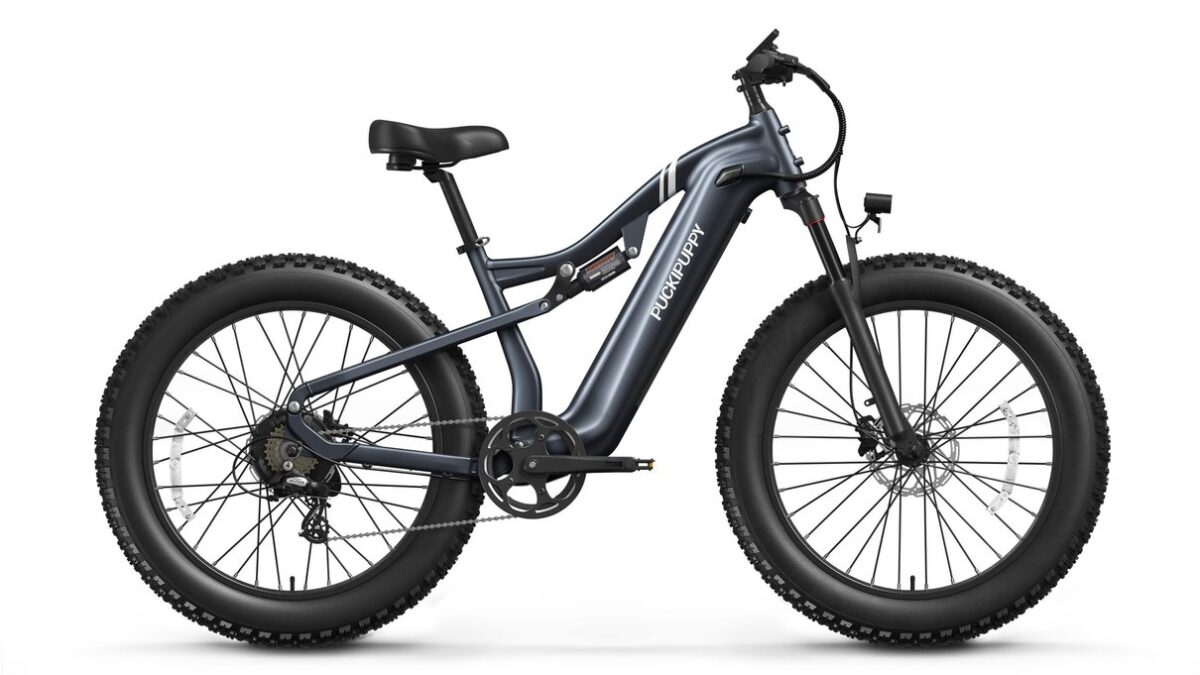

A closer look at the Labrador Pro’s off-road equipment, ride-oriented design, and the questions to settle before choosing this full-suspension e-bike.
Choosing an electric bike for rough paths is less about a single headline number and more about how the whole setup fits the routes you actually ride. Puckipuppy positions its Labrador Pro as a full-suspension electric mountain bike, pairing a listed 750W motor with a torque sensor and a claimed range of up to 100 miles. Those details make it a plausible candidate for riders considering trail access, gravel connectors and uneven recreational routes.
This review is based on the brand’s US product information. The useful question is whether the model’s equipment and intended use line up with your own terrain, fit needs and expectations for range. We also note the buying details worth confirming on the listing, since specifications and policies can change.
Some links in this article are affiliate links: if you make a purchase through them, we may receive a small commission.
Highlights
- The Labrador Pro is the brand’s off-road focused option, with full suspension, a 750W motor and torque sensor listed on its product page.
- Puckipuppy advertises up to 100 miles of range, a maximum claim that depends on riding conditions and setup.
- A torque sensor is designed to respond to rider input, while full suspension is most relevant on uneven surfaces.
- Before ordering, check sizing, current configuration, battery details, delivery terms and warranty coverage on the US listing.
What the Labrador Pro is designed to do
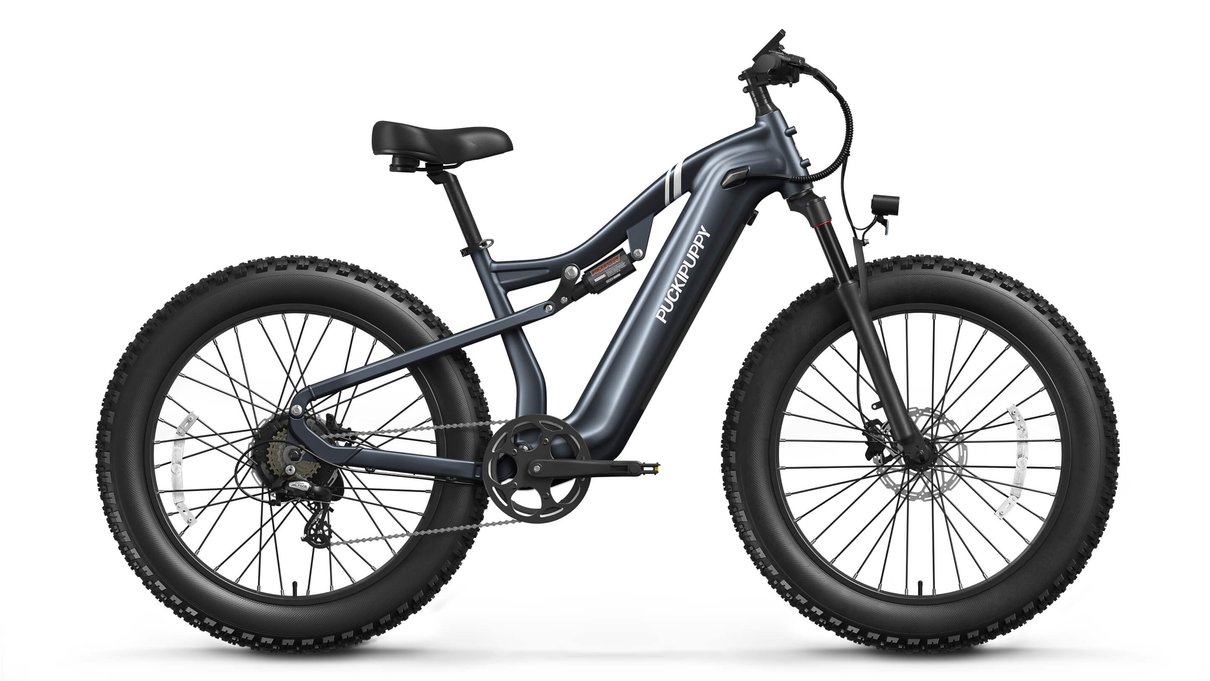
The Labrador Pro sits in the mountain-bike corner of Puckipuppy’s catalog. The store describes it as a full-suspension e-bike for off-road riding, which makes the model’s intended use clearer than a general-purpose commuter listing. The Labrador Pro listing describes that full-suspension arrangement. Full suspension adds a front and rear suspension system to the bike’s setup; on bumpy ground, that design can help manage repeated impacts and keep the ride more composed. It also brings added complexity and weight compared with a rigid-frame bike, so buyers focused on smooth pavement may not benefit as much from that design.
The page lists a 750W motor and a torque sensor. A torque sensor measures how firmly the rider pedals and adjusts assistance in response, rather than relying only on a cadence signal. That can make power delivery feel more connected to effort, particularly when pace or gradient changes. The Labrador Pro motor specification is worth checking against those rules. It does not remove the need to check local e-bike rules: permitted motor output and classification vary by jurisdiction, so confirm the bike’s current configuration and local requirements before riding.
Range deserves similar care. Puckipuppy states up to 100 miles for the Labrador Pro. “Up to” is a best-case ceiling rather than a dependable trip estimate; rider weight, assist level, terrain, temperature, stops and battery condition can all affect distance. Plan with a margin and check the Labrador Pro range details for test conditions or a usable battery specification on the listing if range determines whether the bike works for your commute or route.
How the equipment maps to real rides
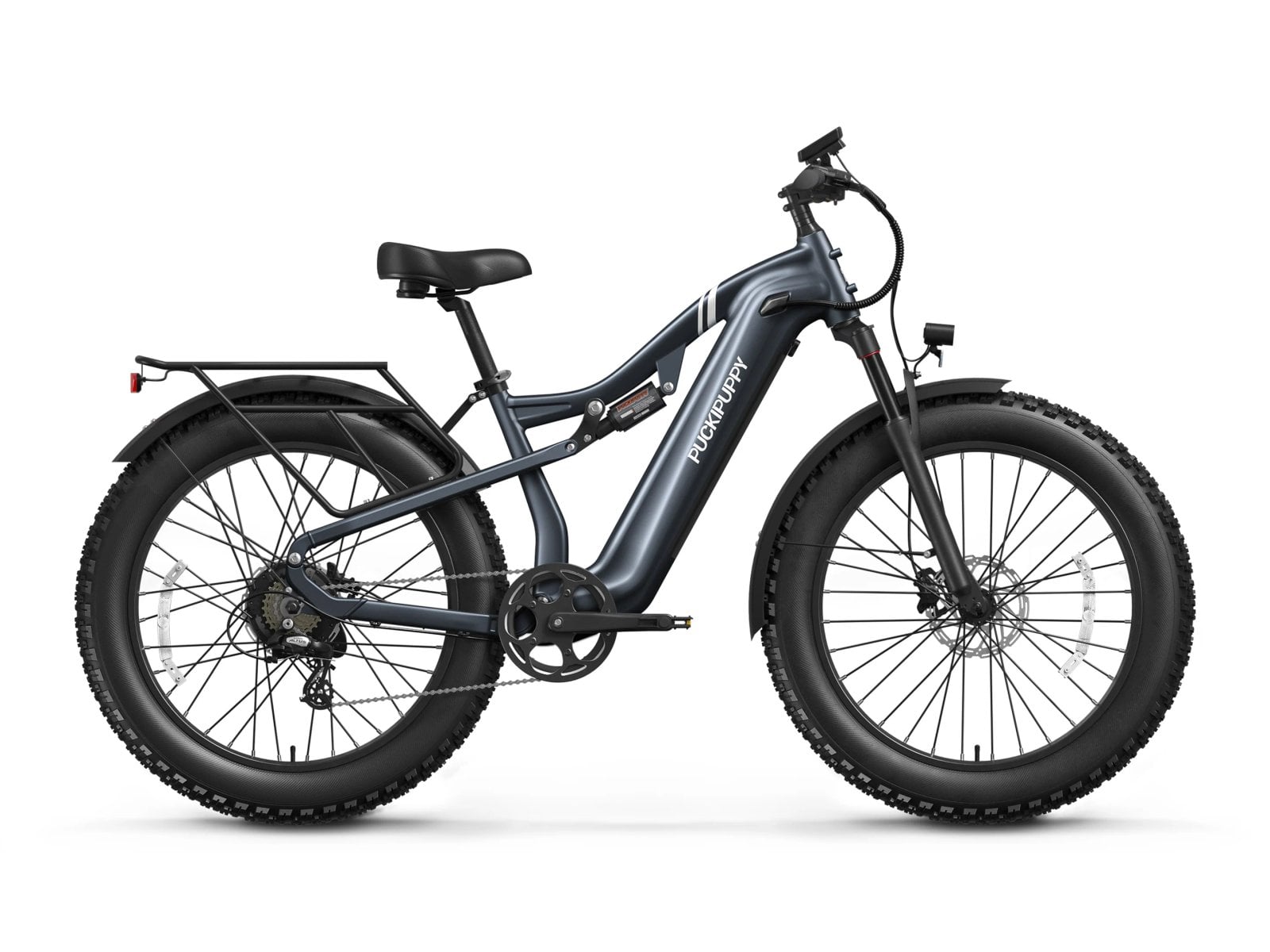
For a rider whose weekend routes mix hardpack, roots and gravel, suspension is a meaningful part of the proposition. It can take the edge off repeated surface changes, though no suspension setup substitutes for suitable tires, braking, control or a sensible pace. On the Labrador Pro page, ask what suspension components are fitted on the current version, whether they are adjustable, and what maintenance the manufacturer recommends. Those answers matter more than the broad label alone.
The torque sensor is another practical distinction. Riders who prefer assistance that builds with pedal pressure may find this approach more intuitive than a system that primarily keys off pedal rotation. It is not automatically the right feel for everyone: someone looking for simple low-effort starts may want to understand the Labrador Pro control setup the available assist modes and throttle configuration, if any, before committing. The product page is the place to confirm those controls rather than assume every version is alike.
The brand lists the Labrador Pro Ebike with a separate product page and buying flow. Review the selected size and color, read the shipping and return information, and confirm what arrives in the box. Accessories such as helmets, locks, lights or racks may be useful but should not be assumed included unless the current listing says so. Our route into the bike’s current details is the Labrador Pro product page.
Who should consider it
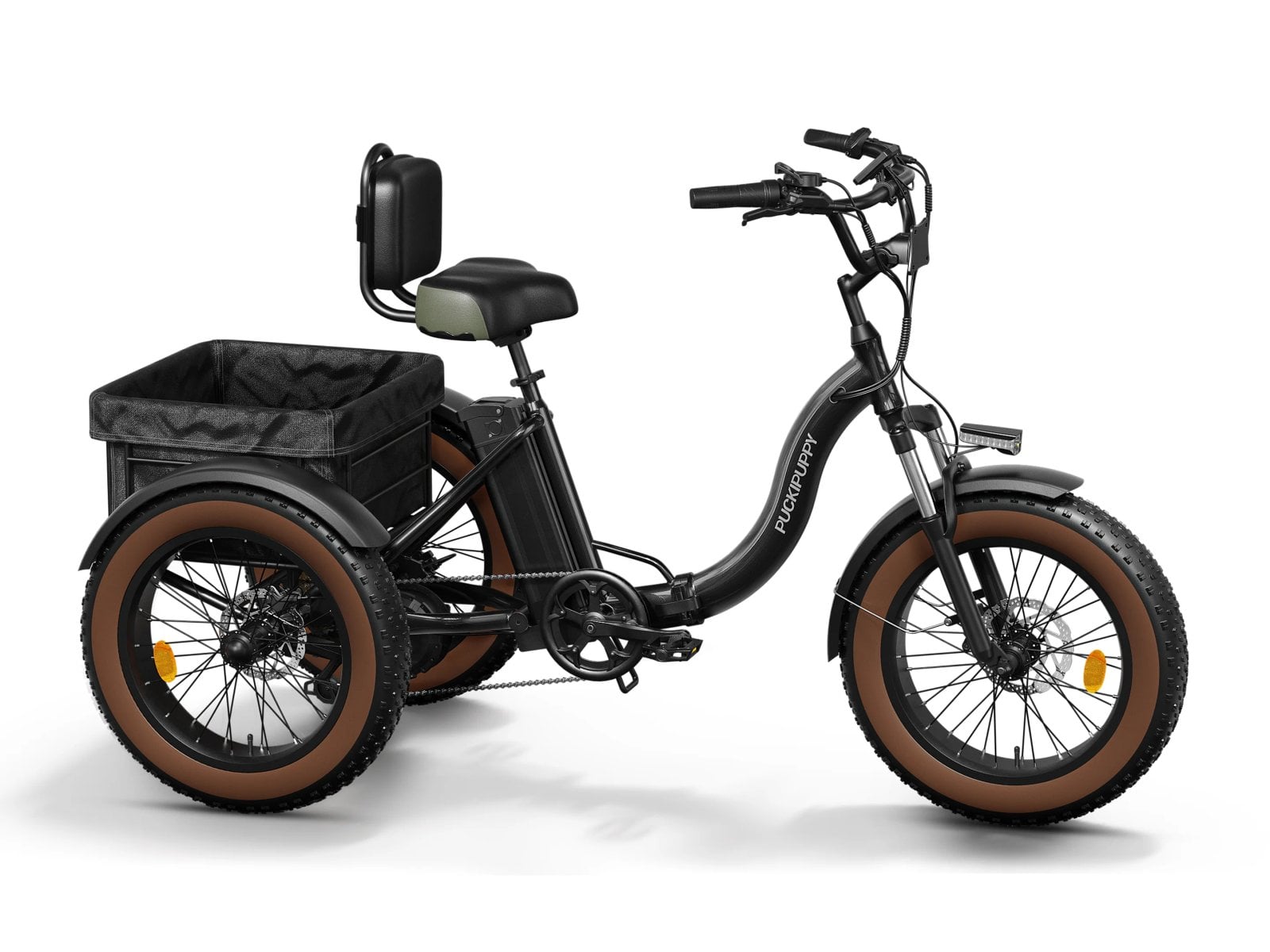
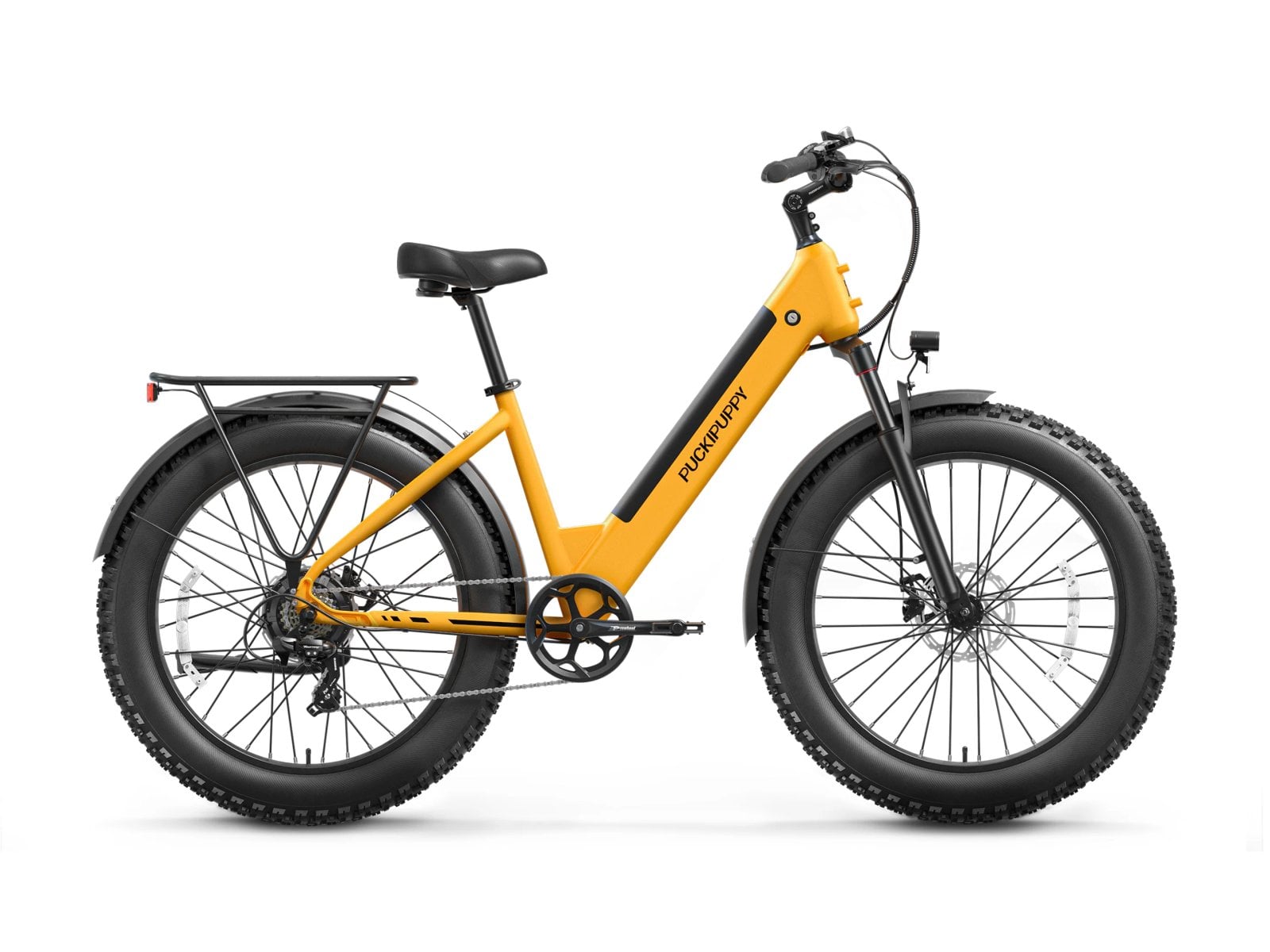
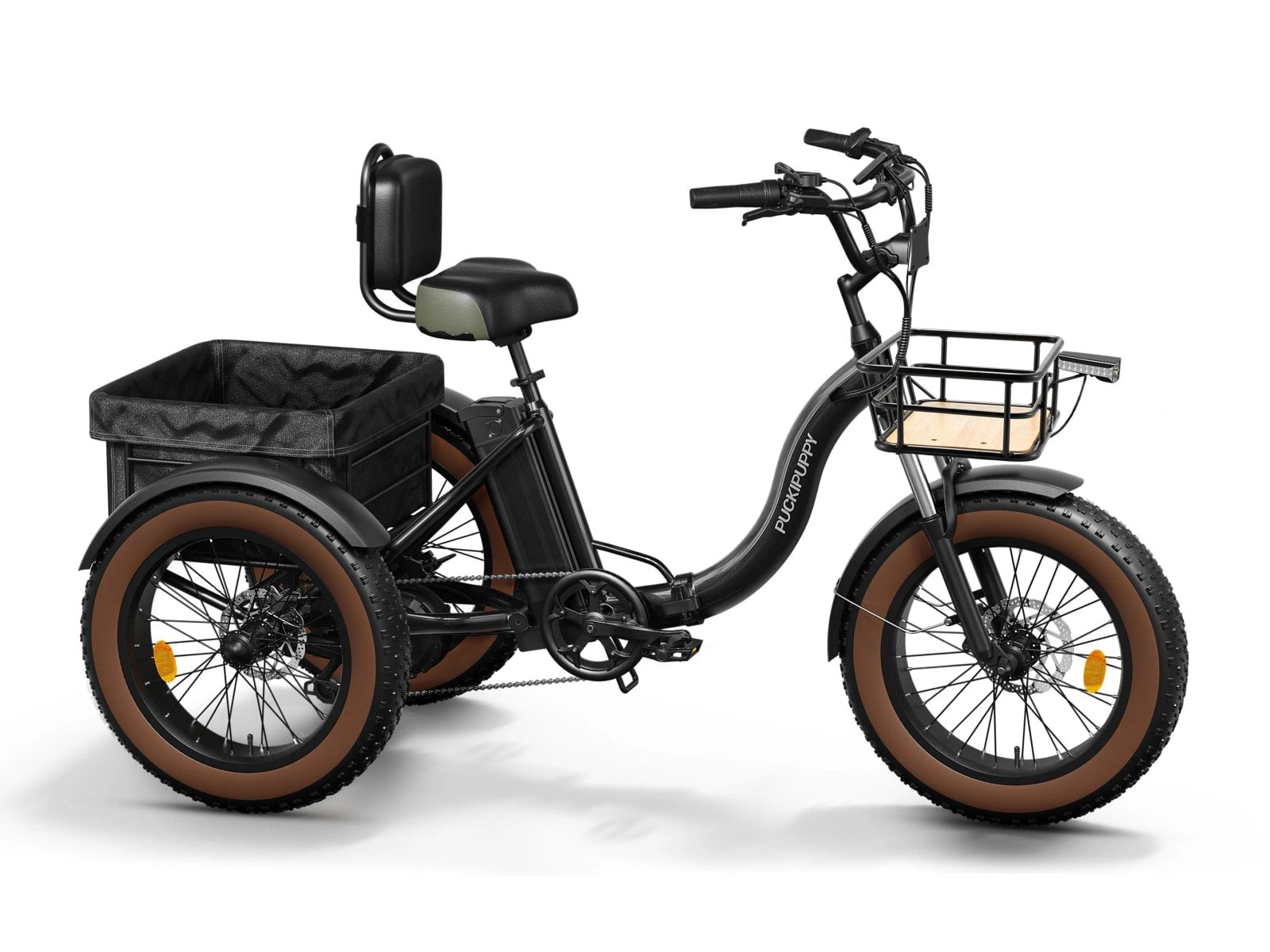
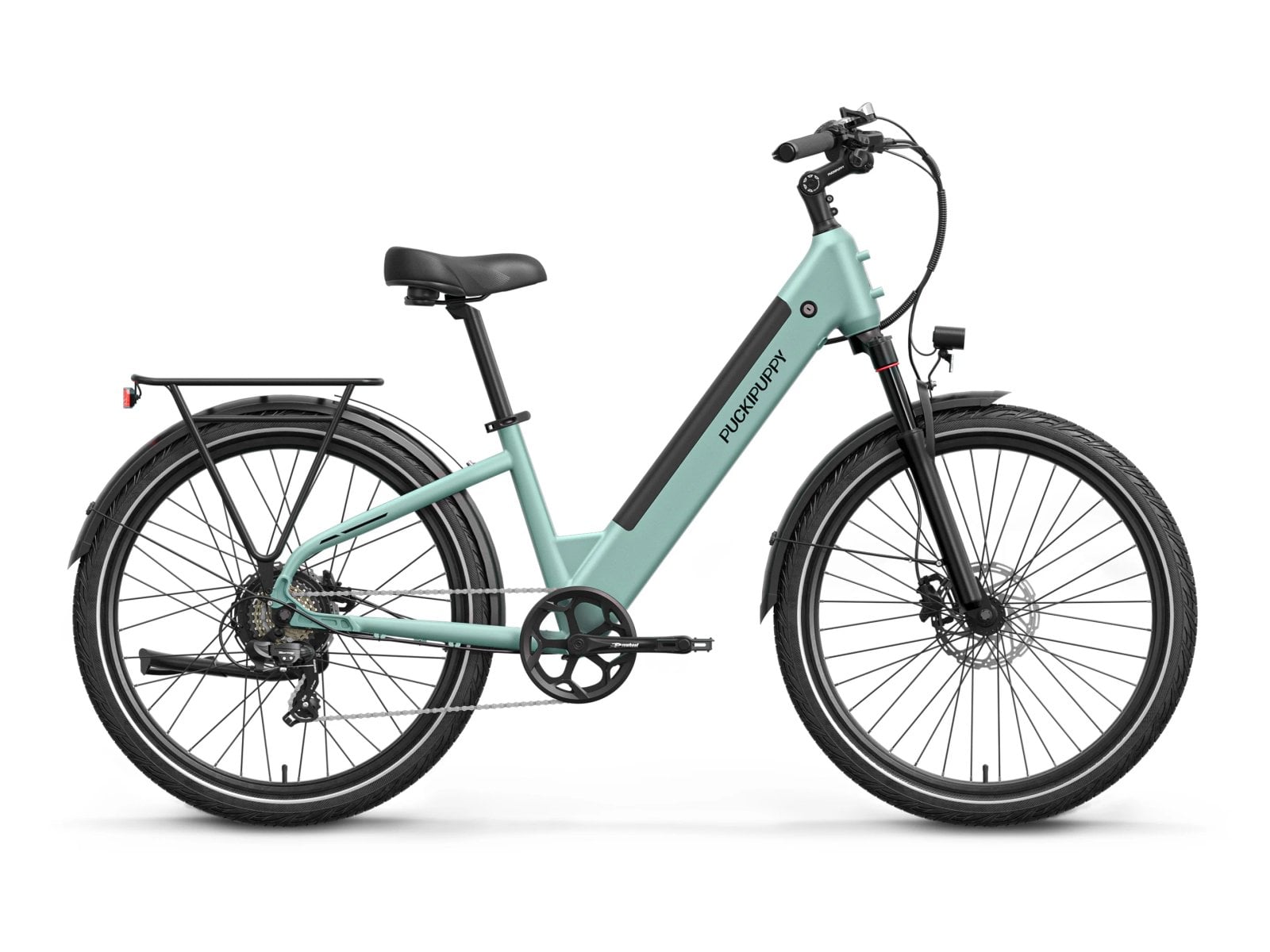
The Labrador Pro is most compelling for someone prioritizing uneven recreational routes over a light, simple city bike. Riders should be comfortable evaluating a larger, more feature-rich e-bike, checking fit carefully and maintaining suspension components. The catalog’s variety offers useful context: the step-through-oriented Samoyed Ebike points toward a different access and everyday-use priority, while the three-wheel Alaskan Etrike serves a distinct stability-focused format.
- Consider it if your regular routes include uneven surfaces and you want suspension as part of the setup.
- Compare alternatives if most of your miles are on smooth streets, where a simpler commuter design may suit the job better.
- Check the fit chart and frame dimensions if reach, stand-over clearance or storage space are concerns.
- Verify the motor class, controls and local rules before planning road or trail use.
The Samoyed and Alaskan are reference points, not close substitutes for the Labrador Pro’s off-road focus. A step-through frame can be appealing for easier mounting, while a three-wheel layout changes balance and handling in ways that should be considered for the intended route. Exploring these two listings helps clarify whether full suspension is actually the feature you need, or whether access and stability matter more.
The buying details to verify
An online bike purchase asks more of the buyer than choosing a color. The product page and policy pages should answer the practical questions before checkout. Since configurations can be updated, rely on the live US listing for the details attached to the version you select rather than a broad site description.
- Fit: compare the published rider-height guidance and frame geometry with your own measurements.
- Battery: confirm the exact battery configuration on the selected model and how it can be charged or removed.
- Delivery: check estimated dispatch, shipping coverage, delivery method and any assembly steps.
- Support: read warranty coverage, exclusions, return conditions and the process for replacement parts.
Puckipuppy provides separate shipping, returns, warranty and support information, so the store gives buyers places to check these terms. Read them before placing an order, especially for a bulky item that may need setup and ongoing service. Also check whether local bike shops can service the components you care about; that is a practical ownership question, not a promise made by the brand.
The checkout flow is an online direct-store purchase: choose the current model configuration, review cart details and shipping information, then follow the store’s payment steps. Check the final order summary for the precise variant and included equipment. Keep a copy of the policy terms and order confirmation, and contact support before purchase if a fit or component question is not answered on the page.
Where the Labrador Pro makes sense
- Full suspension is relevant to riders who regularly leave smooth pavement.
- The torque sensor and listed motor create a more performance-oriented specification than a basic utility bike.
- A stated range ceiling is useful context, but route planning needs a conservative real-world allowance.
Where a buyer should pause
- The off-road equipment may be unnecessary for predominantly smooth commutes.
- The listing’s range claim does not establish a guaranteed distance for an individual rider.
- Fit, exact configuration, local legality and service support need confirmation before checkout.
Is the Puckipuppy Labrador Pro right for your routes?
Our view from the product information is that the Labrador Pro is the Puckipuppy model to investigate when full suspension and off-road intent are priorities. The listed torque sensor and 750W motor make the specification easy to understand, and the brand’s range claim signals its long-distance positioning. We would shortlist it for mixed, rougher recreational routes, subject to confirming fit and current components.
The limitation is equally clear: published maximum range cannot tell you how far your own ride will go, and a suspension-led bike can be more than a smooth-road rider needs. Compare the Labrador Pro configuration with your route and local rules, then review shipping, returns and warranty terms before making the call. If that checklist fits, the Labrador Pro listing is the right place to confirm the current model details.
Puckipuppy Labrador Pro Review: Full-Suspension Features and Fit
