


We compare MUJI’s enclosed drawers, open wheeled shelf and small modular parts so you can match storage to the things you need to reach, hide or move.
Choosing storage is often less about finding another box and more about deciding what should stay visible, what needs a lid or drawer, and whether the unit will need to move. MUJI’s polypropylene range covers those different jobs, but its parts are not interchangeable in every way.
We reviewed the product information on MUJI’s UK store. The practical choice is between a stackable drawer for concealed storage, an open wheeled shelf for frequent access, or compatible add-ons for refining a drawer setup.
Some links in this article are affiliate links: if you make a purchase through them, we may receive a small commission.
The comparison below starts with the day-to-day job each format does best, then weighs the compromises that matter in a real room.
Highlights
- The MUJI Stackable Storage Drawer is the enclosed pick for folded clothes and household items; the listed size is 44 x 55 cm and 24 cm high.
- The MUJI 3 Tier Storage Shelf on Wheels keeps contents open and mobile, prioritising quick access over a visually tidy front.
- The MUJI PP Storage Drawer Connector Set of 2 helps join compatible drawers, but makes sense only if you are building a stack.
- Compared with soft fabric cubes, MUJI’s polypropylene pieces hold their shape and wipe clean, while fabric is easier to fold flat when unused.
How the formats differ in daily use
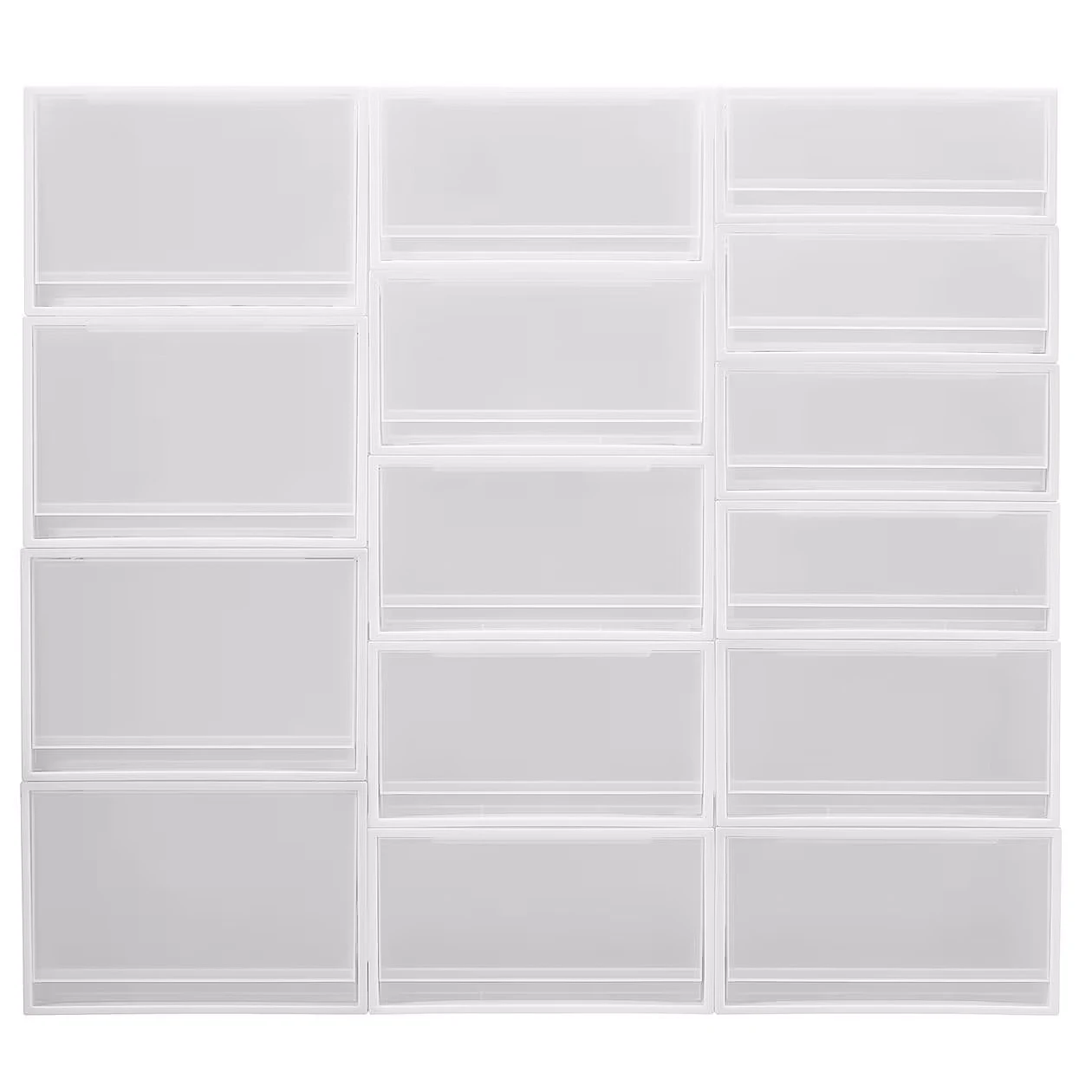
All three choices address a different friction point. A drawer hides its contents and creates a stackable footprint. A wheeled shelf trades concealment for access and movement. Connectors and organisers tune a drawer arrangement after you know what it needs to hold. That makes the right first purchase depend on your routine, not just the room.
MUJI’s product pages describe the drawer as polypropylene and list a footprint of 44 x 55 cm, with a height of 24 cm. Measure the place where it will sit, including the route through a doorway and any clearance needed to open it. A large drawer can take folded clothes, linens or household supplies, but the same depth may be awkward in a narrow wardrobe or beside a bed.
Typical fabric cubes are softer and often suit open shelving, casual sorting or temporary storage. They can be folded away and may cost less, but they do not provide a hard-sided drawer front. If the aim is to reduce visible clutter, the MUJI Stackable Storage Drawer has a clearer advantage; if you need something collapsible, a fabric cube is the more flexible alternative.
Before choosing a drawer, check three practical points:
For measurements and the listed configuration, compare the current drawer details with the space you have, and check whether a compatible connector set is relevant to your plan.
- Measure the full footprint and allow enough room to pull the drawer open.
- Think about the load: everyday clothing is different from dense books or tools.
- Confirm compatibility before adding parts, especially when combining older storage pieces.
1. Stackable Storage Drawer – best for hidden, planned storage
The drawer is the strongest all-round pick when you want items out of sight and intend to keep the unit in one place. Its dimensions make it a considered piece rather than a tiny desktop tray, so it suits wardrobes, utility rooms or a planned row of storage more readily than a cramped corner. The listed measurements help with planning, though they do not tell you how much usable interior space remains after the walls and drawer mechanism.
The stackable design supports a consistent arrangement, and the hard polypropylene shell offers more structure than fabric alternatives. For clothing, spare linens and craft materials, the enclosed format reduces visual noise. It is less useful when you need to identify contents at a glance; labels or a simple sorting system help avoid repeatedly opening drawers.
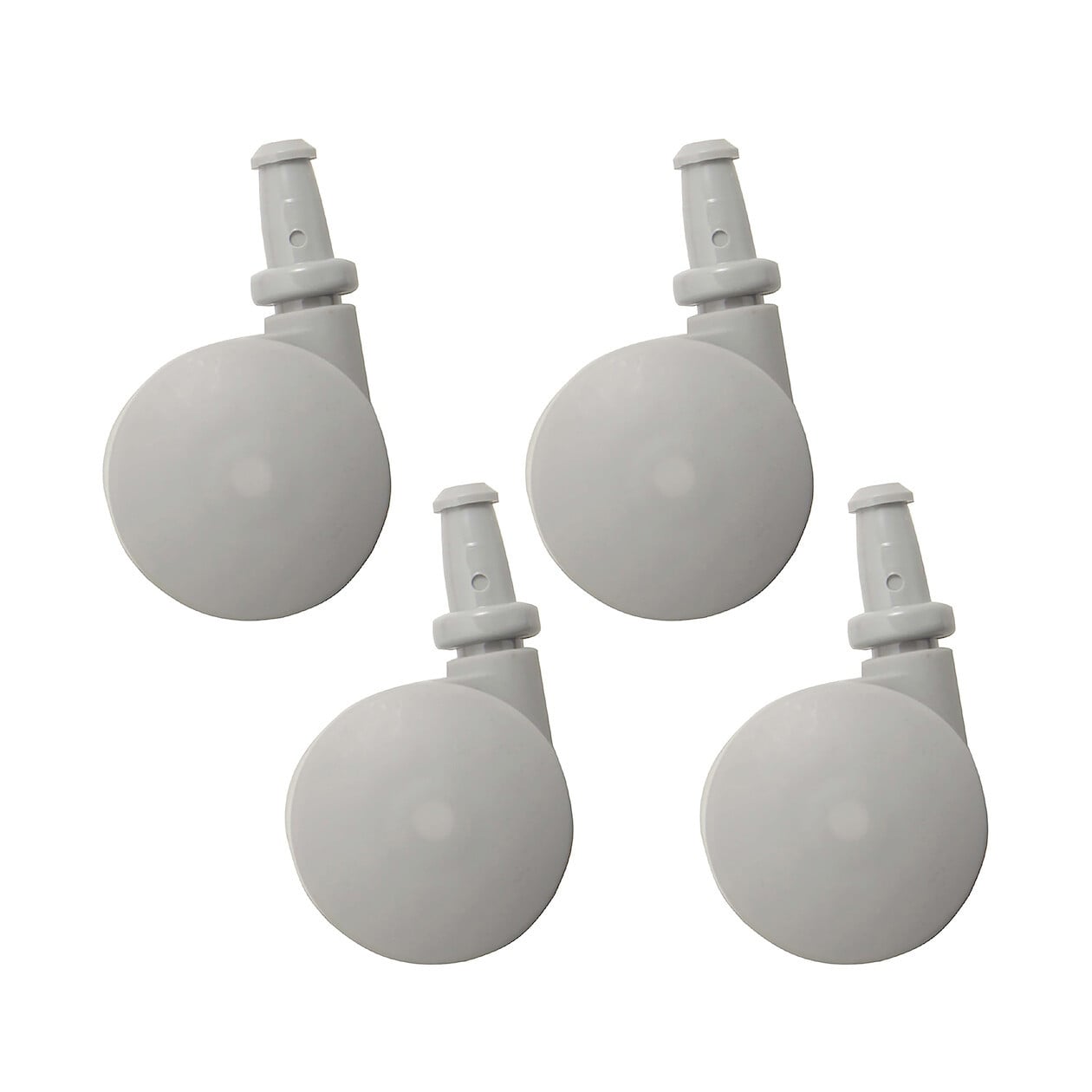
MUJI lists additional drawer parts separately. Its PP Storage Drawer Connector Set of 2 is intended for compatible units. We would treat the connector as a finishing piece, not a reason to buy drawers you have not measured. Check the store’s current compatibility notes and availability before planning a tall stack.
One honest limitation is that fixed dimensions can constrain later rearranging. A fabric cube can be squeezed into some shelves; a rigid drawer cannot. If you rent, move often or change rooms around, start with the dimensions and the path through your home rather than assuming modular means universally adaptable.
2. 3 Tier Storage Shelf on Wheels – best for reachable supplies
The wheeled shelf is the better fit for frequent access to supplies you reach throughout the day: cleaning products, art materials, pantry overflow or items used between rooms. Its three open tiers make contents visible, and wheels allow the unit to move when the floor is clear. The trade is equally clear: open shelves show everything, so a mix of packaging can make a room feel busy.
Compared with a drawer, this format reduces the small pause of opening and closing, but it asks for more visual order. Group similar items in baskets or keep only attractive, regularly used objects on display. For a home office or utility space, that easy reach may be more valuable than hiding every item.
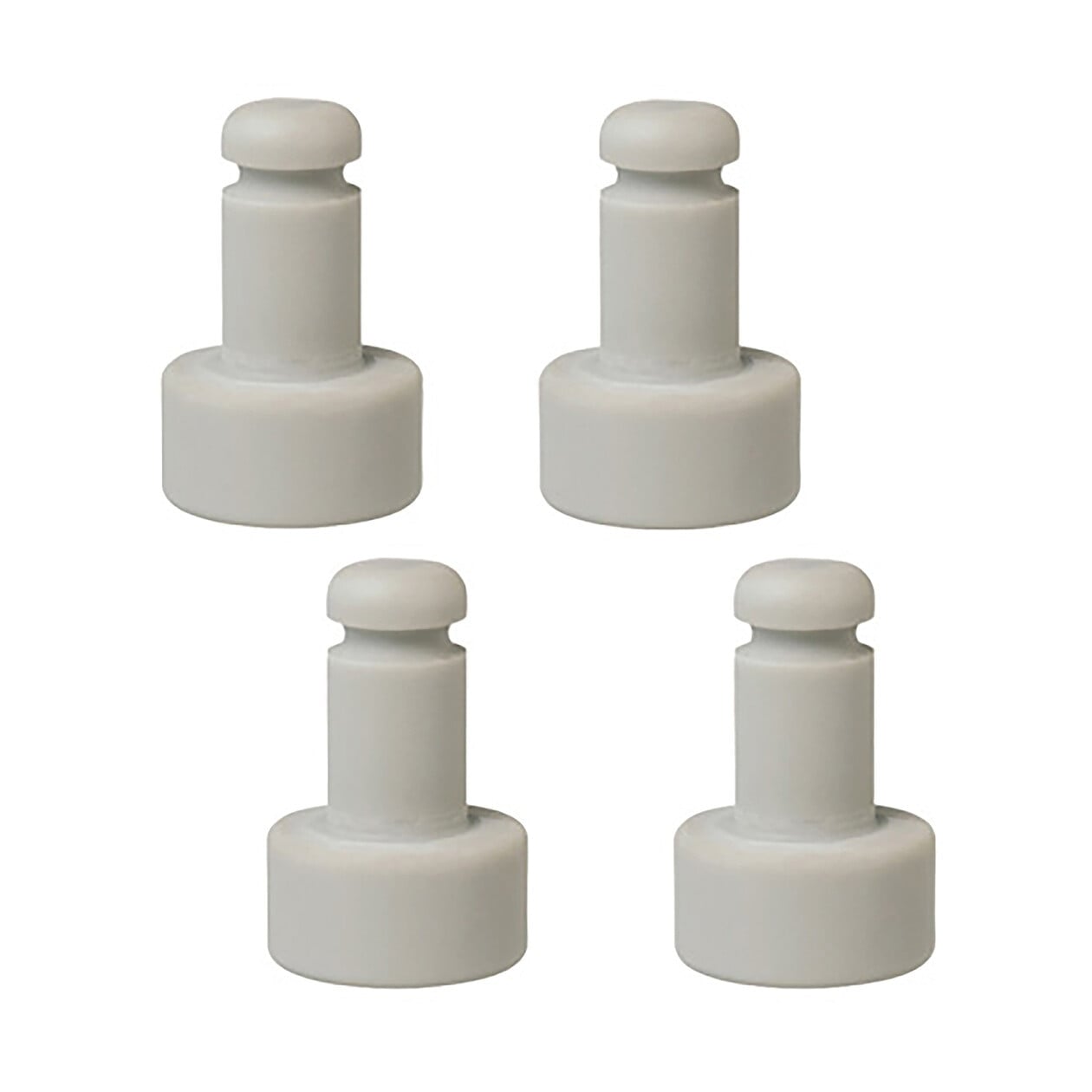
MUJI also lists polypropylene casters separately for some storage formats. The PP Casters Pack of 4 is a useful example of how mobility can be an add-on rather than a default. Confirm that a caster set suits the exact unit you own; wheels do not automatically make every drawer configuration safe or stable.
You can check the caster listing for the intended product and current fit notes, and compare it with the wheeled shelf details if you want a ready-made mobile format.
Take a moment to map the shelf’s route before choosing it. A wheeled unit is most helpful when it can actually pass between its storage spot and work area. Thresholds, rugs and tight turns may reduce the benefit. A fixed drawer stack wins when the contents should stay protected and the storage location is settled.
3. Drawer add-ons – best for a system you already own
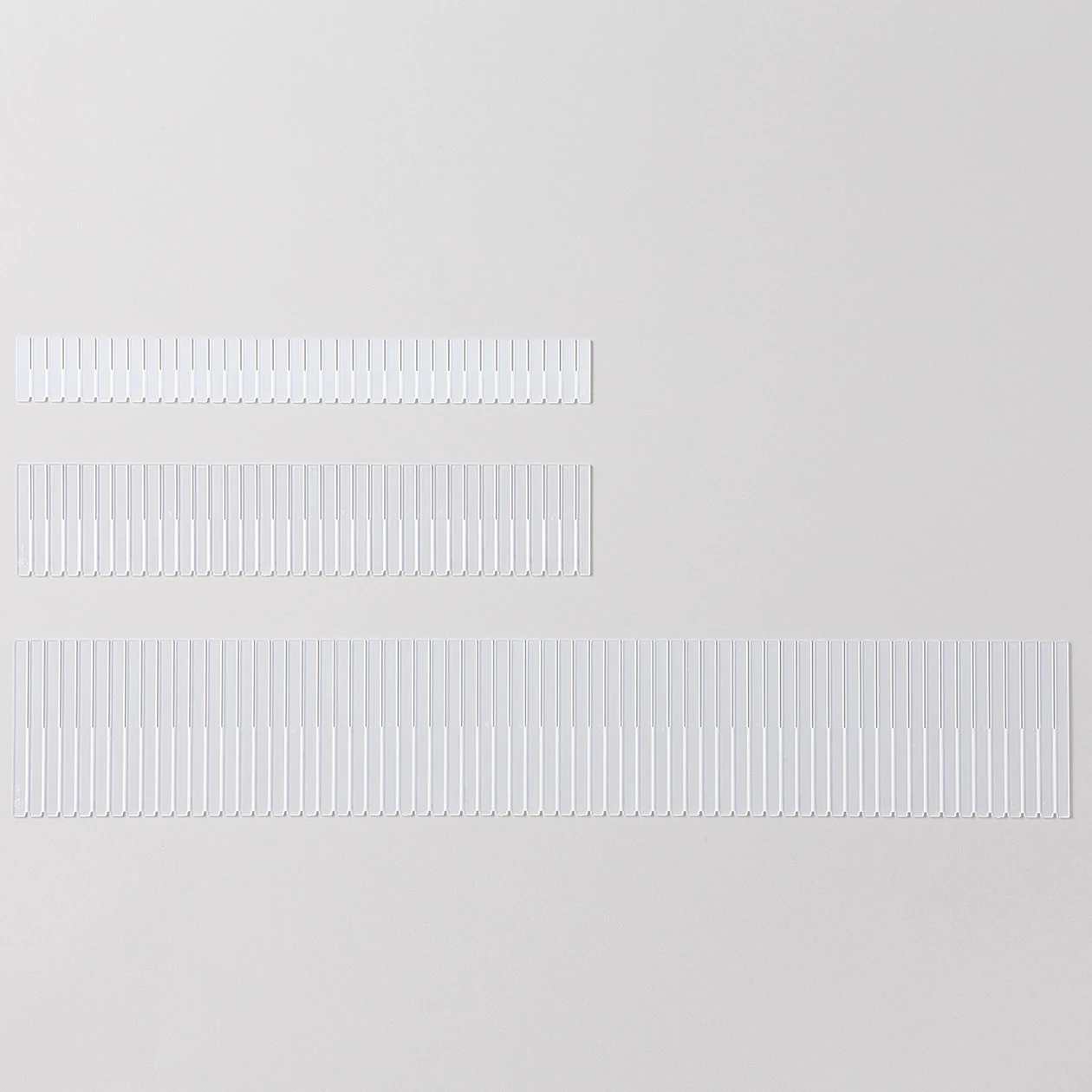
Connectors, partitions and stoppers solve smaller, specific problems. A connector can help keep compatible drawers aligned; a partition divides a drawer for small objects; rubber stoppers are relevant when the product listing specifies them. These pieces can make a working setup more orderly, but each is a poor standalone purchase if you do not already have a matching drawer or a concrete use for it.
Compared with buying a new organiser, a small insert can preserve the footprint you already use. That matters in a compact room where every extra container adds another dimension to fit. Generic dividers may suit a drawer from another brand better if its measurements differ, so compare the internal width and depth before assuming a MUJI accessory will fit.
For sewing supplies, cables, stationery or small household bits, first decide whether you want compartments to stay in place or to lift out. The MUJI connector set is about joining units, not dividing contents. A partition does the latter. The distinction sounds obvious, but it prevents buying an add-on that solves the neighbouring problem instead of yours.
Review the connector product page and the separate partition listing to check what each component is designed to do.
If you are choosing between an enclosed stack and a mobile open shelf, use the side-by-side table to check which compromise suits the room.
A quick match by routine
| Option | Best for | Main trade-off | Current store page |
|---|---|---|---|
| Stackable Storage Drawer | Clothes and supplies to conceal | Fixed footprint; measure first | View drawer |
| 3 Tier Storage Shelf on Wheels | Frequently used, visible supplies | Open contents need tidying | View shelf |
| Drawer connectors | Joining compatible drawer units | Useful only with the matching system | View connectors |
If flexibility is the priority, decide whether you mean mobility or rearrangeability. The wheeled shelf moves as one unit. Stackable drawers let you plan a vertical arrangement. Fabric cubes are easiest to collapse and repurpose. Those are different types of flexibility, and picking the one you will use is more valuable than choosing the most adaptable sounding description.
For a quick comparison, revisit the stackable drawer and three-tier shelf pages side by side; the product type makes the decision clearer than a general storage label.
Where MUJI storage earns its place
The useful side of the range
- Clear format choices separate concealed drawer storage from open, mobile shelving.
- Polypropylene offers a firm structure and a surface that is straightforward to wipe.
- Listed dimensions and compatible accessories make a planned system easier to assess before buying.
- Separate add-ons let existing owners address a specific storage annoyance without changing the whole arrangement.
The points to weigh first
- Rigid pieces need measuring and are less forgiving than collapsible fabric cubes.
- Open shelving keeps things reachable but puts visual order on display.
- Accessories depend on compatibility; check the current product page for fit.
- Modularity does not remove practical limits such as room width, door clearance or a safe load.
There is no universal winner against typical alternatives. A simple fabric cube can be better for a temporary setup, a low-cost shelf liner or a cupboard where a hard drawer will not fit. A lidded box may be preferable for seasonal items. MUJI’s advantage is a coherent set of rigid components, with its limits most apparent when the room is irregular or the need changes often.
To compare current options, begin with the product dimensions and whether the relevant parts are listed as compatible. The drawer page is the natural starting point for concealed storage; the wheeled shelf suits exposed supplies, and the connector set is for an existing compatible arrangement. The store may change its assortment, so check availability and details before settling a layout.
Which MUJI storage format should you choose?
Choose the Stackable Storage Drawer if you want a firm, enclosed place for clothes or household supplies and have measured the space. Choose the 3 Tier Storage Shelf on Wheels for items that need to stay visible and move with your routine. Add connectors or organisers when you already own compatible drawers and can name the problem they solve.
Our overall winner for a settled wardrobe or utility setup is the drawer, because concealment and stacking answer the most common storage need. Its limitation is a fixed footprint, while the open shelf will suit frequent access better and fabric cubes remain the easier option to fold away. Check the current product details on MUJI’s UK store before choosing.
