
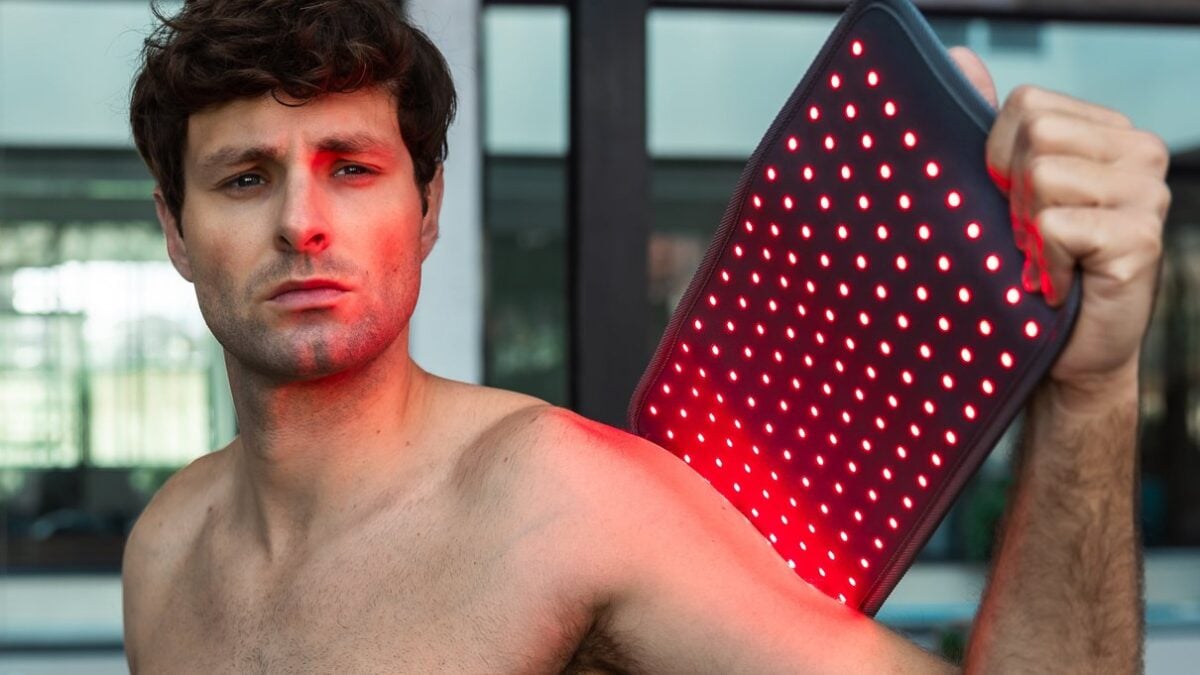

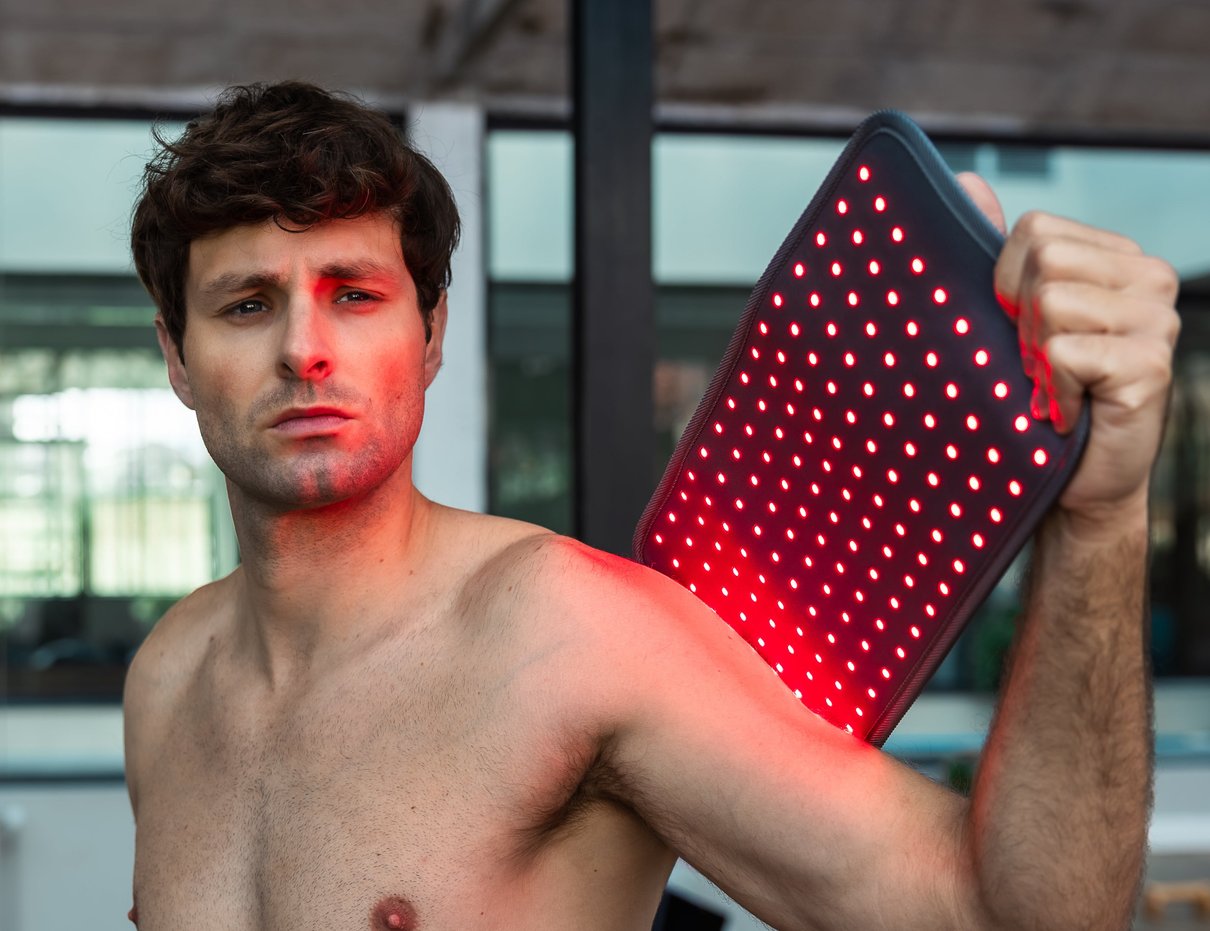
Start with the body area, session style, and portability you need, then match those priorities to a NOVAALAB LLC device format.
Choosing a home recovery device gets easier when the product format follows the routine you can actually maintain. A flexible pad, a wearable back wrap, and a handheld massager solve different planning problems, even when their descriptions all use the language of light and recovery.
We reviewed the current NOVAALAB LLC product information to build this guide around practical fit: where you want to use a device, whether you prefer hands-free sessions, and how much coverage you need at once. This is a product-page guide, so specifications below are the brand’s listed details rather than results from hands-on testing.
Before comparing features, write down the one area you expect to use most often and where the session will happen. That simple note helps separate an adaptable pad from a wearable format or a handheld tool. The right choice is usually the one whose setup feels compatible with an ordinary day, not the one with the longest feature list.
Some links in this article are affiliate links: if you make a purchase through them, we may receive a small commission.
Highlights
- The Novaa Light Pad for Deep Healing is the flexible option for users who want one device to position across several body areas.
- The cordless Novaa Back Pad focuses the design on the lower back, with light and eight vibration points in a wearable format.
- Novaa Pulse R suits a hands-on, one-muscle-group routine, pairing percussion with red and near-infrared light.
- Compare coverage, session setup, portability, included accessories, and current ownership terms before selecting a device.
1. Novaa Light Pad for Deep Healing – flexible placement
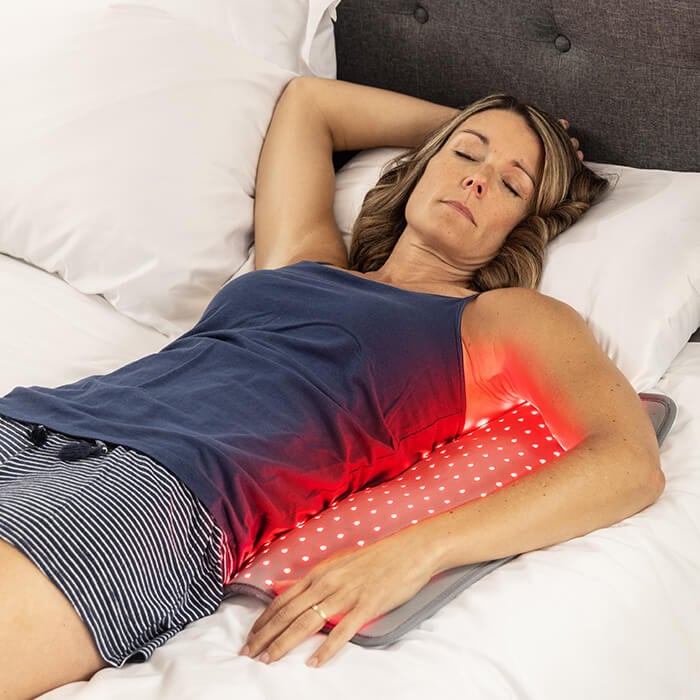
If your shortlist starts with versatility, the Novaa Light Pad for Deep Healing is the broadest starting point among these three formats. NOVAALAB LLC lists a flexible surface measuring 16.3 by 7.9 inches, with 660nm red and 850nm near-infrared light. The pad is designed to wrap around an area, and its remote offers adjustable intensity.
That combination makes the format worth considering when your intended use may shift between the back, knee, neck, or another joint area. Instead of buying a device shaped around one body part, you decide where to position a single pad session by session. Its listed 150 tri-chip LEDs combine two 850nm chips and one 660nm chip each; the product page also gives a contact output specification, which buyers can review alongside the full instructions.
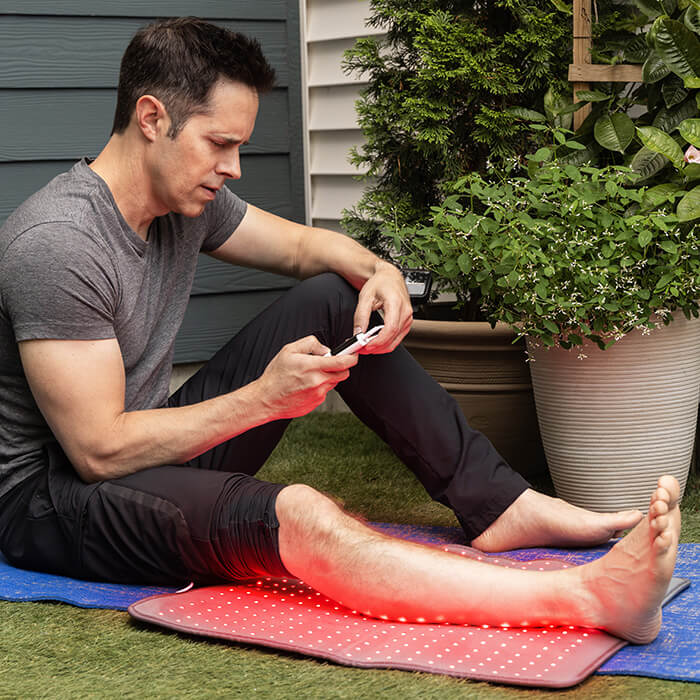
Think through the small logistics as well as the headline specs. Will the pad stay in one room, or do you expect to move it between rooms? Is there a comfortable place to lie or sit while it is positioned? The product page describes 20-minute sessions, so consider whether that block fits your routine. A multi-area design can be useful, but it asks you to handle placement and keep the pad accessible.
The Light Pad for Deep Healing is the most natural candidate if flexibility matters more than a hands-free wrap. Check the current page for what comes in the package, operating instructions, shipping terms, and warranty details; these are practical ownership factors, not minor footnotes.
2. Novaa Back Pad – a hands-free lower-back setup
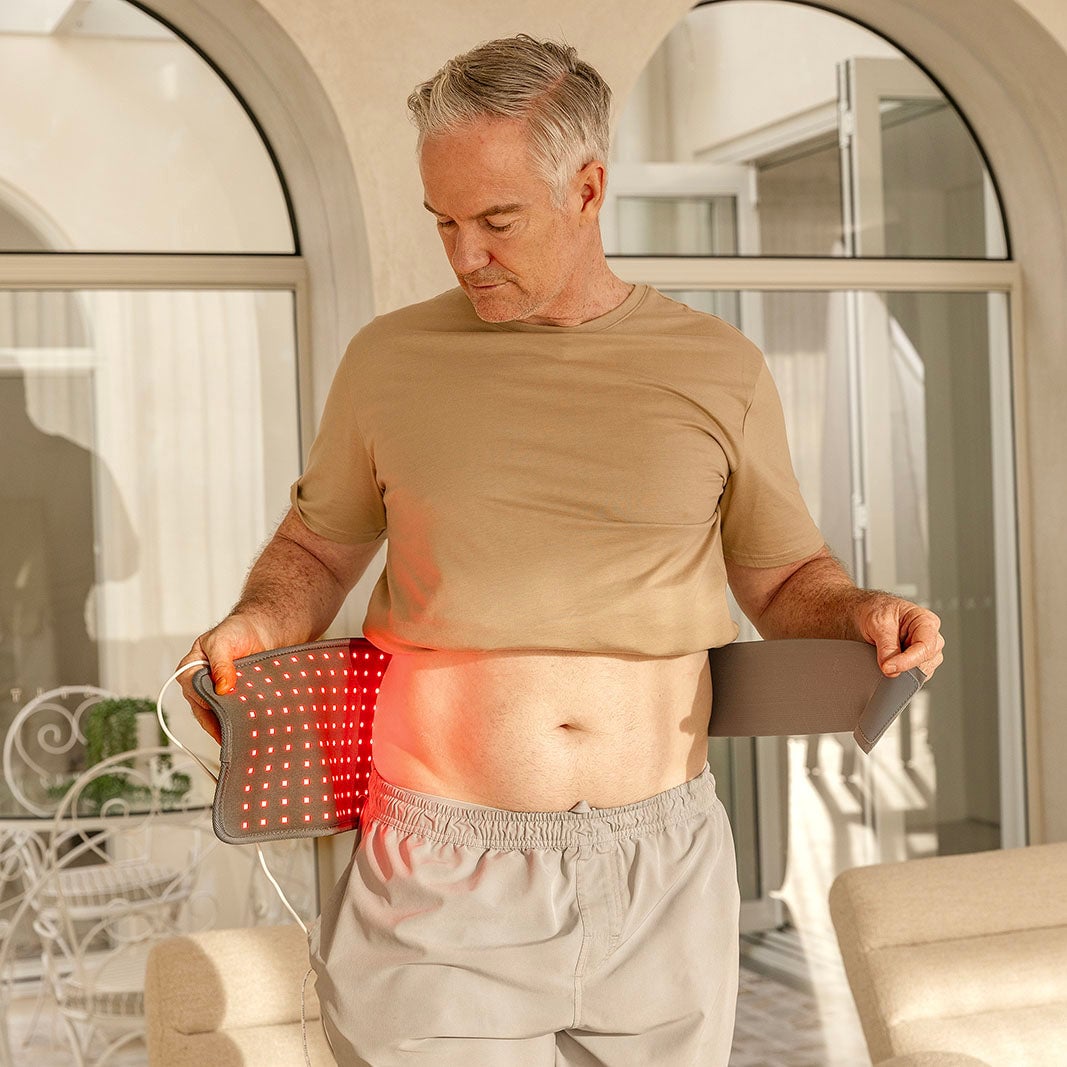
For a routine centered on the lumbar area, the Novaa Back Pad makes the choice more specific. The store describes it as cordless and wearable, with 80 LEDs using red and near-infrared light plus eight vibration points. That form is intended to wrap around the back for use while sitting or resting at home.
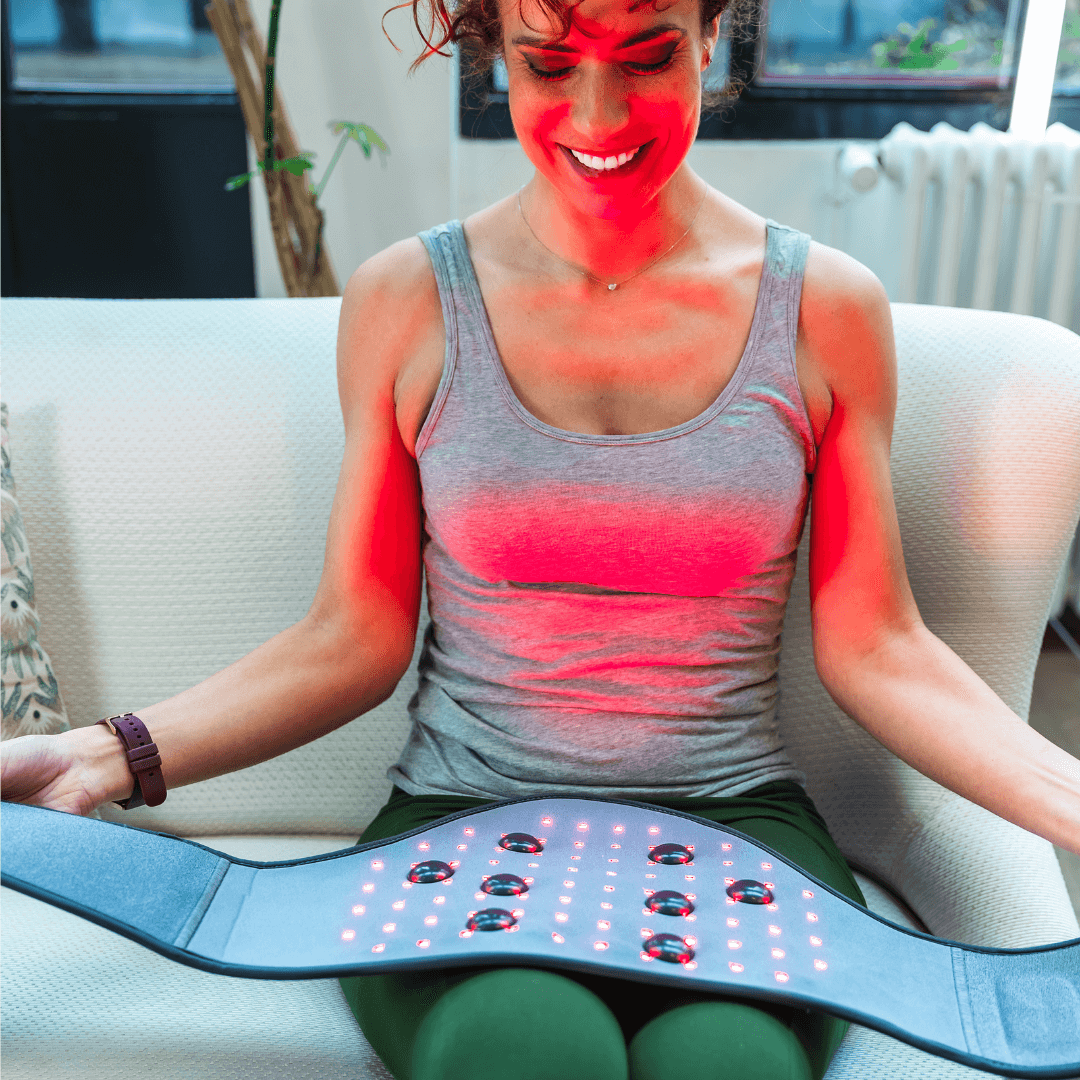
Ask whether lower-back use is truly the priority. A dedicated shape may save setup steps when the target area is consistent, while it may be less adaptable if you expect to use one device on a shoulder or knee. The vibration function also adds a modality to consider; if you want light only, compare the controls and session options on the product page before deciding.
Portability is another point to verify. Cordless operation sounds convenient, but check the current listing for charging details, controls, included accessories, and care instructions. The Back Pad can make sense when hands-free placement is central to your plan; it is a less obvious pick when your intended routine changes body area often.
3. Novaa Pulse R – handheld sessions for one muscle group
The Novaa Pulse R changes the session entirely. It is a handheld percussion massager with a red and near-infrared light head, rather than a pad that stays positioned on a broad area. NOVAALAB LLC lists 30 speed levels, a 1,200 to 3,200 rpm range, 32 LEDs, USB charging, and a weight of two pounds.
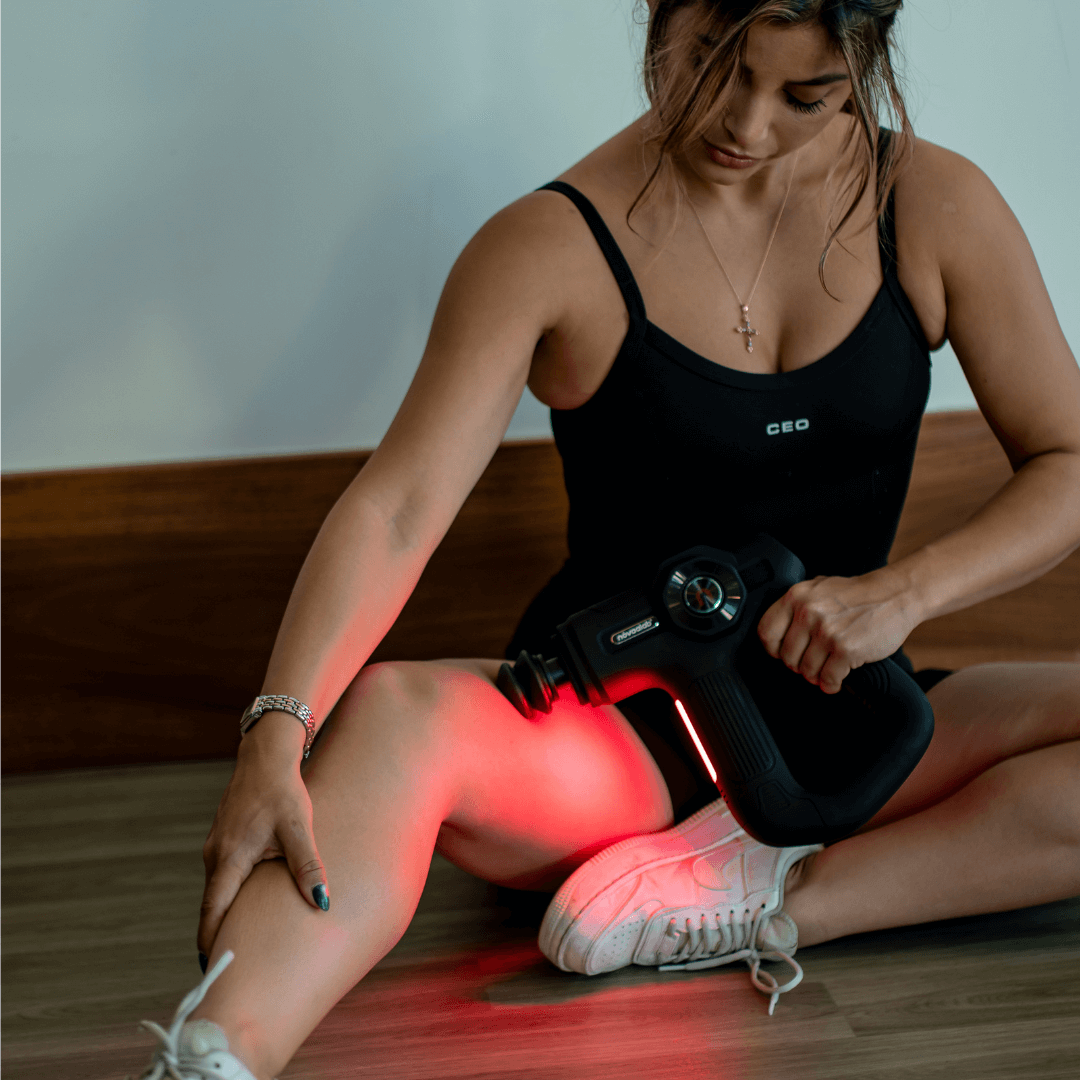
Choose this format if active use is appealing: you hold and guide it over one muscle group at a time. The tradeoff is that the session is less hands-free than either pad. Consider grip comfort, where you can reach without strain, storage, charging, and whether a ten-minute session fits the time you can set aside. Its listed session length can be a useful planning cue, though your own use should follow the store’s instructions.
Unlike a wrap or flexible light pad, the Pulse R has a moving head and percussion levels to navigate. Review the included heads and safety guidance on the product page, then decide whether the dual-function concept simplifies your routine or adds controls you do not need. Buyers who mainly want broad stationary coverage may find a pad format easier to plan around.
Put the formats side by side
A short comparison can clarify what each product asks of you day to day. The rows below focus on listed design and practical setup, not on a claim that one device produces better outcomes. Use the links to open each product’s own listing and check the current details.
| Format | Best fit to consider | Listed detail | Main planning question |
|---|---|---|---|
| Light Pad | Several body areas | Flexible 16.3 x 7.9 inch surface; remote intensity control | Will you reposition it comfortably? |
| Back Pad | Regular lower-back sessions | Cordless wearable design; eight vibration points | Is back-specific placement right for you? |
| Pulse R | Hands-on muscle work | 30 speed levels; two-pound handheld unit | Do you want to guide the tool yourself? |
These are different approaches, not a simple ladder from basic to advanced. A person who wants one adaptable device may prefer the Light Pad; someone who wants a wearable format around the lower back may gravitate to the Back Pad. The Pulse R belongs on the shortlist when active percussion is part of the desired session.
A buying sequence that keeps the choice practical
Use this quick sequence before opening checkout. It helps turn a broad category into a focused decision, and it keeps the product features in context.
- Name the area. Choose the body area you expect to address most often, rather than trying to solve every possible need with one purchase.
- Pick the session style. Decide between positioning a flexible pad, wearing a back-focused device, or guiding a handheld massager yourself.
- Check the routine. Compare the session length and setup described on the listing with the time and space you can reliably set aside.
- Review ownership details. Confirm included components, charging or remote requirements, care instructions, shipping, trial, and warranty terms on the current store page.
- Check price at the source. Device size, format, and package contents can affect the current listed price; open the exact product page before making a budget decision.
For example, the Light Pad emphasizes adaptability, while the Back Pad emphasizes wearable lower-back placement. The Pulse R brings percussion and light into a handheld format. Comparing those distinctions is more useful than treating all three as interchangeable red-light products.
Where the shortlist is strong
- Distinct form factors make it possible to compare flexible, wearable, and handheld routines.
- The Light Pad listing supplies concrete surface dimensions, wavelengths, remote control, and session guidance.
- The Back Pad combines cordless wear with a defined lower-back focus.
- Pulse R lists speed settings and light specifications for shoppers who prefer active use.
What deserves a closer check
- Product pages describe features; they do not establish that every buyer will experience the same result.
- A flexible pad still requires positioning, while a wearable or handheld shape can limit where or how you use it.
- Current pricing, package contents, return conditions, shipping, and warranty terms should be confirmed on the exact listing.
- For pain or a health condition, use professional guidance to decide whether a device is appropriate for you.
Questions to settle before choosing
Can one pad cover more than one body area? The Light Pad listing describes a flexible surface intended for several areas, but placement and fit depend on the body area and instructions. Review the dimensions and operating guidance before choosing it for multiple uses.
Which option is easiest to move around? The Back Pad is listed as cordless; the Pulse R is rechargeable over USB and weighs two pounds. Confirm charging and carrying details on the current listings. The flexible pad offers a different kind of adaptability because it can be repositioned, but it is not the same as a wearable cordless format.
What should I verify before checkout? Check the current price, package contents, session directions, shipping, trial terms, warranty, and care requirements on the exact product page. Those details can change, so use the store listing as the source of record.
Which NOVAALAB LLC format fits the routine you can keep?
For a first shortlist, we would start with the area and session style: choose the Novaa Light Pad for Deep Healing when flexible placement across more than one body area is the priority, the Novaa Back Pad when a wearable lower-back setup is the point, or Novaa Pulse R when handheld percussion suits your plan. The limitation is that product descriptions cannot tell you which format will feel comfortable or fit your individual needs.
Before deciding, check the exact listing for current price, package contents, operating guidance, and ownership terms. That final pass keeps the recommendation grounded in what the store currently says and helps ensure the device’s format matches the routine you intended.
