

Compare NOVAALAB LLC’s handheld, flexible-pad and wearable formats by coverage, setup and the kind of routine each one makes practical.
Choosing a home light therapy device is less about finding one universal winner than matching the physical format to the area you want to cover. A handheld device can move from place to place; a pad gives a larger contact surface; a wearable boot holds its position around the foot. Those distinctions shape effort as much as the product specifications do.
We reviewed the United States store’s product information for the NOVAALAB LLC devices below. The store describes red and near-infrared light in its range, but product-page claims are not a substitute for clinical advice, and device descriptions alone cannot establish a treatment result. The comparison here is about design, coverage and practical fit.
Some links in this article are affiliate links: if you make a purchase through them, we may receive a small commission.
Highlights
- Novaa Light Switch suits directed placement when the target area changes, with the compromise of manual handling.
- Novaa Light Pad is the flexible middle ground for broader contact, though it still needs positioning and its listed power arrangement.
- Novaa Light Boot makes the most sense when the foot and ankle are the priority and a wearable enclosure is welcome.
- A general-purpose panel can cover a wider field, but it usually asks for more room and careful attention to the manufacturer’s placement guidance.
- The winner depends on the target area and repeatable setup; verify current specifications and included accessories on the store pages.
Compare by area, effort and flexibility
These choices sit within one brand, but they solve different placement problems. A handheld light is adaptable, a pad is laid against a selected area and a boot creates a more fixed fit. Looking first at the routine you can repeat makes the comparison clearer than starting with broad wellness language. The table summarizes the practical differences, including a typical panel alternative.
| Option | Coverage and setup | Best fit | Trade-off |
|---|---|---|---|
| Novaa Light Switch | Handheld, directed placement | Small or changing areas | Requires repositioning and holding |
| Novaa Light Pad | Flexible pad over a broader area | Home use across several body areas | Needs placement and power planning |
| Novaa Light Boot | Wearable foot-and-ankle enclosure | Repeat sessions focused on feet | Specialized coverage limits versatility |
| General-purpose LED panel | Broad-area exposure from a stand or mount | People wanting more open coverage | Space, distance and eye protection matter |
For context, larger panel-style lights often aim to expose a broad area without a wearable form. That can be attractive if the goal is a more open setup, but the room footprint, stand or mount and consistent distance become part of the decision. A NOVAALAB LLC handheld or wearable device is easier to store than a standing panel in many setups, while concentrating coverage around a smaller zone.
The products are not interchangeable just because their descriptions mention similar light types. Match the device to the intended area, read the product’s full specifications, and consider any health questions with a qualified professional. We would not treat marketing language such as recovery support as proof that a device will address an individual’s condition.
1. Novaa Light Switch – best for changing target areas
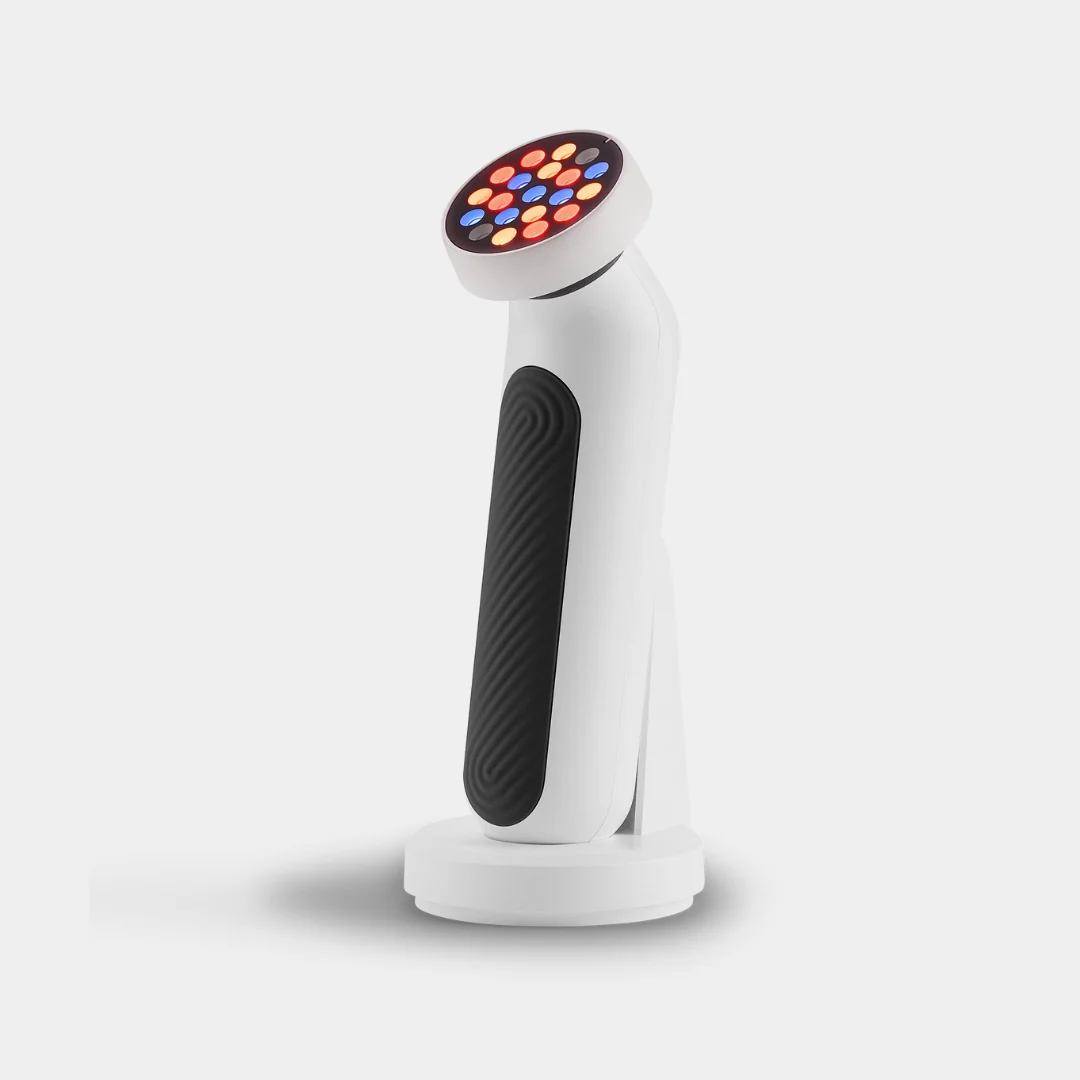
The Novaa Light Switch is the most flexible of these three formats in terms of where it can be aimed. Its handheld design makes it easier to direct toward a small area or move between areas than a fixed wearable. The store’s product page is the place to verify its current included components and technical details; those can matter to the total setup as much as the device body.
Compared with a light panel, the Switch is compact and does not require a stand or dedicated floor space. Compared with a pad, it asks for more active positioning. That makes it a reasonable fit for someone who values adjustability and expects to move the device during a routine. It is less convincing if the aim is to cover a broad surface at once or keep both hands free.
The practical question is whether holding and repositioning it feels manageable as a repeated task. A buyer comparing it with a panel should also ask whether a localized treatment area is actually preferable to a larger area of exposure. See the Novaa Light Switch product details for the exact device configuration and usage information before making that call.
2. Novaa Light Pad – best for a flexible contact surface
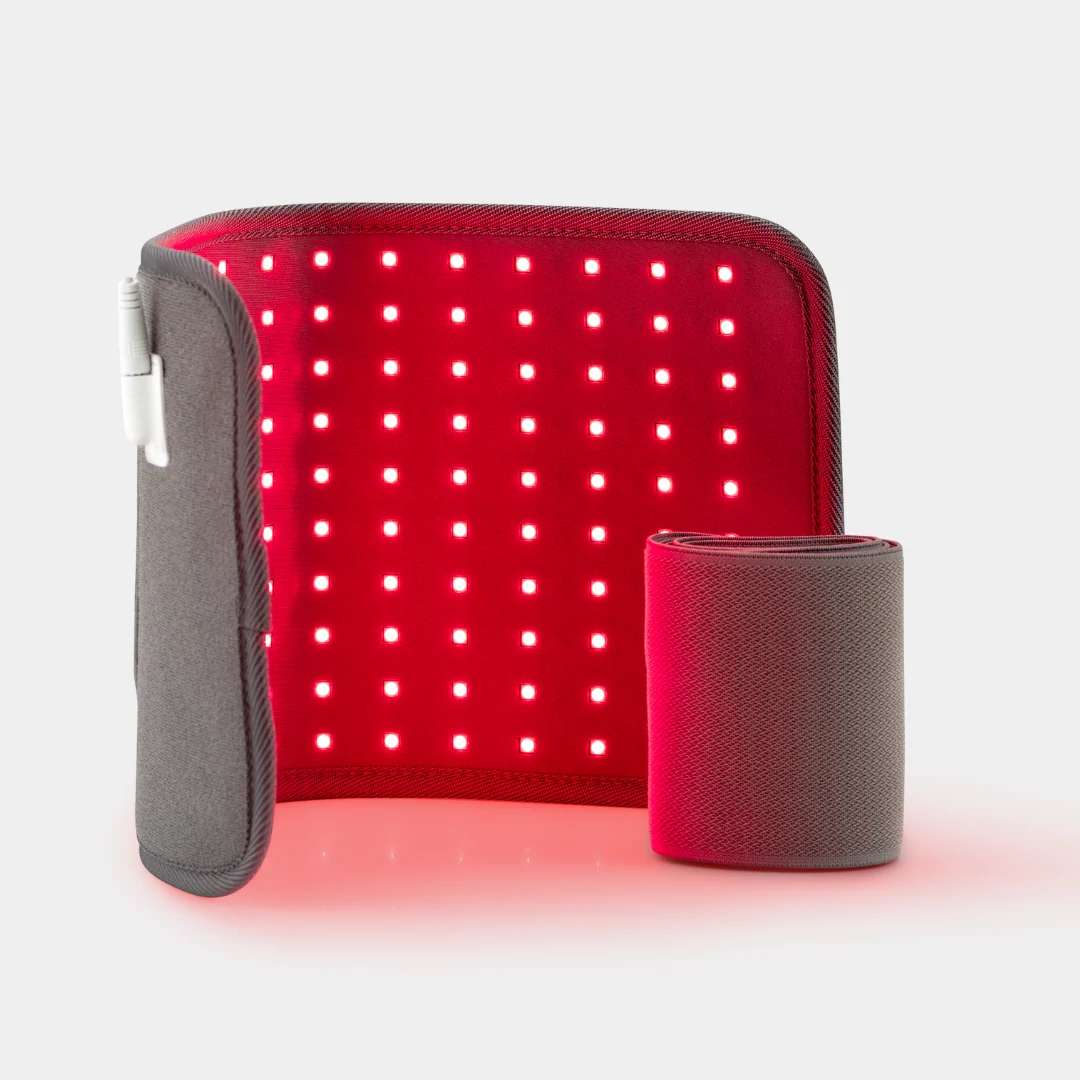
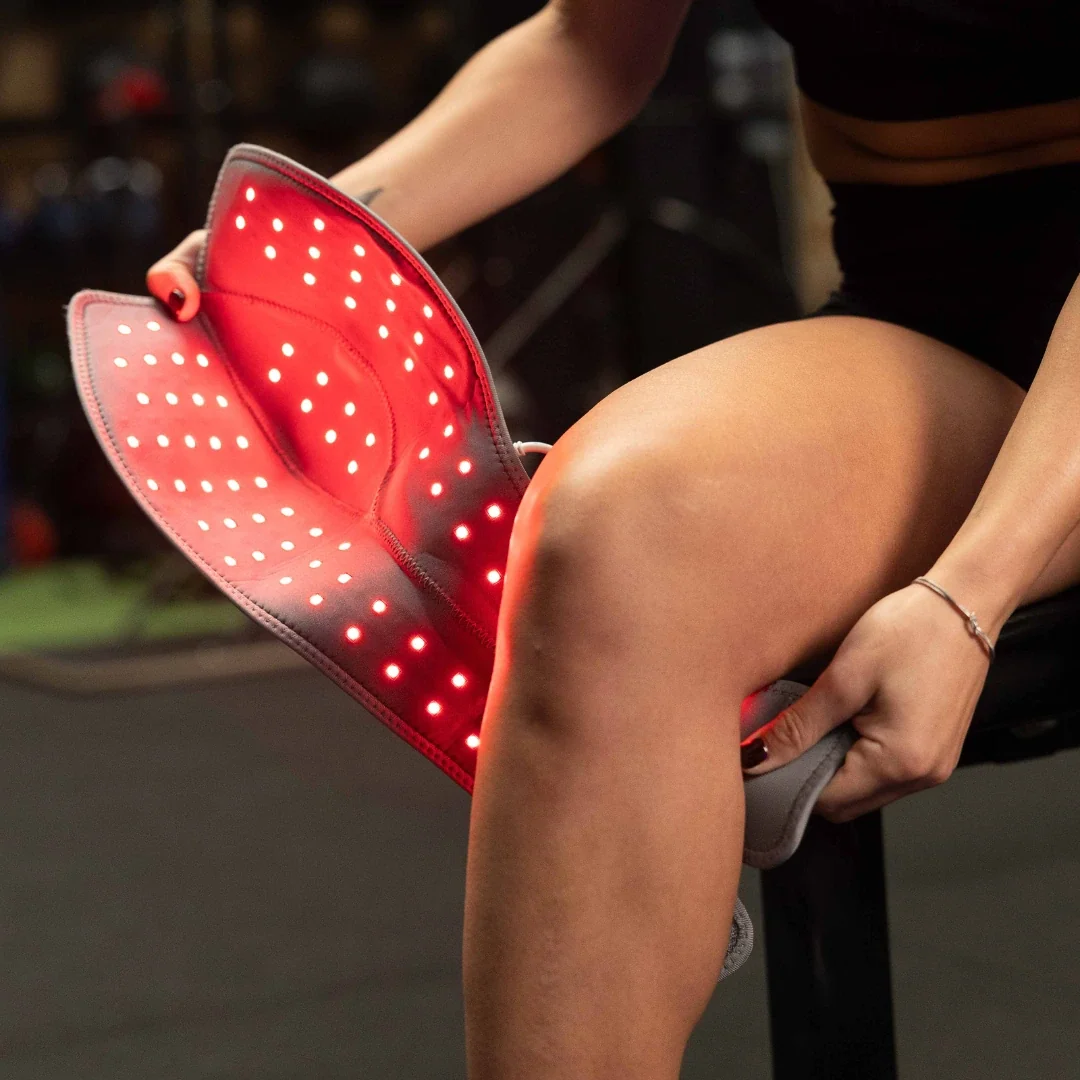
The Novaa Light Pad occupies the middle ground: it spreads the light source across a flexible surface that can be positioned against different areas. The product page describes the pad’s intended use and power arrangement; check those details for the specific version, since the catalog includes multiple pad listings and sizes. This is more useful for comparing than assuming all pads share the same footprint or accessories.
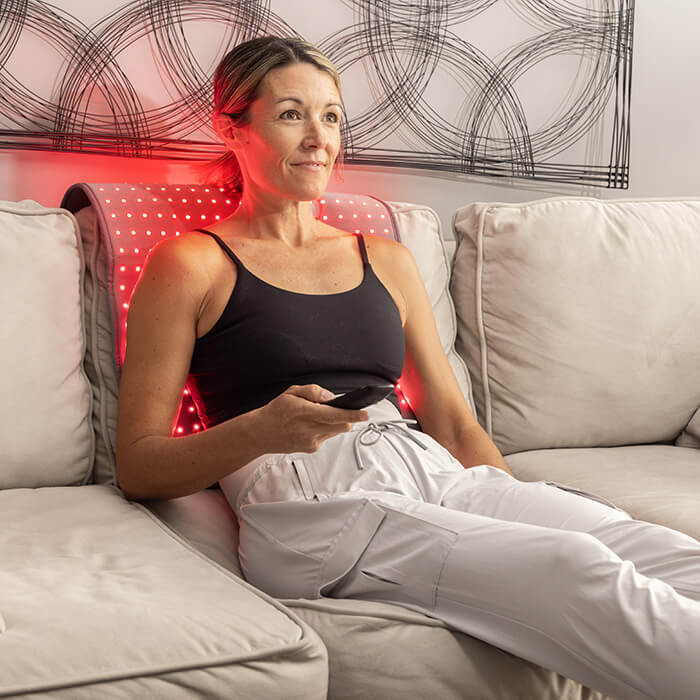
Against the Switch, the pad offers more surface coverage without requiring the user to sweep a handheld unit across the area. Against a panel, it is more local and can be placed directly where needed rather than illuminating from a stand-off position. The trade-off is that it still needs to be arranged for each session, and a mains-powered configuration is less mobile than a cordless wearable.
For a household routine that may involve different body areas, flexibility is a meaningful advantage. It is not a substitute for an all-over panel when broad exposure is the priority, and it may be more equipment than necessary for one small spot. Compare the current dimensions, controls and power options on the Novaa Light Pad page before shortlisting it.
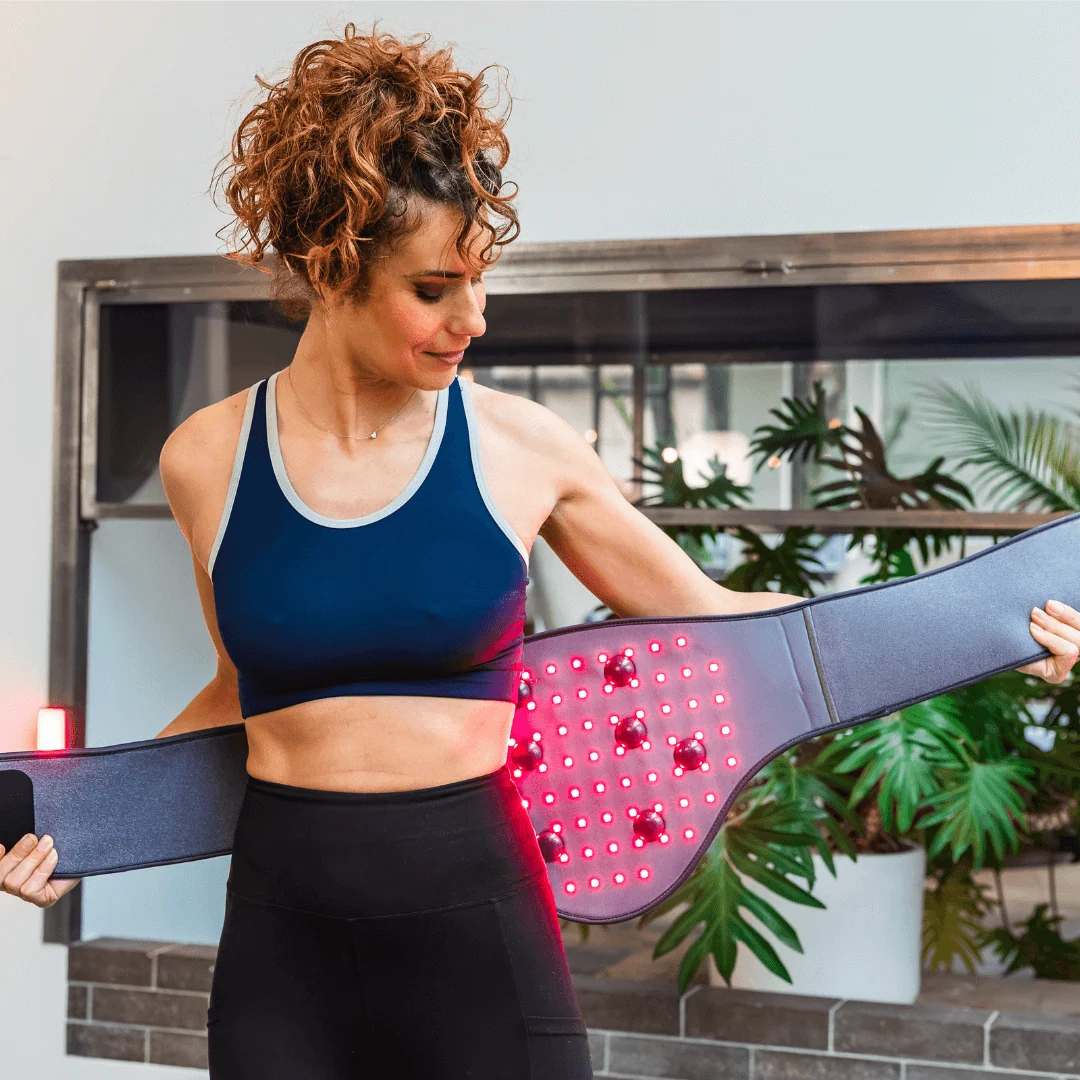
3. Novaa Light Boot – best for repeated foot-and-ankle sessions
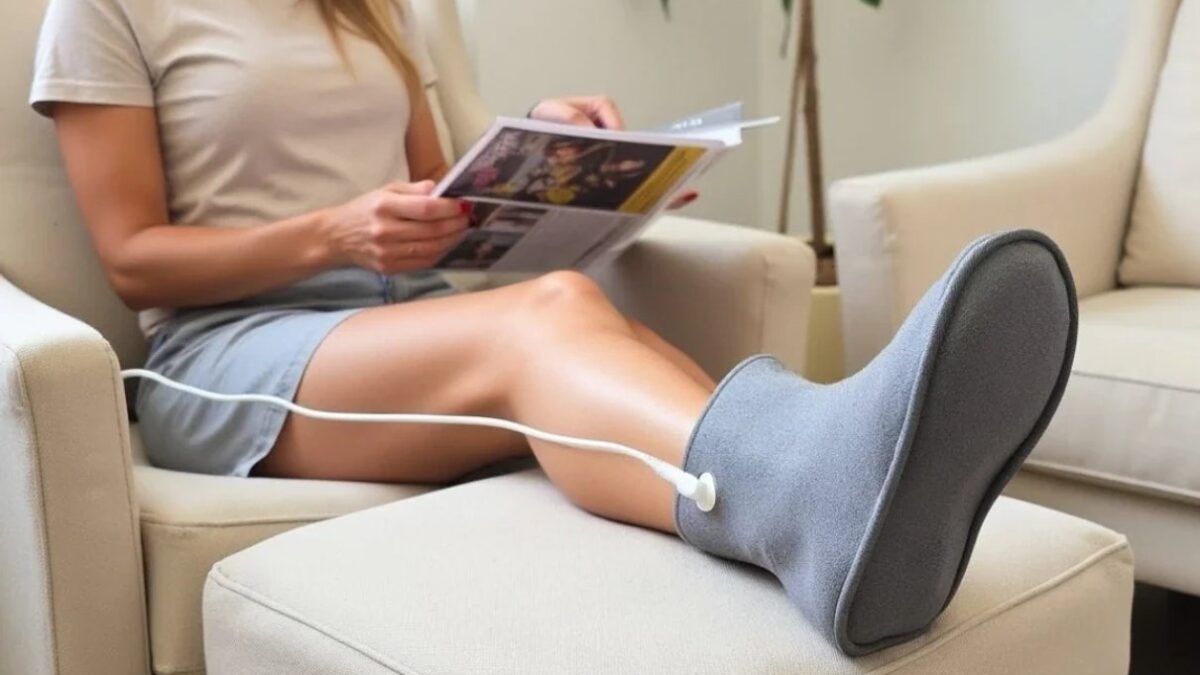
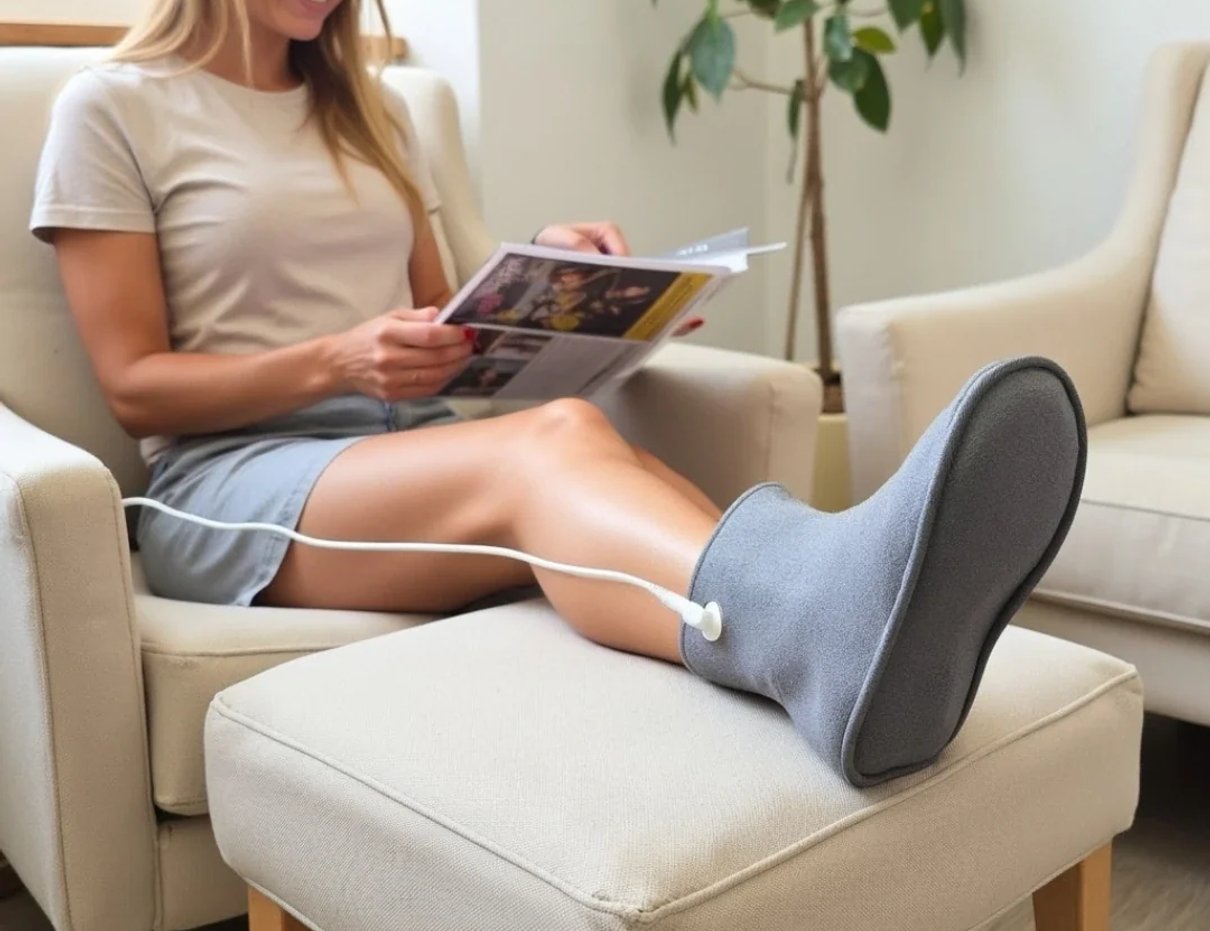
The Novaa Light Boot has the most specialized shape in this comparison. NOVAALAB LLC describes it as a wearable design for the foot and ankle, with light sources arranged around those areas. A product page lists its stated coverage and operating details, including a session format; use that page to check fit, control and care information for the current version.
The boot’s main advantage over a handheld light is convenience of positioning: once worn, it does not need to be held toward the target. It is also more focused than a flexible pad. Its limit follows from that specialization. It will not serve as a practical substitute for a pad or panel when the buyer wants to address a different or larger area, and fit is a real consideration for an enclosed wearable.
Against a general foot wrap or a basic light panel, the Boot‘s differentiator is its ready-to-wear enclosure and stated foot-and-ankle focus. Buyers should compare the actual coverage, closure and fit with their needs instead of assuming that a wearable automatically means more effective. For a dedicated foot routine, see the Novaa Light Boot specifications and current product information.
How the alternatives compare
A larger LED panel from another maker can win on breadth. If the goal is to position a light source in front of a larger body area, a panel’s open format may be preferable to a handheld unit or localized pad. However, panels can involve a stand, a stable location and more careful attention to distance. A wearable or flexible device may fit a routine where direct placement matters more than broad exposure.
There is also a difference between a generalized product category and a specific product claim. Light output, wavelength, treatment distance, coverage, controls and safety guidance vary by model, so compare like-for-like specifications. Store copy for a device may highlight intended benefits, but it does not prove that those benefits will occur for every person. In addition, independent research and clinician guidance should inform any health-related choice.
Within the NOVAALAB LLC range, the key contrast is not a simple ladder from basic to advanced. The Switch is adjustable, the Pad is broader and flexible, and the Boot is fitted to a particular body area. A panel may provide wider coverage but usually involves a less portable footprint. The most sensible shortlist is the one that reflects where the light needs to go and how the unit will be set up each time.
Where each format wins and where it asks more
The case for these formats
- The handheld Switch can be redirected across smaller or changing target areas.
- The Light Pad offers a flexible surface for localized use without a floor-standing panel.
- The Light Boot keeps the product positioned around the foot and ankle during a session.
- The range gives buyers several form factors instead of forcing every routine into one device shape.
The points to weigh carefully
- Handheld use means the user must position and hold the Switch; it is not hands-free.
- Pads require setup and surface placement, and some configurations depend on mains power.
- The Boot’s fit and narrow coverage make it less adaptable for use elsewhere.
- Product-page benefit statements should be treated as brand claims, not guaranteed outcomes.
Which NOVAALAB LLC format is the best fit for your routine?
Our pick for changing, localized targets is the Novaa Light Switch, provided manual positioning is acceptable. The Novaa Light Pad is the better middle ground for a flexible contact surface and use across more than one area. For a routine centered specifically on the feet and ankles, the Novaa Light Boot is the clearest fit. A general-purpose panel is the alternative to consider when wider coverage matters more than portability.
There is no single winner for every buyer: the Boot is specialized, the Switch needs active handling and the Pad requires setup and power planning. Product pages can also change, so check the current specifications, included accessories, return terms and price directly before choosing. This comparison is based on store information, not personal device use.
