
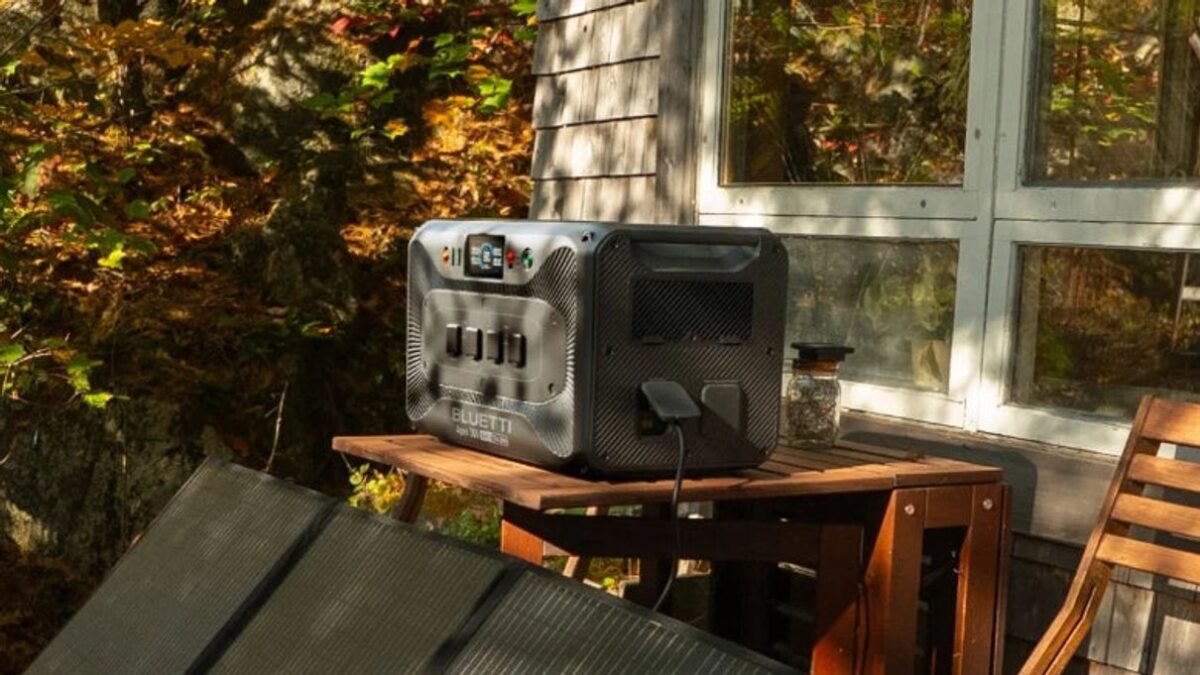

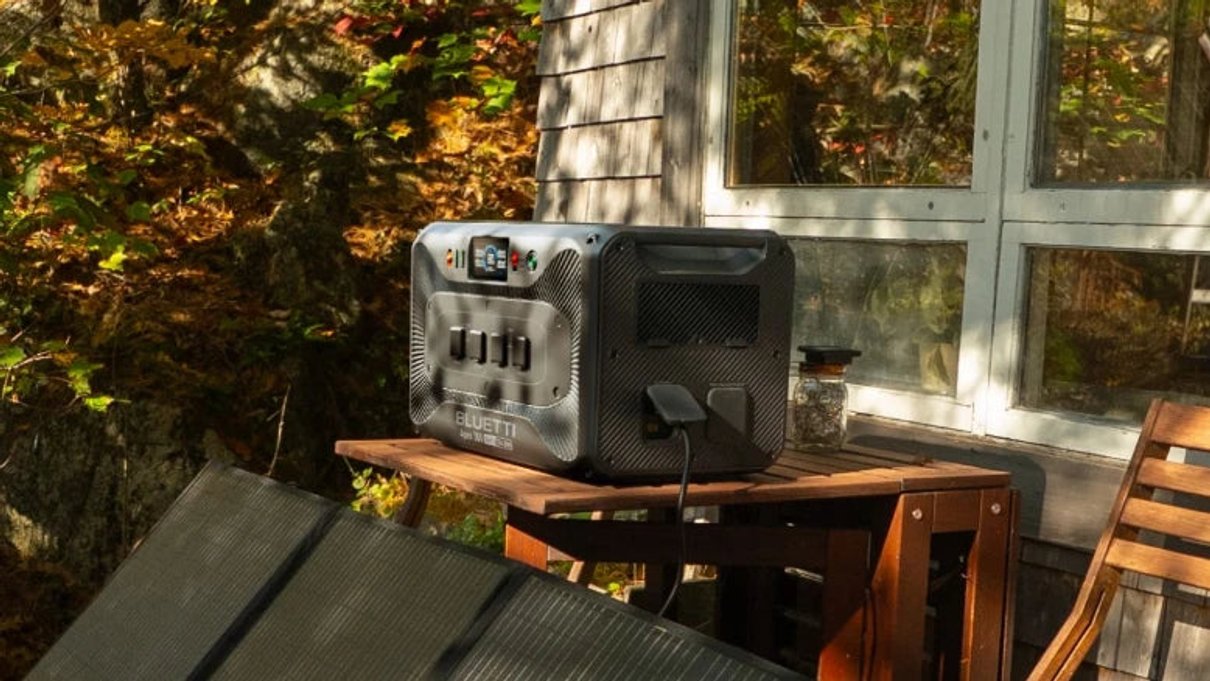
A closer look at how BLUETTI grew from portable power stations into a wider energy storage range, and what its Canadian lineup says about who the brand serves.
A power station can mean a small backup for a weekend away or part of a carefully planned home energy setup. That breadth is central to BLUETTI: the company started with portable stations and has expanded into solar charging, battery storage and larger backup systems. For a new reader, its range makes more sense when viewed as a set of different power problems, rather than one product ladder.
The brand’s own account places its company origins in 2013 and says BLUETTI began its global independent brand strategy in 2020. Today its Canadian store brings together portable stations, solar panels, expansion batteries and home power products. Here we look at the story behind that range and what a few current models reveal about its approach.
Some links in this article are affiliate links: if you make a purchase through them, we may receive a small commission.
Highlights
- BLUETTI grew from portable power stations toward a broader energy storage offering for outdoor use and home backup.
- Elite 200 V2 combines 2,073.6Wh capacity, 2,600W AC output and multiple ports.
- AC180 takes a lower-capacity route, with 1,152Wh and four charging methods listed by the brand.
- Elite 300 represents a higher-capacity portable format at 3,014Wh and 2,400W.
- Choosing well means starting with device loads, recharge access and how much weight and space are acceptable.

A portable power company with a wider brief
BLUETTI describes its early work as focused on power stations, followed by a gradual move into energy storage for homes and businesses. Its story therefore follows a practical problem: storing electricity in a device that can travel, then adapting that idea to settings where the need is longer-term or tied to a home’s circuits. The brand says its mission is to provide clean and independent energy. That is a statement of intent, not a guarantee that a battery system alone will meet every household’s energy needs.
The useful context for first-time shoppers is that capacity and output answer different questions. the Canadian BLUETTI product page can help you compare published capacity and output details. the Canadian BLUETTI product page can help you compare published capacity and output details. the Canadian BLUETTI product page can help you compare published capacity and output details. Watt-hours describe stored energy; watts describe the rate a unit can deliver power. A large capacity does not by itself confirm that a station can run a particular appliance, and a high output rating does not say how long it can run. Match both figures to the equipment you intend to use, then factor in conversion losses and the recharge conditions described in the manual.
- List the devices you expect to run and check their running and startup demands.
- Decide whether wall, vehicle or solar charging will be available between uses.
- Compare the product’s weight and dimensions with your actual storage and transport space.
A flagship-sized portable station
The Elite 200 V2 shows how BLUETTI positions its core portable category. The Canadian product information lists 2,073.6Wh of capacity and 2,600W of AC output, with four AC outlets, two USB-A ports, two USB-C ports and a vehicle outlet. It also lists app management, TurboBoost AC charging and solar input. These are concrete capabilities, but their usefulness depends on what you plug in and how often you can recharge.
For a camper or household keeping several modest loads available, this combination may be more relevant than the smallest unit. The brand says the model can serve outdoor use and selected home backup tasks; treat that as a prompt to check your own load list rather than an assurance that it can run an entire home. Its capacity also comes with a physical trade-off: confirm the weight and dimensions on the Canadian listing before planning to move it frequently.
BLUETTI highlights a long cycle-life claim and battery management features on its product page. We would read those as part of the ownership picture, alongside warranty coverage, storage guidance and local service terms. Check those details in the product documentation before relying on a station for essential equipment. The BLUETTI Canada range is organized by these different use cases.
A middle-size option for mixed use
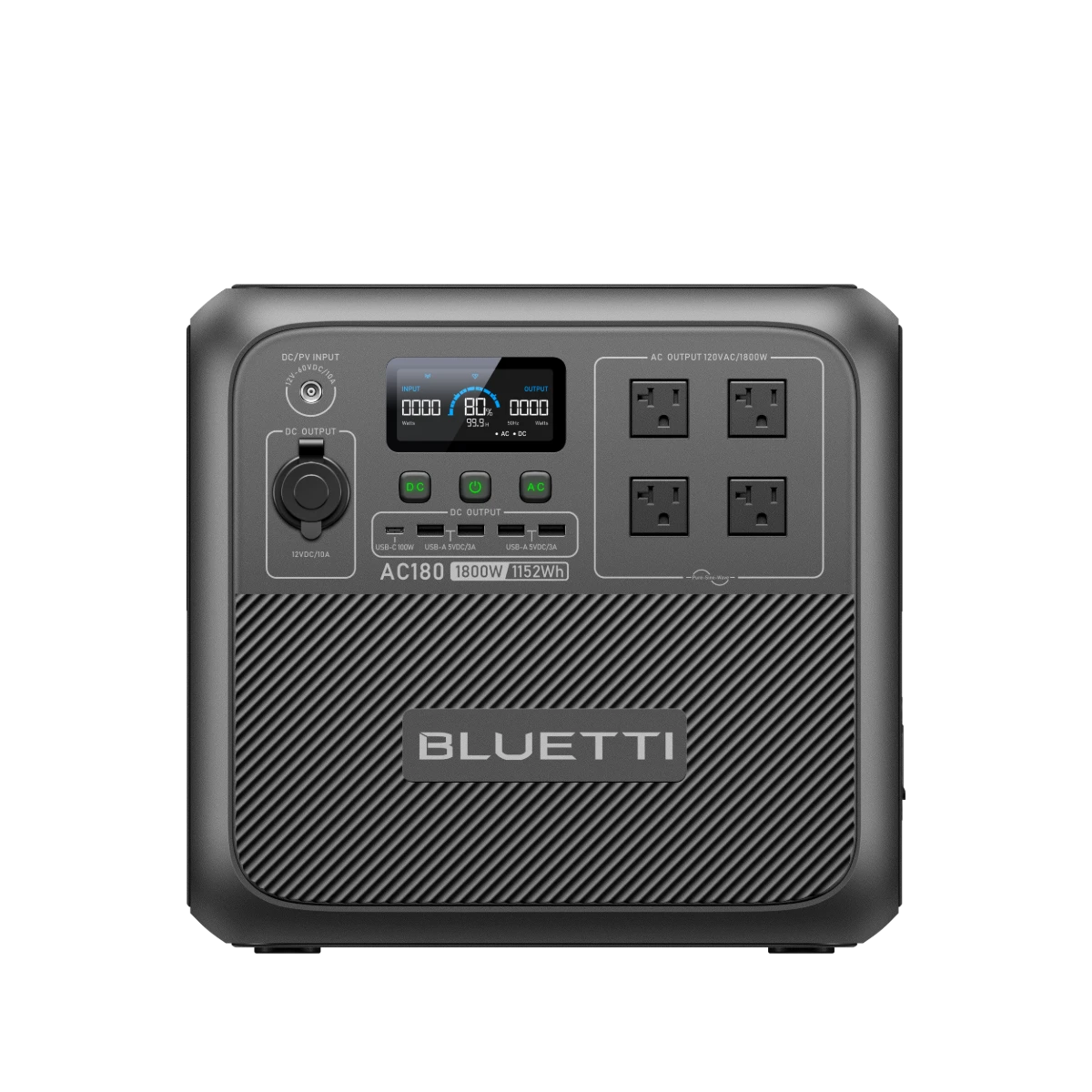
The AC180 is listed with 1,152Wh capacity and 1,800W AC output. BLUETTI says it supports four recharge routes: AC, solar, car and generator. That mix gives the model a broad role for people who alternate between home charging and trips, while its capacity sits below the Elite 200 V2 and Elite 300.
The official Canadian page describes app monitoring and multiple output ports, and lists a 35.3 lb weight. See the AC180 specifications alongside your device list. That last figure is useful context: it is portable in the sense that it can be relocated, but not equivalent to a lightweight battery bank. Think of the AC180 as a station to place at a campsite, in a vehicle setup or near a group of devices, rather than something to casually carry all day.
Its less expansive capacity can be a benefit when the use case is short and the loads are modest. It may reduce unused capacity and bulk compared with stepping up to a larger model. The limit is equally straightforward: longer outages or energy-intensive devices can exhaust a smaller battery sooner. Before choosing, use BLUETTI’s published load information as a starting point and calculate runtimes conservatively.
When the job calls for more stored energy
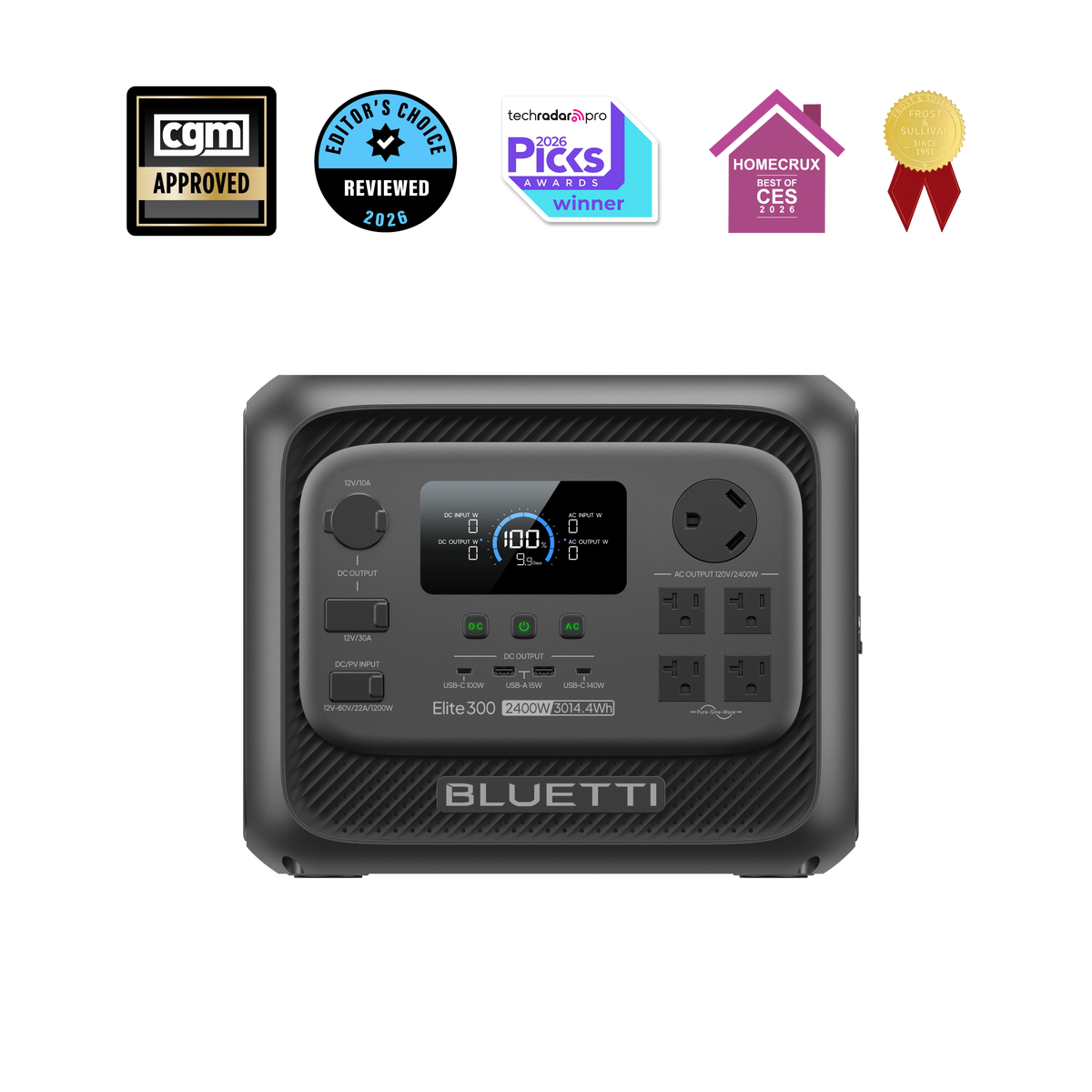
The Elite 300 is listed at 3,014Wh and 2,400W output, with a LiFePO4 battery. It signals a different priority: longer use between charges or more room for the devices a household or RV setup wants to support. It is also the model where space, transport and purchase cost deserve more attention. Larger capacity is only useful when the extra energy solves a real need.
BLUETTI’s Canadian range includes bundles pairing stations with solar panels or charging equipment. Those additions can make sense if they fit the way you will recharge, but bundle contents vary. Compare the panel wattage, cable compatibility and charging limits instead of assuming a kit will be ready for every setup. The product page and manual should be treated as the source for what is included and how to connect it safely. Review the Elite 300 configuration before choosing accessories.
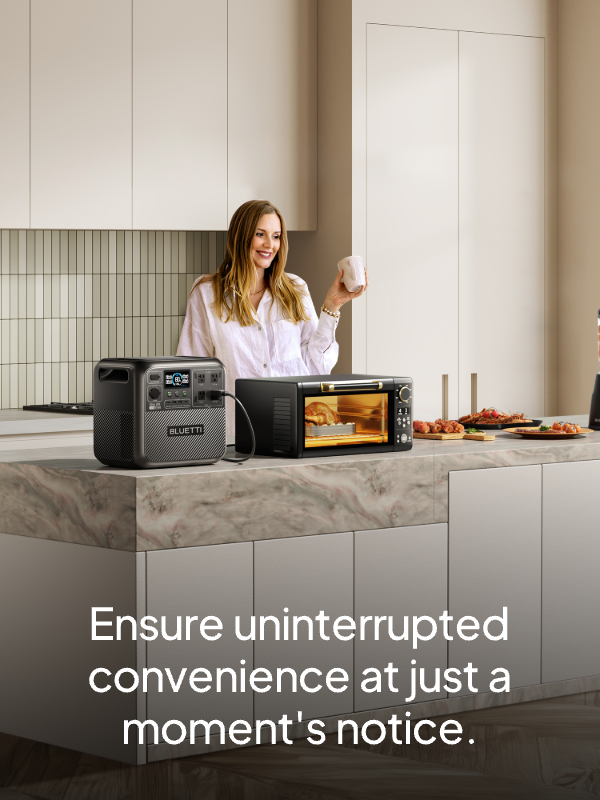
From portable units toward home energy
BLUETTI’s story is not only about taking power outdoors. The brand also sells home backup systems and energy storage products, including more substantial systems and expansion batteries. These products bring questions that a portable station does not: whether installation is required, which circuits are supported, how the system connects to existing electrical equipment, and what local code or professional advice applies.
A portable unit can supply selected devices, but it is not a substitute for a professionally designed whole-home backup system. For a household project, begin with the appliances or circuits that matter, the expected outage duration and whether solar integration is desired. Then confirm system compatibility and installation requirements directly with BLUETTI and a qualified installer.
Solar is another part of the brand’s offer, but sunlight is not a guaranteed fuel source. Panel placement, season, weather, shade and daily exposure all affect charging. If a panel bundle interests you, compare its rated input with the station’s accepted solar range and your likely conditions. A product page can show a theoretical charging route; your site and habits determine whether it is practical. Compare the Canadian solar options with likely sun exposure.
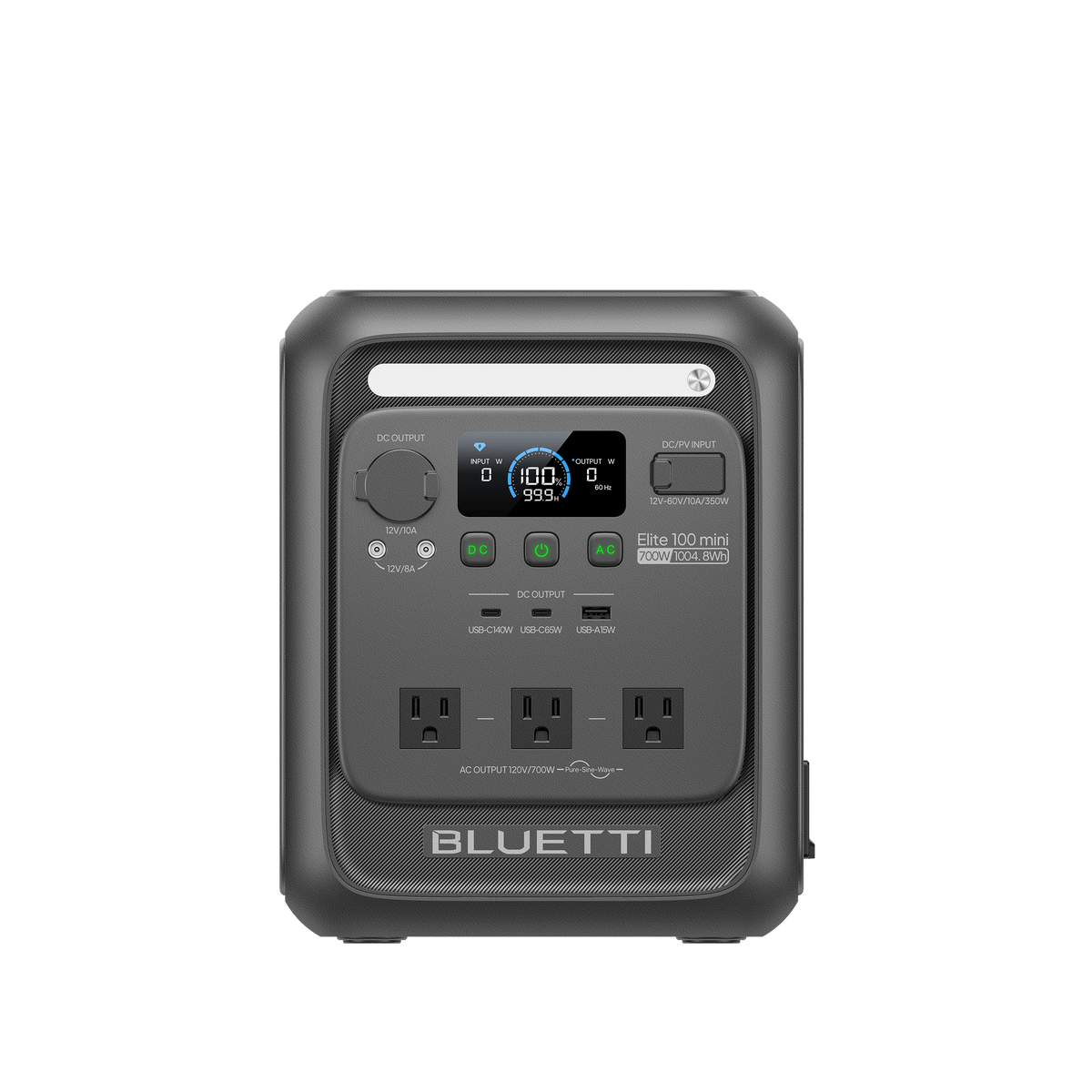
How to read the range as a new customer
A sensible way into BLUETTI is to pick the problem first and the model second. The Canadian store spans compact travel-friendly units, mid-capacity stations, larger portable systems and home-focused equipment. A compact model can cover phones, lights and small electronics; a larger station broadens the possible loads but adds weight, cost and planning.
- For portability, compare both capacity and carrying weight; small form factor does not mean weightless.
- For appliances, check rated output and surge or lifting modes against the appliance specification.
- For longer runtime, estimate energy use across the hours needed, with a margin for losses.
- For solar, confirm panel compatibility and expected exposure before paying for a bundle.
- For household backup, establish whether you need a portable outlet source or an installed system.
The best entry point is the smallest system that comfortably covers the use you have identified, with enough reserve for realistic conditions. If the use case is unclear, waiting until you can list likely devices is better than choosing capacity by headline number alone.
What the range does well
- It covers several scales of use, from portable stations to home backup equipment.
- Many listed models support more than one recharge route, including solar and vehicle charging.
- Product pages provide capacity, output and port details that help with load matching.
- The brand provides manuals and app-managed features across parts of its lineup.
Where careful checking matters
- Capacity alone cannot predict runtime without knowing the connected load.
- Higher-capacity stations can be heavy and take up meaningful storage space.
- Solar charging depends on conditions, compatible panels and sufficient exposure.
- Home backup systems may require installation planning and qualified advice.
Is BLUETTI a useful brand to know?
Yes, especially for readers comparing portable power with more considered backup plans. BLUETTI’s path from portable stations to a wider energy storage range gives shoppers several formats to compare, and models such as Elite 200 V2, AC180 and Elite 300 show how capacity and output change across the lineup. The limitation is that an appealing specification cannot choose the system for you: load calculation, charging access, weight and setup determine whether a particular unit fits.
We recommend starting with your devices and where you will use them, then checking the exact Canadian listing, manual and support terms for a matching model. Readers should compare the current range on BLUETTI Canada before deciding.
