
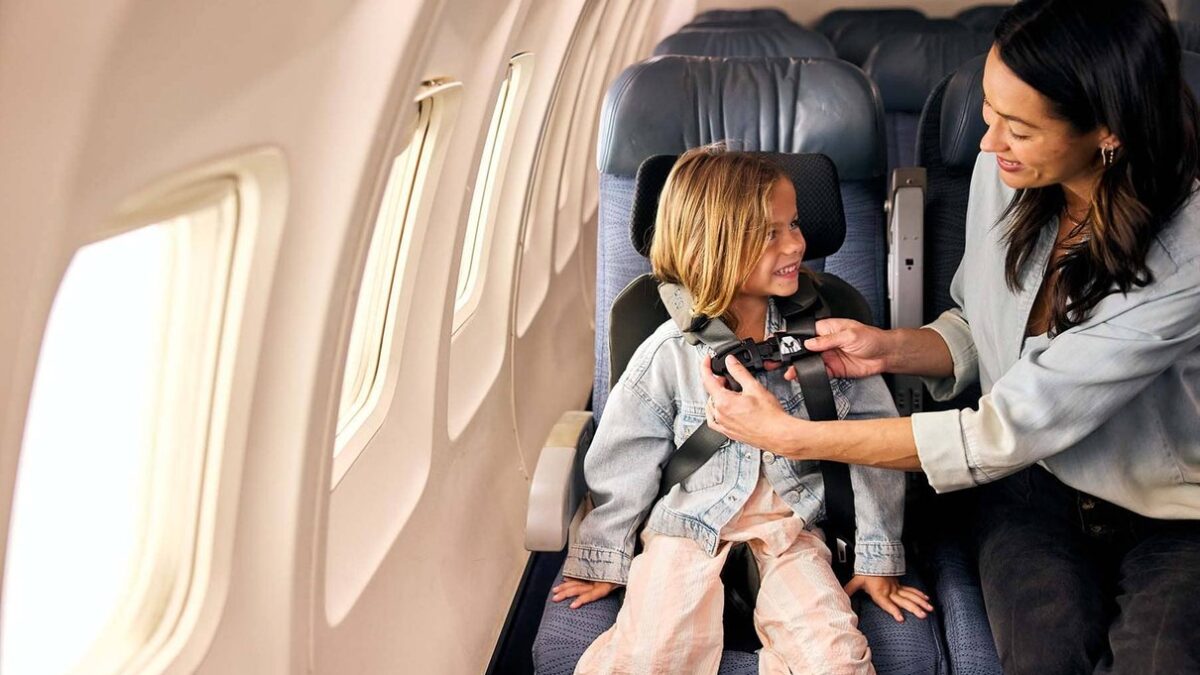

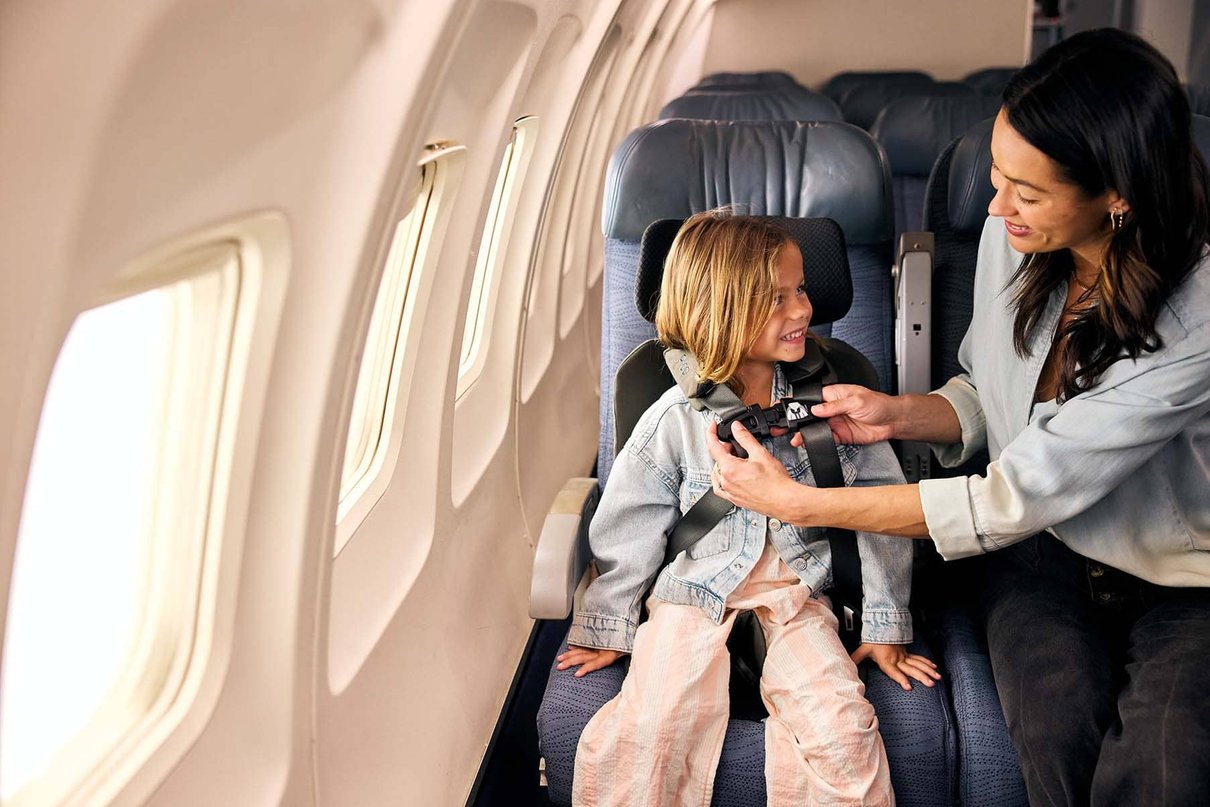
A research-led look at WAYB’s portable car seat, carry solutions and everyday bags, with the trade-offs that matter before choosing.
Family travel often asks parents to move the same child between a personal car, a rideshare, an airport and a rental vehicle. WAYB builds around that transition: its range pairs a foldable car seat with carry accessories and bags intended for trips and daily routines.
We reviewed the brand’s current US product information, focusing on the use cases its designs support and the compromises a product page cannot resolve for every household. The central question is whether portability solves a recurring problem in your routine or adds another item to manage.
Some links in this article are affiliate links: if you make a purchase through them, we may receive a small commission.
Highlights
- Pico Portable Car Seat is the clearest fit for families who regularly change vehicles; WAYB lists it at eight pounds and says it folds for carrying.
- Pico Carry Bag adds backpack straps, a luggage sleeve and a padded compartment, while also becoming one more piece of luggage.
- The Daily Pack is a separate everyday option, listed with a 24-liter main compartment and a laptop sleeve sized for devices up to 16 inches.
- Portability has a narrower payoff for families who mostly use one vehicle and can leave a conventional seat installed.
A focused range, led by a portable seat
WAYB is best understood as a specialist travel brand rather than a broad child-seat catalog. The company’s own pages place the Pico at the center, then surround it with a fitted carrying bag, small add-ons and soft goods. That focus makes the range easy to understand: bring a familiar child seat into situations where a family car seat is unavailable or inconvenient to move.
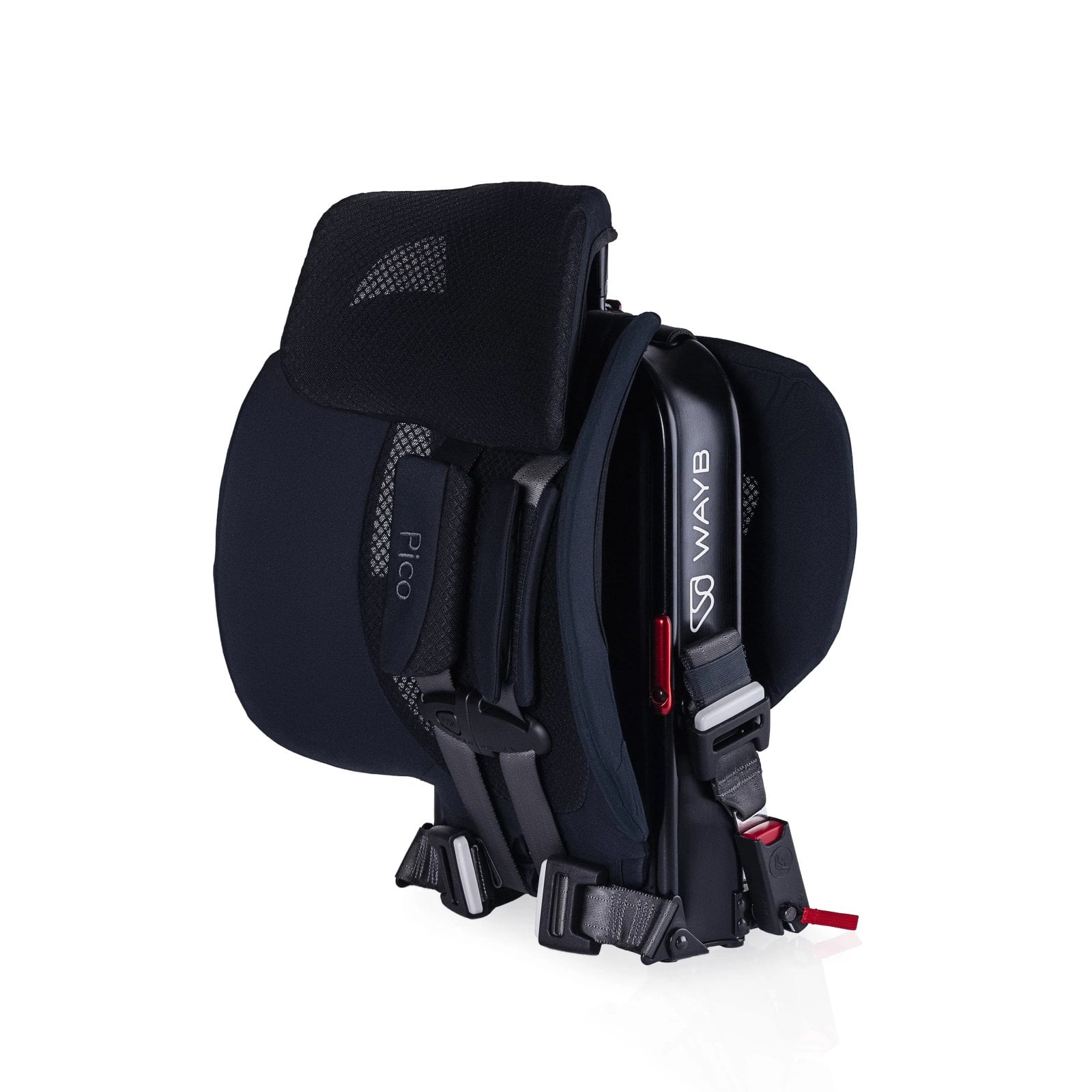
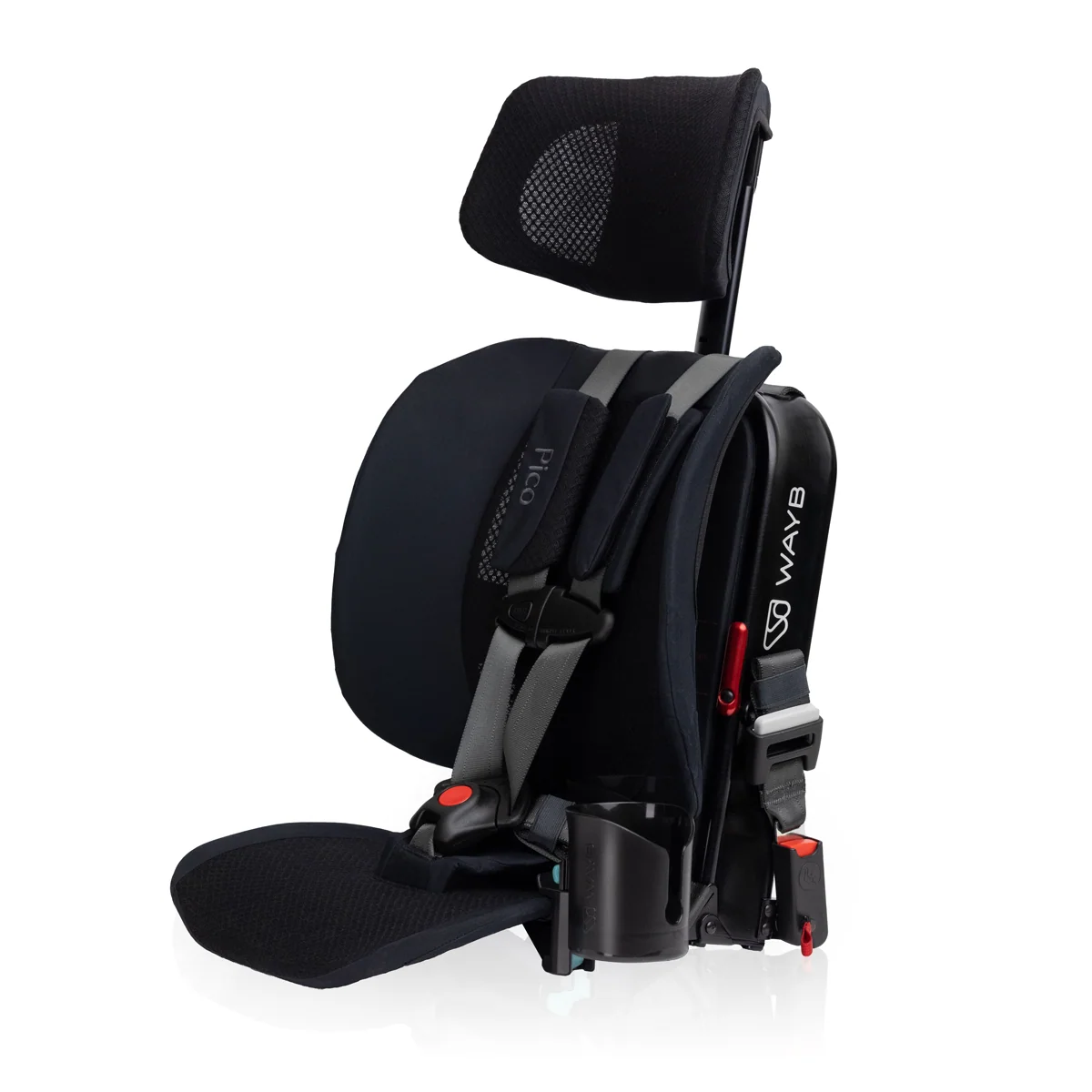
The strongest claim is practical, not universal. WAYB describes its Pico Portable Car Seat as a foldable forward-facing model with an aluminum frame and breathable mesh fabric. Its product page lists a weight of eight pounds and says the seat is FAA-approved for airplane use. Those are useful design details, but the manufacturer’s current seat information should guide a family’s own fit check. Parents still need to check current fit guidance, installation instructions and airline or vehicle requirements for their exact trip.
That last point matters because travel readiness is a sequence, not just a folded object. The seat must fit the child, the vehicle and the caregiver’s ability to install it correctly. Families can consult the Pico specifications as part of that review. We would treat portability as a meaningful advantage only after those checks. The brand publishes fit and safety information alongside the product page, and readers should use its seat guidance before relying on general marketing language.
1. Pico Portable Car Seat – when vehicles change
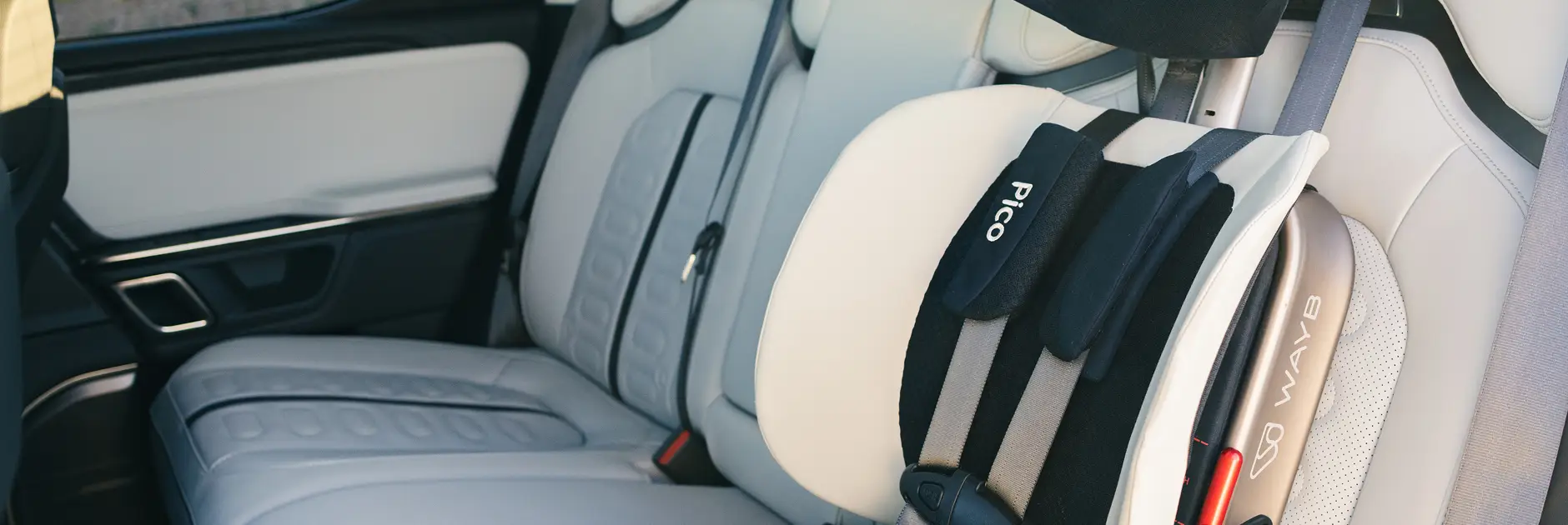
The Pico Portable Car Seat makes most sense for families who face a real transport problem: airport transfers, rideshares, rental cars, or handoffs between caregivers. At the listed eight pounds, it is designed to be carried rather than left installed. That carry-centered premise is easy to assess on the Pico product page. Its foldable format can make those changes easier to plan around, especially where a full-size seat would be awkward to move. Families comparing those options can revisit the Pico product details while checking their own vehicle setup.
There is a trade-off in that specialization. The Pico is forward-facing only, and the brand’s own fit checker asks families to confirm that a child’s age, height and weight suit the seat. That limits its usefulness for younger children or anyone who needs a different seat orientation. It is also not a universal replacement for the seat that best fits a family’s everyday vehicle and child.
The materials are another point of distinction. WAYB says the frame uses its AeroWing aluminum alloy and the seat pads use breathable AstroKnit mesh made with polyester and responsibly sourced wool. The brand also describes the seat as meeting applicable US motor vehicle safety standards and being FAA-approved. These statements describe the manufacturer’s product claims; they do not replace checking the manual, current safety requirements or correct installation for each use.
Before choosing the seat, we would verify a few things against the family’s actual routine:
- Whether the child’s measurements fall within the current manufacturer fit requirements.
- Whether the intended cars and caregivers can accommodate and install a forward-facing seat.
- Whether the airline, vehicle and trip plan allow the intended use and storage approach.
- Whether frequent carrying solves a problem large enough to justify a dedicated travel seat.
For families who answer those questions positively, the WAYB Pico Portable Car Seat is the product most closely aligned with the brand’s promise. Its advantage is mobility; the limitation is that careful fit and installation decisions remain essential. The Pico listing is the place to confirm the current fit and safety details.
2. Pico Carry Bag – more hands-free transfers
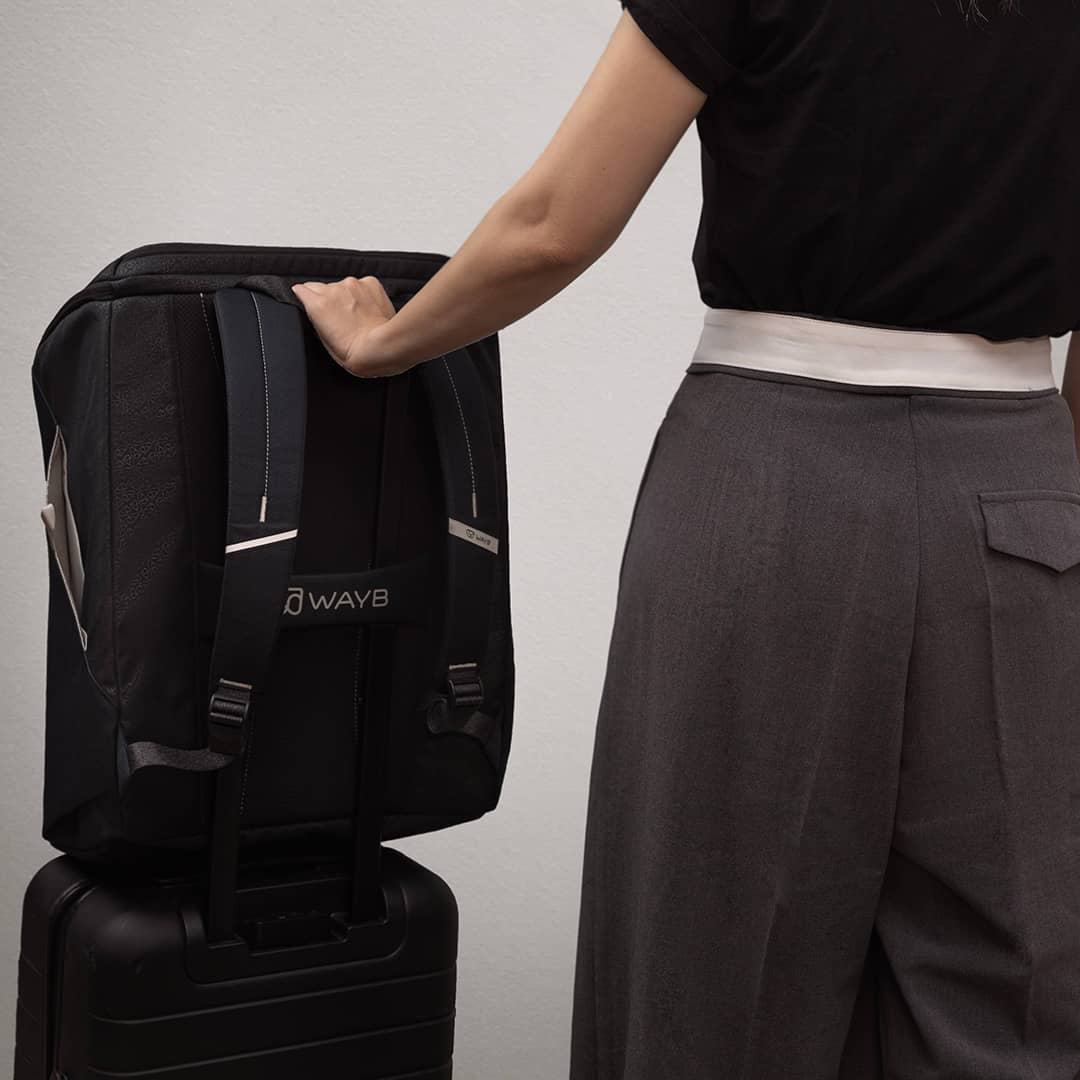
The Pico Carry Bag is designed around the seat rather than as a general travel bag. WAYB says it fits the Pico and offers three carry methods: backpack straps, a luggage sleeve and a top handle. The product page also describes a padded compartment and water-resistant recycled fabric. Those features target the handoff between the car, terminal and gate, where having hands free can matter. Readers can check the Pico Carry Bag listing for the current details of its carry modes.
Its limitation follows directly from its job: the bag carries the seat, so it does not make the overall setup disappear. See the fitted carry option in context before deciding whether you want a separate carrier. A caregiver still needs to manage the child, personal luggage and any other travel gear. Whether the straps are useful depends on how much the family walks and what else is being carried. Some may prefer a simple handle or rolling luggage instead of wearing a child seat. The bag’s carrying details help make that comparison concrete.
For value, compare the cost of the seat and any carry pieces separately with the alternatives already available to your family, such as bringing an existing seat or arranging a seat at the destination. Bundles and add-ons can change the total setup, so check the current store listing and decide whether the portability benefit justifies each item.
WAYB’s other small car-seat accessories, including the Pico Cup Holder and Vehicle Seat Protector, address narrower needs. They can add convenience or help protect upholstery, but neither changes the core case for buying the seat. We would consider them only after confirming the seat itself is right for the family’s use.
3. The Daily Pack – a separate everyday choice
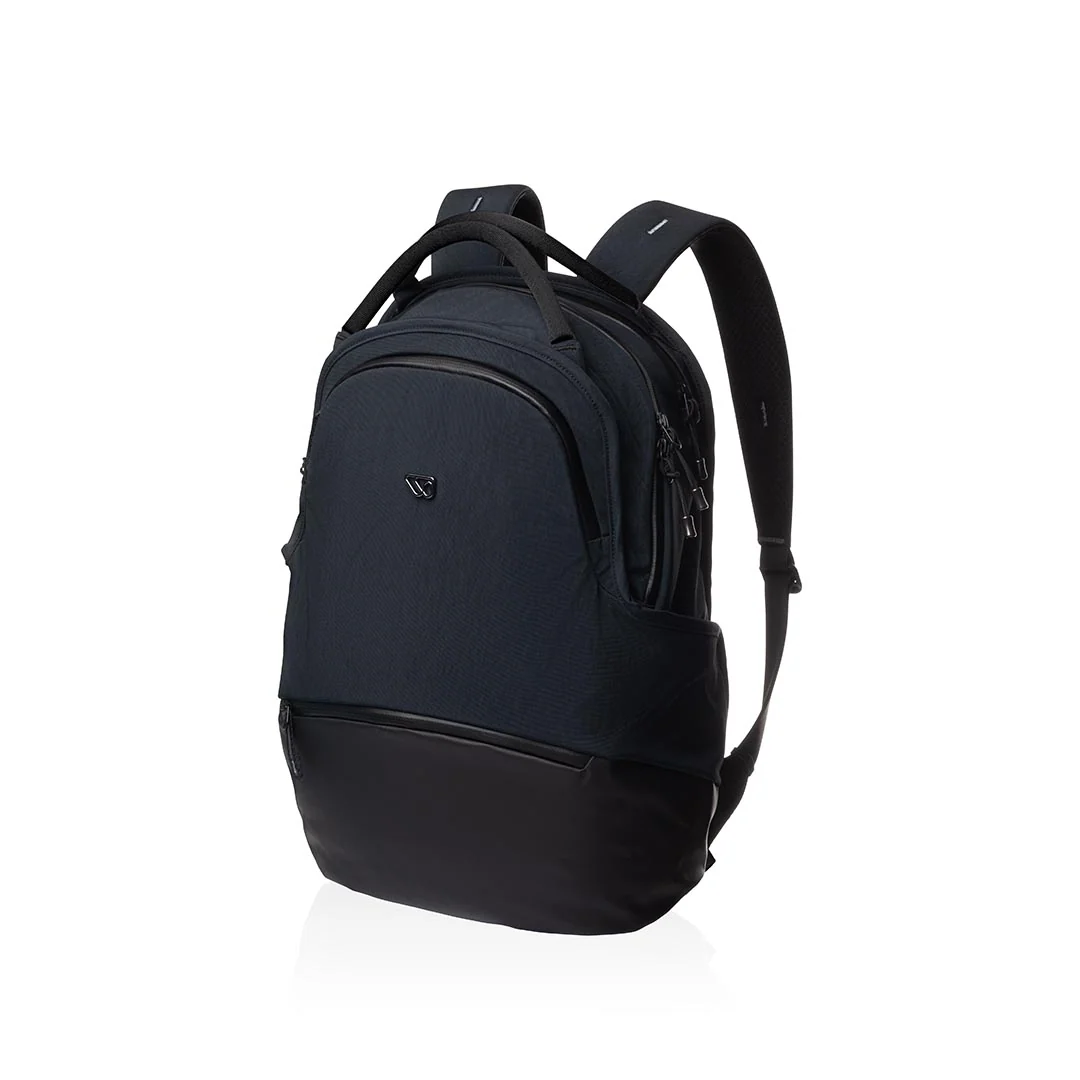
The Daily Pack sits in a different category from the Pico system. WAYB lists a 24-liter main compartment, padded sleeve for a laptop up to 16 inches, quick-access exterior pockets and a suitcase pass-through. The product page says it is made with at least 80% recycled materials and uses wipeable, stain-resistant fabric with water-resistant zippers. The Daily Pack details let readers check the current construction and organization claims.
Those are useful details for families looking for a bag that moves between work, errands and travel. The Daily Pack listing is available for a closer look at its organization features. The Daily Pack is not necessary to get value from the car-seat range, however, and its relationship to the Pico is mostly lifestyle rather than functional. Readers comparing daypacks should consider their own fit, organization needs and load before treating the brand’s family-travel focus as a reason to choose this one. Review the Daily Pack details against those everyday requirements.
For compact organization, The Essential Zip Pouch Kit is another visible part of WAYB’s soft-goods range. It may be useful for keeping small items sorted, but its role is straightforward and it should be judged by the pocket setup and dimensions that suit the reader. The range has a clear identity, though not every product is essential to a family trip.
What works for this kind of gear
- A clear travel use case: the Pico addresses carrying a child seat across vehicle changes.
- Specific mobility details: the brand publishes the seat weight, foldable form and carry options.
- Thoughtful companion design: the Pico Carry Bag offers multiple carry modes and a fitted compartment.
- Useful everyday features: the Daily Pack lists practical organization and luggage attachment details.
Where the range asks for a closer check
- Fit and installation come first: portability cannot compensate for a mismatch with child, vehicle or caregiver.
- The seat has a defined role: forward-facing travel use will not suit every child or every family setup.
- Accessories add pieces: a carrying bag and add-ons can increase what caregivers must handle.
- Not every item is a travel necessity: bags and organizers should earn their place on their own merits.
Is WAYB a good fit for families who move between vehicles?
Our recommendation is conditional: WAYB is worth considering when seat portability solves a regular, specific problem, especially for families moving between rideshares, rentals, airports or caregivers. The Pico has a focused design and the Carry Bag addresses a real transport task. The Daily Pack is a separate option for readers who also want an organized everyday bag.
Families who mostly drive one vehicle, need a different seat configuration or prefer not to carry extra gear may find the benefits less compelling. Start with the child’s fit and the relevant safety and installation information, then decide whether the travel routine justifies a dedicated portable seat. That is a more dependable basis for choosing than the brand’s travel-first positioning alone.
