
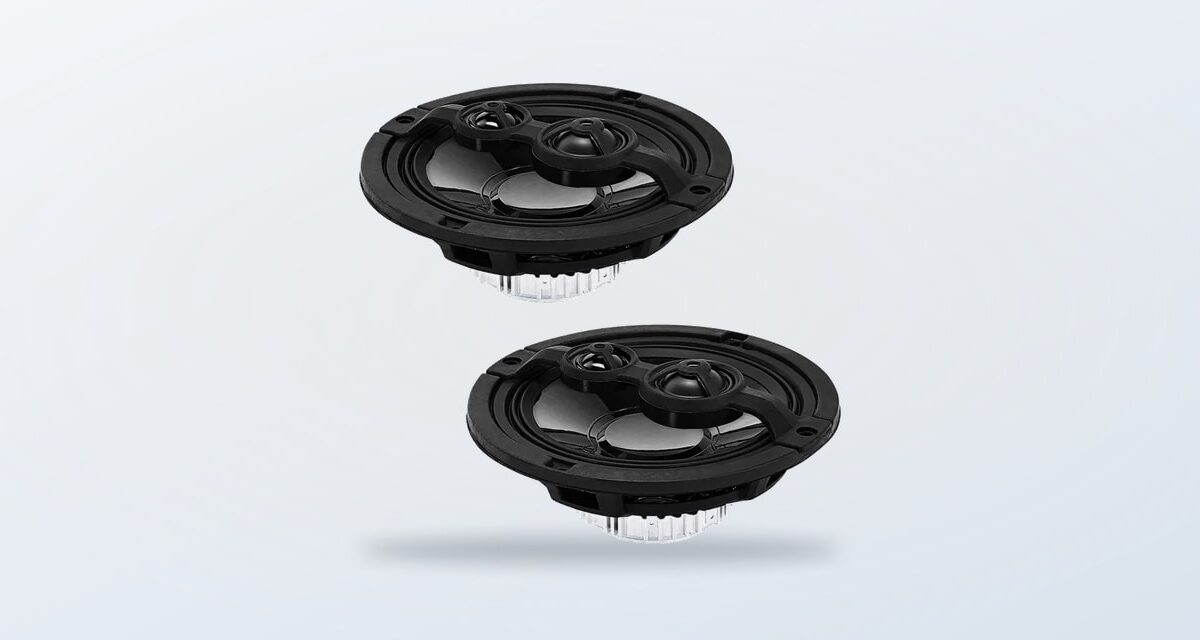

Use a fitment-first checklist to compare a part’s job, model range and installation details before adding it to your motorcycle plan.
Aftermarket motorcycle parts can look straightforward until a year range, trim name or mounting detail changes the answer. The useful question is not simply whether a part looks right, but whether the listing describes your exact motorcycle and the job you need it to do.
We reviewed product information on TCMT‘s United States store to build this guide. Its catalog covers luggage, lighting, controls, protection and body components, with listings that often spell out compatible makes, models and years. Here is a repeatable way to narrow the options and spot the details that deserve another check.
Some links in this article are affiliate links: if you make a purchase through them, we may receive a small commission.
Highlights
- Start with the exact make, model, trim and model year, then compare them with the listing’s fitment range.
- TCMT LED Rear Fender System is listed for select Harley CVO Road and Street Glide motorcycles across a stated year range.
- TCMT Fairing Support Bracket Mount names Harley CVO Road Glide FLTRXSE fitment, so compare the specific fairing setup before selecting.
- The Indian Scout Bobber / Scout Sixty Engine Guard listing names both model families and their respective year spans.
A three-pass check before you compare parts
A focused search is more useful than browsing by appearance. TCMT organizes many parts around a particular bike family, so identify the machine first, decide the function second, and inspect package details last. This ordering helps avoid comparing parts that solve different problems.
- Write down the bike identity. Note the make, model, trim or submodel, and model year from the registration or owner documentation. Do not rely on a broad family name alone.
- Name the job. Decide whether you need a replacement, added protection, luggage capacity, lighting, or a visual change. A component with a similar shape may serve a different purpose.
- Match the listing’s boundaries. Check every model and year named, including exclusions or generation transitions. If your exact variant is not named, treat compatibility as unconfirmed.
- Check what comes in the package. Look for brackets, clamps, wiring, fasteners and any components that must be reused. Package contents affect both the work and any additional parts you may need.
- Plan the installation. Note whether the listing describes a direct replacement, bolt-on part or a job that may involve electrical connections or bodywork removal. Ask a qualified mechanic when the work exceeds your tools or experience.
Keep the details together in a note before moving to TCMT’s parts catalog. A simple record prevents a familiar model name from distracting from a mismatch in trim or year. Use the store’s current listing as the final reference, since fitment descriptions can change.
Three listings show why the details matter
The following examples represent different jobs and bike families. Their value here is not that one is universally better, but that each listing demonstrates what to verify before choosing. Read the linked product page in full and compare its stated fitment with your own motorcycle.
| Part | Listing focus | Check before choosing |
|---|---|---|
| LED Rear Fender System | Harley CVO Road / Street Glide | Exact year and rear setup |
| Fairing Support Bracket Mount | Harley CVO Road Glide FLTRXSE | Fairing generation and mounting points |
| Indian Scout Engine Guard | Scout Bobber / Scout Sixty | Model family and listed year span |
Use the table as a shortlist, not a substitute for the product page. When two listings sound close, compare their model codes and inclusions rather than relying on category labels. The TCMT lighting and bodywork range includes parts with narrow fitment notes, so the detail level matters as much as the category.
1. LED Rear Fender System – check the rear assembly
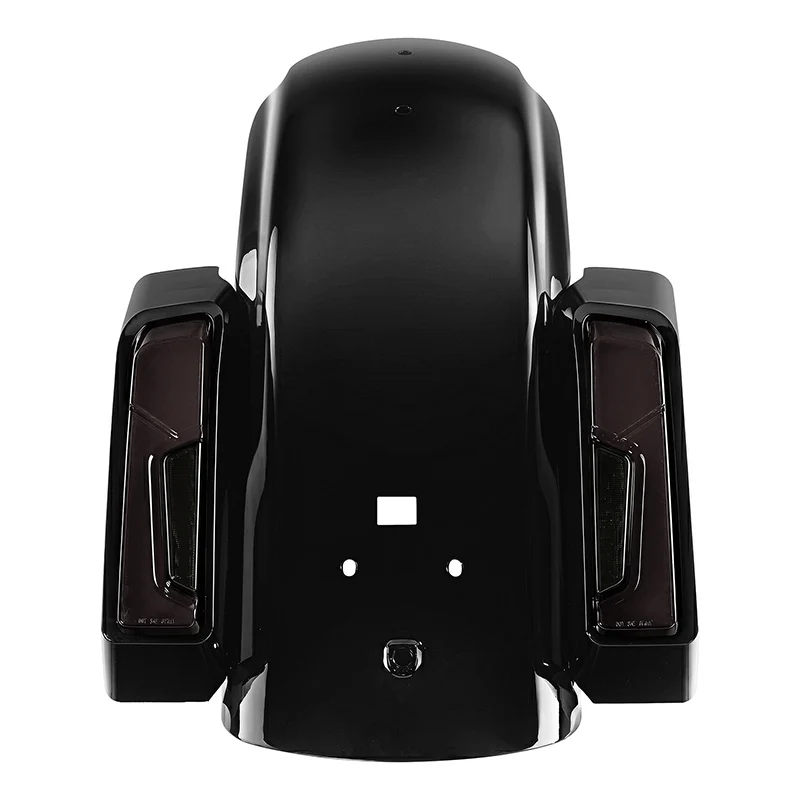
The TCMT LED Rear Fender System is listed for Harley CVO Road and Street Glide models in its stated year range. The name tells you this is a system rather than a small trim accent, making it sensible to check what rear components are included and whether your current configuration matches the photos and product description.
Confirm the exact model year and variant before comparing it with other rear fender options. If you are replacing existing hardware, note which lamps, brackets or wiring are retained. A listing’s year span is a starting filter, not a guarantee for every customized motorcycle.
2. Fairing Support Bracket Mount – verify the mounting geometry
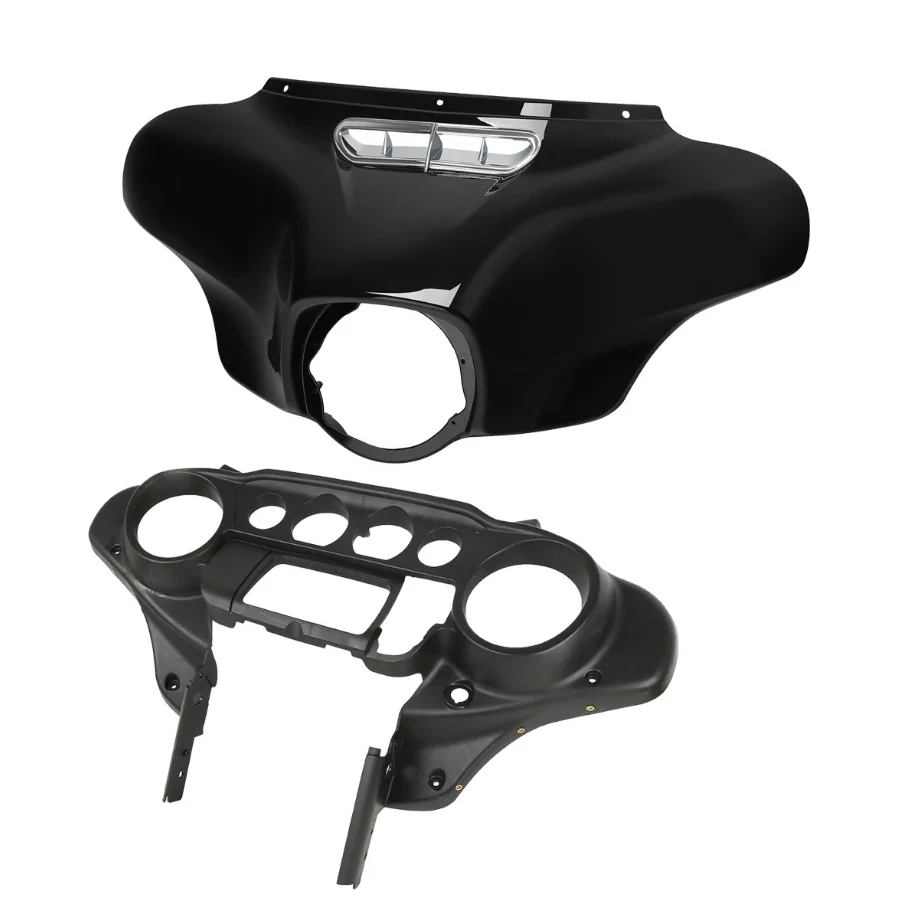
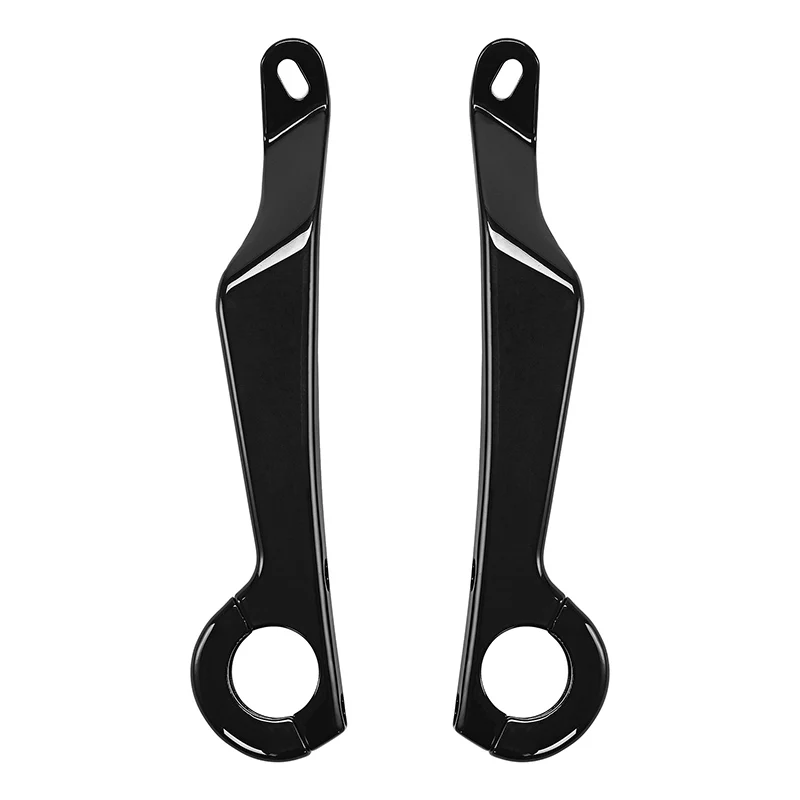
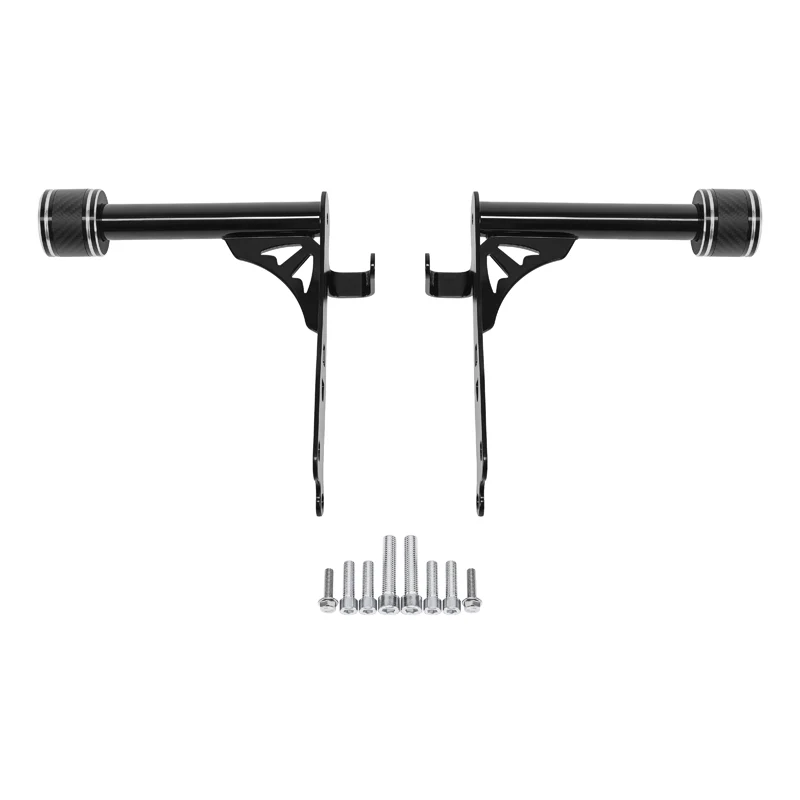
The TCMT Fairing Support Bracket Mount is aimed at Harley CVO Road Glide FLTRXSE models across its listed years. A support bracket depends on the geometry around it, so check the fairing generation, attachment points and whether the product replaces an existing support or works alongside it.
Compare your motorcycle’s code with the listing, then inspect the included parts and any installation notes. If a page does not answer whether a related trim or edition is covered, contact the store before treating it as compatible. The TCMT bracket listings are most useful when the buyer already knows the exact assembly being repaired or changed.
3. Indian Scout Engine Guard – match the model family
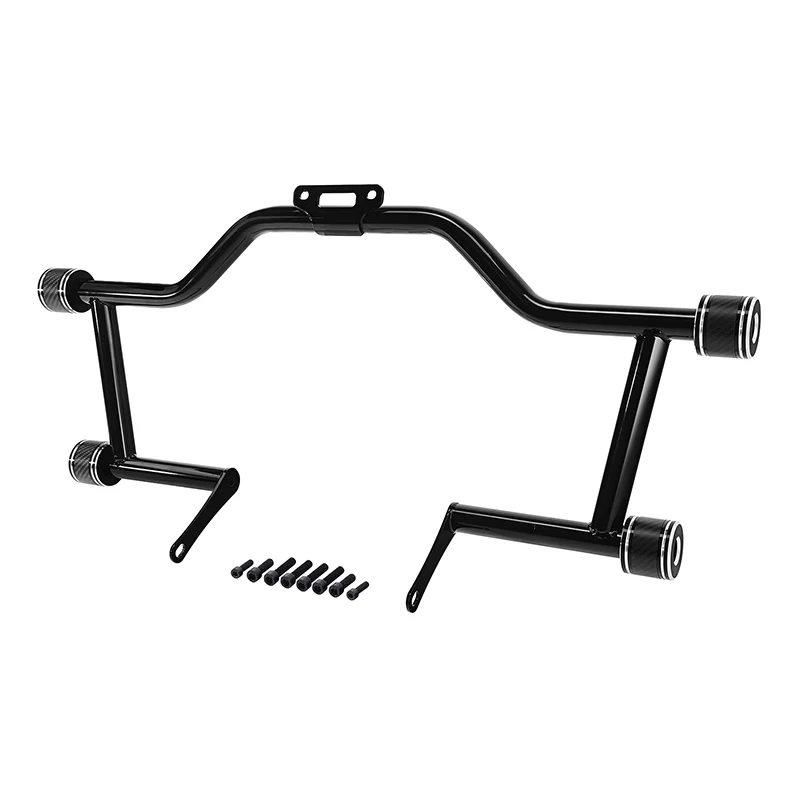
The TCMT Engine Guard Crash Bar listing names Scout Bobber and Scout Sixty families, with separate year coverage in the title. That specificity is helpful, but owners should still confirm the precise model and any trim distinction in the full product details before deciding.
For a protection part, compare its shape and mounting arrangement with the existing frame area and any accessories already fitted. Ask whether the guard changes clearance or interacts with other installed parts. The product page and the wider TCMT protection selection can help define the options, but they cannot account for every aftermarket modification on a particular bike.
How to compare fitment, function and installation
Once you have two or three plausible listings, compare them on the same terms. The final choice is often driven by compatibility and the work required, not by the most eye-catching photograph. For a more involved component, include labor or specialist advice when considering the total project cost; current product prices can be checked on each store page.
- Fitment confidence: Does the page name your exact motorcycle and year? Are there exclusions or adjacent years that could cause confusion?
- Function: Does the part perform the job you actually need, or is it an appearance change that leaves the original issue untouched?
- Included items: Are mounting pieces or related components part of the package, or will you need to source them separately?
- Installation complexity: Does the job involve wiring, alignment, bodywork or safety-critical mounting? Be realistic about tools and help.
- Ongoing service: Consider whether the installation affects access to parts you may need to inspect, clean or replace later.
These points also make a useful question list for customer support. Keep the product URL and your bike’s exact year and trim together when asking. If the answer is unclear, wait for clarification rather than assuming a product labeled for a related model will fit. Browse TCMT motorcycle parts by category once the requirements are clear.
Where TCMT listings help most
Product information on the US store is strongest when a listing gives a clear model and year range, a recognizable part name and a description of materials or package contents. That makes it easier to form a shortlist without guessing from a generic category. A broad catalog also gives owners a single place to browse different motorcycle systems, from luggage and lighting to controls and protection.
There are limits. Listing language does not replace a service manual, and a fitment range may not resolve every trim-specific or modified-bike question. Photos can show shape and finish, but they cannot establish dimensions or confirm every mounting detail. Treat missing information as a reason to ask, especially for parts tied to steering, braking, lighting or structural support.
Strengths and limits for a parts shortlist
What makes comparison easier
- Many product titles identify motorcycle families and year ranges directly.
- Categories cover several common customization and replacement jobs.
- Some descriptions add material, included hardware or fitment exclusions.
Details to settle before ordering
- Related trims and model generations can differ even when the family name looks familiar.
- Photos and titles do not always answer every package or installation question.
- Modified motorcycles may need an experienced mechanic to confirm clearance and mounting.
For a final pass, revisit the specific product page rather than relying on a category page, and keep your bike details at hand. The bracket listing and engine guard listing show why direct product references are useful for comparing fitment language. Then check any additional TCMT options against the same checklist.
Is TCMT a sensible place to plan a motorcycle parts purchase?
TCMT is a practical starting point for owners who can identify their motorcycle precisely and want to compare fitment-specific aftermarket parts across several categories. Its listings can provide useful model, year and package clues, and the examples above show how those details shape a shortlist.
The limitation is that a product page cannot verify a customized bike or fill every technical gap. We would use the store to identify candidates, confirm the exact fitment with the listing or support team, and get qualified installation advice where needed. If that process fits your project, review the current product details before choosing.
TCMT Motorcycle Parts Buying Guide: Match the Part to Your Bike
