

A clear introduction to PillSorted’s pharmacy, remote care pathways and product range, with context on what a first visit can and cannot tell you.
For a first-time reader, PillSorted can seem to sit across several parts of healthcare at once: an online pharmacy, a route for NHS prescriptions, private treatment pathways and a health information library. The useful question is how those pieces fit together, and which one applies to the need in front of you.
We reviewed the UK store’s published service and product information for this overview. Its own site presents the business as a pharmacy-led service, with both routine dispensing and more specific clinician-reviewed pathways. That distinction matters: a product listing is not the same thing as a recommendation for an individual.
Some links in this article are affiliate links: if you make a purchase through them, we may receive a small commission.
Highlights
- PillSorted combines an online pharmacy with NHS prescription delivery, private prescriptions and telehealth pathways.
- Its HRT repeat service is described for eligible people already stable on a listed prescription; the site says it does not start or change HRT.
- Ovesse cream and Gina vaginal tablets are distinct menopause products, with different product information and suitability considerations.
- The separate Flourish Menopause Test Kit is not a substitute for a clinician’s assessment.
- Check current availability and service eligibility on the UK store, and discuss treatment choices with an appropriate clinician.
A pharmacy model with several entry points
The simplest way to understand PillSorted is as a UK online pharmacy with different routes depending on what a person needs. Its site describes NHS prescription delivery, private prescriptions and telehealth services, alongside a general pharmacy catalogue and educational material. These are related parts of one storefront, but they are not interchangeable services.
For NHS prescriptions, PillSorted explains a nomination and delivery process: patients can nominate the pharmacy so prescriptions can be dispensed and sent to them. The site also presents private treatment pathways where an online questionnaire or consultation can be part of a clinical review. That means the reader should identify the pathway first, rather than assuming that every item in the shop can simply be added to a basket.
This service structure can be useful for people who value remote access and want pharmacy services in one place. The NHS prescription process and private prescription information explain two different entry points, while the telehealth overview gives context for consultation-led services. PillSorted says its registered pharmacy premises are in Cambridge and publishes its pharmacy registration information. Those public details offer a concrete way to understand the provider’s role; readers can consult the brand’s published background and delivery policy for more context. They do not remove the need to check whether a particular service is appropriate for you.
We would read any service page for its boundary as carefully as for its convenience. The site’s HRT repeat pathway, for example, is presented for established treatment rather than as a route to start HRT or change a regimen. That boundary helps set expectations before a reader begins the pathway.
A catalogue that spans everyday pharmacy and specialist pathways
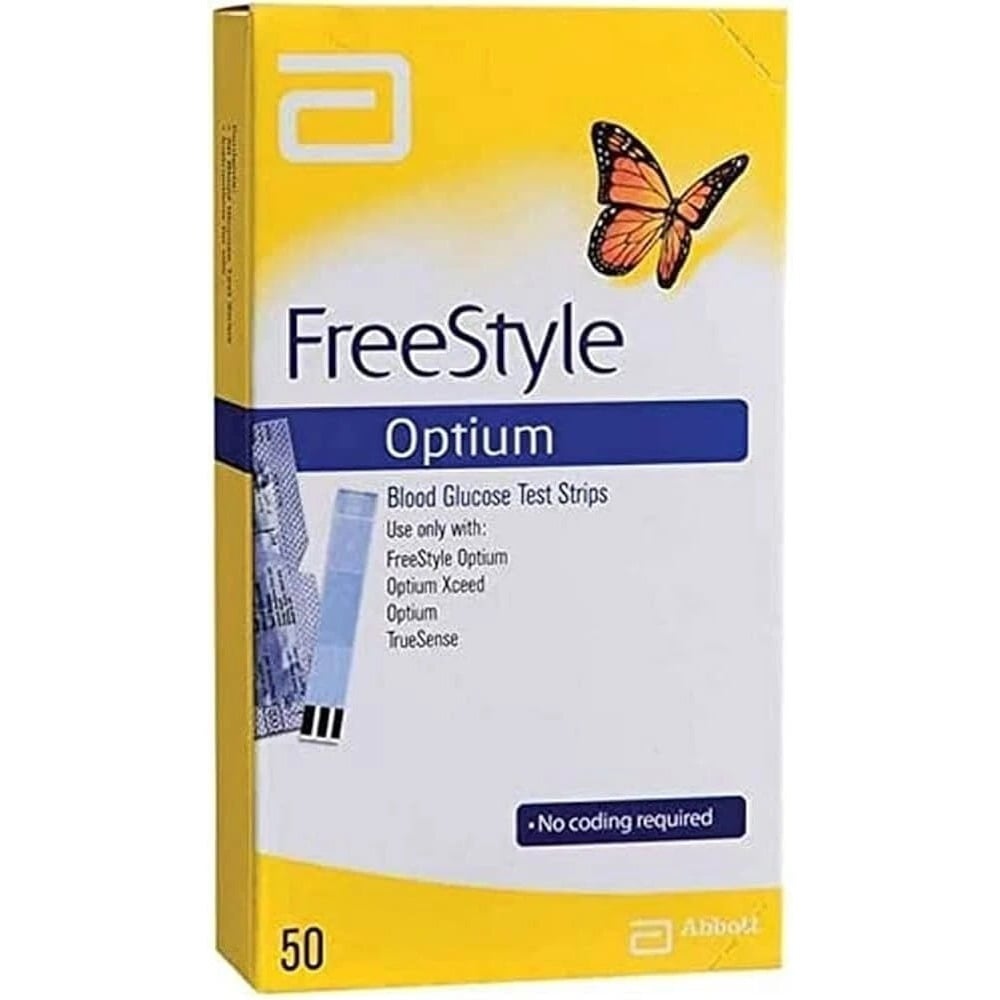
The product catalogue is broad, so a couple of examples show its range better than a long unfiltered inventory. Alongside general pharmacy products, the store lists glucose monitoring supplies such as FreeStyle Optium test strips and FreeStyle Libre 3 Plus sensors. These are practical examples of how an online pharmacy catalogue can include repeat-use healthcare supplies as well as one-off purchases. Readers can review the FreeStyle Optium product listing and the FreeStyle Libre 3 Plus sensor page to confirm device compatibility and current details; those pages are separate from clinical advice about using monitoring equipment.
Menopause products add a different kind of context because the same broad topic can involve different formulations, uses and levels of clinical support. Ovesse 1mg/g Vaginal Cream 15g + Applicator is a vaginal cream listing with an applicator. Its product information should be read for the intended use, directions and cautions, rather than treating the name as enough to decide suitability.
Gina 10 micrograms Vaginal Tablets is a tablet format, so the product page and patient information leaflets are especially relevant to how it is used. The two examples illustrate why “menopause treatment” is not one uniform product choice. The Ovesse product page and Gina listing provide their own details, while a clinician or pharmacist can help interpret the differences in light of someone’s medical history and current medicines. The site also lists other HRT products in different forms, reinforcing that formulation is one of several questions to raise rather than a basis for self-selection.

A separate listing, the Flourish Menopause Test Kit, should be understood on its own terms. The kit has a different role from a consultation about symptoms, history or treatment options. Readers can check the Flourish kit listing for its stated purpose and instructions before deciding if that information is useful to them. Readers should check the kit’s instructions and intended use before deciding whether it answers their actual question.
Everyday items share shelf space with consultation-led services, so each listing deserves to be read in its own context.

What the brand’s service design gets right
- Several routes are visible: NHS prescriptions, private prescriptions, telehealth and pharmacy shopping are presented as separate options.
- Clinical review is part of some pathways: the service descriptions make clear that some treatment requests involve assessment rather than automatic fulfilment.
- Product detail is specific: named listings give readers a starting point for checking formulation, pack information and accompanying instructions.
- Provider details are public: pharmacy registration and contact information appear on the site for readers who want to understand who is supplying their medicine.
Where a first visit still needs careful reading
- A catalogue is not personal advice: a listing alone cannot decide whether a medicine suits an individual.
- Eligibility varies: prescription and telehealth pathways can have defined criteria, and the HRT repeat service is not presented as an initiation service.
- Different routes have different steps: readers should distinguish ordinary pharmacy supply from a consultation-based treatment request.
- Information has limits: a home test or general article cannot replace a clinician’s evaluation where symptoms or concerns need it.
The brand story is also about access and navigation
PillSorted’s public presentation emphasizes being more than a dispensing counter: the homepage connects pharmacy supply with prescription delivery, telehealth and health information. That is a practical positioning rather than a claim that every health need can be handled online. For a reader, the benefit is a route map. One can begin with an existing prescription, a defined private service or an everyday pharmacy item, then follow the relevant process.
As with any digital healthcare service, the experience depends on the fit between the question and the pathway. A person who already knows what they need may value a clear product page; someone who is uncertain may need a consultation before shopping. PillSorted’s how-it-works information is useful for understanding process, while its women’s health resources offer broader reading. These resources explain the route; they do not make a personalised decision.
A few sensible checks before choosing a route
Before starting, a reader can make the visit more focused by identifying the kind of help they are looking for. A short checklist also helps prevent a familiar confusion: treating a store page, a clinical service and general health information as though they provide the same answer. The PillSorted story page, pharmacy shop, and health information index each serve a different purpose. Starting with the right page reduces the risk of mistaking general background for a service decision.
- Choose the pathway that matches the need: NHS prescription delivery, a private prescription, a telehealth service or a pharmacy product.
- Read the service eligibility and process before sharing information or expecting a particular treatment.
- For a medicine, check the current product page and patient information leaflet, including directions, cautions and compatibility.
- Ask a pharmacist or prescriber about personal circumstances, other medicines, or symptoms that are new or persistent.
This is where PillSorted’s educational content can be a helpful companion to its shop, especially when it explains a pathway or treatment area in plain terms. It remains background reading: an article can orient someone, while a professional can address individual circumstances.
Is PillSorted a useful first stop for understanding pharmacy options?
For readers who want to understand how online pharmacy, prescription delivery and selected remote care pathways fit together, PillSorted offers a clear UK starting point, with named products and service information to explore. We would approach it as a route to understand options and check eligibility, not as a promise that a particular medicine or pathway will be suitable.
The limitation is that a storefront cannot make a personal decision from a product page alone. If that distinction is clear, the brand’s range can be easier to navigate: begin with the relevant service, read the specific product information and involve a pharmacist or prescriber when the choice depends on individual health details.
