



A concise guide to MUJI’s material-led design idea, its UK range and the details that help a first purchase make sense.
For someone meeting MUJI for the first time, the obvious question is not simply what it sells. The more useful question is what connects a wardrobe basic, a storage box and a travel bag under one name. The UK store ranges across clothing, homeware, stationery, beauty, food and travel, so it can look like a department store until you notice the recurring preference for practical forms and restrained presentation.
We reviewed the brand’s published UK store and product information for this introduction. That material gives a clear starting point, while leaving some questions – such as fit, feel and how a product performs over time – for each reader to check against their own needs.
Some links in this article are affiliate links: if you make a purchase through them, we may receive a small commission.
Highlights
- MUJI covers daily-use categories, from clothing and homeware to travel and stationery.
- The brand describes an approach attentive to materials, processes and simplified packaging.
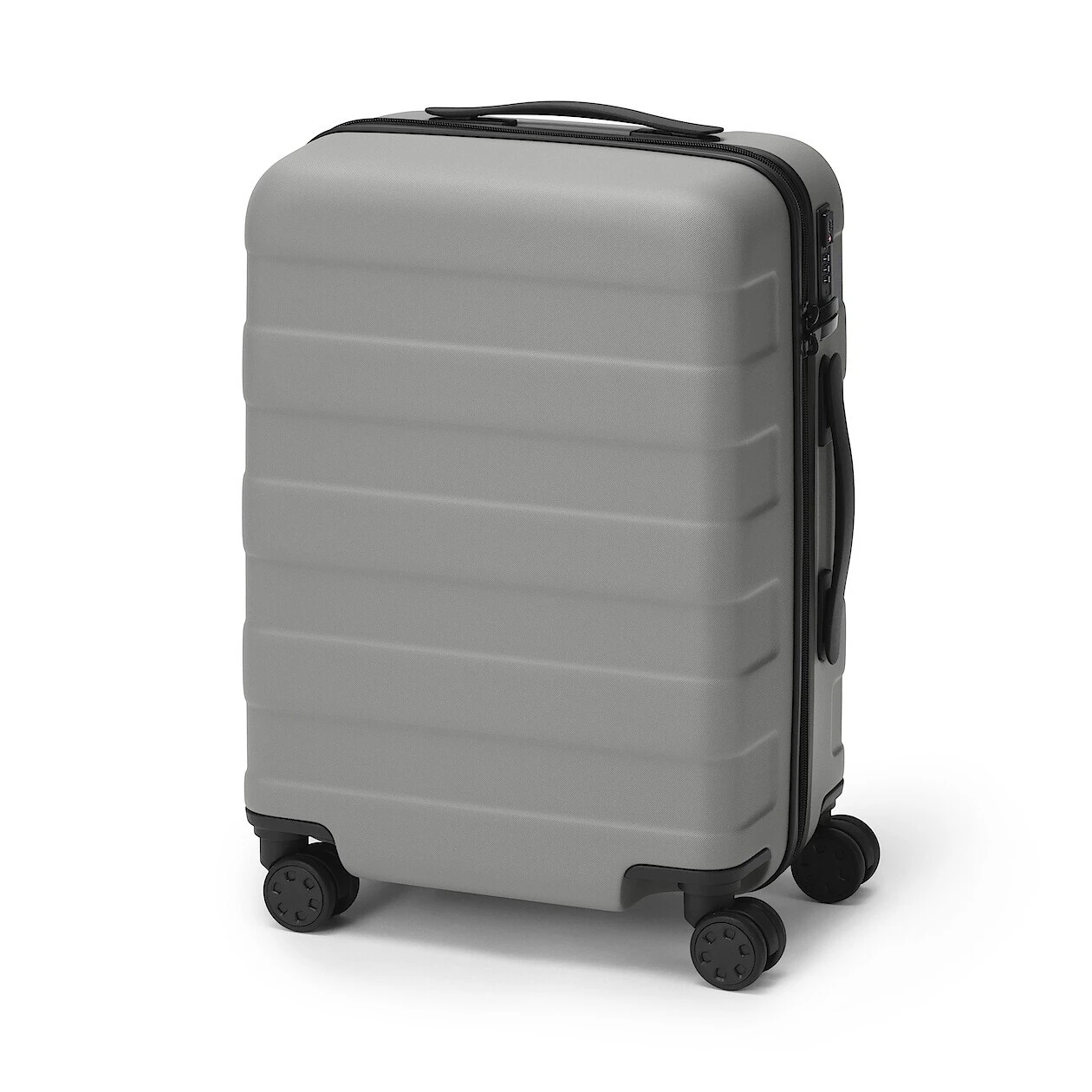
- The Small Hard Shell Suitcase 36 L is a defined example of compact, organised travel design.
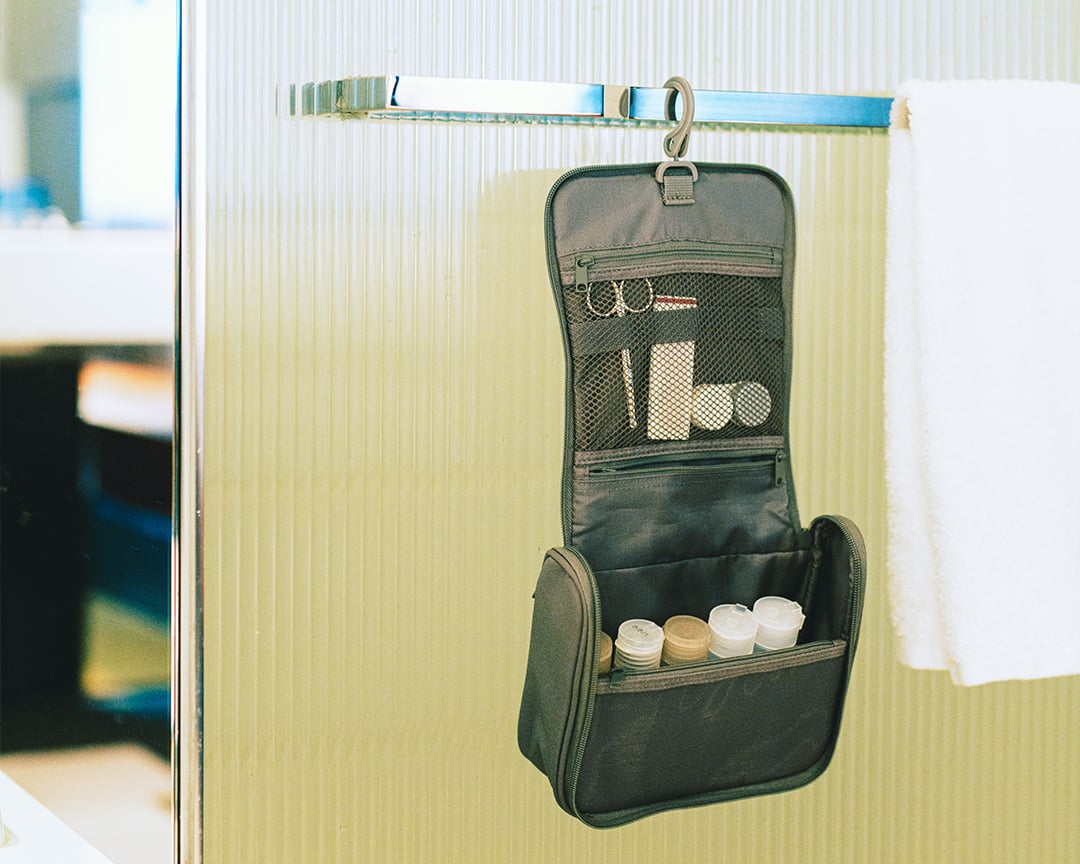
- The Water-repellent Ripstop Mini 2-Way Bag and Hanging Toiletry Bag with Detachable Pouch show the range’s focus on carrying smaller essentials.
A design idea that starts with the ordinary
The name MUJI is associated with “no brand” goods, but the UK store tells a broader story than visual minimalism. Its about and materials pages place attention on how things are made, the materials selected and the amount of packaging used. That framing suggests a useful editorial lens: judge an item by whether its materials, shape and details support the task, not by whether it looks spare in a photograph.
That distinction matters because a pared-back appearance is not a performance guarantee. A simple bag still needs a suitable strap, capacity and closure; a plain garment still needs the right fabric and cut. Design restraint is a starting point for comparison, rather than a substitute for checking product specifications. Readers can explore the brand’s stated approach through its UK pages and then assess each product on its own information.
- Look for the stated material and care guidance.
- Check dimensions against the space or items involved.
- Consider whether the product replaces a specific problem item or simply adds another option.

The store organises this idea across categories rather than limiting it to one signature product. A browsing route can start with the need – packing, carrying, dressing or organising – and then narrow by materials and dimensions. The broad catalogue is a benefit for readers who want coordinated everyday basics, but it can also make a first visit feel sprawling. Enter with a task in mind and the range becomes easier to read.
Travel goods make the design language tangible
Travel is a helpful first category because it makes capacity and organisation concrete. The Small Hard Shell Suitcase 36 L is listed with a 36 litre capacity, a useful piece of information for thinking about short trips and packing habits. The product page is the place to confirm its current dimensions, construction details and any practical features before deciding whether its scale fits a particular journey.
MUJI also lists a Medium Hard Shell Suitcase 75 L, making the size range more legible: readers can compare the smaller case with a larger format rather than treating luggage as a one-size decision. Capacity alone will not tell you how it handles stairs, storage or airline requirements, so dimensions and carrier rules deserve a separate check. The distinction between sizes is useful context, not a recommendation to choose the largest available.

For a lighter carry, the Water-repellent Ripstop Mini 2-Way Bag points to a different use case. The store identifies ripstop fabric and water repellency in its name, and its two-way format signals flexible carrying. Those are meaningful cues for an everyday bag, though shoppers should still inspect the product page for dimensions, strap arrangement and care guidance. A small bag is most useful when the essentials fit without forcing the wearer to overpack it.
The Hanging Toiletry Bag with Detachable Pouch takes another approach to organisation: it combines a hanging format with a pouch that can be removed. That can help separate a bathroom routine into a larger kit and a smaller group of items, depending on the details shown on the page. Check how it opens, what compartments are included and whether its packed dimensions suit the space available. These small design decisions are where an everyday range earns attention.
- Choose a case by packed volume and external dimensions, not capacity alone.
- For a day bag, check what must fit and how it is carried.
- For a wash bag, consider whether hanging access or a detachable section would simplify the routine.
Clothing and homeware widen the picture
Travel is only one doorway into MUJI. Clothing pages include familiar wardrobe categories such as shirts, trousers, knitwear and outerwear, while homeware spans storage, bedding, furniture and kitchen goods. Stationery and beauty add smaller everyday objects. This breadth gives the brand a coherent shopping environment for people who prefer calm, functional basics across several parts of life, although range breadth by itself does not mean every category will suit every taste.
Materials are a useful thread to follow in clothing. MUJI material pages discuss fibres such as flannel and merino wool, and its seasonal clothing sections make fabric and weather relevant to the choice. A shopper should compare care instructions, garment measurements and the intended layering role. Fabric names can orient a search, but they do not answer questions of personal comfort, drape or fit.
In the home, the same practical lens can be applied to storage and textiles: measure first, then compare access and footprint alongside maintenance. A storage item that fits its stated dimensions may still be awkward if the shelf depth or opening direction is wrong. We recommend using the product page details as a shortlist filter, especially when choosing larger home items that are harder to return or reposition.

The point is not that every object follows an identical aesthetic. Rather, the catalogue makes ordinary tasks the organising principle: carrying, storing, dressing and writing. That perspective can make a first purchase feel less like signing up to a lifestyle and more like replacing one item with a better-fitting format. Readers can browse homeware from MUJI, clothing range and stationery selection by the task they have in mind.
How to make a first browse more useful
A large multi-category store can reward deliberate browsing. Instead of opening every department, pick one routine and define what is not working. Someone preparing for a weekend away might compare a case, a small bag and packing organisers; someone updating a desk might focus on stationery and compact storage. This keeps product decisions connected to real constraints.
- Name the task. Write down the item or routine the product needs to improve.
- Set the constraints. Note dimensions, materials, care needs and how often it will be used.
- Compare adjacent formats. A small case, larger case and soft bag solve different carrying needs.
- Read the product details. Confirm specifications and current availability on the UK listing.
For the suitcase example, compare the 36 L small case with the 75 L medium case by trip length, storage space and the way you travel. The smaller number may suit a tighter packing list, while the larger capacity can be relevant for more belongings; neither is automatically the sensible choice. A product listing can clarify measurements and features, but only the reader knows their packing habits and transport needs.
For a smaller everyday purchase, the ripstop mini bag is easier to assess against what you carry daily. Likewise, the detachable-pouch toiletry bag has a clear organising premise. Looking at these pages side by side helps translate a general brand idea into features that can be verified, without assuming that a minimalist look guarantees personal fit.
Where the range is strongest, and where to pause
Why the everyday focus is useful
- Broad categories make it possible to browse practical goods across home, clothing and travel.
- Product naming often surfaces a material or use case, giving a first-time reader a quick comparison point.
- Specific formats, such as two suitcase capacities or a removable toiletry pouch, make the range easier to navigate.
What deserves a closer check
- A restrained design language cannot establish fit, comfort or long-term durability on its own.
- Material labels and capacity figures need to be read alongside care, dimensions and construction details.
- The catalogue is broad, so unfocused browsing can make it harder to identify what is genuinely useful.
That balance is a fair way to approach MUJI as a first-time shopper. The brand’s published design principles offer context, and its UK range contains concrete examples where size, fabric or organisation can be checked. Yet a coherent aesthetic should not make decisions automatic. Read the listing, compare the alternatives and think about how the item will be used in your own routine.
Is MUJI a useful place to begin for everyday essentials?
For readers looking for practical basics across several categories, MUJI is worth exploring. Its most accessible introduction is likely one well-defined need rather than a full lifestyle browse: a case sized to a trip, a compact bag for daily essentials, or an organiser for a recurring routine. The store’s range and material context give readers a useful framework for that search.
The limitation is that a consistent design approach cannot tell you whether an individual item will fit, feel right or justify its place. We recommend checking the specifications and choosing by use case, especially for luggage and clothing where dimensions and fit matter. Begin with a category that solves a real problem, then compare the small suitcase or browse the mini bag if travel is the need you want to address.
