



Match a Milk Street Kitchen tool to the task you actually do, then check blade care, counter space and useful accessories before you choose.
Choosing a kitchen tool is easier when you start with the job it must do. A knife that feels right for everyday prep has different priorities from equipment used to ferment dough, and a specialist tool only earns its place if it fits your routine.
We reviewed the product information in the US Milk Street Store and focused on three practical decisions: what you cook often, where the tool will live, and what support or accessories its use requires. The examples below make those trade-offs concrete without assuming that one item suits every kitchen.
Some links in this article are affiliate links: if you make a purchase through them, we may receive a small commission.
Highlights
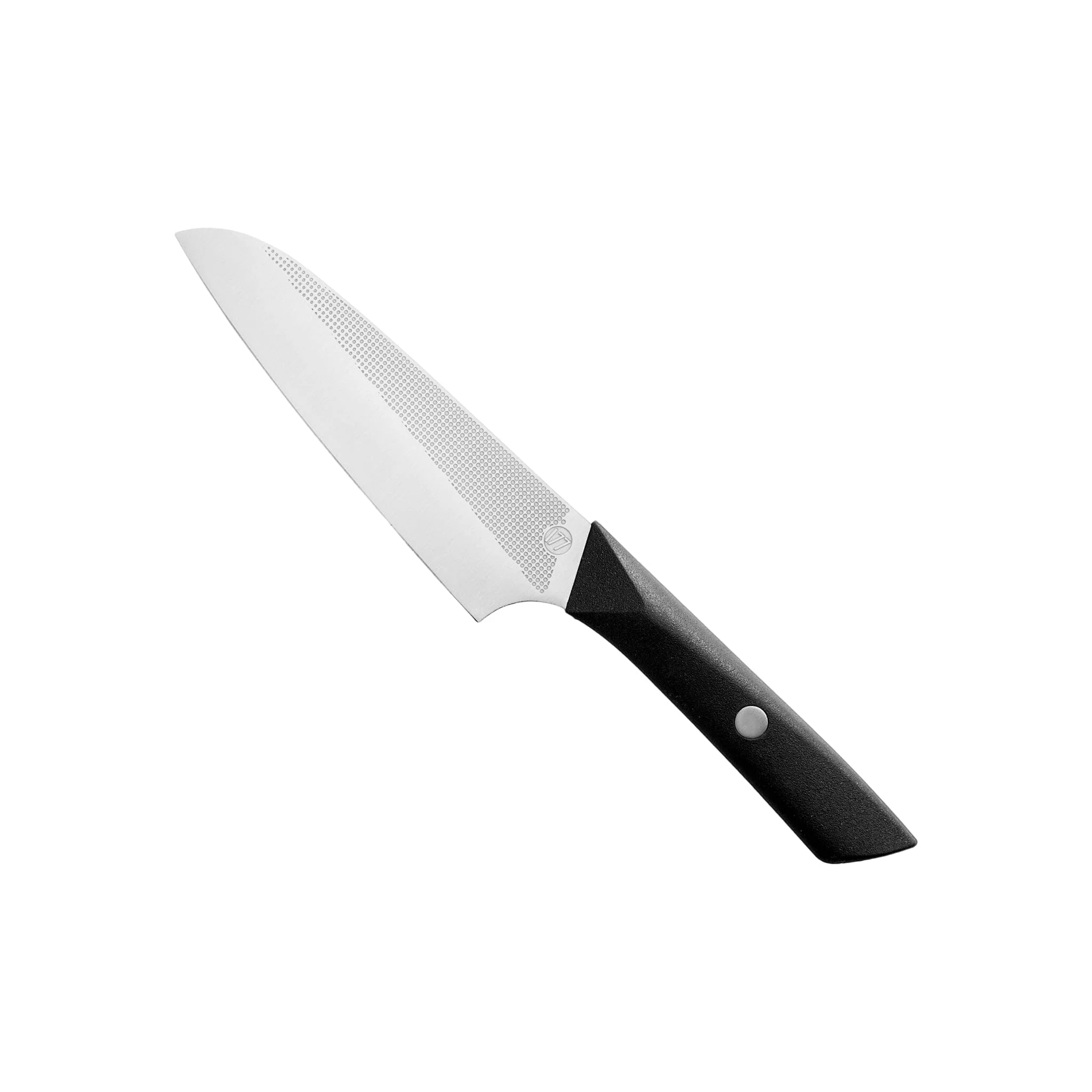
- Milk Street Kitchin-to Knife suits cooks seeking one agile prep knife, with a thin blade and rounded tip described by the store.
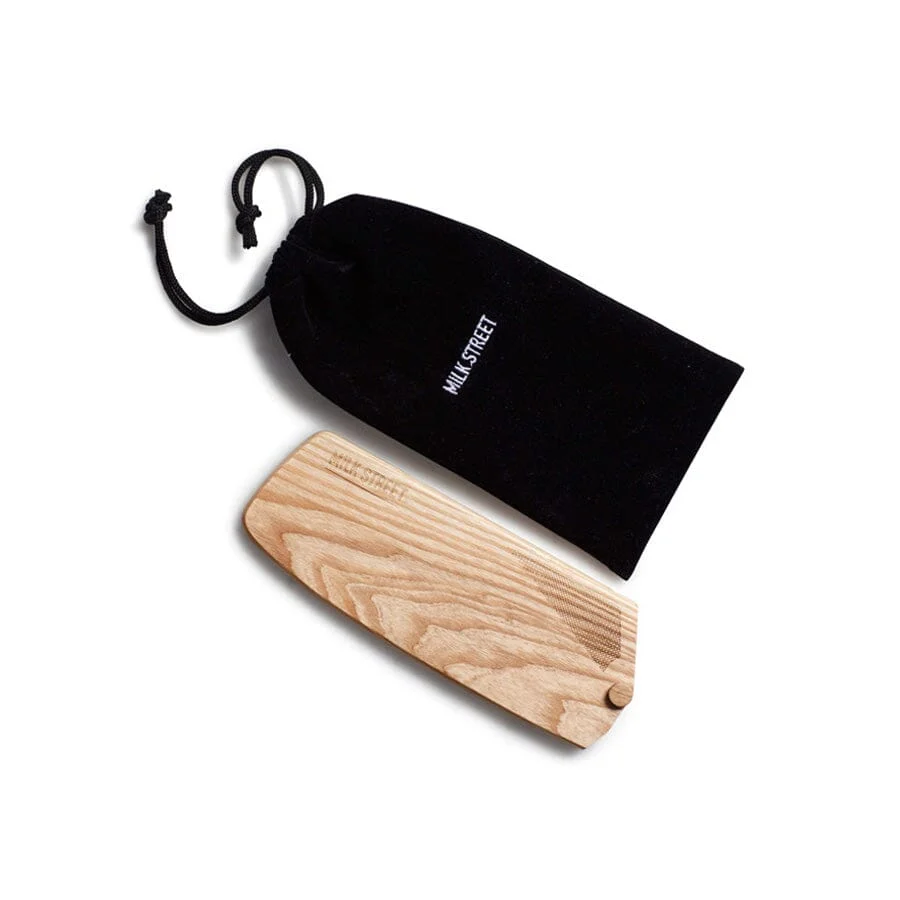
- Milk Street Saya Knife Guard – Kitchin-To is a purpose-fit ash wood cover to consider alongside the knife for protected storage.
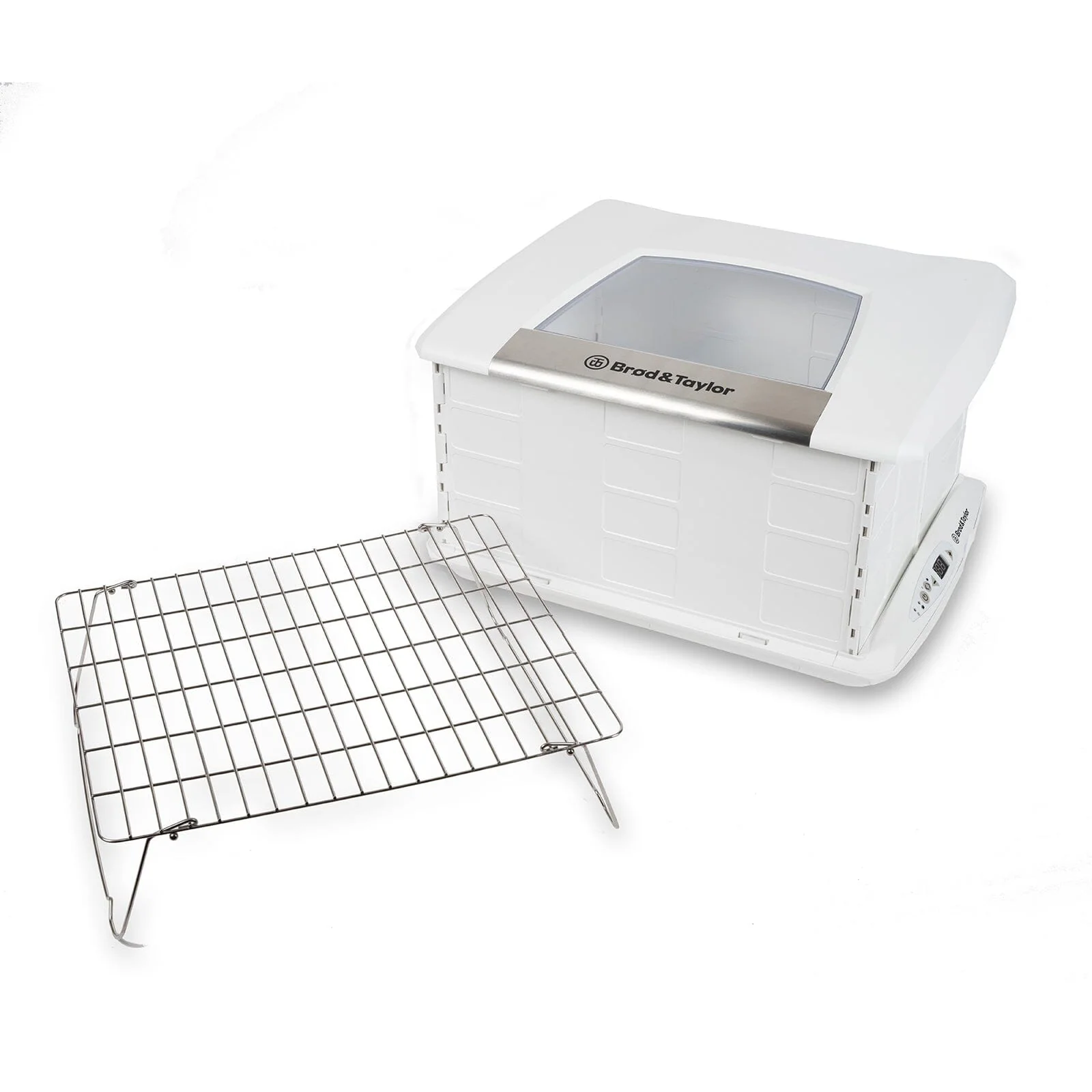
- Brod & Taylor Folding Proofer with Accessory Shelf targets repeat bread proofing and fermentation where controlled conditions matter.
- Before choosing, check dimensions, care guidance, included accessories and current availability on each US product page.
The Milk Street Store brings together tools, cookware, pantry goods and cooking education. That breadth is useful for browsing, but it means a buying decision should begin with a need rather than a category label. A focused tool can be more useful than a larger gadget collection when it solves a recurring kitchen problem.
Start with the task you repeat
Write down the kitchen job that is frustrating or taking extra effort. Is it chopping aromatics and vegetables most evenings, storing a knife safely between uses, or keeping dough conditions consistent? The best purchase is the one that fits a repeated task, not the one with the broadest feature list.
For general prep, the Milk Street Kitchin-to Knife is the clearest place to start in this selection. The store describes a thin blade and rounded tip, details that make it a distinct option to compare with the knives already in your drawer. Read the Kitchin-to product details for listed dimensions and materials, and use that knife listing to check current availability. Check the product listing for the full blade and handle specifications before deciding whether its profile matches your grip and cutting style.
If your cooking leans on precise slicing or you prefer a different blade shape, compare it with the Milk Street Santoku Suki. The store’s listing and images let you inspect the design, but shoppers should confirm the current specification and what is included on the live page. A new knife is not automatically an improvement if your present one is comfortable and maintained.
- List the ingredients you prep most often.
- Think about whether you value a compact all-purpose profile or a different blade style.
- Check handle shape, blade dimensions and care instructions on the product page.
- Set aside a storage spot before adding another knife to the drawer.
Compare the tools by use
This compact comparison is a shortlist, not a ranking. Follow the product link in each row to confirm the latest materials, dimensions and included pieces; product details can change as stock and versions change.
| Option | Best fit | Check before choosing |
|---|---|---|
| Milk Street Kitchin-to Knife | Frequent vegetable and ingredient prep | Blade and handle details; care guidance |
| Milk Street Saya Knife Guard – Kitchin-To | Protected storage for the matching knife | Fit and storage arrangement |
| Brod & Taylor Folding Proofer with Accessory Shelf | Regular proofing and fermentation | Counter space, controls and accessory setup |
A table cannot tell you whether a tool will fit your kitchen. Measure the available storage and work surface, then read the listing for dimensions and included components. For specialized equipment, include setup and cleanup in the decision: a tool that is awkward to store may see less use even if its core function is appealing.
Match a knife to your storage plan
A sharp knife needs a safe home when it is not in use. If you are considering the Kitchin-to, the matching Milk Street Saya Knife Guard – Kitchin-To is made from ash wood and designed for that blade. Treat it as a companion purchase to evaluate for fit and storage, rather than assuming any cover will work with any knife.
The matching guard listing is the place to verify compatibility and care details; review the Saya page alongside the knife information. Consider how you carry or store the knife: a guard can help separate a blade from other drawer contents, while a block, magnetic strip or existing drawer insert may already solve the problem. The right choice depends on your setup and the space you can dedicate.
For a useful check before ordering, compare the listing against these points:
- Does the guard explicitly match the knife model you own or plan to buy?
- Can the covered knife lie flat in the drawer or storage area?
- Do the care notes suit the way you clean and dry kitchen tools?
- Would a separate guard add convenience to your actual routine?
Choose a proofer only for a recurring need
The Brod & Taylor Folding Proofer with Accessory Shelf belongs on a different kind of shortlist. Milk Street presents it for proofing and fermentation with temperature and humidity control, and the accessory shelf is part of the named package. That makes it a specialized choice for people who bake or ferment often enough to value controlled conditions. Consult the proofer product page for listed operating details and check the accessory shelf information against your setup.
Before adding it to your kitchen, look at the product listing for its operating details and physical footprint. Folding may help with storage, but you still need a place to set it up during use and a plan for the shelf and other parts. Consider whether your recipes and baking frequency call for dedicated equipment or whether your current approach is adequate.
Use this quick planning sequence when considering a larger tool:
- Identify the recipe or fermentation process you repeat.
- Check the listed controls and the conditions your recipes need.
- Measure both the working area and the storage space.
- Confirm the listing’s included accessories and care instructions.
Check the details that affect ownership
Product pages are useful because they let you verify a model rather than rely on a category description. For a knife, read the dimensions, material and care guidance; for a proofer, check setup information, controls and the shelf arrangement. If the listing does not answer a question that affects fit, use the store’s support information before committing. Revisit the Kitchin-to listing, the guard details or the proofer information to confirm the exact model.
Availability and the delivered total may vary with product selection, shipping destination and any applicable store terms. We avoid quoting a fixed price because listings can change. Open the specific item page to see its current price and availability, and review shipping and returns information for the US store before placing an order.
Milk Street also sells pantry products and cookbooks, so it can be tempting to add extras while browsing. Keep the purchase focused: a pantry staple such as Pojer and Sandri White Wine Vinegar is a different kind of decision from an equipment investment. Think about how you would use it, whether the listing’s quantity suits your household, and how it fits the dishes you already make.

A simple shortlist for your kitchen
Use this sequence to narrow the choice without getting lost in a full catalog:
- Choose the task. Focus on a recurring prep, storage or baking need.
- Match the product. Compare the knife, guard or proofer against that task.
- Check the space. Confirm both use and storage dimensions from the listing.
- Review ownership details. Read materials, care, included items, shipping and returns.
- Decide on timing. Check current availability and price directly on the US store page.
This approach also helps avoid duplicate tools. If you already have a reliable prep knife, a new one needs a clear advantage for your cooking routine. If baking is occasional, dedicated proofing equipment may be harder to justify than it is for someone who regularly works with dough or ferments.

Strengths for practical shoppers
- Product pages identify specific tools and give a starting point for checking materials and use.
- The Kitchin-to knife has a matching ash wood guard listed for its blade.
- The proofer option is aimed at a clear task: controlled proofing and fermentation.
Limits to weigh before ordering
- A specialized tool may take up storage and setup space even when its design folds.
- Knife shape and grip preferences are personal; a product description cannot determine comfort for you.
- Availability, price and included details can change, so verify each current US product page.
Which Milk Street Kitchen tool fits your cooking routine?
For a cook who wants to refresh everyday prep, start by comparing the Milk Street Kitchin-to Knife with the knife already in use, then decide whether its matching guard solves a real storage issue. For regular bread making or fermentation, investigate the Brod & Taylor Folding Proofer with Accessory Shelf and check the space and operating details carefully.
Our recommendation is to buy around a repeat task and verify the listing before checkout. The honest limitation is that product descriptions cannot tell you whether a knife feels right in your hand or a larger device fits your routine; use the store’s current specifications to make that final call.
Milk Street Kitchen Tools Guide: Choose the Right Tool for Your Cooking
