



A closer look at Cocofloss’s dentist-designed approach, its expanding oral-care range, and the details that can help a first-time reader decide where to begin.
Oral care is a daily habit, but choosing products for it can become oddly complicated. Cocofloss offers a useful introduction to a different kind of brand story: one that begins with a familiar routine, then branches into tools for brushing and tongue cleaning.
We reviewed the brand’s product information and its stated design choices to map what the range includes and where a new reader might start. The practical question is less whether every item is essential and more whether a detail such as floss texture, brush shape, or reusable construction addresses a preference you already have.
Some links in this article are affiliate links: if you make a purchase through them, we may receive a small commission.
Highlights
- Cocofloss says its floss is woven from 500+ fibers and coated with coconut oil.
- The range extends from floss and Cocobrush toothbrushes to toothpaste and tongue cleaners.
- Smile Filter is listed as medical-grade stainless steel 316, according to the brand.
- Cocobrush uses soft multi-density bristles and an angled compact head, per Cocolab.
A brand built around small daily habits
Cocofloss is part of Cocolab, a direct-to-consumer oral-care company whose product pages describe the range as dentist-designed. The premise is straightforward: everyday tools can be made more considered through material, shape, flavor, and presentation. That idea is visible in its floss, but the catalog now reaches beyond the strand itself.
For readers meeting the name for the first time, the distinction is useful. This is not simply a flavor label attached to generic floss. Cocolab describes a textured strand made from more than 500 fibers and coated with coconut oil. The brand says the construction is intended to help the floss catch plaque and debris. Those are product claims, rather than evidence of a clinical outcome, so it makes sense to read them as design intent. The Smile Filter page offers a parallel example of a named material, and the Cocobrush listing specifies brush design features.
The stated material policy also gives context to the brand’s positioning: Cocolab says its Cocofloss products are non-PTFE, contain no added PFAS, and use recycled materials. Such details may matter to shoppers who compare ingredient and packaging information, but the exact material choices can differ by item. Checking the individual listing is the sensible step when a specific material is important to you. The Smile Filter description is one example, while the Cocobrush page gives a different kind of product detail.
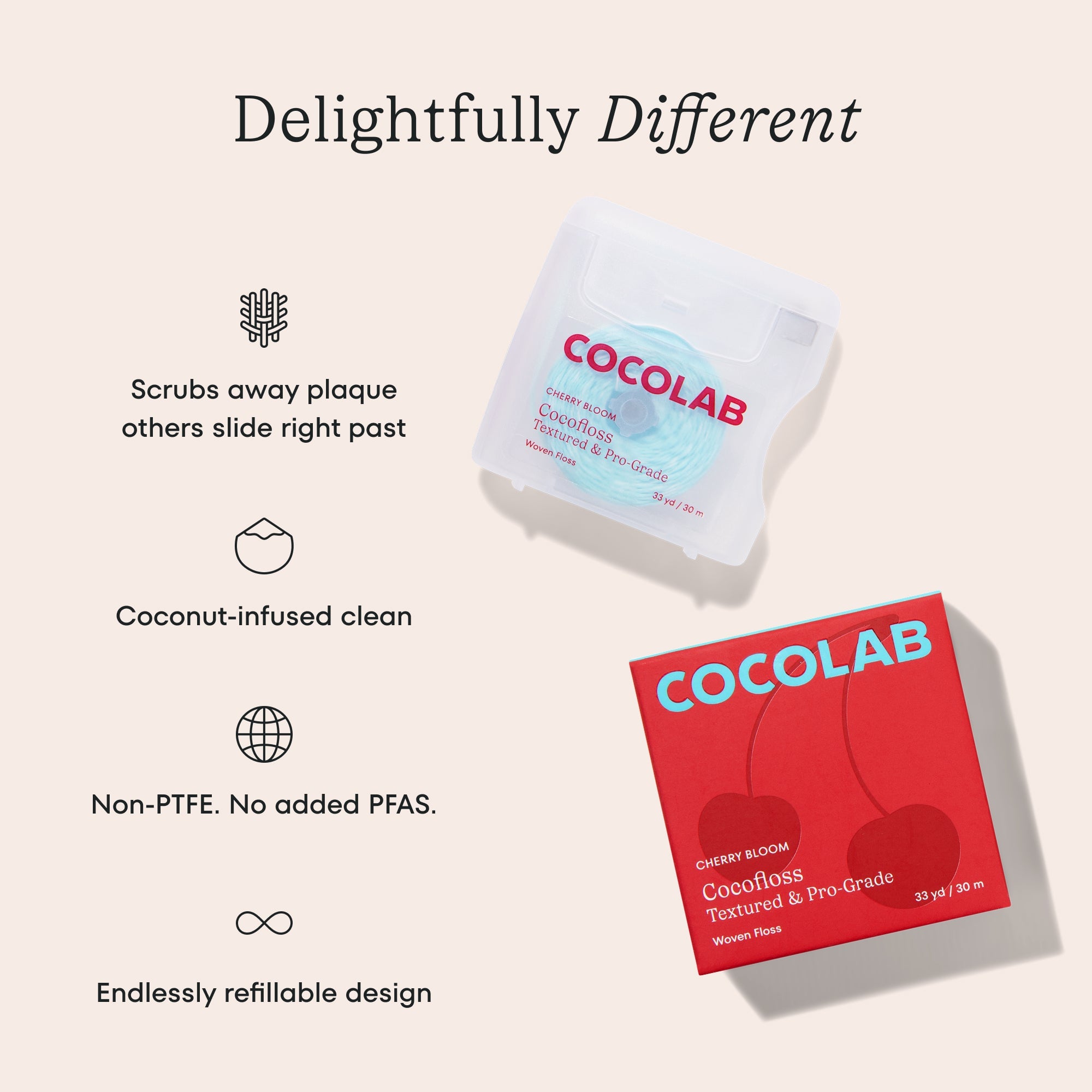
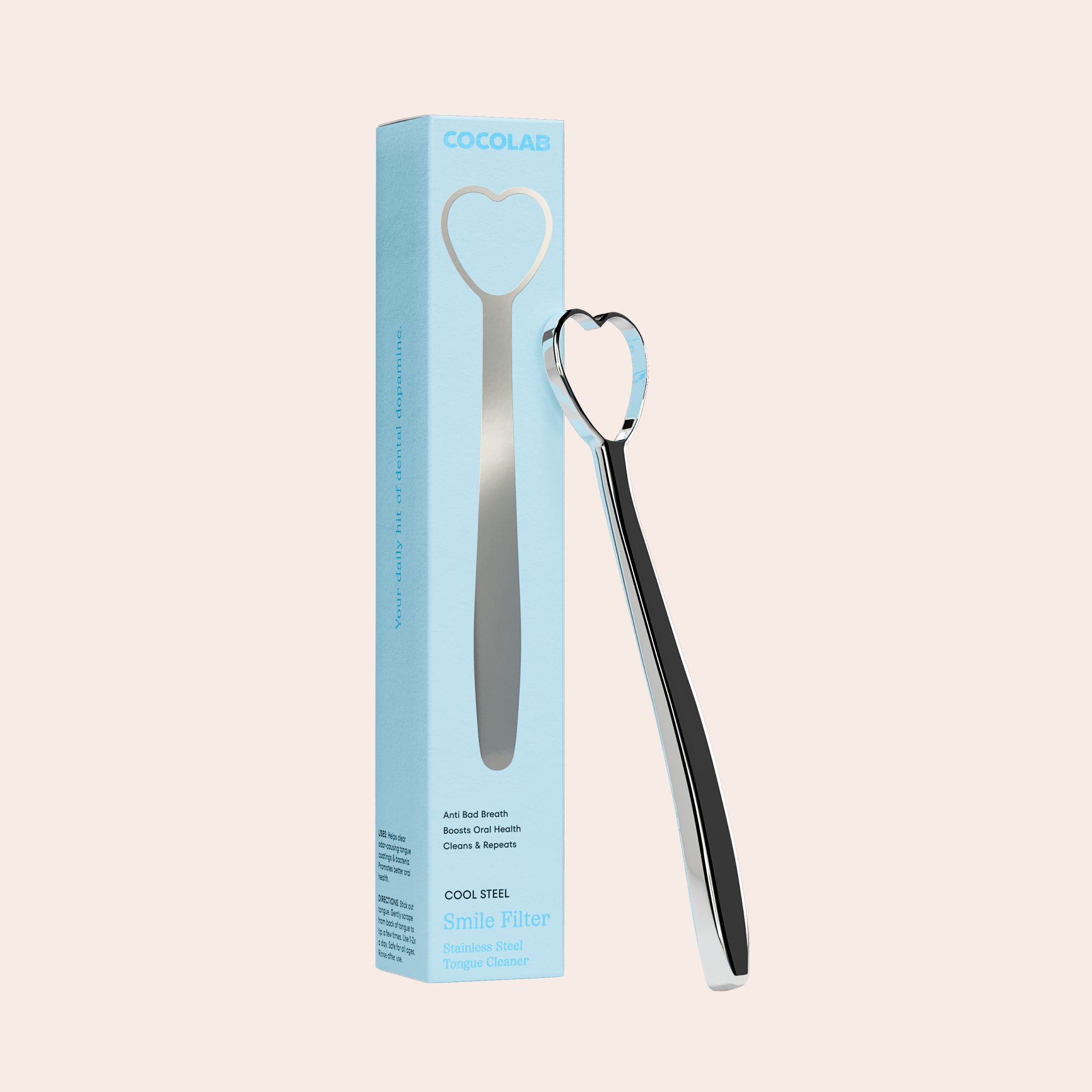
One starting example is Smile Filter Tongue Cleaner, a reusable tool made from stainless steel 316 according to its listing. The product page is specific about the material, which gives shoppers a concrete point to assess rather than a broad wellness promise. It also illustrates the range’s move into adjacent steps of an oral-care routine.
How the range moves beyond floss
The catalog makes most sense when viewed by task. Floss addresses between-tooth cleaning; brushes support the brushing step; tongue cleaners add a separate tool. That does not mean a reader needs a complete set. Instead, the range gives people room to replace one item or explore a second step without treating every product as a required bundle.
- Floss: textured and flavored options, with formats such as standard spools and thinner floss.
- Brushing: toothbrushes and Cocoshine toothpaste for the familiar sink-side routine.
- Tongue cleaning: reusable Smile Filter tools in different finishes.
- Accessories: holders and related pieces that can organize the routine, if storage is a concern.
The Cocobrush – 5 Pack is a useful example of how the company treats a basic tool. Cocolab describes a compact angled head and soft multi-density bristles. A multipack is naturally more relevant to households or people who want several brushes on hand than to a reader who is simply curious about the brand; that distinction can prevent a first order from becoming larger than the need.
In a different category, the Cherry Blossom Smile Filter Tongue Cleaner pairs the same general tool category with a colored finish. Its listing gives a straightforward way to compare the visual choice with the Cool Steel version. The decision here is largely about preference and whether a tongue cleaner is already part of your routine, rather than a technical difference we can infer from color alone. The colored option can be weighed against the Cool Steel listing.
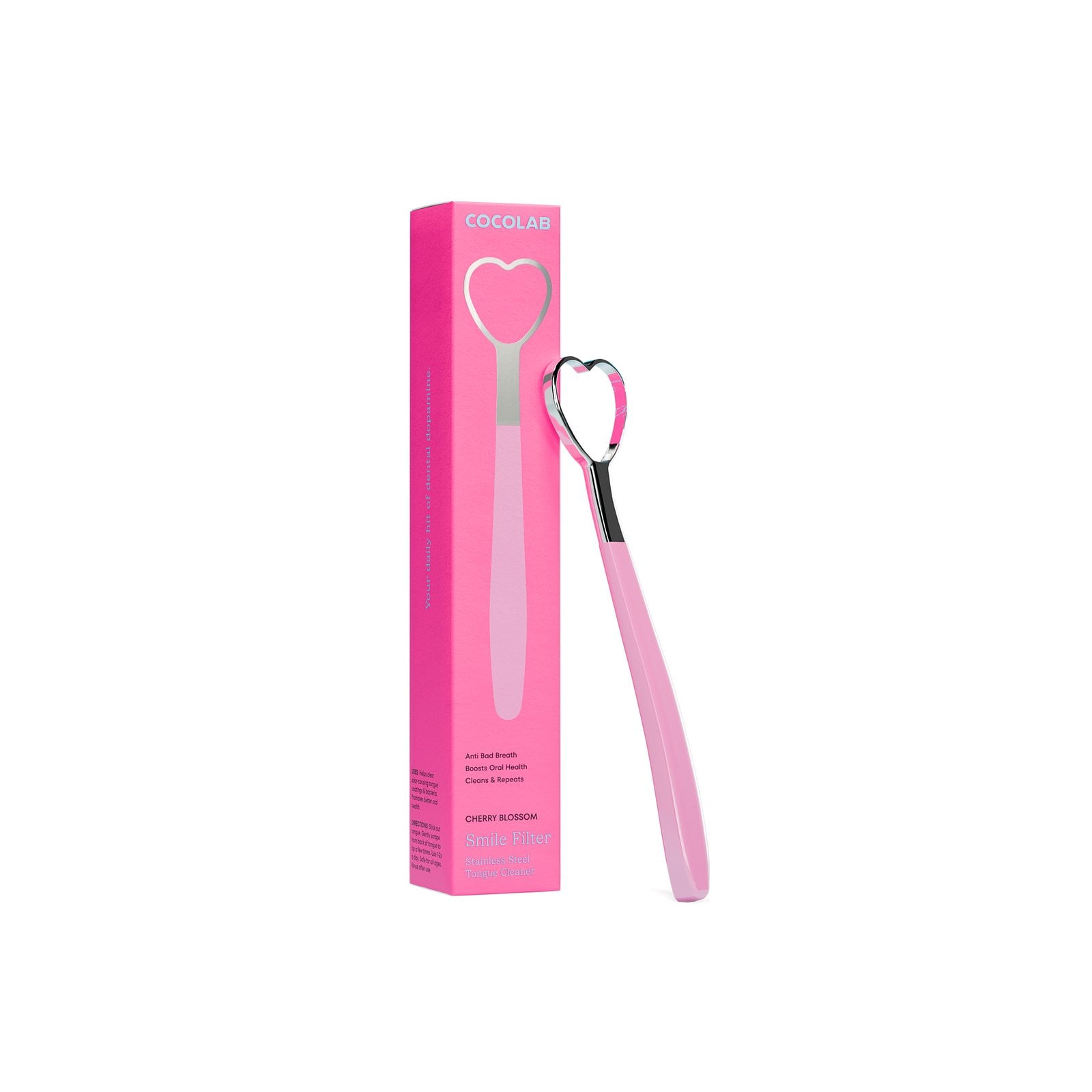
For someone deciding where to begin, start with the habit that already feels least satisfying. If floss texture or taste is the sticking point, browse the floss listings. If replacing a brush is the actual task, inspect the brush details. If you are curious about the reusable steel tool, compare the Smile Filter options. This keeps the brand’s wider range in view while preserving a clear reason for each choice.
The store’s own descriptions are the best place to check compatibility and current assortment. Product names and variants can change, and a particular color or format may not always appear. We would use the listings to confirm the material and format that matter, then choose the smallest product scope that answers the original need.
Why the design details matter
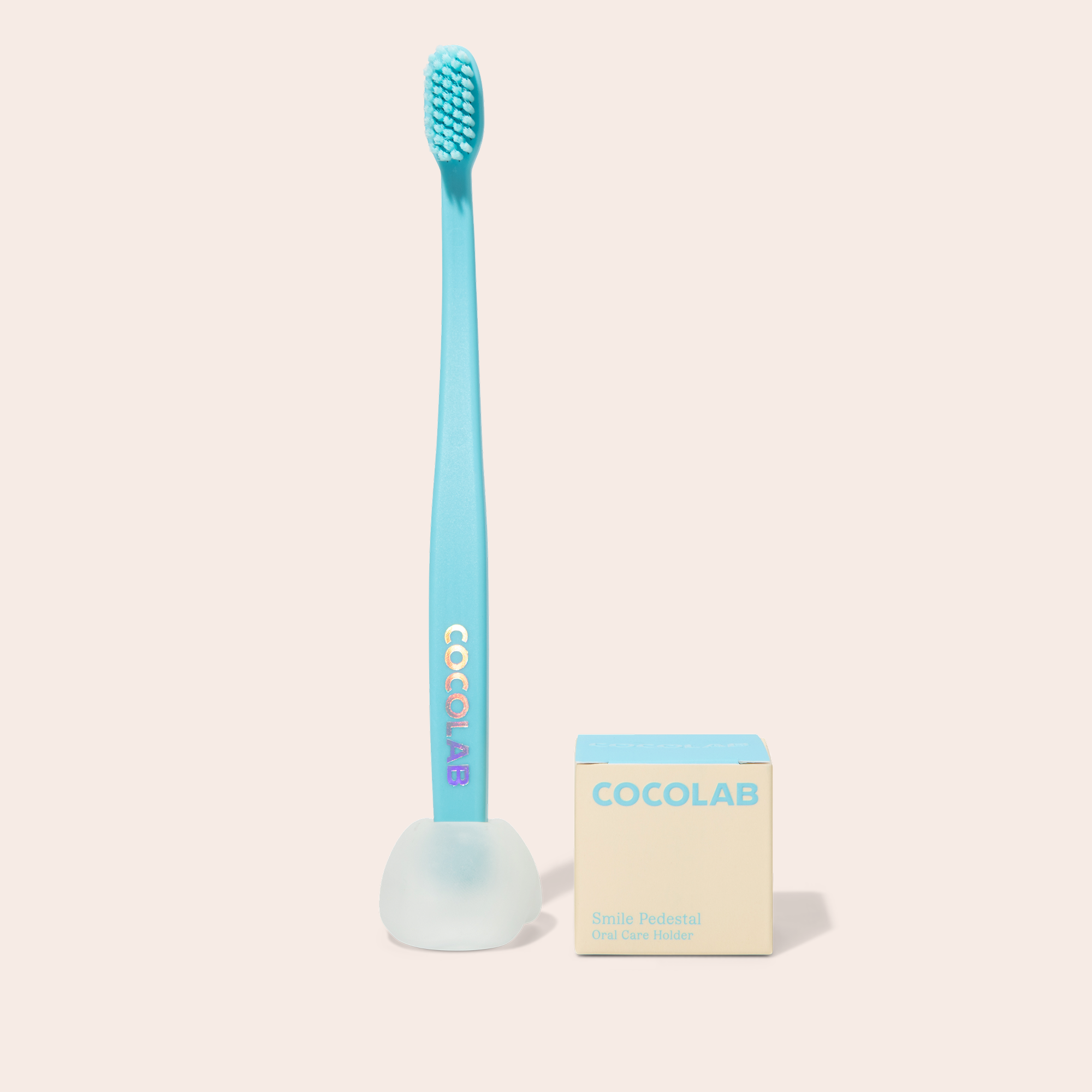
Product design is most helpful when it answers a small, specific friction. A textured floss strand may appeal to someone who prefers a more substantial feel between teeth; another person may prefer a slimmer format. A holder can keep a spool easy to find, but adds little if the existing dispenser works well. A compact angled brush head is a stated feature, though comfort and fit remain personal. The Cocobrush page is a place to inspect those brush details, and the Cherry Blossom Smile Filter page shows a different finish.
This is where Cocofloss’s product-led storytelling is strongest. It gives shoppers tangible details to compare: fiber construction, coconut-oil coating, bristle design, steel grade, and reusable form. Those are more useful than a sweeping promise that one tool will suit everyone. They also invite readers to consider how they actually shop: do they want a new sensation, a material they can identify, or simply a replacement for a product they already use?
There is also a practical limit to the range’s appeal. Colorful packaging and multiple flavors can make choosing enjoyable, yet they create options that are not necessarily meaningful to every buyer. The brand’s breadth is best treated as a menu rather than a routine to complete. A reader who wants standard oral-care basics may not need accessories or a matching set. The Smile Filter listing is one discrete starting point, while the Cocobrush multipack page is more household-oriented.
A simple way to explore the collection
Readers can use a short decision path before browsing. It helps keep the brand story grounded in actual use, and it works whether the first interest is floss or a broader oral-care shelf.
- Name the step you want to improve: flossing, brushing, or tongue cleaning.
- Choose one relevant format and read its material and design details.
- Check whether a multipack or accessory solves a real household or storage need.
- Compare variants only on qualities you care about, such as texture, flavor, finish, or size.
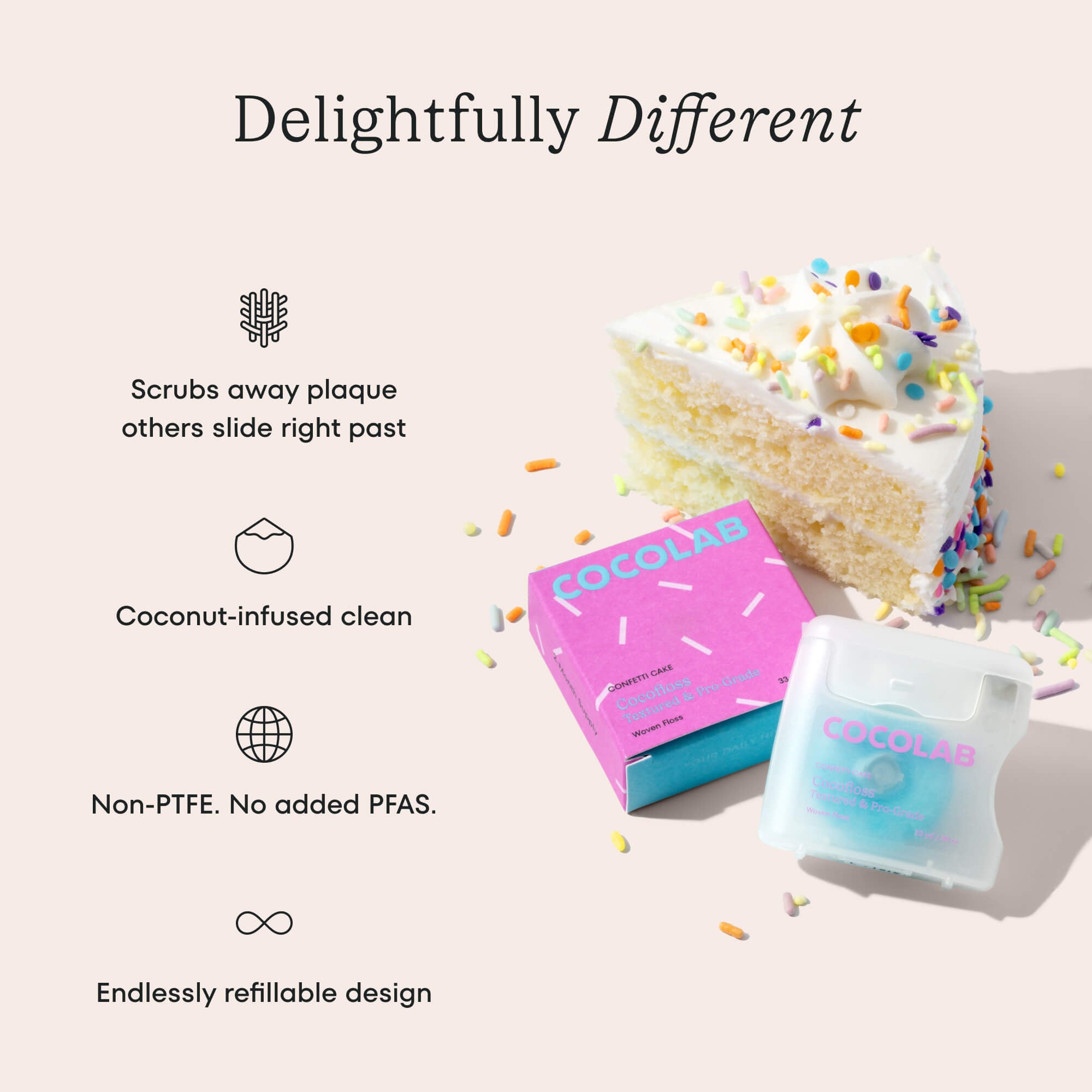
For readers drawn to floss, the store has multiple flavor identities, including Cherry Bloom and Confetti Cake, as well as different formats across the collection. Flavor can make the experience feel more inviting, but it is a preference rather than proof of better cleaning. The construction claim, meanwhile, is consistent with the brand’s central identity: an effort to make the familiar spool feel more considered.
Where Cocofloss earns a closer look
- Clear design details make the range easier to understand than a generic oral-care lineup.
- The catalog covers several routine steps, while individual items can be considered on their own.
- Material and construction claims give interested shoppers specific points to verify on each listing.
Where a measured approach helps
- Brand descriptions explain intended design, not personal fit or a guaranteed clinical result.
- Flavor, color, and presentation are subjective, so they may matter less than format or material.
- The wider catalog can tempt a reader to add items that do not address a current need.
Is Cocofloss worth exploring as a first-time reader?
Yes, if you are curious about oral-care products that explain their design choices and you have a specific routine step in mind. Cocofloss gives first-time readers a recognizable starting point in its textured floss, then extends to brushes, toothpaste, tongue cleaners, and accessories. The strongest reason to look closer is the concrete product information, not an assumption that the whole collection is necessary. Readers can open the Smile Filter listing or the Cocobrush 5 Pack listing to compare that information with their own priorities.
Our recommendation is to begin with one relevant listing and check its stated materials, format, and intended use. The honest limitation is that product descriptions cannot tell you whether a texture, flavor, or brush shape will feel right for you. For a broader sense of the brand and current options, visit the collection and let your routine set the boundary.
