



Use the quieter golf months to match a Newton driver or fairway shaft to the club you plan to carry next season.
Late fall and winter can be a useful time to review equipment because the next round is not always tomorrow. A club change has knock-on effects: head compatibility, shaft length, flex and the job each club performs all matter. Newton Shafts sells aftermarket driver and fairway shafts, with product pages organized around club type.
This guide uses the store’s product information to compare the Motion driver, the lighter Fast Motion option and a fairway shaft route. It is a planning aid, not a substitute for a fitting. Newton says its shafts are developed and handcrafted in the United States, and its site provides dot-coded flex choices plus a fitting guide. Confirm the current build details on the product pages before placing an order.
Some links in this article are affiliate links: if you make a purchase through them, we may receive a small commission.
Highlights
- The Motion Driver Shaft is the straightforward driver option to review against your current head and fit.
- The Fast Motion Driver Shaft is listed by Newton as 10g lighter than Motion.
- Motion Fairway Shaft pages are organized by club, including 3 Wood, 5 Wood and 7 Wood.
- Newton offers dot-coded flex choices and a fitting guide; confirm compatibility and build details before ordering.
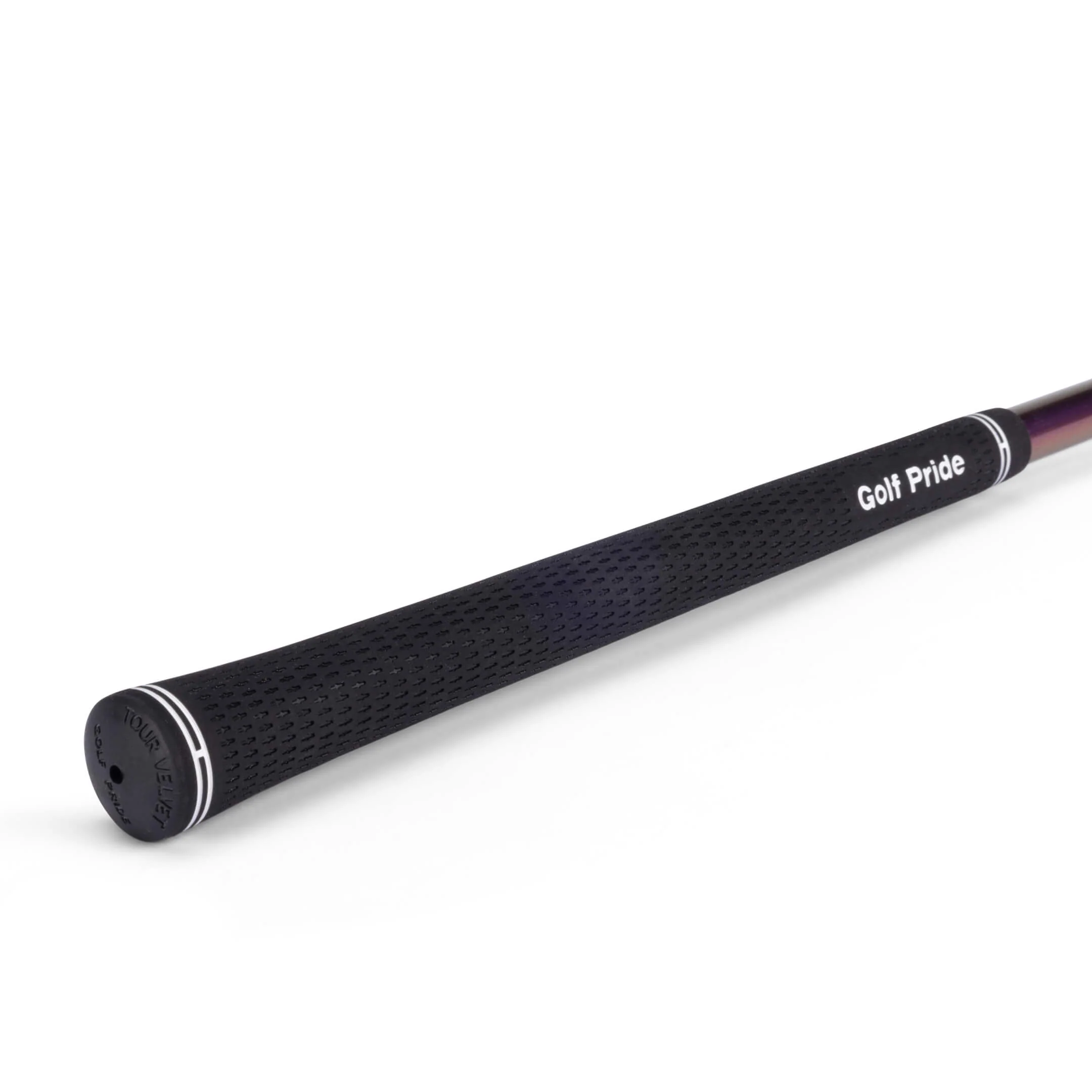
Make the off-season review specific
Start with one club that feels like a real candidate for a change. A driver and a fairway wood ask different questions, so do not choose a shaft because the label sounds close to a preferred feel. Write down the head model, current shaft details, playing length and the ball flight you want to understand. That short inventory gives you better questions for the store’s fitting resources or a qualified fitter.
Newton’s dot system is part of its selection process. The store presents flex options with dot designations, so compare the choice to your existing setup and the fitting guidance rather than translating a dot count into a universal flex label. Golfers with a specific tempo, delivery or launch concern should treat online product descriptions as a starting point and seek fitting input where possible.
- Record the club head make and model.
- Note the current shaft model and playing length if known.
- Describe the flight or feel you want to investigate.
- Check the Newton fitting guide before selecting a dot option.
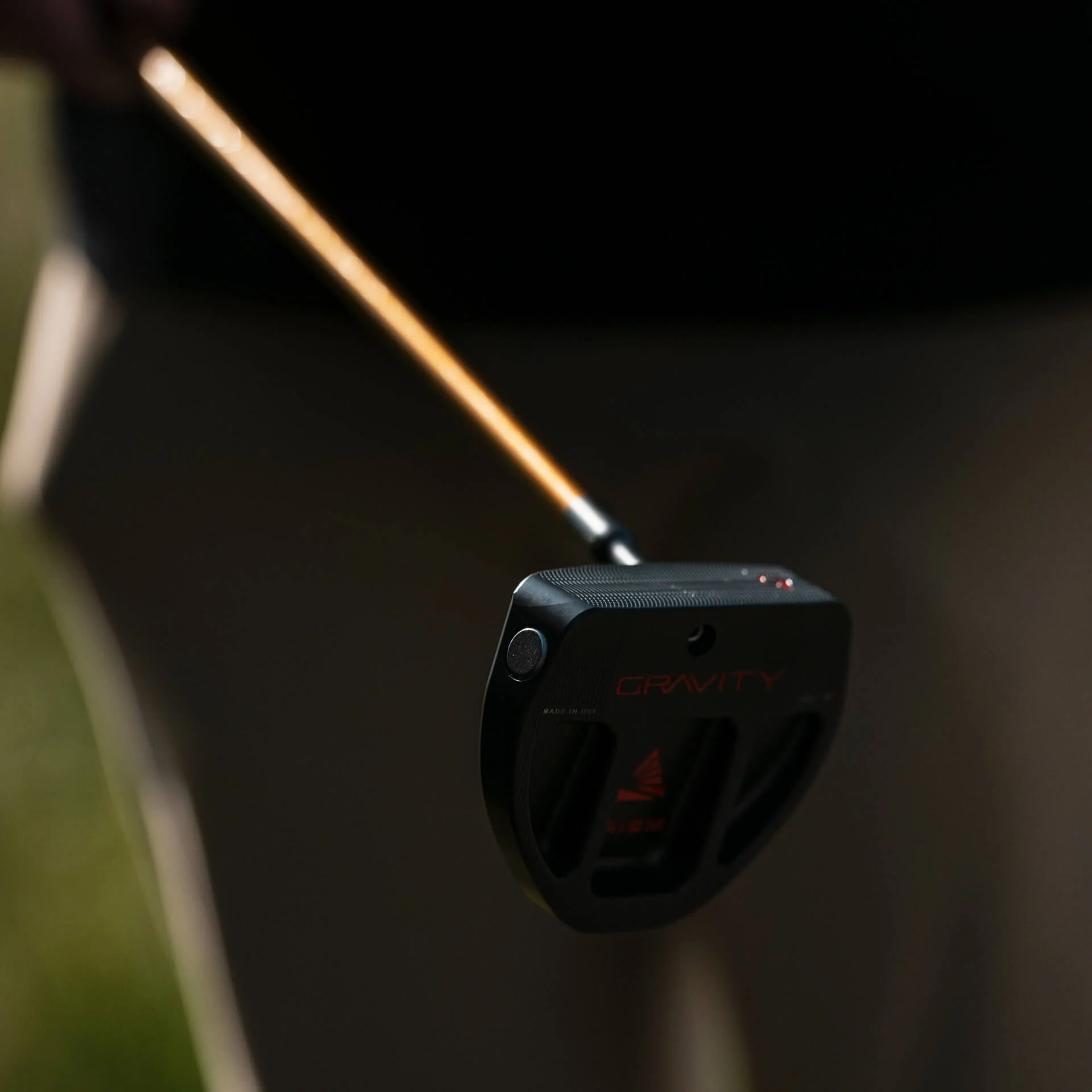
1. Motion Driver Shaft – a baseline for the tee club
The Motion Driver Shaft gives golfers a direct driver-specific product page to assess when a tee club is the priority. The relevant decision is whether the listed configuration fits your head and desired build, not whether the name alone promises a particular result. Motion driver details Review its available dot choices and fitting information together, then compare those details with your current driver. Motion Driver Shaft page
It may suit a golfer who has already narrowed the project to a driver shaft and wants to examine Newton’s standard Motion line. We would treat it as a candidate for a fitting conversation when the current club feels inconsistent or the player is rebuilding a driver during the off-season. The store page should be checked for the current available selections and any build notes. Newton product listing
Before you commit, confirm whether the page describes a cut or uncut product, how the shaft is intended to be installed, and whether your club head and adapter are compatible. The name Motion Driver Shaft is linked to the store’s exact product page, where those details belong: view the Motion Driver Shaft. Read Newton’s fitting guidance as well, particularly if you are unsure which dot selection maps to your swing.
2. Fast Motion Driver Shaft – compare the stated weight
The Fast Motion Driver Shaft is the clearest comparison point for a golfer considering a different driver feel. Newton lists Fast Motion as 10g lighter than Motion. That is a store-stated difference, not a guarantee of faster swing speed or improved distance; how a club performs depends on the player, head, build and delivery.
This option is worth examining when weight is part of the fitting question. Compare the two product pages and ask whether the lighter specification makes sense for your setup. Fast Motion listing If the driver already launches or feels the way you want, a seasonal equipment project does not require a change. If weight is one of several questions, keep the rest of the build consistent when discussing options with a fitter. Motion listing
Review the Fast Motion Driver Shaft page for current configuration notes and its dot choices: see the Fast Motion Driver Shaft. Do not infer a fitting result from the word “Fast”; use the listed specification and your own fitting information. That keeps the decision grounded in what Newton actually states.
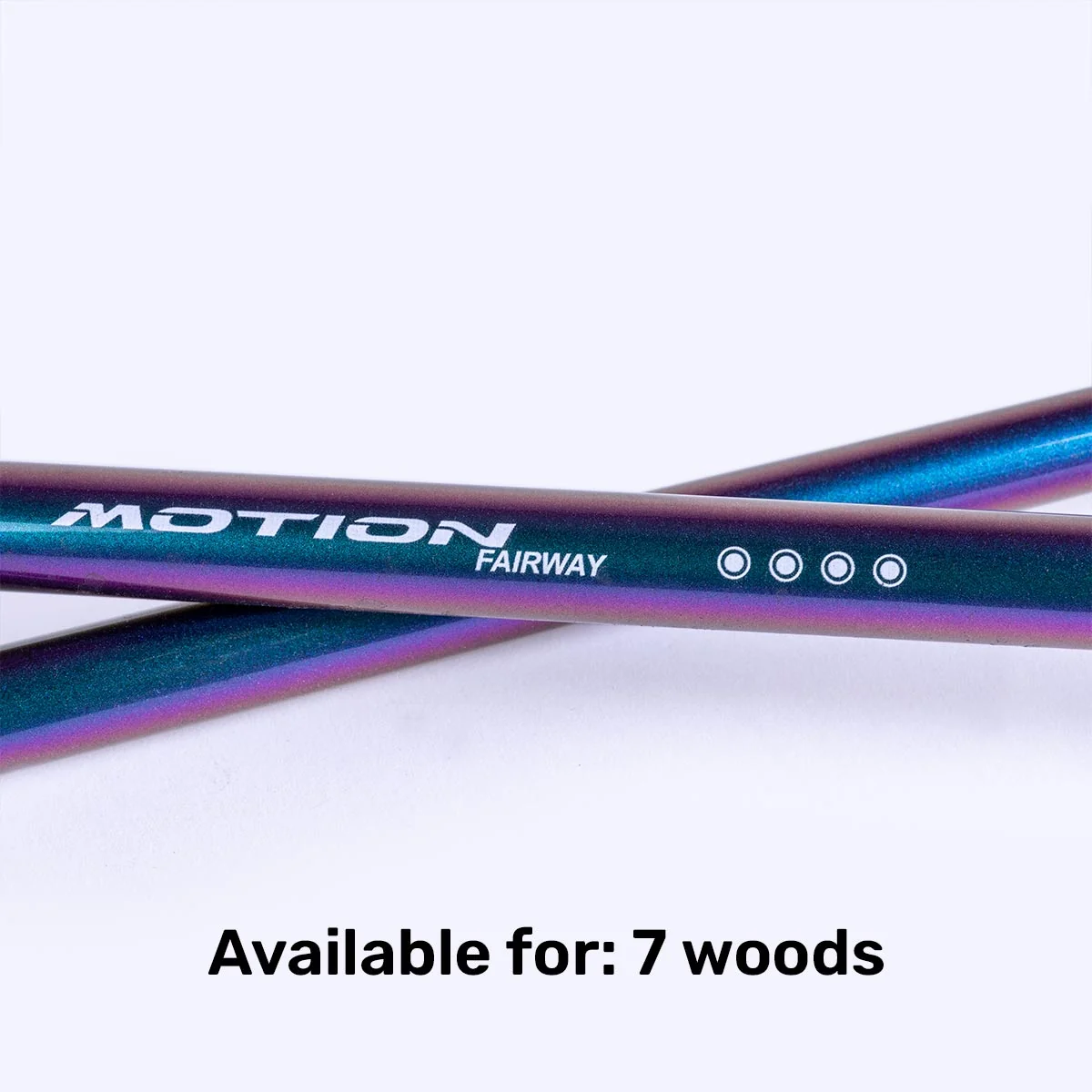
3. Motion Fairway Shaft – match the wood in your bag
Fairway projects are easier to evaluate when you begin with the club number. Newton lists separate Motion Fairway Shaft pages for 3 Wood, 5 Wood and 7 Wood. That makes the product range more specific than a single generic fairway listing. A 3 Wood often has a different role from a higher-lofted fairway club, so select the page that corresponds to the club you are actually building.
The 3 Wood listing is one entry point for a golfer focused on a primary fairway club: view the Motion Fairway Shaft – 3 Wood. The 7 Wood page gives a different club-number option: view the Motion Fairway Shaft – 7 Wood. Check the stated fit, available choices and build details on each page. 7 Wood listing The product names tell you which club number the listing addresses, but they do not establish compatibility with every head or player.
For the off-season, this category is useful if you are reviewing a gap in the top end of the bag or replacing a shaft in a club you plan to keep. If you are unsure whether a 5 Wood or 7 Wood better fits your distances, settle that gapping question before deciding on a shaft. 3 Wood page A club fitting or launch-monitor session can help separate the club choice from the shaft choice.
A short winter checklist
Keep the selection process practical. A product page can tell you what Newton lists, while your club and swing determine whether that offering fits. Before ordering, use this quick sequence:
- Choose the specific club project: driver, 3 Wood, 5 Wood or 7 Wood.
- Check head compatibility and whether your preferred build is available.
- Compare the dot-coded options with Newton’s fitting guide and your existing specifications.
- Ask a fitter about unresolved questions on weight, length, flex or launch.
- Revisit the store page for current price and availability since these can change.
Check the Motion Driver Shaft details if a driver build is your focus. For replacement shafts, installation deserves attention too. Confirm what is included and whether professional installation is needed for your build. A shaft that appears suitable on paper may still need trimming, an adapter or other work, depending on the club and product configuration. The store’s current listing and a club builder can clarify the practical details.
Where the range fits and where it needs context
Why the range is easy to compare
- Driver and fairway choices have separate product pages, making the club role clear.
- The Fast Motion weight difference is stated by the store and gives shoppers a concrete comparison point.
- Newton provides a fitting guide alongside dot-coded choices; read the Fast Motion product information as well.
- The fairway lineup includes club-number listings for golfers choosing among several wood slots.
What to confirm before deciding
- A product name or dot code alone cannot determine the right fit for every golfer.
- Head compatibility, playing length and installation details need confirmation for the specific build.
- The listed weight distinction does not promise a speed or distance result.
- Availability and pricing can change, so check the store page before making plans.
Is winter a good time to choose a Newton shaft?
It can be a sensible time to compare options if you already know which club needs attention and can check fit details without rushing into an order. We would start with Motion for a standard driver comparison, consider Fast Motion when weight is a deliberate fitting question, and choose a fairway page by the club number in the bag. Newton’s product pages and fitting guide give the decision a useful structure.
The limitation is that online specifications cannot confirm how a shaft will perform in your particular swing or club build. If that is still uncertain, ask a fitter or builder before ordering, then check current availability and price on the store page.
