



Compare three Triptogo itineraries by route, pace and trip length to decide which kind of fall journey deserves a closer look.
For a fall break, start with the amount of time you can take away and the kind of route you want. The tricky part is choosing the shape of the trip. Do you want cities with open time between them, a focused route around a major landmark, or several different settings in one compact itinerary?
We reviewed the information on Triptogo’s US-facing itinerary pages and found three useful contrasts. Experience Taiwan is a longer, at-your-own-pace route; Heart of the Inca centers a high-profile South American journey; and Classic Thailand connects three familiar stops. Each page gives a starting point for comparing what is included and what still needs arranging.
Some links in this article are affiliate links: if you make a purchase through them, we may receive a small commission.
Highlights
- Experience Taiwan connects Taipei, Taichung and Kaohsiung across a listed 12-day, 10-night itinerary, with free time and optional cultural experiences described on the page.
- Heart of the Inca follows Lima, Cusco and Machu Picchu in a listed 8-day, 7-night route.
- Classic Thailand combines Bangkok, Pattaya and Phuket in a listed 8-day, 7-night trip.
- Compare itinerary pace, included services, optional activities and current availability before settling on dates.
Choose a fall trip by the time you have
Seasonal planning starts with the calendar, not a destination list. An eight-day itinerary and a twelve-day itinerary ask for different amounts of leave, different flight planning and different tolerance for changing hotels or cities. Triptogo labels its trip lengths in days and nights, which makes a first comparison straightforward, but travelers should still check the detailed inclusions and departure information on the live listing.
For a first shortlist, write down the fixed parts of your fall window and then decide how much of the trip you want pre-arranged. A route that spans several cities can reduce the work of sequencing stops, yet it may leave less room to linger. An itinerary described as having free time may suit a traveler who likes structure with breathing room, though optional experiences can change the final shape of the days.

Use these questions to keep the comparison grounded:
- How many nights can you realistically be away, including long-haul travel?
- Which stops are essential, and which would you happily save for another trip?
- Does the page distinguish included arrangements from optional experiences?
- What would you need to book or confirm separately before departure?
A multi-city itinerary is most useful when the route itself is part of the appeal. If the season is your reason to travel, check destination-specific conditions and operating schedules independently; a fall calendar does not guarantee the same experience in every city or at every attraction.
This summary separates the details shown in the listings from questions to confirm before booking.
| Itinerary | Listed duration | Route or pace stated | Best suited to |
|---|---|---|---|
| Experience Taiwan | 12 days, 10 nights | Taipei, Taichung and Kaohsiung; free time and optional experiences | Travelers with a longer window who want some independent time |
| Heart of the Inca | 8 days, 7 nights | Lima, Cusco and Machu Picchu | Travelers focused on Peru and its landmark route |
| Classic Thailand | 8 days, 7 nights | Bangkok, Pattaya and Phuket | Travelers wanting a three-stop route in one country |
1. Experience Taiwan – room for a measured pace
Experience Taiwan: Discover Taipei, Taichung & Kaohsiung is the longest of these three listed options at 12 days and 10 nights. Triptogo describes it as travel at your own pace, with a balance of iconic sights, free days and optional cultural experiences. That combination makes it the natural first look for someone who wants a route across multiple cities without filling every day with scheduled activities.
The Taiwan itinerary three-city structure gives the trip a clear progression, and optional experiences may help travelers add context where they want it. Before choosing, open the Taiwan itinerary details and confirm how transfers, lodging and any guided activities are handled. The listing’s summary is helpful, but the detailed itinerary is where a traveler should check exact inclusions, day-by-day timing and any conditions attached to optional experiences.
The Experience Taiwan route best suits someone with enough leave to give three cities breathing room and who is comfortable making some choices during the trip. Its main trade-off is the commitment: a longer itinerary calls for more time away and a careful look at the pace between stops. If you have only a short fall break, the two eight-day routes below may be easier to fit.
2. Heart of the Inca – a landmark-led route
Heart of the Inca: Lima, Cusco & Machu Picchu Discovery lists an 8-day, 7-night journey through three named destinations. The route gives the trip a strong organizing idea: begin with Lima, continue to Cusco and make Machu Picchu the central draw. It is the clearest choice here for readers whose priority is a specific landmark and the cities connected to it.
The Heart of the Inca route can work well when the destination is the point, but it also makes the detailed schedule especially important. Check how much time is allocated to each stop, what transport and accommodation are included, and whether the listing specifies any preparation travelers should handle themselves. The Heart of the Inca listing is the right place to confirm the current itinerary and availability, rather than relying on the title alone.
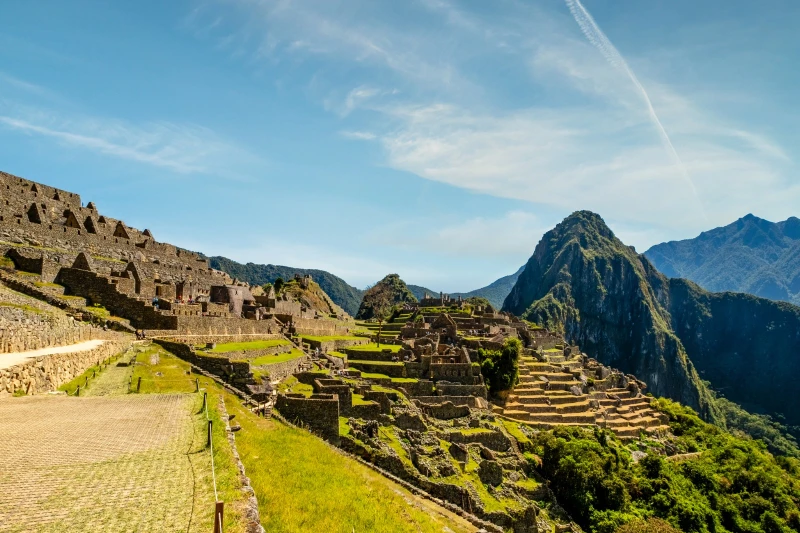
We would shortlist Heart of the Inca for travelers who want Peru to anchor the break and prefer a defined sequence to assembling each leg independently. Its limitation is equally clear: the itinerary is concentrated around a particular route, so it offers less geographic variety than a broader multi-country trip. Travelers should also consider how the schedule fits their own pace before committing to a landmark-led itinerary.
3. Classic Thailand – three distinct stops in one trip
Classic Thailand: Bangkok, Pattaya & Phuket also lists 8 days and 7 nights, but its three stops create a different kind of trip from Peru. Bangkok, Pattaya and Phuket suggest a mix of urban time and coastal destinations within one country. For a fall planner who wants several settings without selecting a longer itinerary, its route is a useful comparison point.
The Classic Thailand listing title is concrete about the cities, but the page details should settle the practical questions: how travel between stops works, what the trip includes, and how much unstructured time remains. Review the Classic Thailand itinerary for the current route and availability. A multi-stop trip can save the work of building a sequence from scratch, while still requiring travelers to check the pace and local transfers carefully.

The Classic Thailand route is the strongest fit for someone who values a ready-made city-to-coast outline and has roughly the same trip window as the Peru option. It may be less suitable if you would rather stay in one place, avoid frequent transfers or spend the whole break in a single region. The destination mix is a prompt to inspect the itinerary, not a promise about the time spent at each stop.
What to compare before reserving
Once one route looks promising, compare the details that affect the actual trip rather than relying on destination names alone. A seasonal trip can be appealing on paper yet awkward around work dates, connection times or personal pace. The itinerary page remains the source for checking what a particular booking includes.

- Trip length: match the listed days and nights to your available leave and travel days.
- Daily pace: distinguish guided time, free days and optional activities in the itinerary.
- Logistics: confirm which transfers, accommodation and services are included.
- Current details: check dates, availability, requirements and the displayed booking terms on the live page.
Cost can depend on travel dates, room arrangements, included services and optional experiences. We are not stating a fixed amount because those details can change; review the live listing and booking terms for the current total before making plans. Also confirm passport and entry requirements through the relevant official sources for your itinerary.

Where these routes suit a fall break
- Experience Taiwan offers the longest listed window and an itinerary description that includes free time.
- Heart of the Inca keeps the focus on Lima, Cusco and Machu Picchu over a shorter listed duration.
- Classic Thailand gives an eight-day route through three named destinations in one country.
Where to pause before choosing
- The listing titles do not answer every question about transfers, lodging or inclusions.
- A multi-city sequence may feel busy if you prefer a slower stay in one place.
- Seasonal timing alone does not confirm local weather, attraction hours or entry requirements.
Which Triptogo itinerary fits your fall window?
Choose Experience Taiwan if your calendar can accommodate its longer listed duration and you value free time across several cities. Choose Heart of the Inca if Peru and Machu Picchu are the central reason for traveling. Choose Classic Thailand if an eight-day, three-stop outline is more appealing than the longer Taiwan route. These are recommendations based on the published route descriptions and durations, not on a personal trip.
The trade-off across all three is the same: a packaged route can simplify the planning sequence, but the details determine whether its pace and inclusions suit you. Read the full itinerary, confirm what is covered and compare the live terms before making a decision.
