
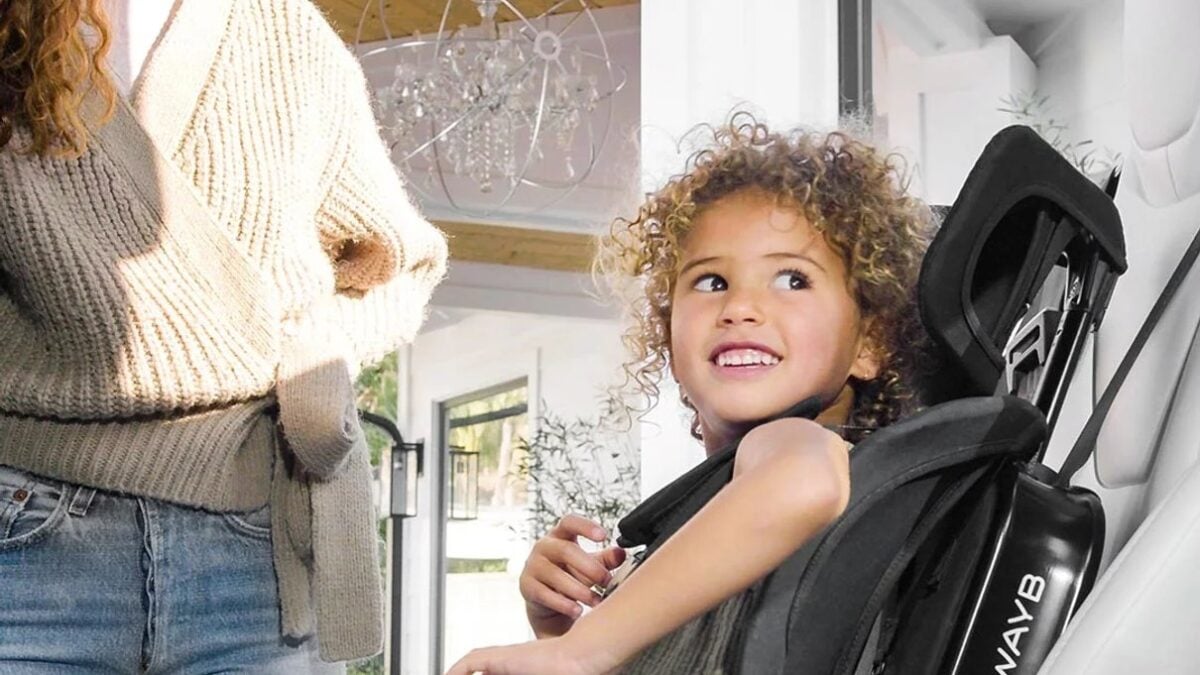

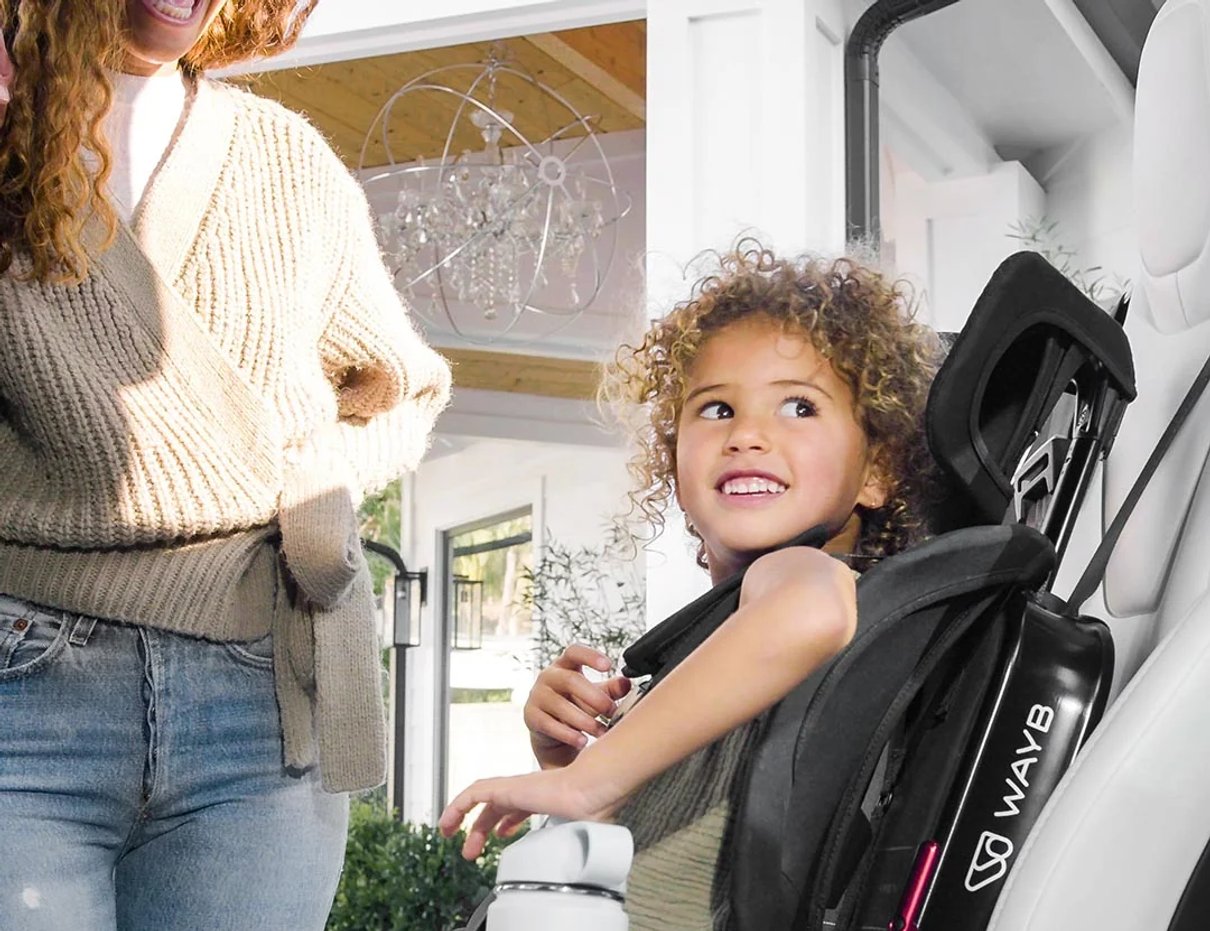
Compare WAYB’s portable seat, carry support and vehicle protection by the job each solves, then choose the setup that fits your family travel.
When family travel involves rental cars, taxis or switching between vehicles, “car seat” can mean two different buying problems. You may need a seat that travels with your child, or you may already have a seat and want an easier way to carry it. A protector addresses a third concern: keeping the vehicle upholstery covered.
We reviewed WAYB product information for this comparison. The range centers on the WAYB Pico Portable Car Seat, with accessories for carrying and vehicle use. They are not interchangeable, and a useful add-on cannot make an unsuitable seat suitable. The best choice depends first on where your child rides and what you need to transport.
Some links in this article are affiliate links: if you make a purchase through them, we may receive a small commission.
Highlights
- Pico Portable Car Seat is the central option for families who need their child seat to move between vehicles or travel with them.
- Pico Carry Bag helps carry the Pico, with backpack, luggage sleeve and top handle modes described by WAYB.
- Vehicle Seat Protector covers the vehicle seat beneath a child seat; it does not replace or improve the fit of the child seat itself.
- A conventional seat that stays installed can be the simpler choice for routine driving, especially when portability is not a regular need.
The practical comparison is less about finding one universal winner and more about identifying the inconvenience you actually have. Compare Pico product details against the child and vehicle requirements first. Start with the seat requirement, then consider carrying or upholstery accessories only if they solve a recurring part of the trip.
1. WAYB Pico Portable Car Seat – for the seat that has to travel
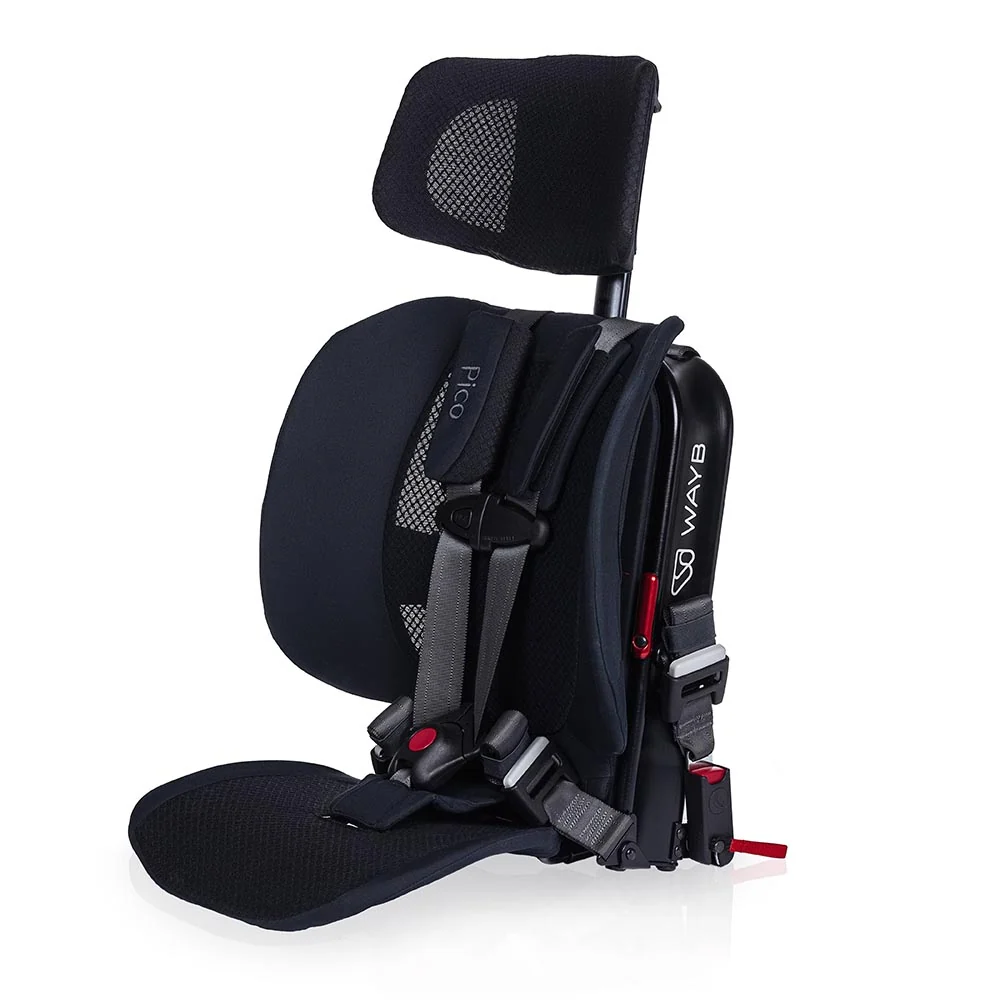
The WAYB Pico Portable Car Seat is the only option in this group that serves as a child restraint. WAYB lists its weight at 8 lb and describes an aerospace-grade aluminum frame with breathable mesh. The brand also states the seat is FAA- and NHTSA-approved. Those details speak to portability and stated approvals, but parents still need to confirm current instructions and whether the seat is appropriate for their child and vehicle.
Against a conventional seat, Pico’s clearest advantage is that the seat is designed to be carried and moved. That may matter when a family expects to use rideshares, rental cars, a grandparent’s vehicle or air travel. A conventional seat is often the more straightforward choice when it can remain installed in one car: there is no additional carry step, and buyers can compare a broader range of models for their specific vehicle and child.
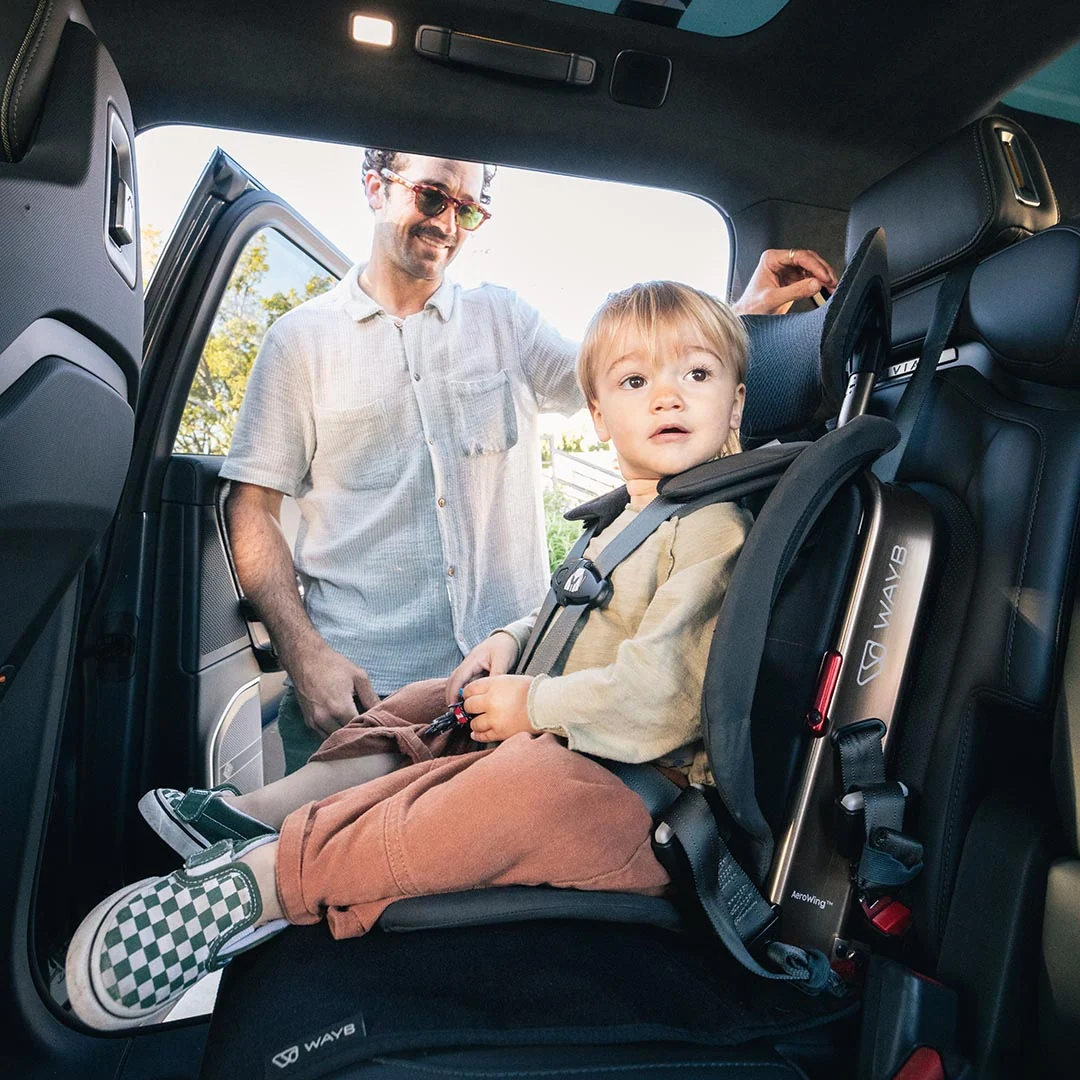
- Choose Pico when your recurring problem is bringing a child seat along.
- Compare a stay-installed seat when most trips begin and end in the same family vehicle.
- Check the child fit requirements and installation method before weighing accessories.
- Treat any aircraft or vehicle use as a compatibility question to verify for your trip.
That distinction is why the seat is the anchor purchase. The bag and protector can support a seat arrangement, but neither answers the basic restraint question. If you only need occasional upholstery coverage, adding travel gear around Pico would solve a different problem from the one you have.
2. Pico Carry Bag – for the awkward transfer
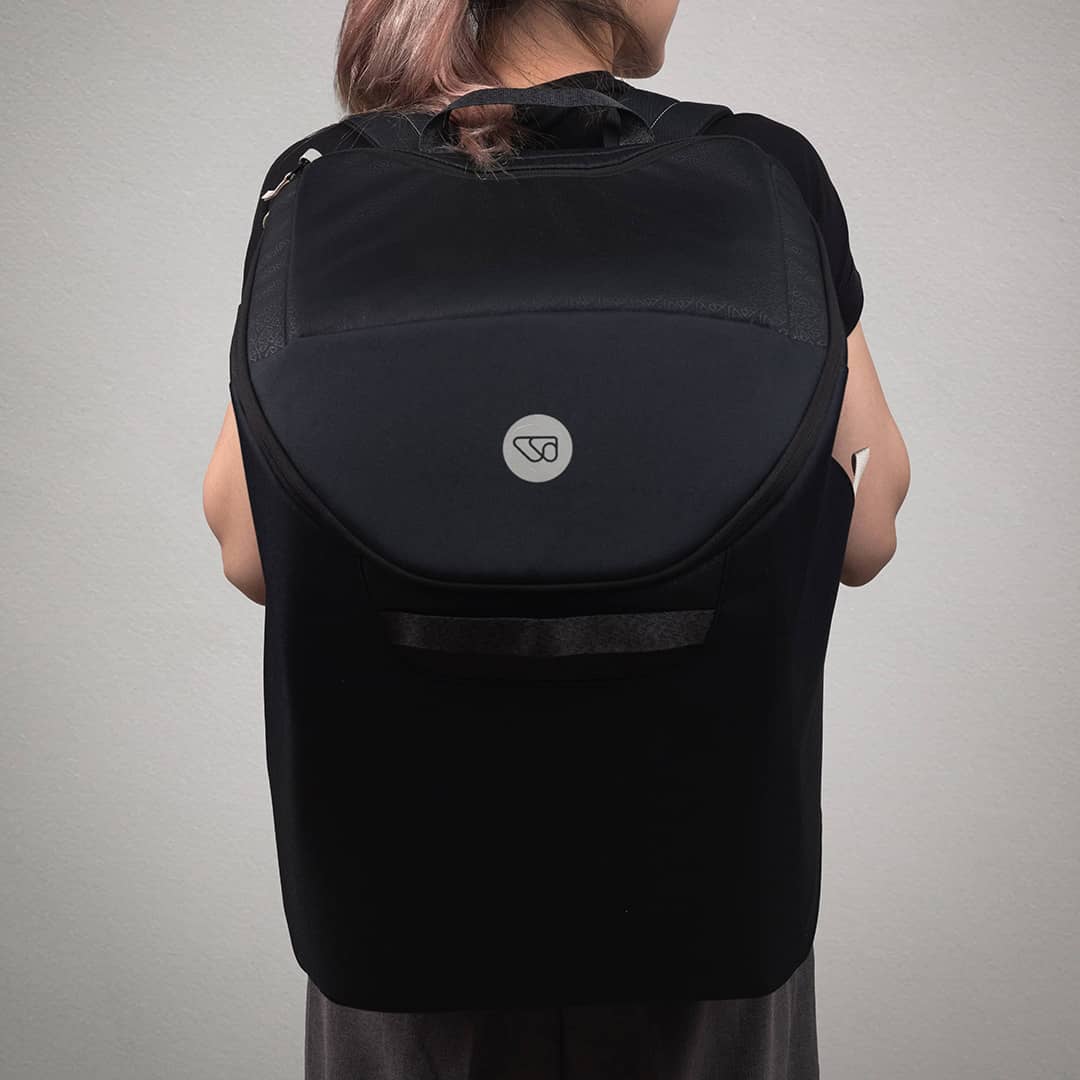
The Pico Carry Bag is an accessory for moving the Pico, not an alternative seat. WAYB describes three ways to carry it: backpack straps, a luggage sleeve and a top handle. For an airport transfer or a walk between a vehicle and a destination, hands-free carry can make the seat easier to manage alongside other bags.
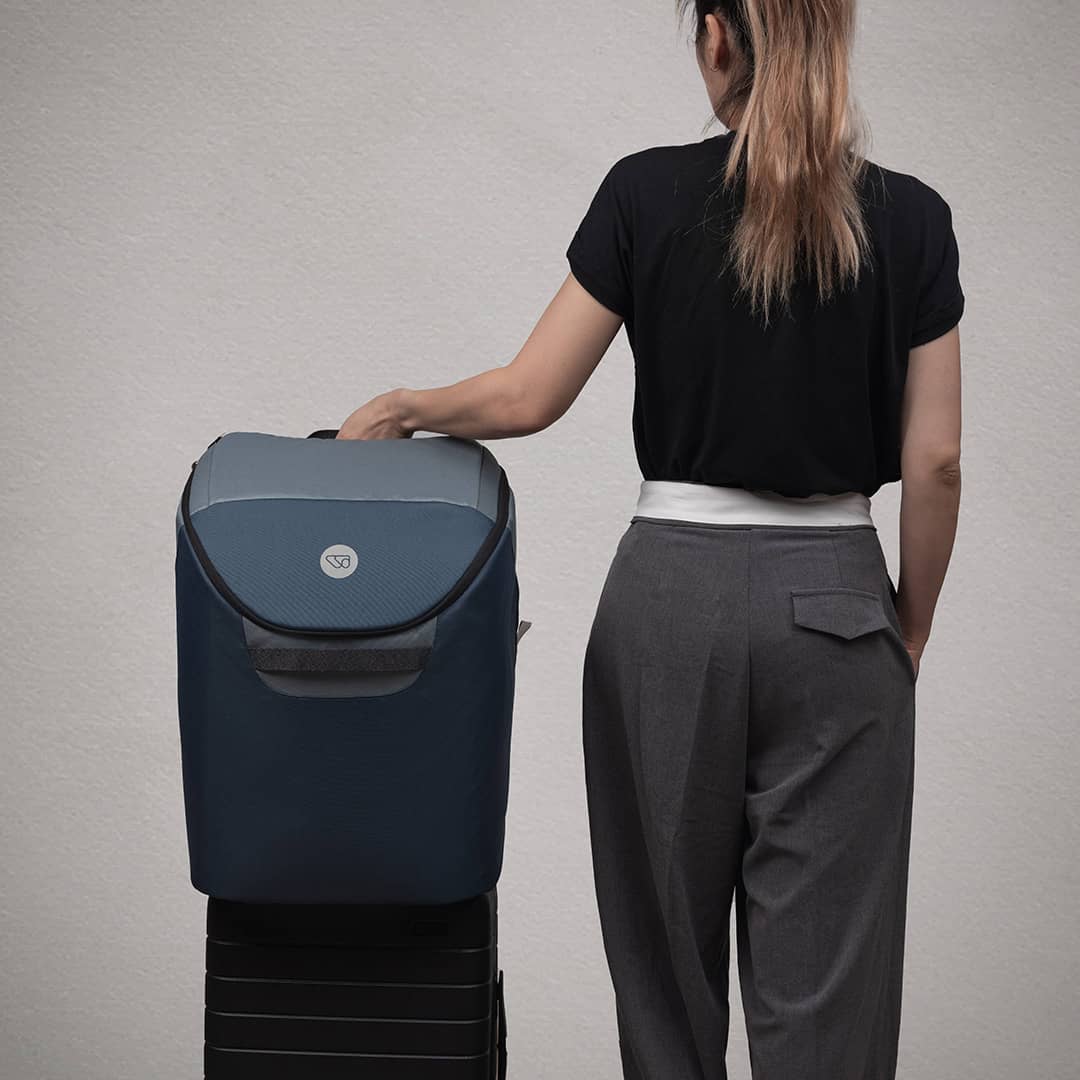
The Pico Carry Bag details help families compare its carry modes with their route. The bag’s main comparison point is therefore carrying comfort and organization, not safety performance. Buyers should look at strap configuration, luggage handling and the realities of their route. A bag can make transfers less cumbersome, but it cannot remove the weight of carrying a car seat or make airport movement effortless. It is most persuasive when the transfer itself is a repeated pain point.
- Pick the bag if the Pico regularly travels outside the car.
- Skip it if the seat is typically installed and left in place.
- Compare its carry modes with the luggage you already use.
- Keep the seat’s own instructions in view when packing or handling it.
For families still deciding whether to choose Pico, it makes sense to resolve that first. The bag is an accessory to the seat decision. If Pico is not the right restraint for your situation, there is little reason to optimize how it is carried.
3. Vehicle Seat Protector – for the car interior
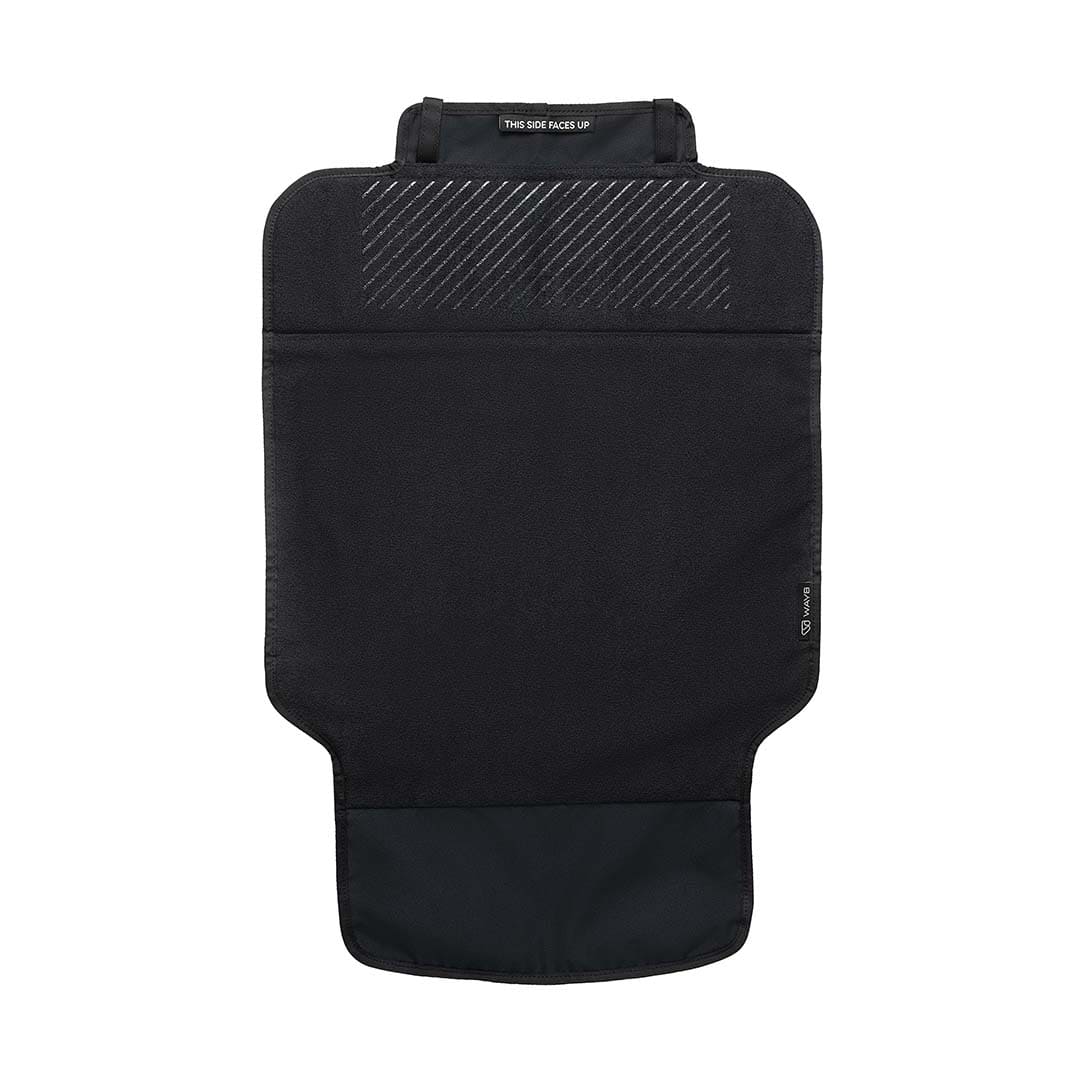
The WAYB Vehicle Seat Protector solves a narrower problem: placing a protective layer on the vehicle seat beneath a child seat. It is relevant to families concerned about marks, crumbs or wear on upholstery, whether the child seat is a Pico or another compatible setup. Read the product instructions for fit and use with your specific restraint.
Compared with the Pico, this is a low-commitment add-on in purpose, but it does not address portability or restraint choice. Compared with going without a protector, it offers a purpose-made layer from the same brand. The page’s product description is the source for materials and compatibility, so check those details rather than assuming every protector is suitable with every seat. In particular, do not let upholstery protection override the car-seat manufacturer’s installation guidance.
The current Vehicle Seat Protector details clarify its stated material and use. This may be the most relevant WAYB purchase for a family that already has a suitable seat and mostly drives its own car. It may be irrelevant for a trip built around rental cars or public transport, where the family’s bigger challenge is bringing an appropriate restraint. Its benefit is practical rather than transformative: a cover can help protect the surface, while the seat remains responsible for its own fit and function.
- Consider it when preserving or covering the vehicle seat is the goal.
- Check compatibility and placement instructions from both product makers.
- Do not treat it as a substitute for an approved child restraint.
- Leave it off the list if upholstery protection is not a concern.
If your travel plans alternate between a home car and borrowed vehicles, the protector may still have a role at home, but it will not simplify the away-from-home portion. Consider which leg creates the real friction before adding it.
How the options compare with a standard car seat setup
The main alternative is not another WAYB accessory; it is a conventional car seat selected for the child and vehicle, often kept installed in the primary car. That route can be simpler for daily use and avoids carrying a seat through a terminal. Its weakness is the same feature: a seat that stays in one car is less convenient when the child regularly rides in different vehicles or the family travels without its own car.
| Option | Best fit | Main trade-off |
|---|---|---|
| Pico Portable Car Seat | Seat travels between vehicles | Must be carried and installed for each use |
| Pico Carry Bag | Carrying the Pico on transfers | Only helps if you own and carry the Pico |
| Vehicle Seat Protector | Covering upholstery beneath a seat | Does not solve seat portability or fit |
| Conventional installed seat | Routine use in one main vehicle | Less convenient to move for travel |
Use this as a shortlist, then verify Pico, the carry bag and the protector product pages. The seat’s child range, installation details, materials and the protector’s compatibility are the facts that can change the decision. We have not inferred those from category labels alone. WAYB’s own product pages should be checked before purchase, along with the relevant seat manual and travel requirements.
Which WAYB setup fits each kind of trip?
A focused comparison makes the winner by use case clearer. If you frequently need to take a child seat into a vehicle you do not own, see Pico product details; the Pico is the relevant WAYB option because it is the restraint. If you already know you need Pico and the walk between car, airport or lodging is the aggravation, the Carry Bag page explains Carry Bag is the logical add-on. If you are happy with your existing restraint and simply want a layer beneath it, consider the Vehicle Seat Protector.
- Frequent vehicle changes: compare Pico against a conventional seat that suits the child and trip.
- Airport or long transfer with Pico: weigh the Carry Bag’s carry modes against your existing luggage.
- Mostly one family car: an installed conventional seat may be simplest; add a protector only if needed.
- Unclear child fit or vehicle compatibility: pause and verify current manufacturer instructions first.
WAYB’s seat, bag and protector each address a separate need. These are not package tiers where the largest setup is automatically best. Many families need only the seat; some need the seat and carry aid; others do not need a portable seat at all. The most economical arrangement in effort and clutter is usually the one that addresses the repeated problem without accumulating accessories for hypothetical trips.
Where WAYB has the clearest case
- Pico is purpose-built around a portable child-seat use case.
- The Carry Bag describes several ways to move that specific seat.
- The Vehicle Seat Protector keeps upholstery protection separate from restraint choice.
Where the comparison needs care
- Portable design does not guarantee suitability for every child, vehicle or itinerary.
- Accessories solve narrower tasks and add more items to manage.
- A conventional seat may be more practical when it can stay correctly installed in one car.
Is WAYB the right choice for your family travel?
For families whose main obstacle is transporting an appropriate child seat, Pico is the clear WAYB pick in this comparison. The Carry Bag earns consideration when carrying the seat is a regular part of the route, while the Vehicle Seat Protector suits families focused on the car interior. A conventional seat that stays in the primary vehicle remains a sensible alternative for routine driving.
The honest limit is that the product pages alone cannot determine fit for your child, vehicle or airline. Check the current WAYB details and installation guidance before choosing. If the portability use case matches, compare the options on WAYB’s US store and add only the accessory that addresses a real part of your trip.
