

A route-first look at Puckipuppy models can help match fall errands, damp streets and changing paths to the right e-bike format.
Cooler weather changes the practical questions around an electric bike. A familiar summer route may now include wet leaves, earlier dusk, heavier layers or a grocery stop before heading home. The useful decision is less about chasing a seasonal novelty and more about choosing a frame and tire format that suit the rides you actually expect to make. Start with the Puckipuppy range and narrow by route.
We reviewed the current US product information from Puckipuppy, whose range spans step-through, commuting, fat-tire and all-terrain designs. This guide focuses on three distinct models and the everyday trade-offs their formats suggest. Product-page descriptions can help shortlist a bike, but sizing, local service and the exact component specification still deserve a direct check before you decide.
Some links in this article are affiliate links: if you make a purchase through them, we may receive a small commission.
Highlights
- Poodle Ebike is the step-through option to consider for frequent stops and easy mounting.
- Labrador Pro Ebike is the more equipment-focused pick, with full suspension and torque-plus-cadence sensing listed by the brand.
- Samoyed Ebike brings a fat-tire format to routes that mix pavement and looser surfaces.
- Autumn readiness also depends on fit, visibility, storage, maintenance and the route, not just the bike model.
Start with the route you ride most
In fall, one bike may move between paved paths, neighborhood streets and a short gravel connector. Before comparing features, map the regular trip: how far it runs, where the surface changes, whether you carry a bag, and where the bike will be stored. Include the awkward parts too, such as a narrow hallway, stairs, a crowded rack or a steep approach to home. Check the store specifications as you make that list.
For short urban errands, frame access and predictable handling can matter more than a broad all-terrain promise. For a commute with rough patches, ask what suspension and tire setup mean for the actual road. For mixed surfaces, a wider tire can be relevant, but it does not make every trail suitable. The store lists several formats, so the brand’s current bike range is best approached as a set of use-case choices rather than a single ladder of better and worse.
- Write down your normal route and the roughest section you ride often.
- Check whether you need step-through access, cargo capacity or a more planted tire profile.
- Confirm the bike’s dimensions against your storage and transport setup.
1. Poodle Ebike – easy access for everyday stops
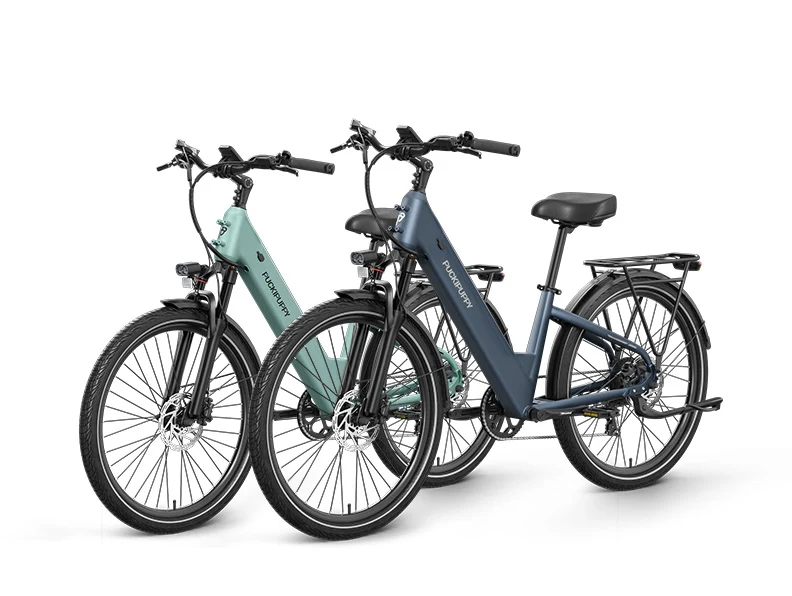
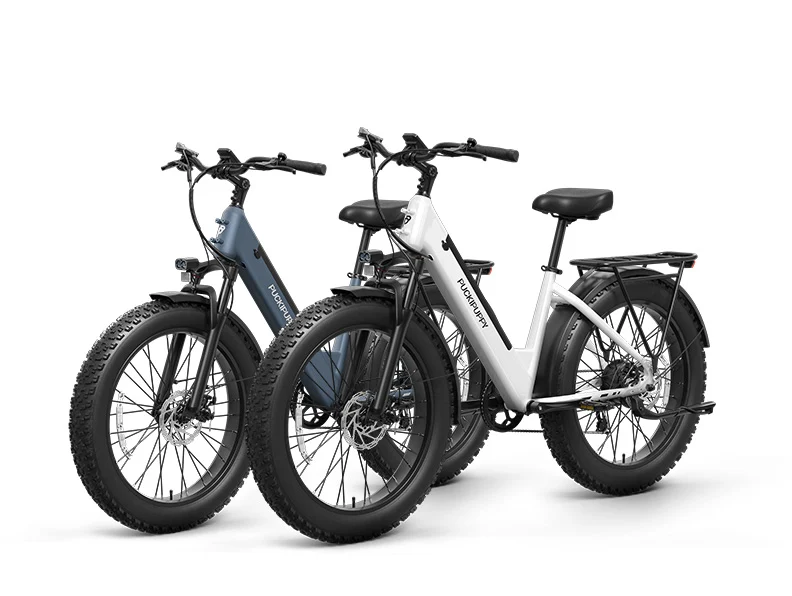
The Poodle Ebike is the step-through choice among the models considered here. That frame format can make mounting and dismounting simpler when a ride involves repeated stops, practical clothing or a rider who prefers not to swing a leg over a high top tube. This can suit errands, short neighborhood trips and journeys that involve getting on and off several times.
For cooler months, the point is convenience across changing layers and frequent starts, not a claim that one frame is universally more comfortable. Check the product page for current frame dimensions, fit guidance, included equipment and model-specific details. Use the store listing as the source for the live configuration. A low step can help access, while saddle position, handlebar reach and total bike weight still determine whether the fit works for a particular rider. Compare the listed Poodle features against your needs. Review the Poodle Ebike details against your own measurements before treating the format as a fit guarantee.
Think about what happens after the ride as well: whether you can bring the bike inside, secure it at work and keep wet-weather gear nearby. The best everyday bike is often the one that fits those routines without adding friction. You can review the Poodle listing alongside your measurements. The step-through design is a meaningful starting point, but storage space and service access are separate decisions.
2. Beagle 2.0 ST Ebike – another step-through route
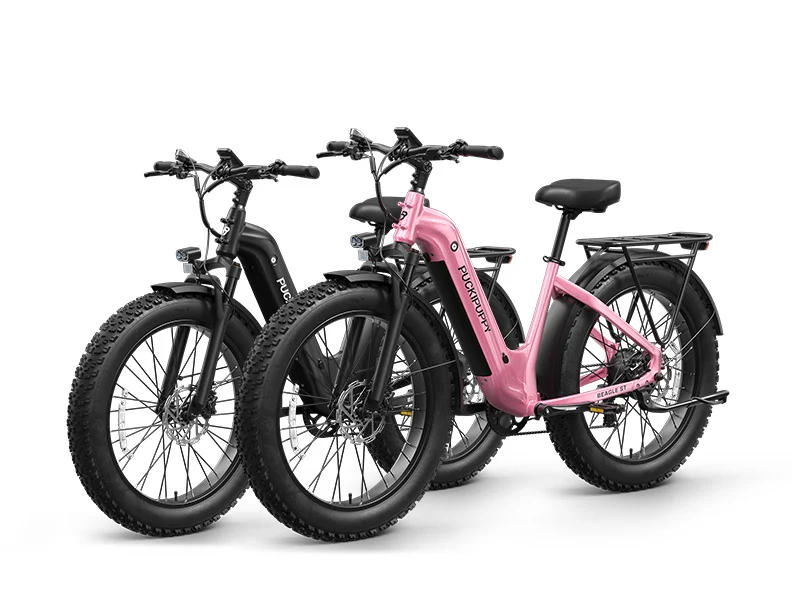
The Beagle 2.0 ST Ebike also sits in the step-through part of the lineup, giving shoppers a second model to compare with the Poodle. That distinction is useful because a frame category alone does not settle fit, equipment or ride feel. Compare the two model pages line by line, especially their sizing information, included accessories and intended use as described by the store.
It may help to think of the Beagle as a candidate for regular town riding if its listed geometry and equipment match your needs. We would not assume the two bikes share the same specification just because both are step-through models. Use the Beagle 2.0 ST Ebike listing to verify the current configuration, then check whether the bike can be serviced locally and carried or stored where you need it.
- Compare reach and step-over access, not only the model name.
- Look for clear information on rack, lighting and other included equipment.
- Ask how replacement parts and warranty support are handled in your area.
3. Labrador Pro Ebike – added equipment for rougher routes
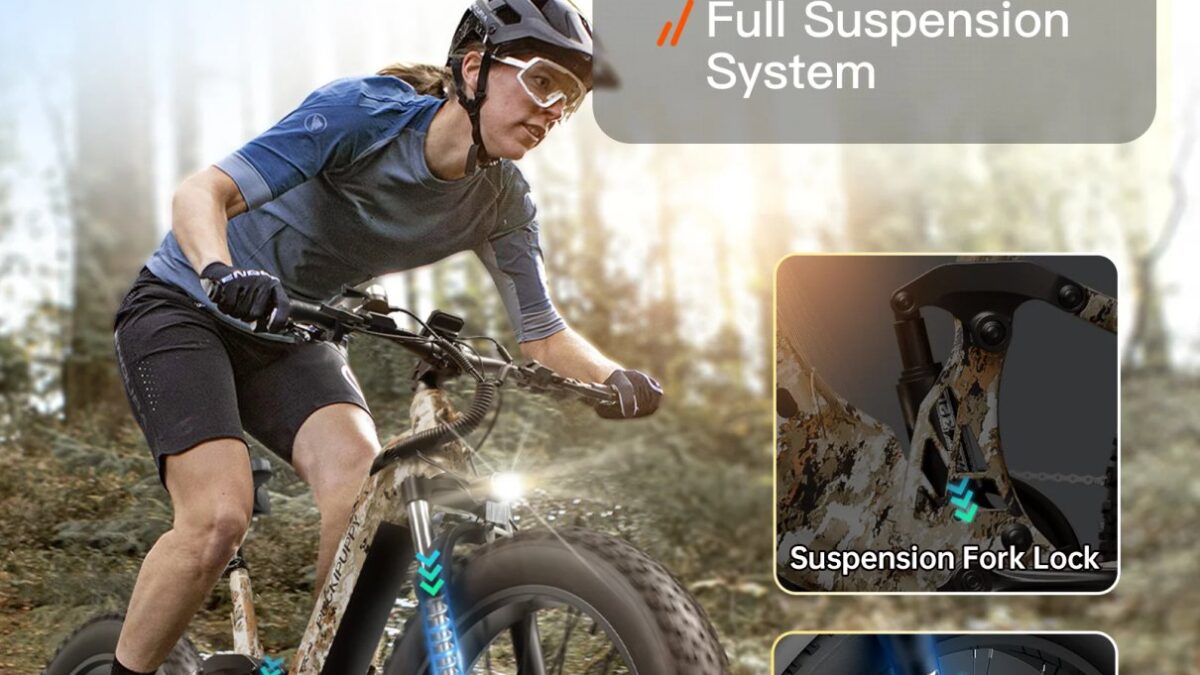
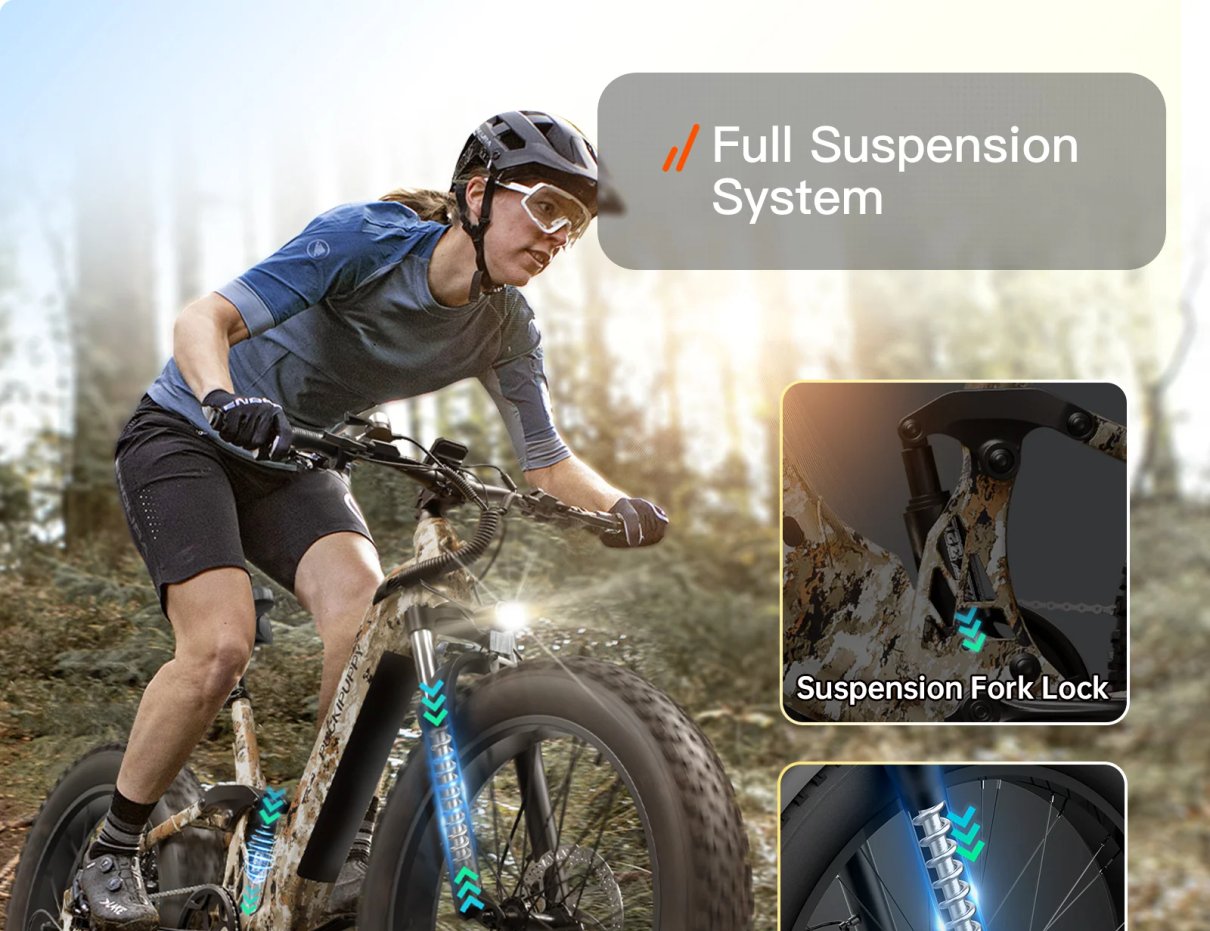
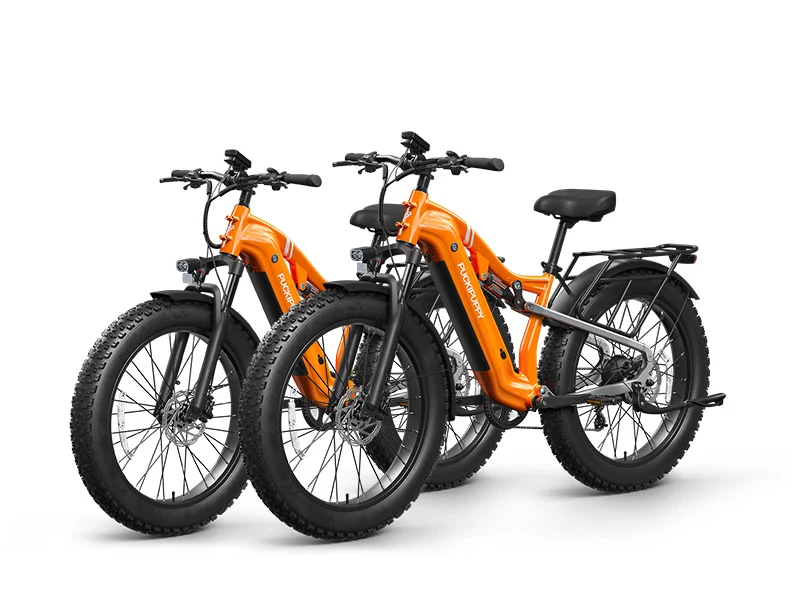
The Labrador Pro Ebike is the clearest option here for riders prioritizing a more equipped setup. Puckipuppy’s listing names full suspension and torque-plus-cadence sensing. These are concrete features to investigate if your regular route includes broken pavement, uneven connectors or longer rides where changing assistance response matters. See the listed Labrador Pro features in context.
Suspension and sensor descriptions are a useful start, but they do not tell the full story of how a bike will feel under a particular rider. Look for suspension travel, component details, weight limits, battery information and service guidance on the live product page. Check the support pages for ownership questions. Ask whether the suspension calls for maintenance your local shop can provide. Compare the Labrador Pro equipment details with that shop’s capabilities. The Labrador Pro Ebike deserves consideration when the route makes those features useful; on smooth streets, the added equipment may not be the deciding factor.
Fall also makes handling and upkeep more visible. Leaves, damp paint lines and colder mornings reward a measured pace and tires suited to the surface. No model name substitutes for checking tire details, braking components and the maker’s care guidance. If the bike will see frequent rain, ask about cleaning and storage recommendations rather than assuming an electric system is weatherproof in every condition.
4. Samoyed Ebike – a fat-tire format for mixed surfaces
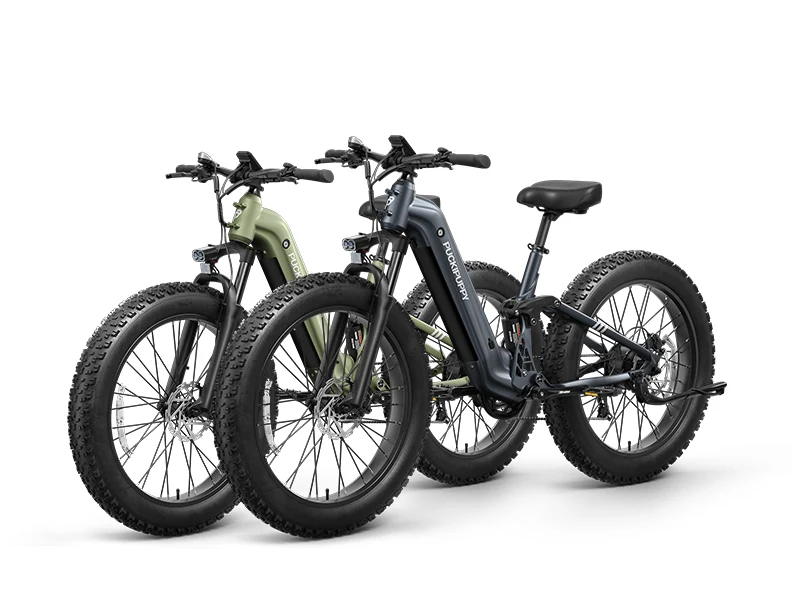
The Samoyed Ebike represents the fat-tire side of the range. A wider tire format can be attractive for riders whose routes include packed dirt, rough paths or variable surfaces, and it creates a different shortlist from the step-through choices. The Samoyed product information should be checked for tire dimensions and terrain guidance before deciding whether that format fits your local paths. Refer to the current store range for alternatives.
Wide tires bring practical compromises to consider: they can affect how a bike feels on smooth pavement, how much space it takes to store and what replacement tires are available nearby. They are not a substitute for route judgment, proper braking or appropriate clothing as the weather turns. Compare with the Samoyed model listing for current details. Review the Samoyed Ebike page for its actual build and fit details, and compare those with your most common surface rather than an occasional adventure.
- Choose the tire format around your frequent surfaces.
- Confirm overall dimensions and storage needs before ordering.
- Ask a local service provider about parts availability and routine maintenance. The brand support information can clarify the next step.
A fall checklist before choosing
Shorter days and unsettled weather make planning more useful than adding features for their own sake. A bike can have the right broad category and still be inconvenient if its fit, weight or support arrangements do not work for the owner. Before moving from shortlist to purchase, gather the details that are easy to overlook when browsing attractive product photography.
- Fit: check the brand’s rider guidance and compare frame dimensions with a bike that already fits you.
- Visibility: confirm what lighting is included and plan for reflective clothing or accessories where appropriate.
- Range: compare the listed battery and range information with your route, temperature and load; real-world results vary.
- Support: read the US shipping, returns and warranty pages, then ask about service and parts near you.
On cost, avoid comparing model names alone. The frame, equipment, battery configuration and any extras can change what a particular listing includes. Check the current product listings for details. Check the live store for the current configuration and price, and read the policies before placing an order. Those details can change, so they belong in the final decision rather than in a saved guide. Confirm them on the current Puckipuppy store pages before purchase.
Strengths and trade-offs
Where the range gives shoppers useful choices
- Distinct formats cover step-through, full-suspension and fat-tire preferences.
- Named models make it possible to compare intended use on specific product pages.
- The Labrador Pro listing gives concrete suspension and sensing features to investigate.
- Separate US support and policy pages provide places to verify ownership details.
Questions to settle before committing
- Model pages may not answer local service availability or repair costs.
- Feature labels alone do not establish fit, handling or real-world range.
- Fat tires and suspension can be unnecessary complexity for smooth, short trips.
- Live configurations and prices should be checked directly before purchase.
Which Puckipuppy bike makes sense for fall routes?
For regular stops and easy mounting, start with the Poodle Ebike or compare it with the Beagle 2.0 ST. For uneven roads where suspension and assistance sensing matter to your route, investigate the Labrador Pro. For a frequent mix of pavement and rougher surfaces, the Samoyed is the fat-tire candidate. Our recommendation is to shortlist by route, then verify fit, current equipment and service support on the US store.
The limitation is that product descriptions cannot predict your personal fit or the state of your local roads, and current specifications may change. A local fit check and a careful read of warranty and return terms are sensible final steps. Read the US policy pages before deciding. If a model’s format and support arrangements match the rides you actually take, consult its live listing before making a decision.
