

A guide to AlloyWorks’ vehicle-specific cooling parts, the details its listings provide, and what those details mean for a considered choice.
A vehicle cooling problem can send an owner into a maze of dimensions, model-year breaks and connection layouts. Shanghai Ting Yue Auto Parts Co., Ltd is the company behind the AlloyWorks storefront, whose US catalog concentrates on radiators, heat exchangers and related components. For a first-time reader, the useful question is not simply what parts appear in the catalog, but how the store helps narrow a part to a particular vehicle.
The product pages give this brand its character: they are organized around applications and configurations rather than broad lifestyle claims. We reviewed the store listings for this feature; fitment and service details below reflect what the store states and should be confirmed against the specific vehicle and current listing.
Some links in this article are affiliate links: if you make a purchase through them, we may receive a small commission.
Highlights
- The US AlloyWorks store focuses on radiators, intercoolers and related cooling components.
- Listings can identify vehicle years, engine fitment, dimensions and connection locations.
- Examples include a four-row Chevy/GMC radiator with shroud fan and a BMW Mini Cooper S front-mount intercooler.
- A SureCool upgrade and a small-block Chevy short water pump show the range beyond radiators.
- The store states US warehouse dispatch, a 60-day return period and a one-year warranty; confirm terms on the store.
A catalog built around vehicle applications
AlloyWorks presents itself as a specialist in thermal management for vehicles. Radiators are a central part of the range, but the selection also reaches intercoolers, heater cores, transmission cooling and other parts associated with keeping a vehicle’s systems within their intended operating conditions. The storefront research describes more than 3,000 automotive parts SKUs, giving it the scale of a broad application catalog rather than a small collection of universal components.
The brand’s practical point of difference is application specificity. A listing may call out a make, model, year span, engine, dimensions or connection positions. Those details help a reader make an initial shortlist, but they are not a substitute for matching the original equipment, checking the vehicle identification details, or asking a qualified installer when the configuration is uncertain. Start with the complete vehicle, not just the nameplate. That is the key fitment check.
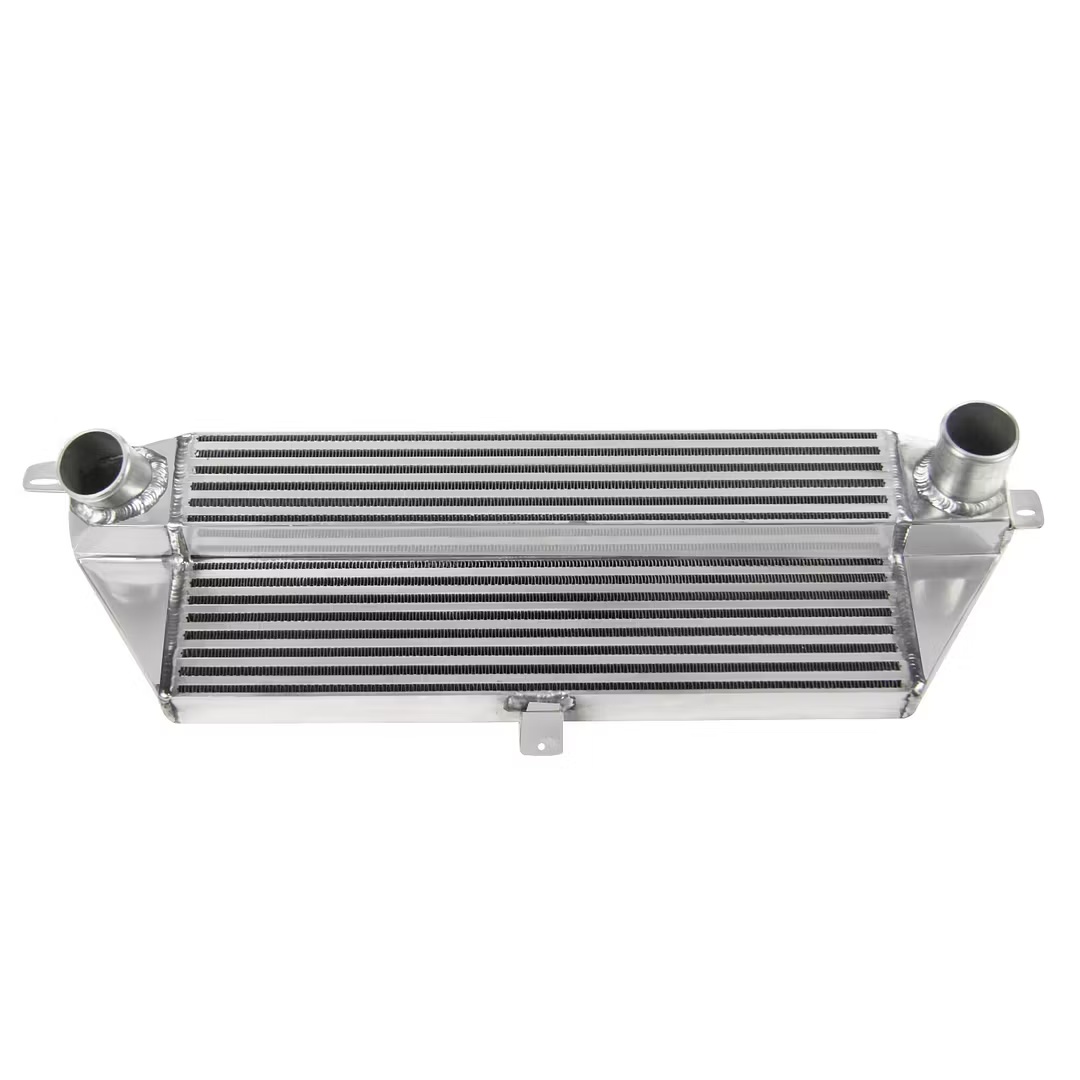
That emphasis is visible in the Alloyworks Mini Cooper S intercooler for 2007-2012 R56 and R57 Hatchback 1.6L. Its title identifies both the generation codes and engine size, making it relevant to an owner researching that precise configuration. The listing is a starting point for confirming application, not a promise that every car carrying the Mini Cooper S badge shares the same hardware. Fitment first is the sensible way to read the range.
Readers comparing the application can open the BMW Mini Cooper S front-mount intercooler listing, then compare its stated vehicle details with their own records. A second visit to the same application page is useful when checking specifications alongside the existing component or a mechanic’s advice. This is a catalog detail worth slowing down for, since year and engine boundaries can matter as much as the broad model name.
Four product examples explain the range
1. A four-row radiator for Chevy and GMC C/K trucks
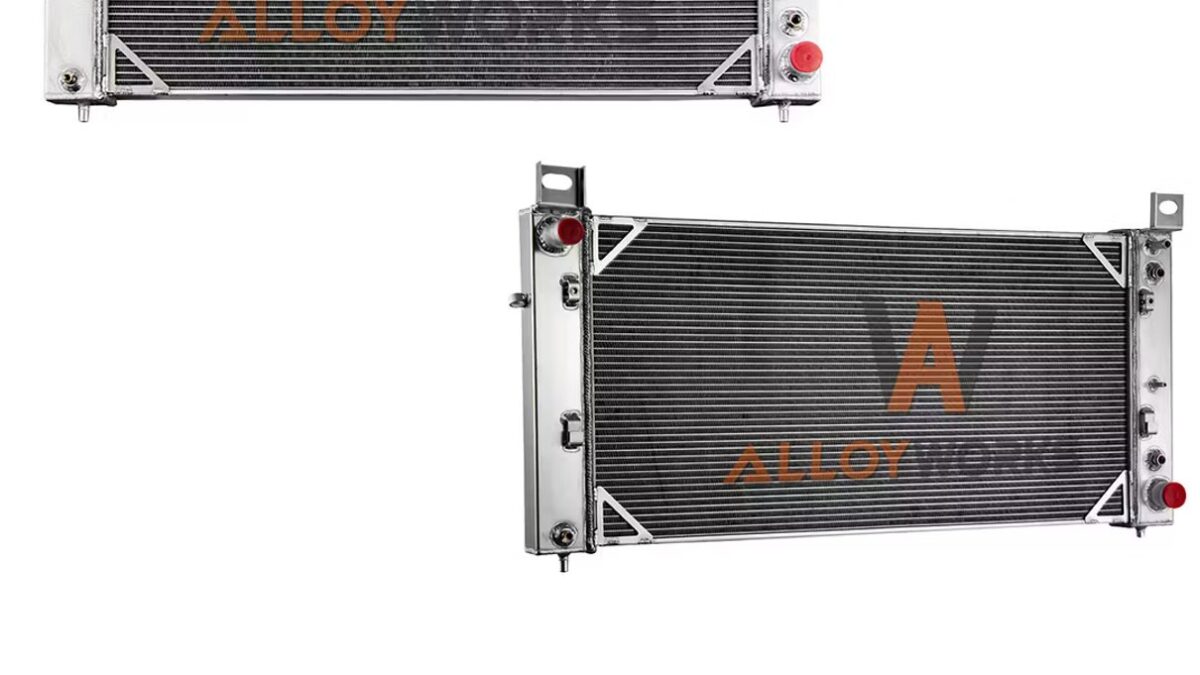
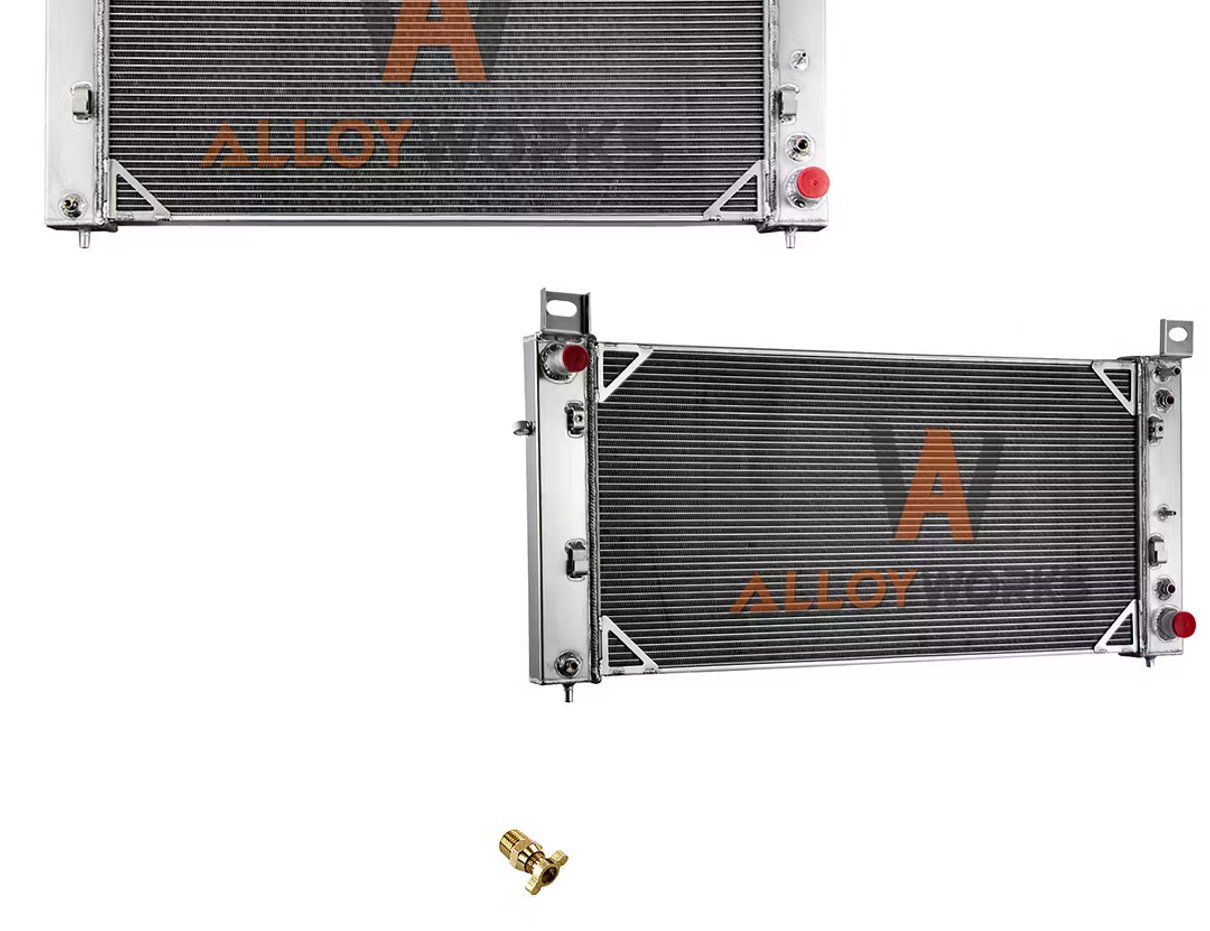
One of the clearest examples is the Alloyworks four-row radiator with shroud fan for 1988-1997 Chevy/GMC C/K 1500-3500. It combines a multi-row aluminum radiator with a shroud fan in a vehicle-specific package. The application title names the truck family and model-year span, useful context for owners of older pickups who need to distinguish between chassis and engine variations.
The meaningful questions are whether the year, series, engine and mounting arrangement match, and whether the included fan-and-shroud configuration suits the vehicle’s setup. The four-row C/K radiator listing is where to check those details; the product page for the radiator and fan can also be compared with the current part before making a decision. It is a focused truck application, rather than a universal radiator recommendation.
2. SureCool for specified automatic transmissions
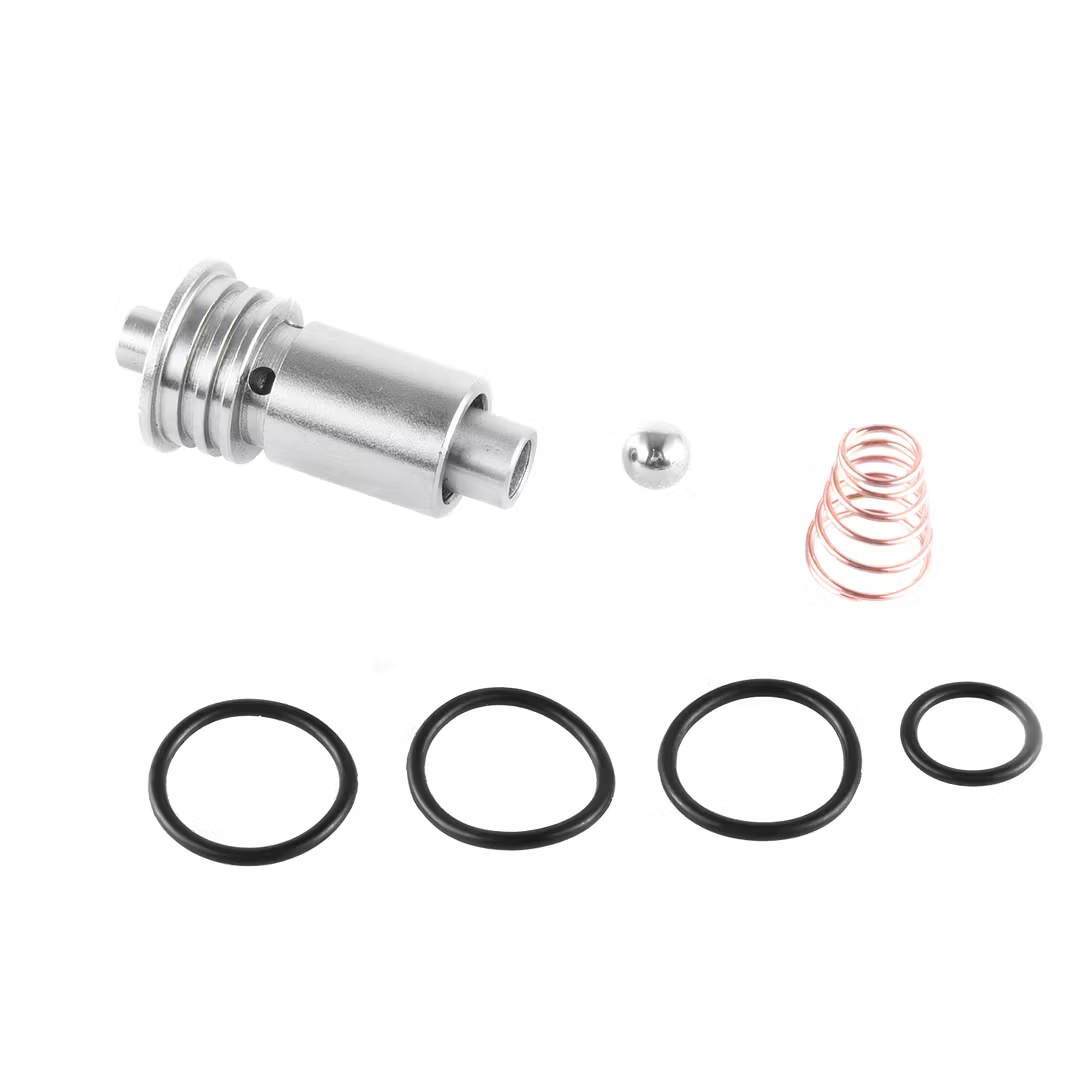
The Alloyworks SureCool upgrade for 6L80, 6L90, 8L90 and 10L90 transmissions shows how the catalog goes beyond engine cooling. Its product name calls out several transmission families and a model-year reference, positioning it for readers researching a cooling-system upgrade around those units. It is not a general-purpose add-on: the transmission code and vehicle application deserve close checking.
A reader can use the SureCool upgrade page to see what the store associates with the product and ask an installer whether the listed configuration fits. Reopening the 6L80/6L90/8L90/10L90 listing alongside service documentation is a practical cross-check. The brand’s catalog breadth is useful here because it places transmission-specific cooling in the same searchable environment as radiators and intercoolers.
3. A short water pump for small-block Chevy builds
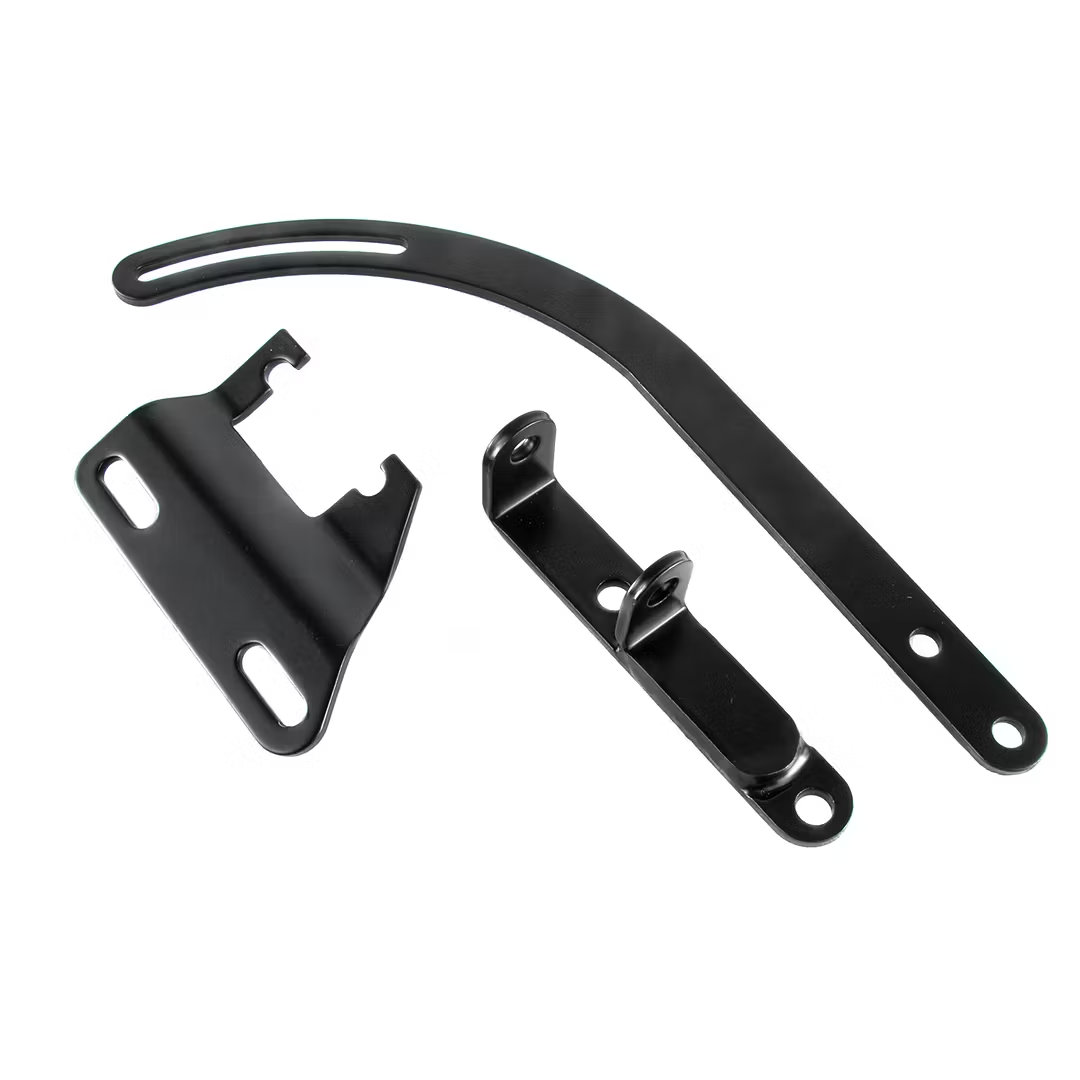
The Alloyworks short water pump for Small Block Chevy SWP alternator bracket applications addresses a different kind of choice. Its title names the short-pump form, alternator-bracket context and several small-block engine sizes. That makes it particularly relevant to owners maintaining or configuring an older Chevy engine where accessory layout and available space influence component selection.
The small-block Chevy short water pump page is the place to check the exact compatibility notes. A second look at the listed pump configuration can help distinguish a short-pump arrangement from other setups, but the engine’s accessory drive and existing brackets still need to be verified. This is a good example of why the brand name alone is less useful than the application details attached to each product.
How to read a listing before choosing
A technically detailed listing is most helpful when the shopper uses it as a checklist. The exact information varies by product, so confirm what is shown on the individual page rather than assuming every specification applies across the collection.
- Match the full year, make, model and engine; check submodel or chassis codes where shown.
- Compare dimensions, inlet and outlet placement, mounting points and included hardware with the existing part.
- For transmission or engine components, verify the component code and the vehicle’s actual configuration.
- Check what is included in the package and whether installation needs additional parts or professional work.
- Review the store’s current shipping, return and warranty terms before ordering.
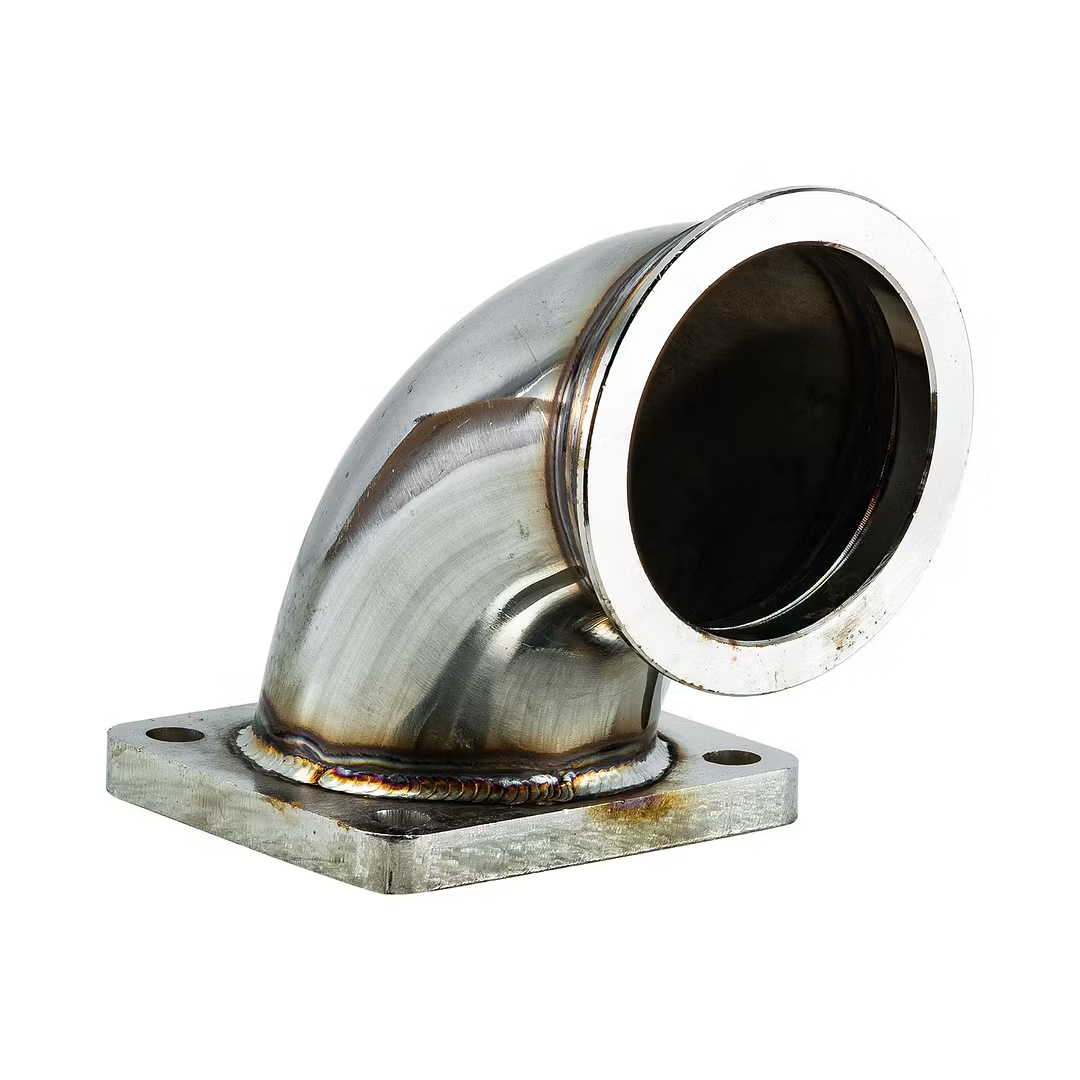
The intercooler application details are also a reminder to check the listed engine displacement, while the radiator application details show how truck series and year ranges are expressed. Readers can compare the transmission cooling listing against their transmission code, open the Mini Cooper S fitment page for year and engine context, and revisit the short-pump listing for accessory context.
This process also keeps expectations grounded. A product page can make a plausible match visible, but fitment tools and descriptive titles cannot account for every modification, prior repair or market variation. For an older truck, a modified build or a vehicle with an uncertain service history, a parts professional can help resolve ambiguity before an order is placed.
AlloyWorks states that orders dispatch from a US warehouse, with dispatch listed as one to two days and delivery as three to seven days. The store also states a 60-day return period and one-year warranty. These are useful policy signals, but conditions and coverage can change or differ by product, so readers should check the current terms shown by the store and retain order documentation.
What the brand’s approach gets right
- Application-oriented titles surface make, model-year and engine context.
- The range includes radiators, intercoolers, transmission cooling and water-pump examples.
- Product pages provide a route to check dimensions and connection details where listed.
- The store publishes US dispatch, return and warranty information for shoppers to review.
Where careful checking still matters
- A broad fitment label does not account for every vehicle modification or prior repair.
- Some older vehicles have configuration differences within the same model-year span.
- Delivery and warranty statements should be checked against the current store terms.
- Technical installation may call for tools, cooling-system knowledge or professional support.
Is AlloyWorks a useful starting point for a cooling part?
Shanghai Ting Yue Auto Parts Co., Ltd is worth knowing for readers who want a catalog centered on vehicle-specific cooling and related components. The examples show the breadth: from an older-truck radiator and a Mini intercooler to transmission cooling and a small-block Chevy pump. We would treat AlloyWorks as a useful research destination when its application details align with the vehicle, then verify dimensions and fitment before ordering.
The main shopping limitation is inherent to parts shopping online: a detailed listing cannot inspect the car or account for undocumented changes. If you can confirm the exact configuration, the catalog’s specificity is valuable; if the vehicle is modified or its history is unclear, get a fitment check from a qualified parts specialist. Visit the store to compare the listing with your vehicle details and current policy information.
