
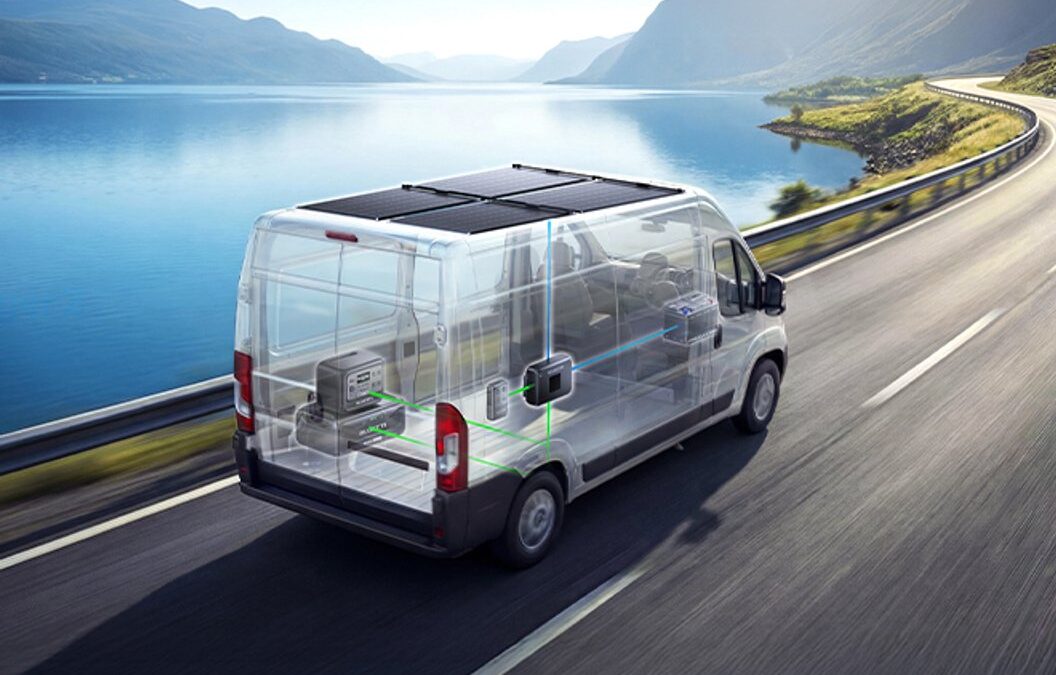

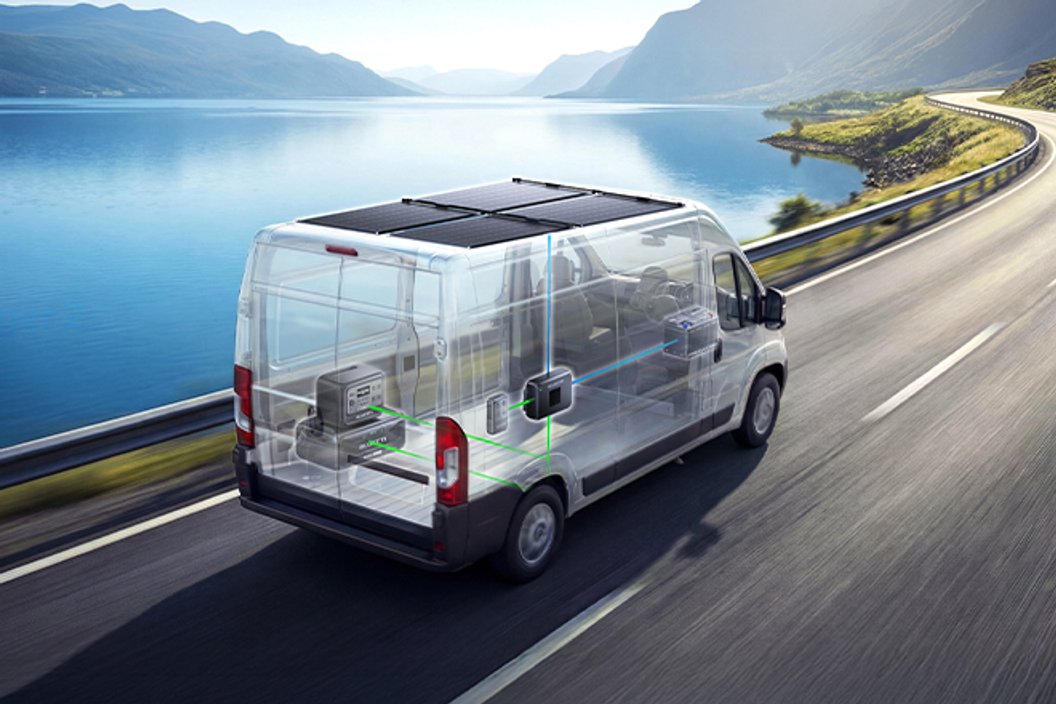
A product-page review of BLUETTI Charger 2, its alternator and solar inputs, and the road setups where a dedicated charging hub may make sense.
A power station can be useful on a long drive, but it still needs recharging. For an RV or van traveller, that raises a practical question: can the vehicle help replenish the battery while the trip is underway, and can solar contribute when parked? BLUETTI Charger 2 is designed around that travel problem.
This review focuses on the Charger 2 itself: what the Canadian product page says it does, how its inputs fit together, what a buyer should check before planning an installation, and who may be better served by a simpler setup. We have reviewed the published product information, not tested or installed the unit.
Some links in this article are affiliate links: if you make a purchase through them, we may receive a small commission.
Highlights
- BLUETTI Charger 2 is a dual-input alternator and solar charging hub for mobile power setups.
- The Canadian product page lists up to 1,200W combined charging, with up to 800W from the alternator and 600W from solar.
- Its PV-priority control gives solar input precedence when available, according to BLUETTI.
- It makes most sense for RV, van and off-grid travellers with compatible BLUETTI equipment and a reason to charge while moving.
- Confirm station compatibility, vehicle wiring and solar configuration on the current product page before choosing.
What BLUETTI Charger 2 is built to do
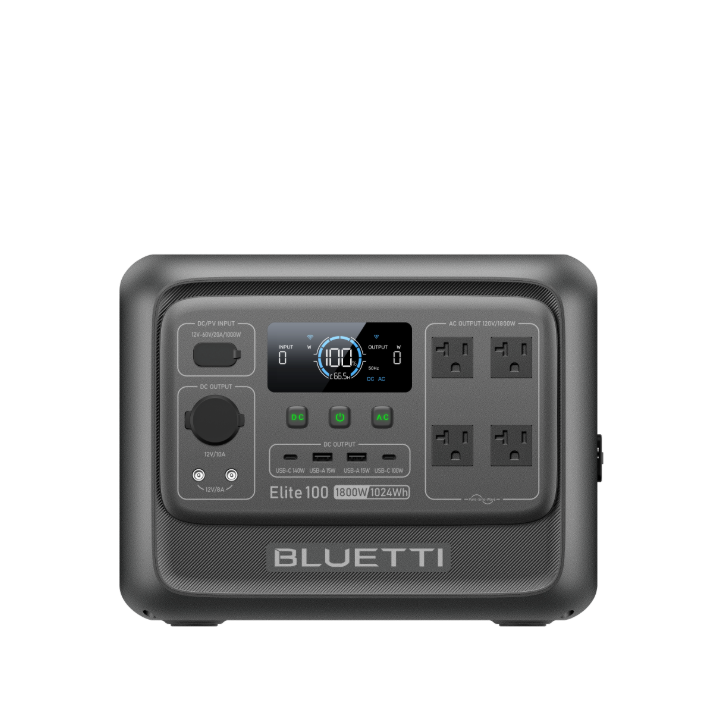
The BLUETTI Charger 2 is not itself a portable power station. It is a charging component intended to connect a vehicle’s alternator and solar panels with compatible battery equipment. The idea is to use driving time as a charging opportunity, with solar as another source when conditions allow. This is a different role from a standalone station such as BLUETTI Elite 100 V2, which stores energy and supplies outlets to devices.
BLUETTI lists up to 1,200W of dual-input charging, split between a stated maximum of 800W from the alternator and 600W from solar. Those are input ceilings, not a promise of constant charging at that level. Actual performance depends on the vehicle, the solar array, conditions, wiring and the connected equipment. The product’s value is therefore less about a headline wattage in isolation and more about whether your trip gives you regular charging windows.
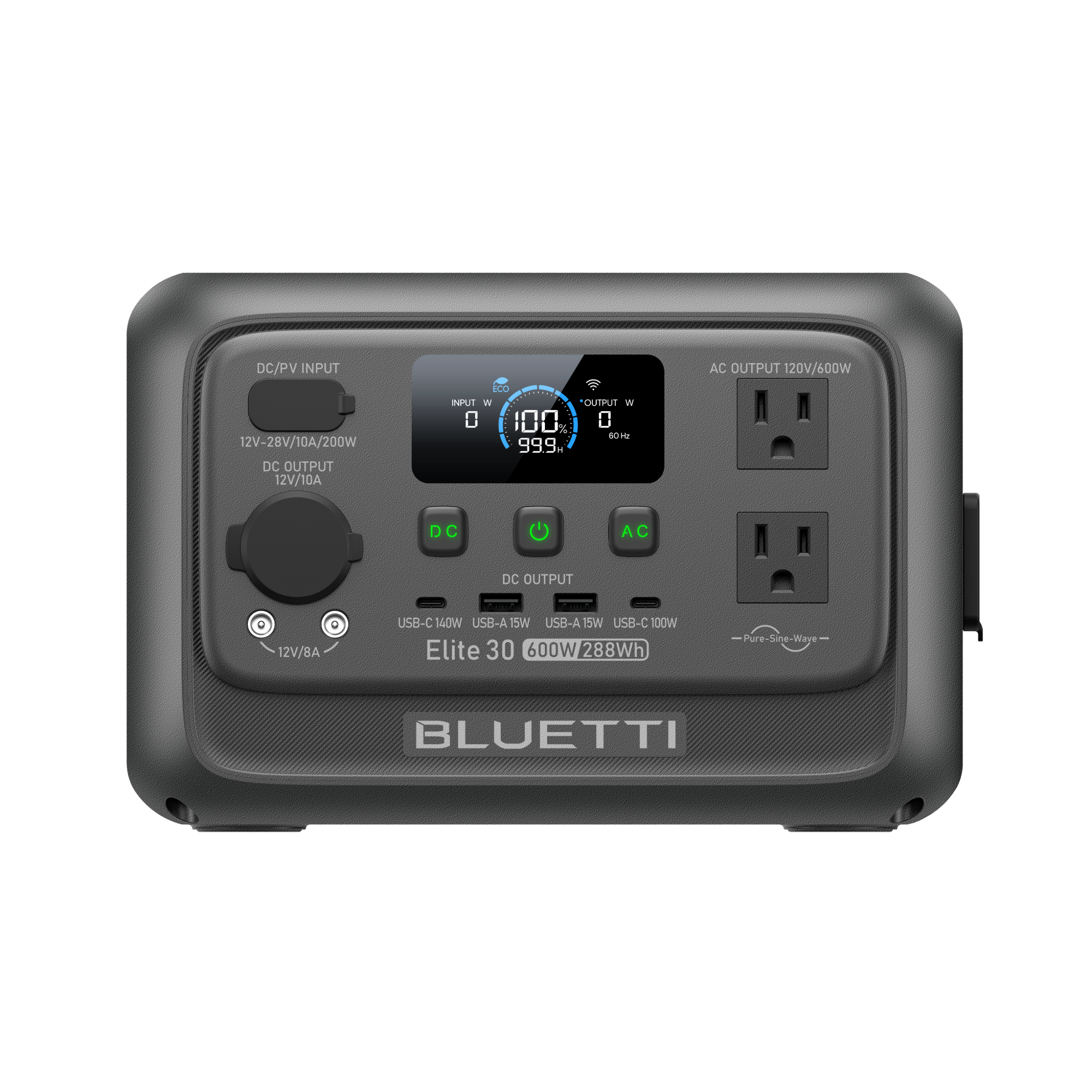
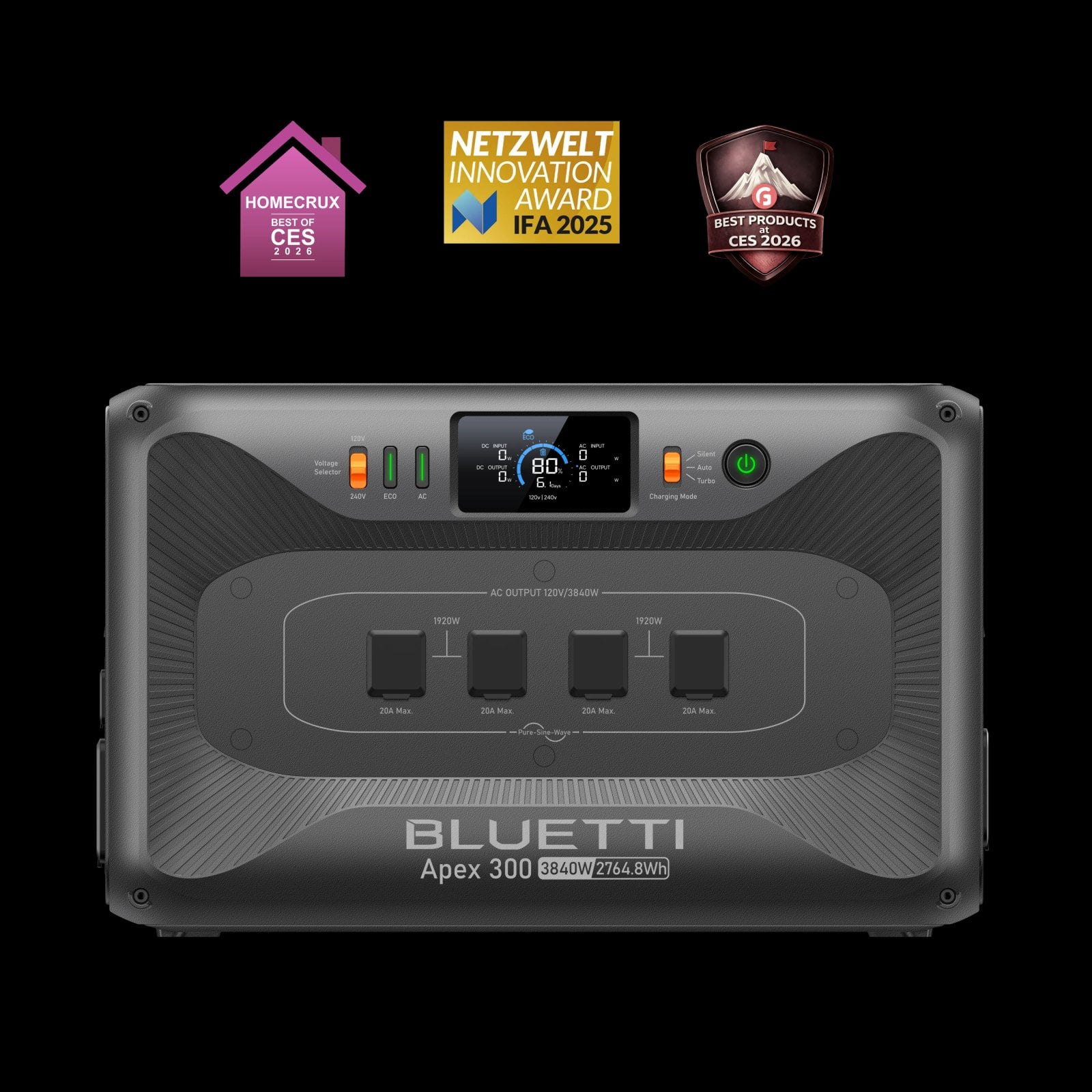
A useful way to judge the concept is to map your routine. If the vehicle covers long distances most days and your battery use happens at camp, charging while travelling can bridge that schedule. If the vehicle is stationary for days at a time, roof or portable solar and a station’s own charging inputs may matter more. Read the Charger 2 specifications alongside the product page for your intended station, such as the Elite 300, rather than assuming every combination is supported. Trip pattern matters more than peak input.
How the two inputs fit a trip
The alternator input is the travel leg of the proposition. In a moving vehicle, it can direct energy toward the connected power system instead of leaving all recharging until a campsite stop. For someone running lights, communication devices, a laptop or small appliances from a station, that may help rebuild reserve during a drive. The exact runtime it enables cannot be inferred from the charging figure alone: storage capacity, loads and charging duration all change the result.
Think of the Charger 2 as a route for energy, not as the battery itself. Its alternator input is designed around travel, while the Elite 100 V2 is an example of the separate storage unit that would hold energy for later use. A buyer needs both sides of that plan to match.
Solar adds a second route, particularly at a parked site. BLUETTI describes PV-priority control, which prioritises solar input when it is available. That can be relevant when sunlight is strong and a vehicle is sitting in one place, while alternator charging is tied to travel. The combination gives the system two potential charging windows, but weather, shade, panel placement and seasonal daylight in Canada make solar output variable.
This makes the dual-input design most attractive to people who alternate between driving and staying put. A station such as Elite 300 is a different purchase decision: its capacity may suit larger needs, but it does not remove the need to size the panels and charging time realistically.
- Write down the devices and approximate daily energy needs you want the power station to cover.
- Estimate how many hours the vehicle normally drives between stops and how long it stays parked.
- Check solar panel voltage and input limits against the Charger 2 documentation.
- Confirm the target power station is listed as compatible and determine which cables or components are needed.
- Plan a safe installation path for vehicle wiring and ask a qualified installer when the setup is beyond your experience.
This planning work matters because “dual input” does not automatically mean plug-and-play for every vehicle. The Charger 2 sits within an ecosystem of stations, panels and electrical connections. BLUETTI’s own Canadian Charger 2 listing should be the reference for supported equipment; then compare it with the station you actually intend to use. The Elite 100 V2 page and Elite 300 page help illustrate that storage capacity and output are separate decisions from how energy gets into the system.
Who is likely to get the most from it
The clearest fit is a traveller who already owns or is selecting compatible BLUETTI storage and spends meaningful time driving between overnight stops. RV users, van travellers and people building an off-grid mobile setup are the audience implied by the product’s role. If your setup needs dependable energy at camp and you want to use both travel and sunlight as charging opportunities, the Charger 2 deserves a closer look.
For a drive-and-stop routine, the proposition is easy to understand: charge while moving, then draw on stored power at camp. A compatible Elite 100 V2 represents one storage option to investigate, while a roomier Elite 300 may suit a plan that calls for more reserve.
It is less compelling for occasional car camping with a small station that can be recharged at home before departure. In that situation, the extra hardware, compatibility checks and installation planning may outweigh the benefit of vehicle charging. It may also be unnecessary if you rarely move during trips, have reliable shore power, or only need to top up a phone and a few small devices.
A simple setup with low energy needs may get by with a compact station and its normal charging options. Compare the Charger 2’s role against equipment such as the Elite 100 V2; the accessory only makes sense when it improves the way you replenish storage.
The storage device remains important. A charging hub cannot compensate for a station that is too small for the intended appliances, and it does not decide which loads can run at once. BLUETTI Elite 100 V2 is a smaller-capacity station option than Elite 300; the product pages list their output and capacity details for direct planning. A reader comparing those stations should size around actual loads first, then ask whether an additional charging route solves a real routine problem.
Buying and setup questions to resolve
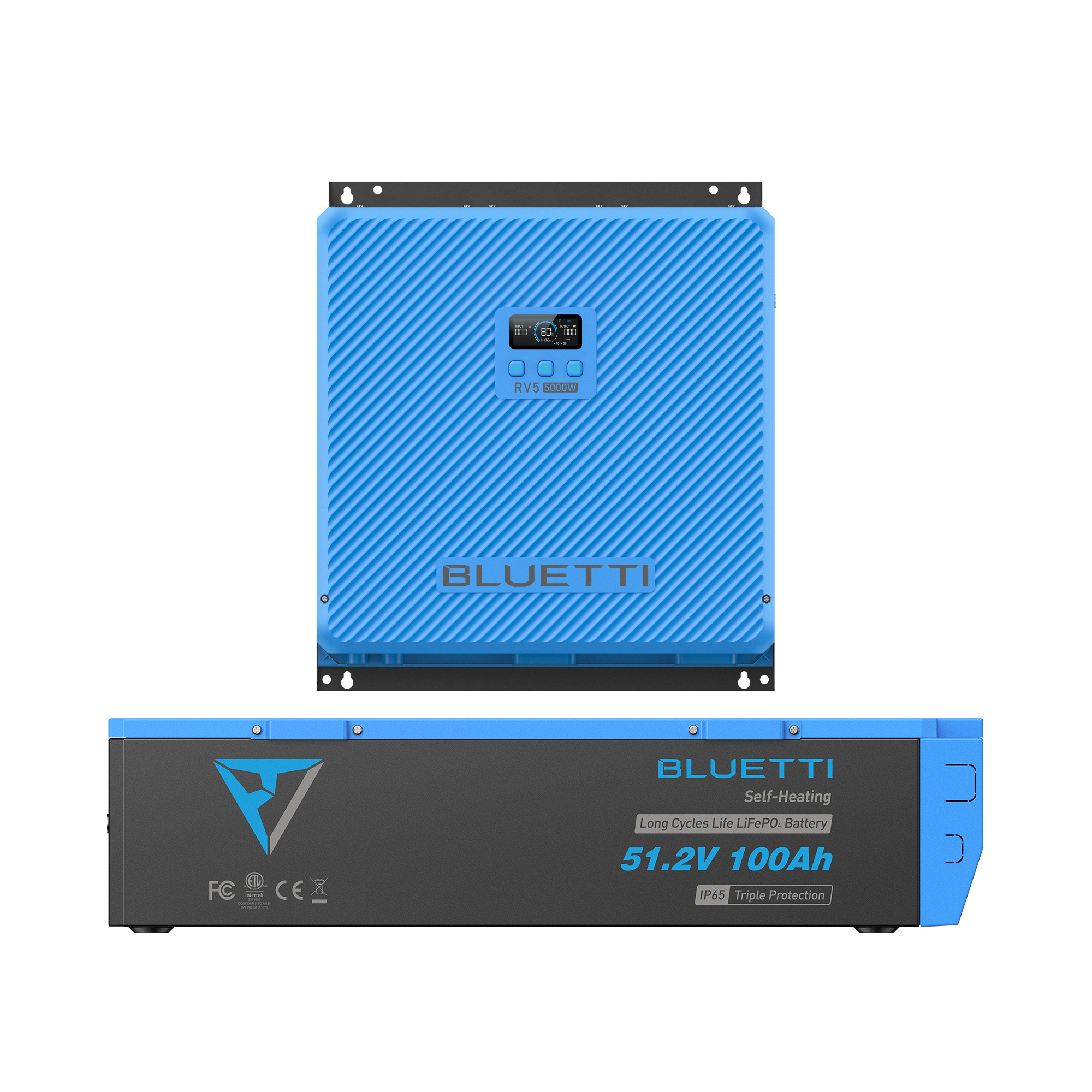
The buying experience begins with a product listing, but the important decision is whether the whole system will work together. Before adding the Charger 2 to your plan, identify the power station model, alternator connection requirements, solar panel specifications and any extra components. If the page presents bundles or accessory choices, check exactly what each selection includes. That is more useful than choosing by the main unit alone.
On the product page, verify what is in the selected configuration, then check the matching equipment separately. BLUETTI’s Canadian Charger 2 listing should establish charging-side details, while the page for the Elite 300 station describes storage-side details.
Next, make sure the charging rate aligns with your use. A large combined maximum can be attractive, but a small panel array or short daily drive may not supply enough energy to reach it. Conversely, a high-capacity station used for substantial loads may benefit from more than one charging source. Treat the stated input figures as limits to match against equipment, not as a runtime estimate.
- Check current compatibility notes for the exact power station model.
- Review the alternator connection, cable routing and installation requirements for your vehicle.
- Match solar panel voltage and connector details to the published input specifications.
- Check warranty, shipping, return terms and support contact details on the Canadian store.
- Use the store listing to confirm current price and availability, since these can change.
BLUETTI’s Canadian store provides a dedicated product page and linked support resources. The page is the right place to verify current configuration details and the terms that apply to your order. This article avoids quoting a price because the amount can change; the current listing is the reliable checkpoint. Ask support about a configuration if a vehicle or station model is not clearly covered in the compatibility information.
The strengths and limits of this design
Where the Charger 2 makes a persuasive case
- Two charging routes can suit trips that alternate between driving and parked time.
- PV-priority control gives solar a defined role when the panels can contribute.
- Up to 1,200W combined input is a substantial stated ceiling for a mobile charging accessory.
- The product has a clear job in an ecosystem: replenish compatible storage while travelling.
What deserves a closer check
- It depends on compatible equipment, so it is not a universal accessory for every power station.
- The maximum input figures do not guarantee that a particular vehicle and solar array will deliver those rates.
- Installation and wiring add planning, space and possible professional labour to the decision.
- It may be excessive for short trips, light loads or travellers who can recharge from a regular outlet.
Taken together, this is a specialised product whose strengths appear when the travel pattern supports them. The dual inputs are meaningful for a mobile system with compatible storage, and less meaningful as a standalone upgrade without an existing power plan. Buyers should evaluate the product with their vehicle, panels and station in mind. BLUETTI’s pages for the Elite 300 and Elite 100 V2 can help frame the storage side, while the Charger 2 listing covers the charging component.

Is BLUETTI Charger 2 worth considering for your road setup?
We would put BLUETTI Charger 2 on the shortlist for RV and van travellers who have compatible BLUETTI storage, drive regularly and want solar and alternator charging to work within one mobile plan. Its stated dual-input approach is clear and useful for that audience. Check the current product page for equipment compatibility, configuration details and price before deciding.
For occasional trips, light loads or a station that is easily recharged between outings, the additional system planning may not earn its place. Start with the loads and station you need, then determine whether charging during travel solves a genuine gap. If it does, review BLUETTI’s Canadian listing and confirm the complete setup before purchase.
