
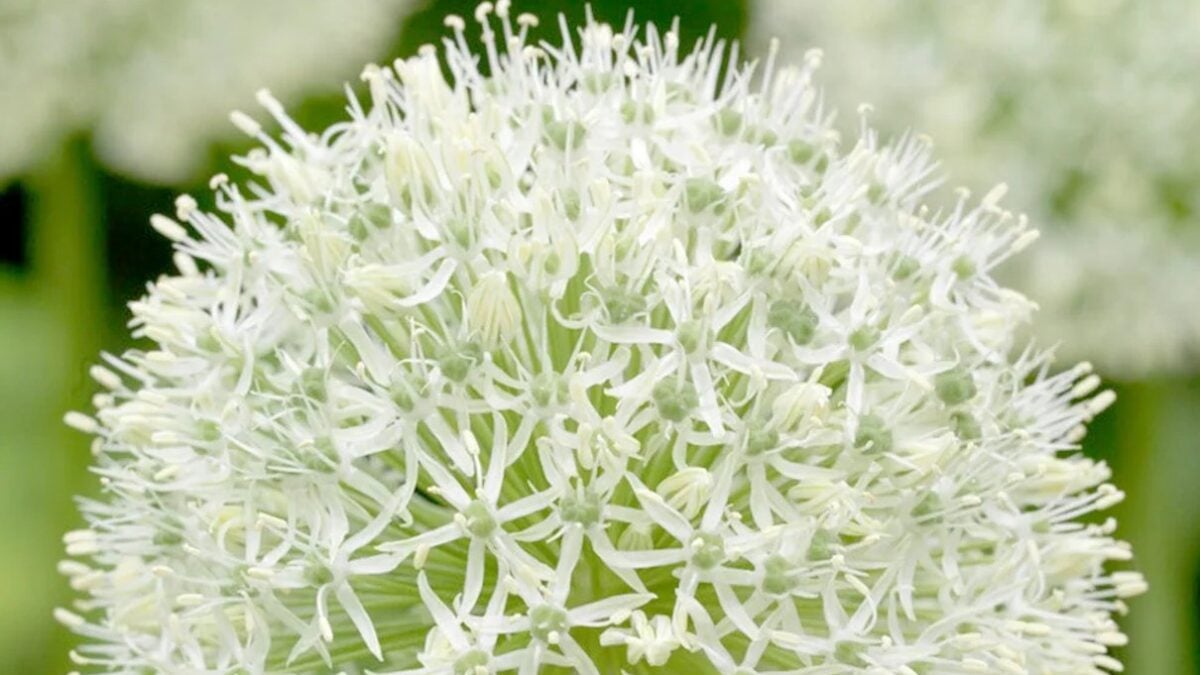

A close look at DutchGrown’s Allium Mount Everest, including its scale, planting role and the garden conditions that make this white flowering bulb a sensible choice.
White alliums can be a useful bridge between a busy spring border and the fuller planting of summer. DutchGrown’s Allium Mount Everest is presented as a tall, late-spring choice with large white flower globes. The useful question is whether its size and timing suit the space you have, rather than whether a white allium is attractive in a photograph. This scale is what makes the Allium Mount Everest listing useful for planning.
We reviewed the UK product listing and the store’s supporting information. The listing gives enough specifics to judge its garden role: a stated bloom diameter, height, bulb size, season and several suggested uses. It is less helpful on some care details, so we explain what shoppers should confirm before placing an order. The Allium Mount Everest page gives the key dimensions.
Some links in this article are affiliate links: if you make a purchase through them, we may receive a small commission.
Highlights
- Allium Mount Everest is listed with pure white flower globes around 15 cm across and plants reaching 90 cm tall.
- DutchGrown lists bulb size 20/+ cm and says the bulbs are for autumn delivery and planting, with flowers in late spring.
- The stated strengths are naturalising, cut-flower use and appeal to bees and butterflies.
- Its height and pale flower heads suit a border focal point; the scale may feel too prominent in a small pot or narrow bed.
A tall white focal point, not a background filler
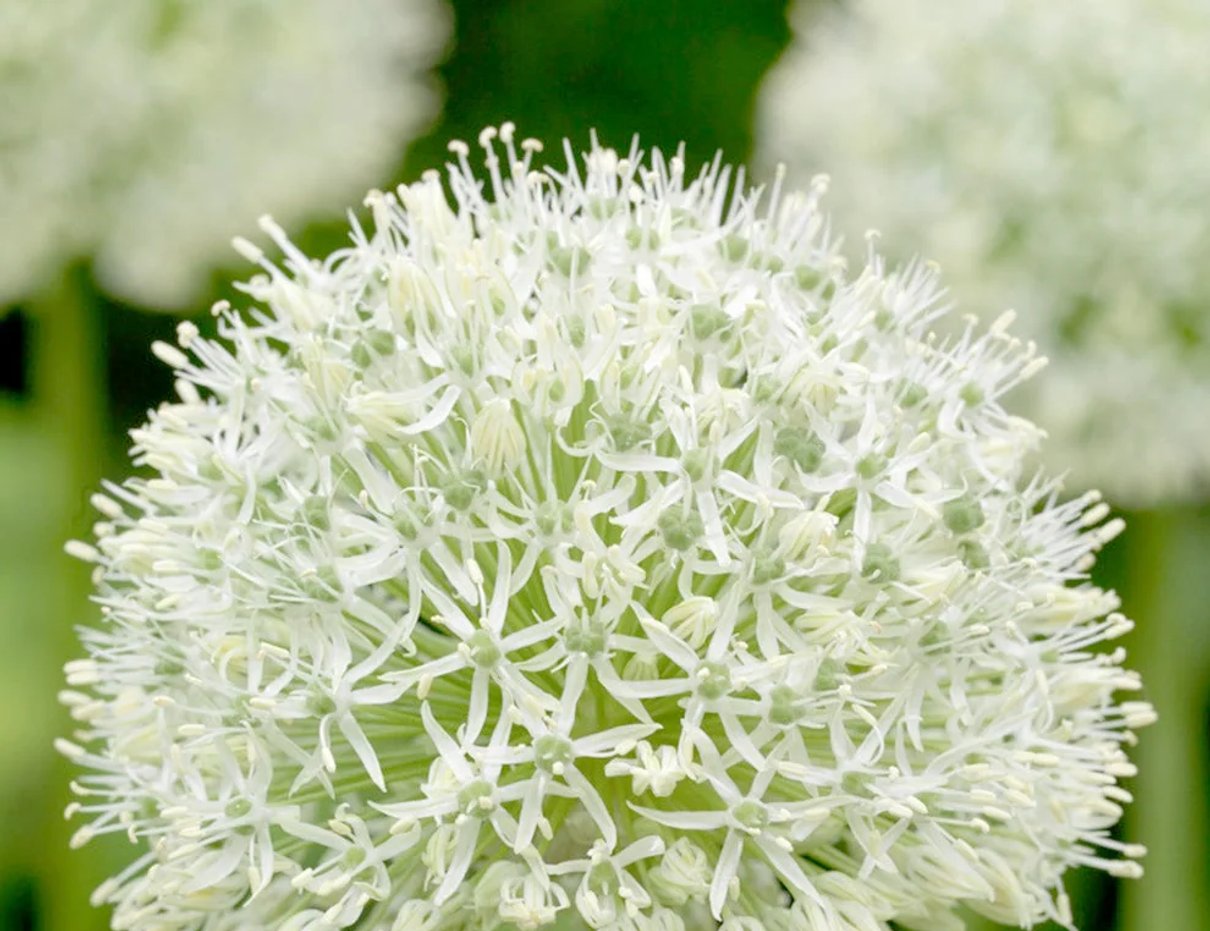
The product’s clearest selling point is its large white globe. DutchGrown describes a 15 cm diameter bloom on a plant that reaches 90 cm, proportions that put it in the upper part of a mixed border rather than at its front edge. Repeated in a small group, those flower heads can read as a deliberate motif; spaced singly, they can punctuate a planting scheme with bright, rounded shapes. That is the role the Allium Mount Everest listing describes.
The white colour is practical as well as stylistic. It can sit beside strong colours without introducing another hue, and it can stand out against dark foliage or a green backdrop. The store says the flowers remain ornamental beyond their long blooming period, which is a useful attribute for gardeners who value seed-head structure. The listing does not specify how long that effect lasts in particular conditions, so treat it as a design possibility, not a guaranteed calendar. Check the Allium Mount Everest page against your layout.
This scale calls for a little planning. Allow the mature stems to rise above lower plants, and avoid placing the bulbs where emerging foliage will be hidden by dense growth. If your main goal is a soft, low ribbon of colour, Allium Mount Everest is probably not the best single choice. It is more compelling where height is welcome and a clear visual anchor is needed. The Allium Mount Everest listing is clear on scale.
What the product listing says you are buying
DutchGrown presents this as an autumn-planted bulb for late-spring flowering and states a bulb size of 20/+ cm. The size notation is a useful point of comparison when browsing bulbs, but it is not a promise that every plant will perform identically. Weather, soil, planting depth and aftercare all shape the result. The product page also labels the plant hardy, easy to grow and naturalising well; those are the seller’s descriptions and should be read as general guidance. Its Allium Mount Everest details support that comparison.
There are two practical uses beyond the border display. The shop calls out cut flowers, so the tall stems may appeal to gardeners who want some blooms for a vase as well as flowers outdoors. It also names bees and butterflies, making this a plausible choice for a pollinator-minded scheme. For both uses, the large flowers are the feature; a gardener seeking subtle, low-growing filler may prefer another bulb. The Allium Mount Everest page anchors the choice.
On the buying side, check the selected pack quantity and the live listing details before checkout. DutchGrown’s UK site organises its catalogue by bulb type and season, and its help pages cover bulb sizes, shipping schedules and costs. Seasonal availability and dispatch timing can affect when a bulb arrives, so use the store’s current information to match delivery to your planting plan. The brand also describes itself as a family company with a range sourced from growers in Holland and dispatch from London; these points provide context for the shop, not a substitute for checking product-level terms. That makes the Allium Mount Everest listing worth checking.
Planning the planting around it
The product page gives the broad timing but does not provide every instruction a new bulb gardener may want in one place. Before ordering, check DutchGrown’s care guidance for planting depth, spacing and soil conditions. Think first about the mature height, then map the bulb into a border where surrounding plants will not swallow the stems. A visually simple layout is often easier to maintain than scattering tall bulbs through a crowded bed. The Allium Mount Everest details are useful here.
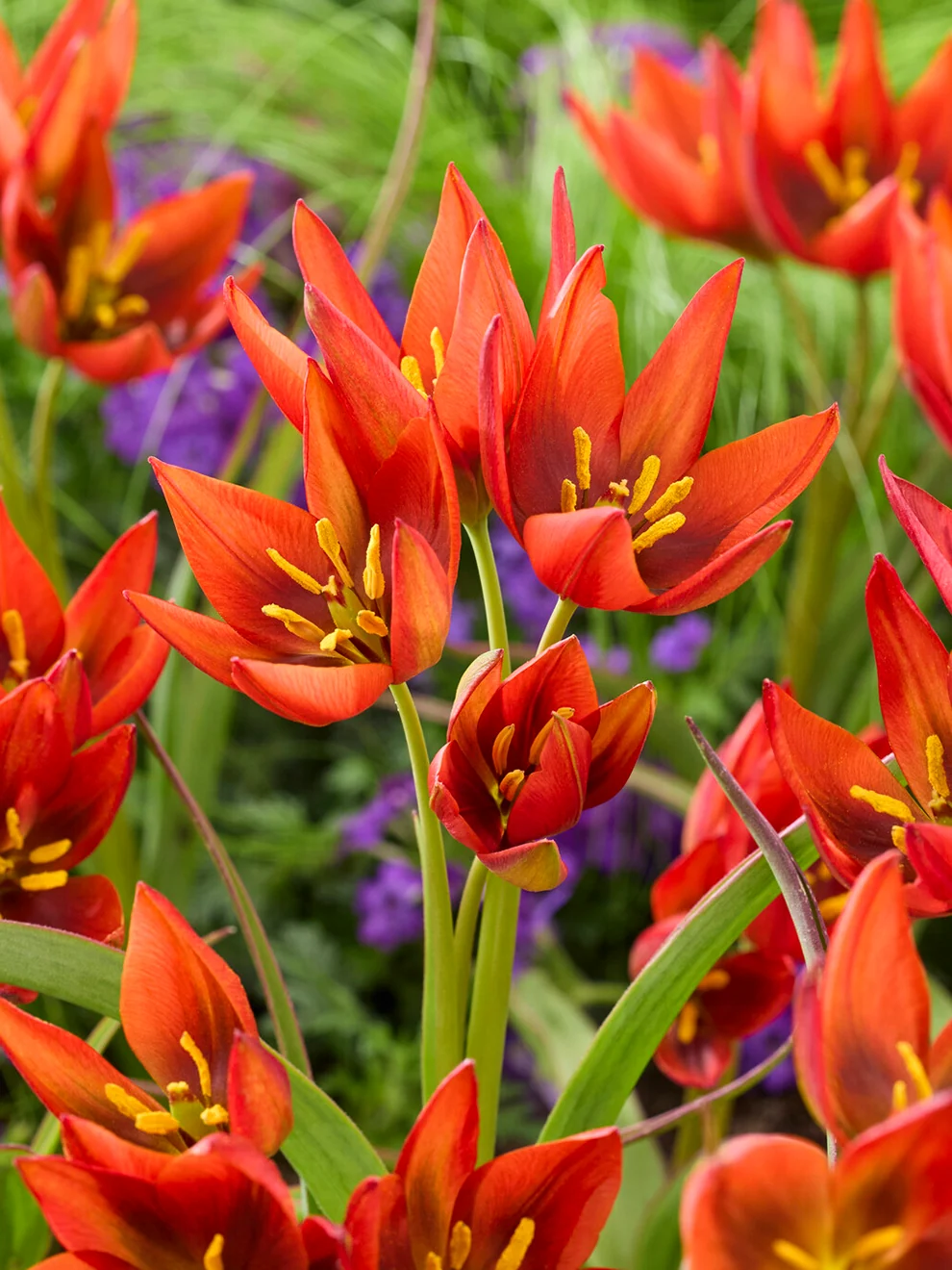
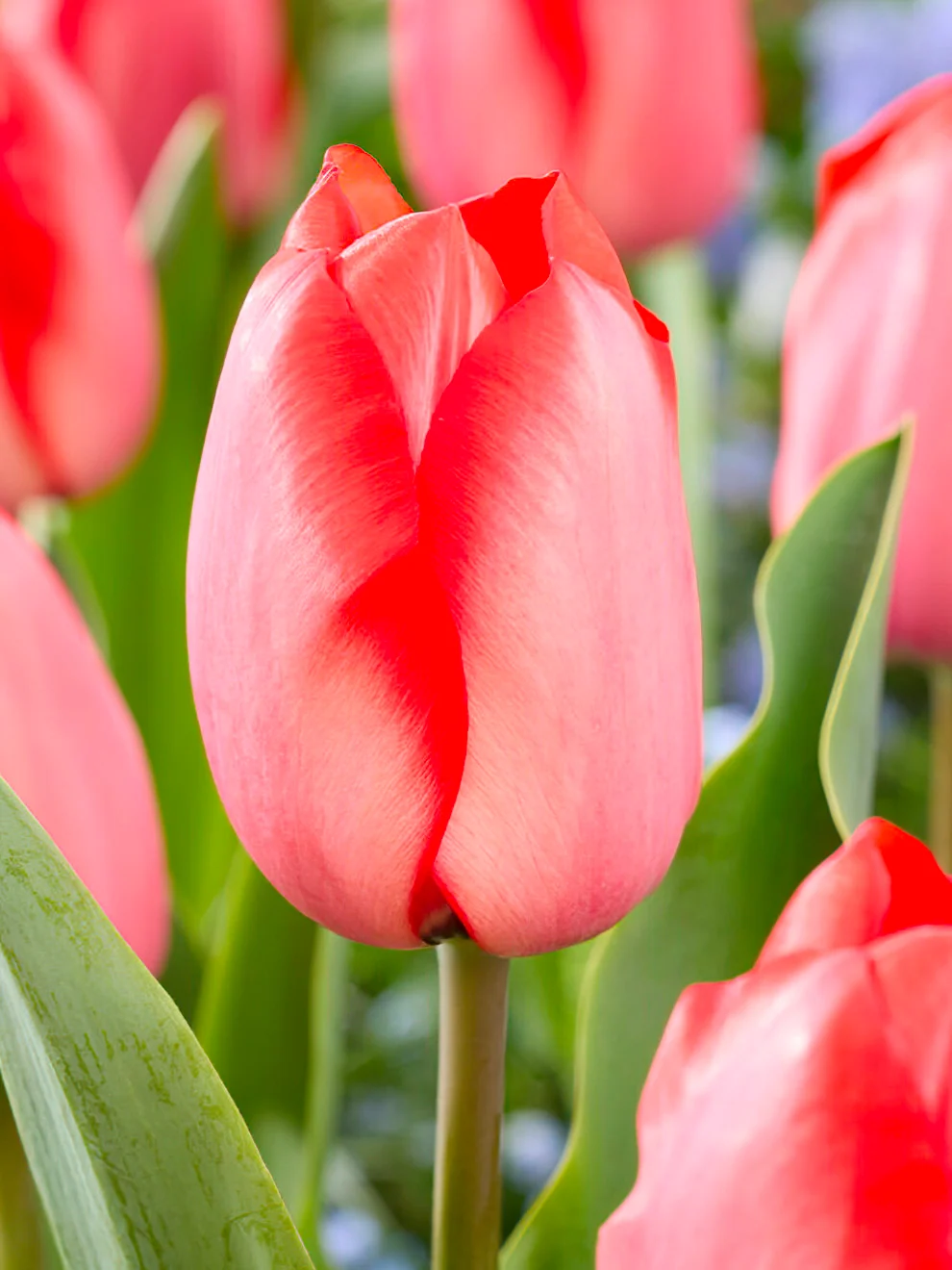
For a considered spring sequence, pair the late-spring flower with earlier bulbs and then with summer perennials. DutchGrown’s Tulip Mara gives a different, warmer flower shape for the earlier part of a bulb-led display, while the white allium can carry the design upward later. That is a planning example rather than a claim that the two bloom at exactly the same time in every garden. Revisit the Allium Mount Everest product page before ordering.
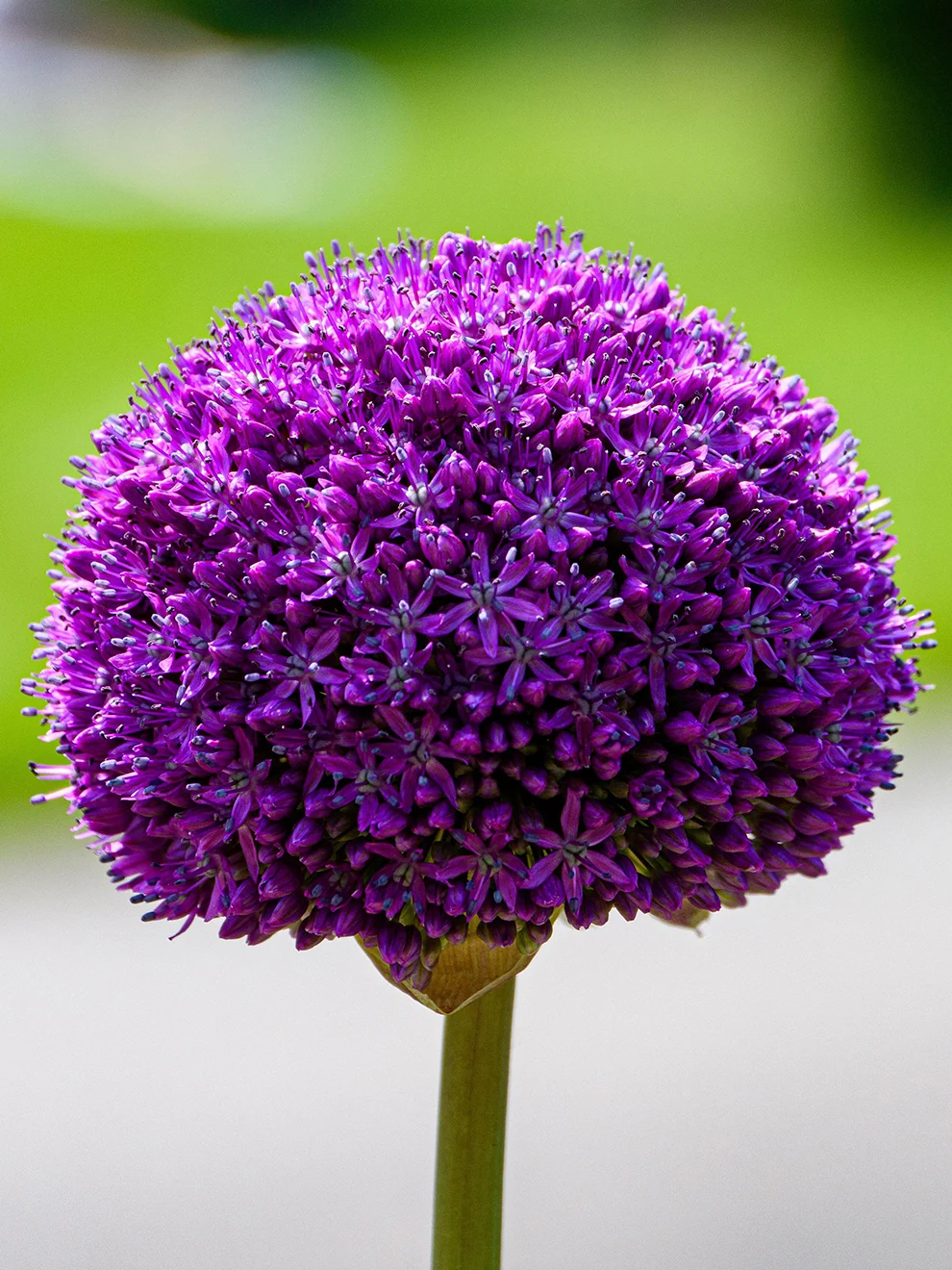
The store suggests growing this allium with Allium Globemaster and Allium Purple Sensation. Their different colour and scale can help create a layered allium scheme, but do check the individual listings and flowering windows before treating them as a ready-made combination. A nearby alternative from the current range, Allium Gladiator Sensation, provides another option to consider when comparing flower shape and colour. Mount Everest’s draw remains its clean white globe. The Allium Mount Everest listing sets that expectation.
- Check that a 90 cm mature height works with the view from paths and windows.
- Confirm the pack quantity, bulb size notation and autumn dispatch information on the live UK listing.
- Leave visible space around tall stems and consider how neighbouring foliage may develop.
- Use the store’s planting guidance to confirm depth, spacing and site requirements for your conditions.
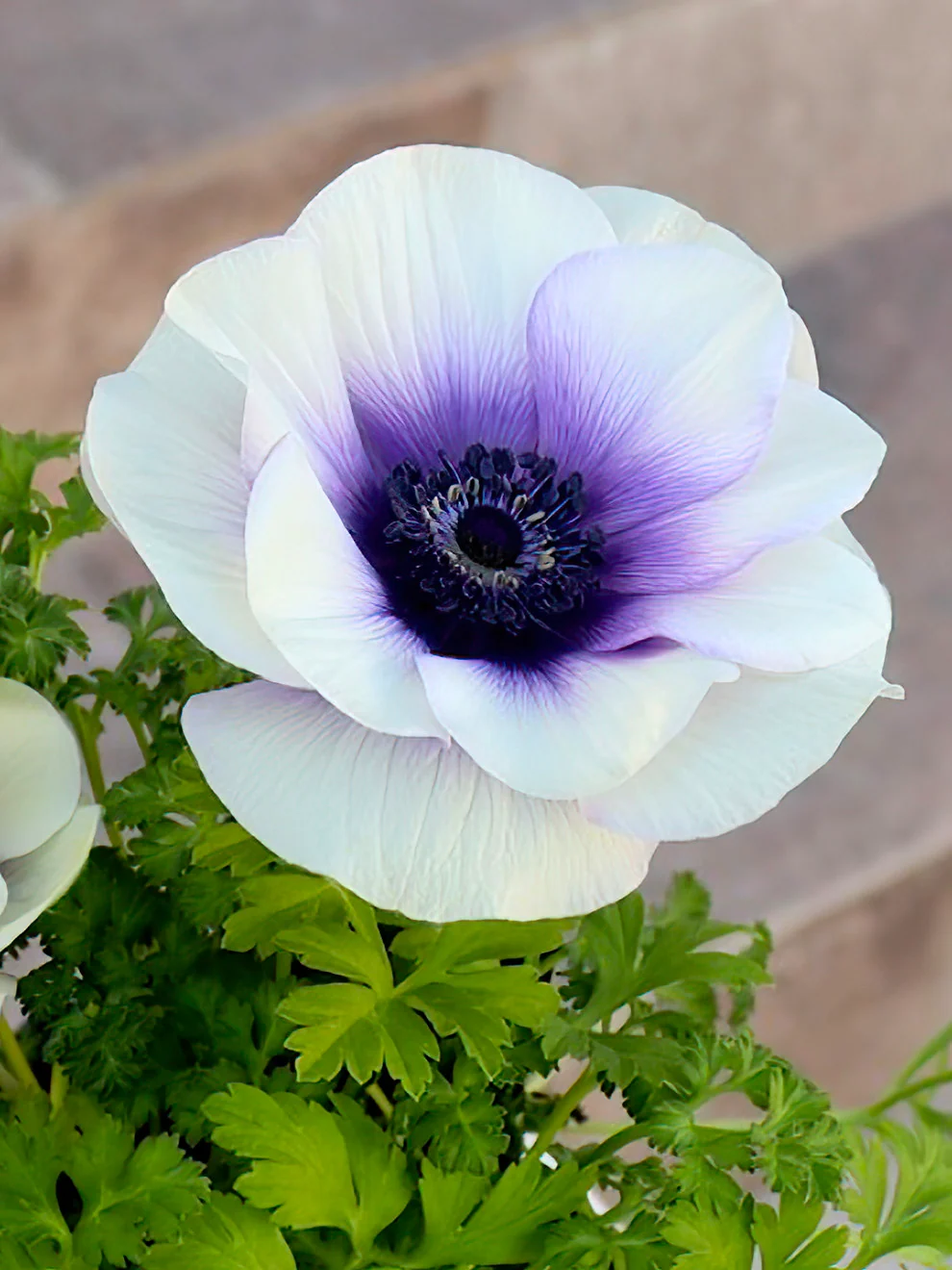
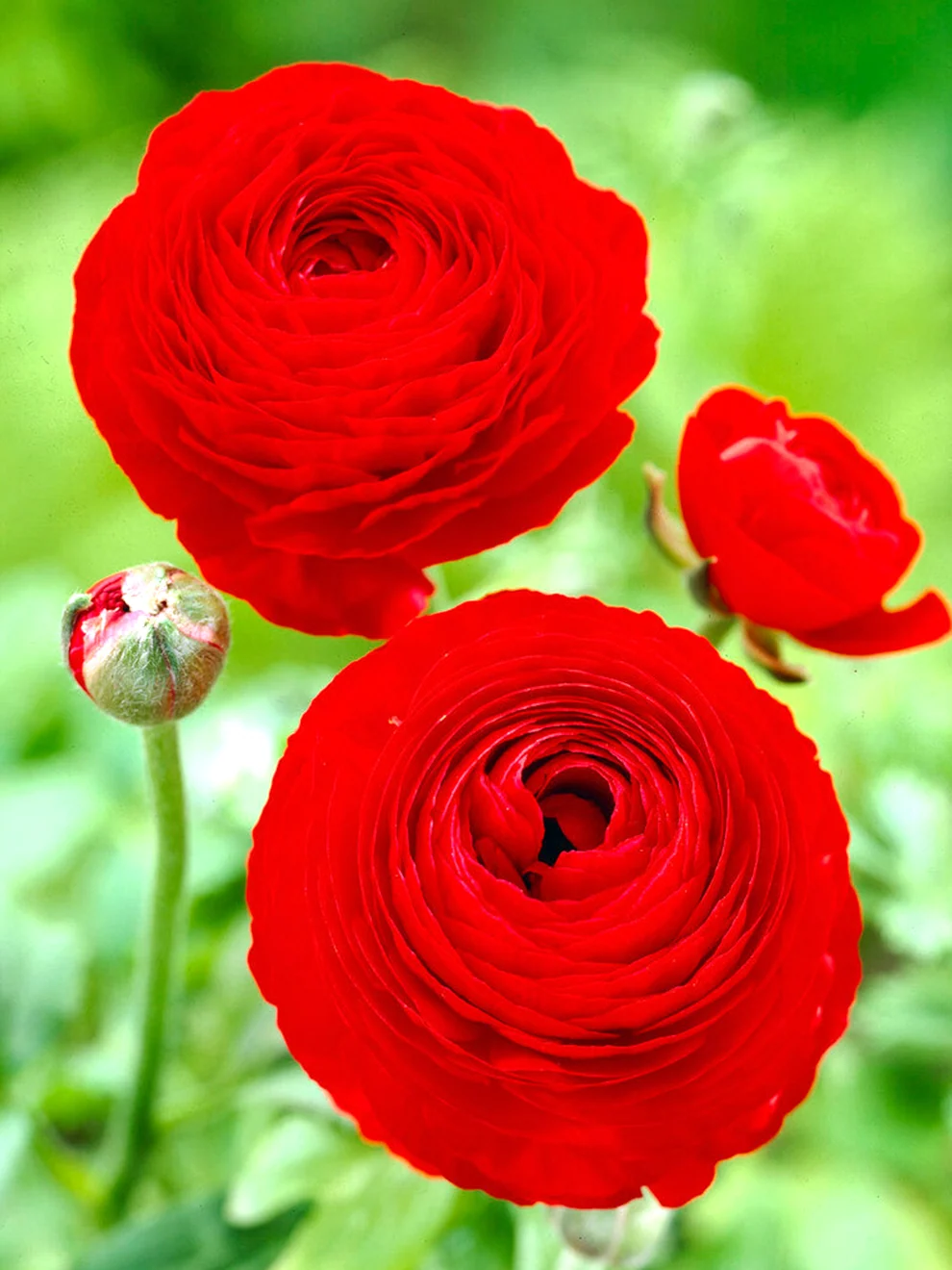
Gardeners building a broader colour story can also browse unrelated shapes from the same UK catalogue. Anemone Rainbow Blue/White adds a cooler contrast, while Ranunculus Amandine Red offers a saturated red flower. These are examples of the catalogue’s breadth, not products that need to be purchased alongside the featured allium.
That distinction matters because a single-product review should not turn a garden plan into a shopping list. Start with the role you need filled. If you already have enough colour but want a later white focal point, the featured bulb is the more direct match. If the bed needs a low, continuous carpet, or the space is limited to a small container, compare lower-growing choices instead. Compare your space with the Allium Mount Everest page.
Where the listing is strongest and where it is thin
The details that make the choice clearer
- Distinctive scale: the stated 15 cm flowers and 90 cm height give a clear visual role.
- Useful garden roles: DutchGrown notes naturalising, cutting and pollinator appeal.
- Seasonal context: late-spring flowering and autumn planting make it easier to place in a plan.
- Recognisable bulb sizing: the 20/+ cm notation helps distinguish the listed bulb grade.
Questions worth checking before checkout
- The listing is brief on site-specific care details; consult the grower’s guidance for your soil and exposure.
- Tall stems and large heads need room, so this is not the most discreet choice for a compact planting.
- Flowering time and performance depend on local conditions, so treat the seasonal description as guidance.
- Pack quantity, availability and dispatch timing can change; confirm the current UK product page before ordering.
Those limits are manageable, but they should inform expectations. DutchGrown’s product page is useful for choosing by colour, scale and broad season. It is not a full growing manual. The store’s linked bulb-size and FAQ resources can add context, and checking the product-specific listing at purchase time helps avoid relying on details carried over from a past season. This is the practical case for Allium Mount Everest in a border.
For shoppers comparing the experience across the store, the UK catalogue has a clear seasonal structure, named varieties and category pages that make browsing by bulb type straightforward. The retailer also provides dedicated pages for shipping, contact details and its grow guarantee. Those resources support the purchase, but they do not remove the need to read the applicable terms or verify whether the specific item is available for the desired planting window. The Allium Mount Everest listing suits that plan.
Is Allium Mount Everest right for your border?
We recommend Allium Mount Everest for gardeners who have room for tall stems and want a pale, architectural note in late spring, especially if cut flowers or naturalising are part of the plan. Its listed flower size and height make the product unusually easy to picture before ordering, and the UK store supplies a useful set of seasonal and bulb-size details. Use the Allium Mount Everest details to confirm fit.
We would pause if you need a low-growing bulb, a small-container feature or detailed care instructions directly on the product page. Confirm the current pack and delivery information, then compare the bulb’s mature scale with your bed. If that role fits, the listing makes this specific white allium a considered choice within DutchGrown’s wider range. The product page for Allium Mount Everest is the final reference.
Allium Mount Everest Review: A White Allium for Late-Spring Structure
