


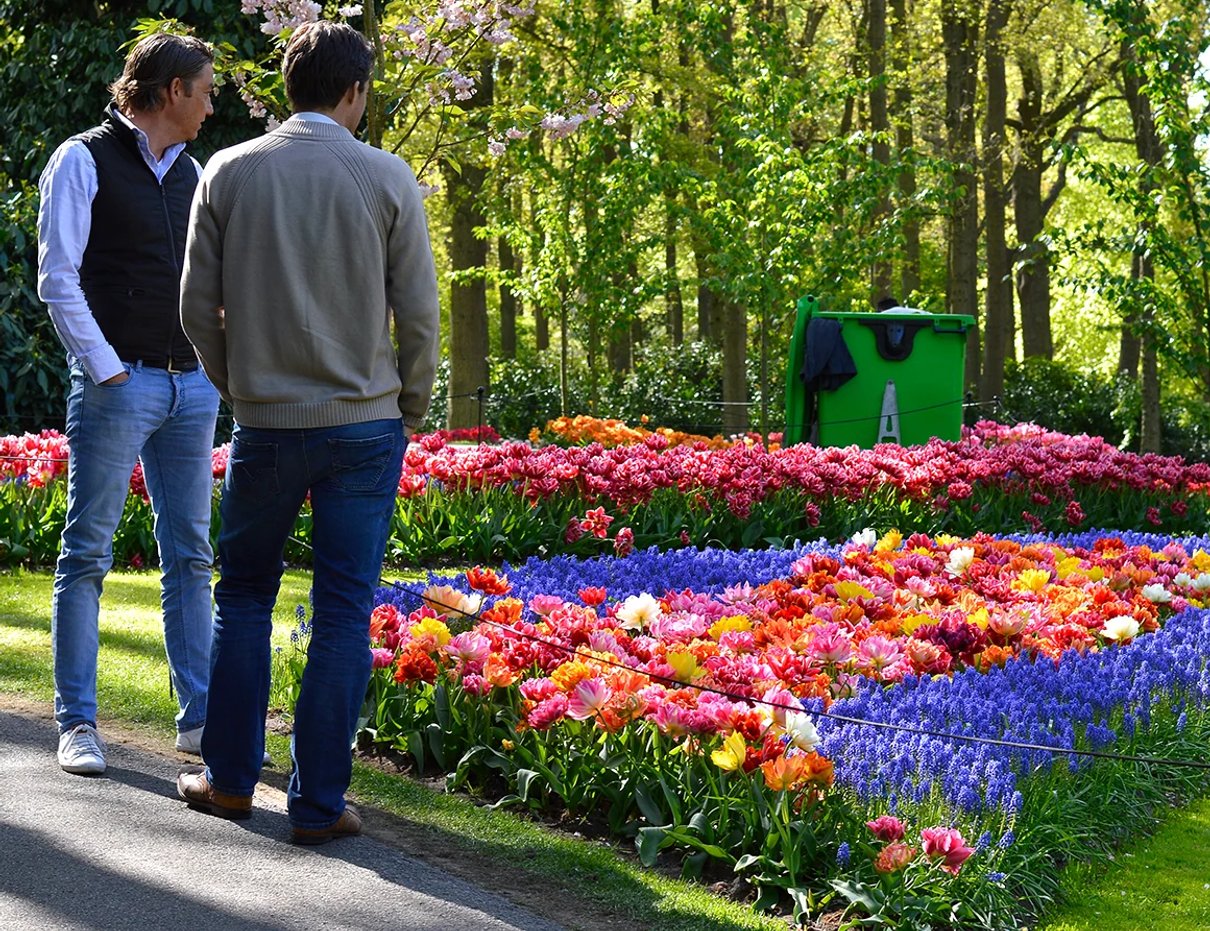
Learn how DutchGrown’s family history, grower relationships and broad seasonal catalogue can help a first-time gardener choose where to begin.
For a new gardener, a bulb catalogue can feel like a wall of names: tulips, alliums, dahlias, perennials and collections, each with its own planting window and garden role. DutchGrown is easier to understand when we start with the family business behind the names, then look at the breadth of its UK range.
The brand describes itself as a Dutch family flower-bulb exporter with a history stretching across generations. Its current UK store also reaches well beyond bulbs, which gives readers more than one way to begin a planting plan.
Some links in this article are affiliate links: if you make a purchase through them, we may receive a small commission.
Highlights
- DutchGrown™ says its family history spans four generations and more than 150 years.
- The range covers classic autumn-planted bulbs alongside summer-planted choices, tubers and hardy perennials.
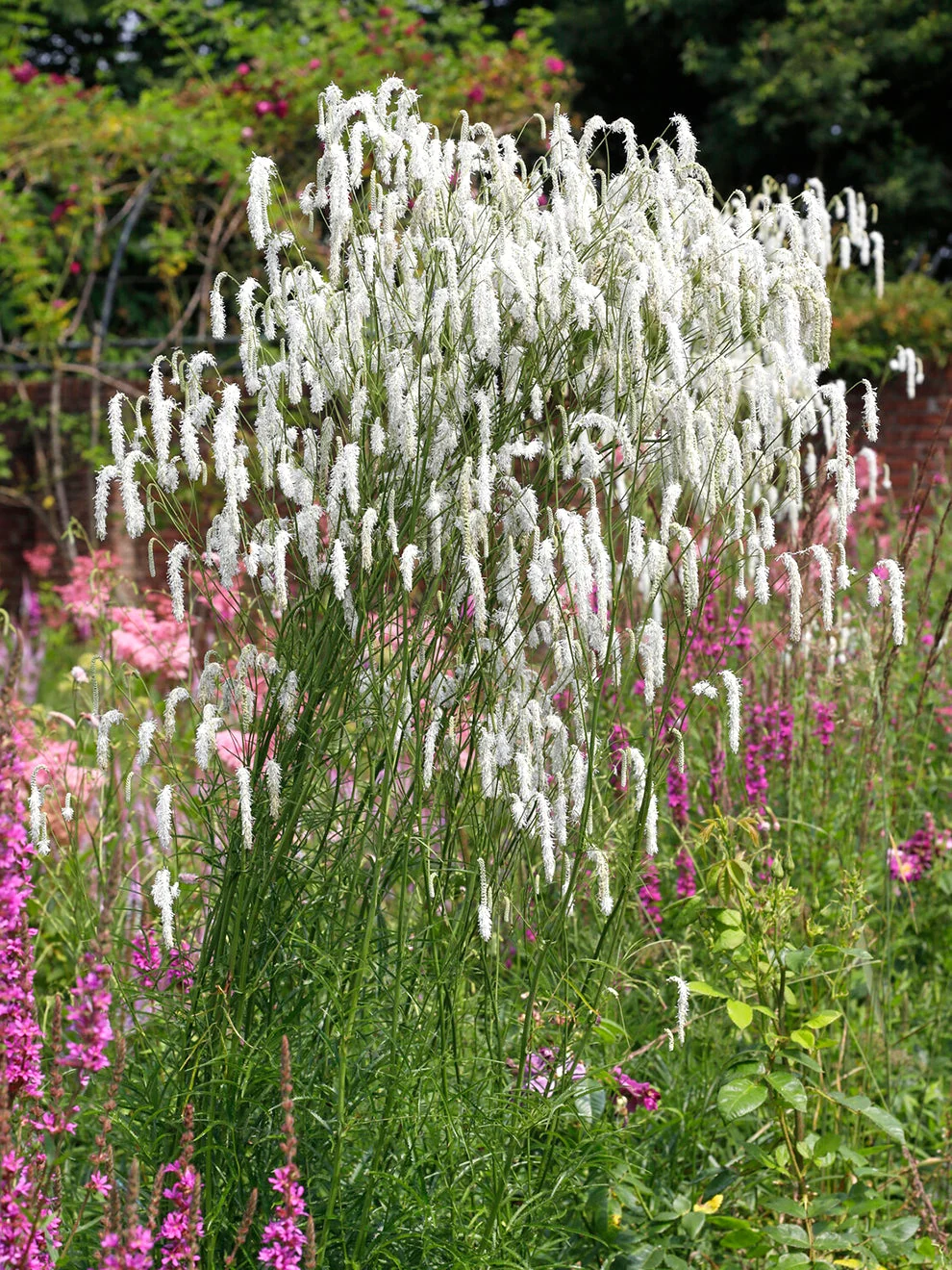
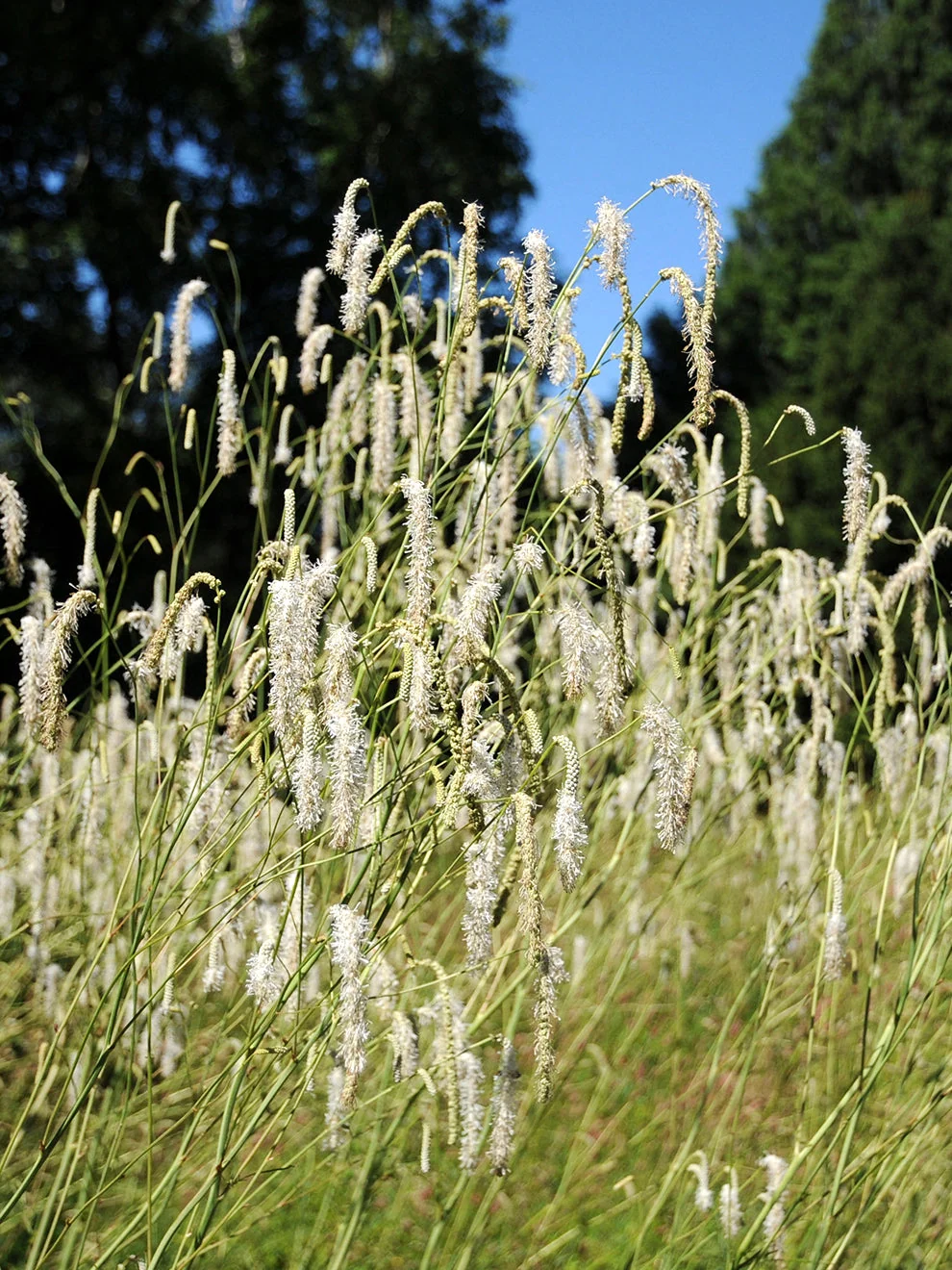
- Sanguisorba Korean Snow shows the catalogue includes airy, late-season perennials as well as bulbs.
- Trollius chinensis Golden Queen and Dahlia Kick Off illustrate how varied the garden roles can be.
A family history with practical roles
On its About Us page, DutchGrown traces its family story back more than 150 years and describes the business as four generations in the flower-bulb trade. That background matters because it helps explain the catalogue’s blend of growing knowledge and online retail. The company identifies brothers Ben and Pete as the people behind the current business: Ben works with growers and flower bulbs, while Pete focuses on the technology that supports its online operation.
That division of work is useful context for a first-time customer. Choosing bulbs is partly a horticultural decision, but it is also a navigation task: finding a suitable variety, checking planting information and understanding when a product is appropriate. The UK store presents a large catalogue with category pages, product descriptions and practical help pages. Readers can start with the family story and then use those tools to narrow a real garden plan.
Its family framing also comes with a commercial identity: the store says it works with growers in the Netherlands, highlights Dutch bulb expertise and dispatches orders from the UK. These are statements from the brand, not independent quality ratings, but they explain why its offer is organised around direct access to a broad grower-sourced range. The UK storefront is the right place to check current availability, planting notes and delivery details.
- Look for the planting season first.
- Use the variety notes to match light, soil and moisture.
- Check availability and dispatch details on the UK listing.
A catalogue organised around seasons and garden roles
The most visible part of DutchGrown remains its spring-flowering bulb range. Tulips, daffodils, alliums, crocuses, hyacinths and smaller naturalising bulbs appear across separate collections, making it possible to think in terms of height, colour, flowering time or planting location. A customer might start with tulips for colour, browse daffodils for a reliable early display, or consider alliums for height and structure. Each starting point leads to a different kind of planting decision.
- Tulips for colour and variety.
- Daffodils for early-season flowering.
- Alliums for vertical structure.
There is also a seasonal distinction worth keeping in view. Many spring-flowering bulbs are planted in autumn, while the store’s spring-planted range includes summer interest such as dahlias and perennials. That distinction affects when to shop and what preparation is needed. The site groups items by season and plant type, so a reader can check the relevant collection pages before settling on individual varieties.
What stands out from an editorial perspective is the range’s breadth rather than a single signature product. Alongside familiar bulbs, there are flowering tubers, bare-root plants and perennials. That wider selection may help someone build a sequence of flowering through the year, but it also asks the customer to compare planting conditions and care needs rather than buying by colour alone.
One useful way to read the range is to ask what a plant contributes: an early splash, a tall focal point, foliage contrast or later-season movement. Considered this way, DutchGrown is not simply a place to choose a flower by photograph; it is a catalogue that can support a more layered garden plan. The product descriptions and category filters help, although the final choice still depends on the light, soil and space in a particular garden.
Three listings that show the range
Sanguisorba Korean Snow is a good example of the catalogue moving beyond bulbs. The UK product description presents it as a hardy perennial with slender white flower spikes, grey-green foliage and a summer-to-early-autumn flowering period. Its tall, narrow habit suggests a role toward the back or middle of a border where vertical detail is useful without a broad footprint. The store notes that it prefers full sun or partial shade and moist, well-drained soil, with support potentially helpful in exposed positions. Read the listing for Sanguisorba Korean Snow before deciding whether its conditions fit.
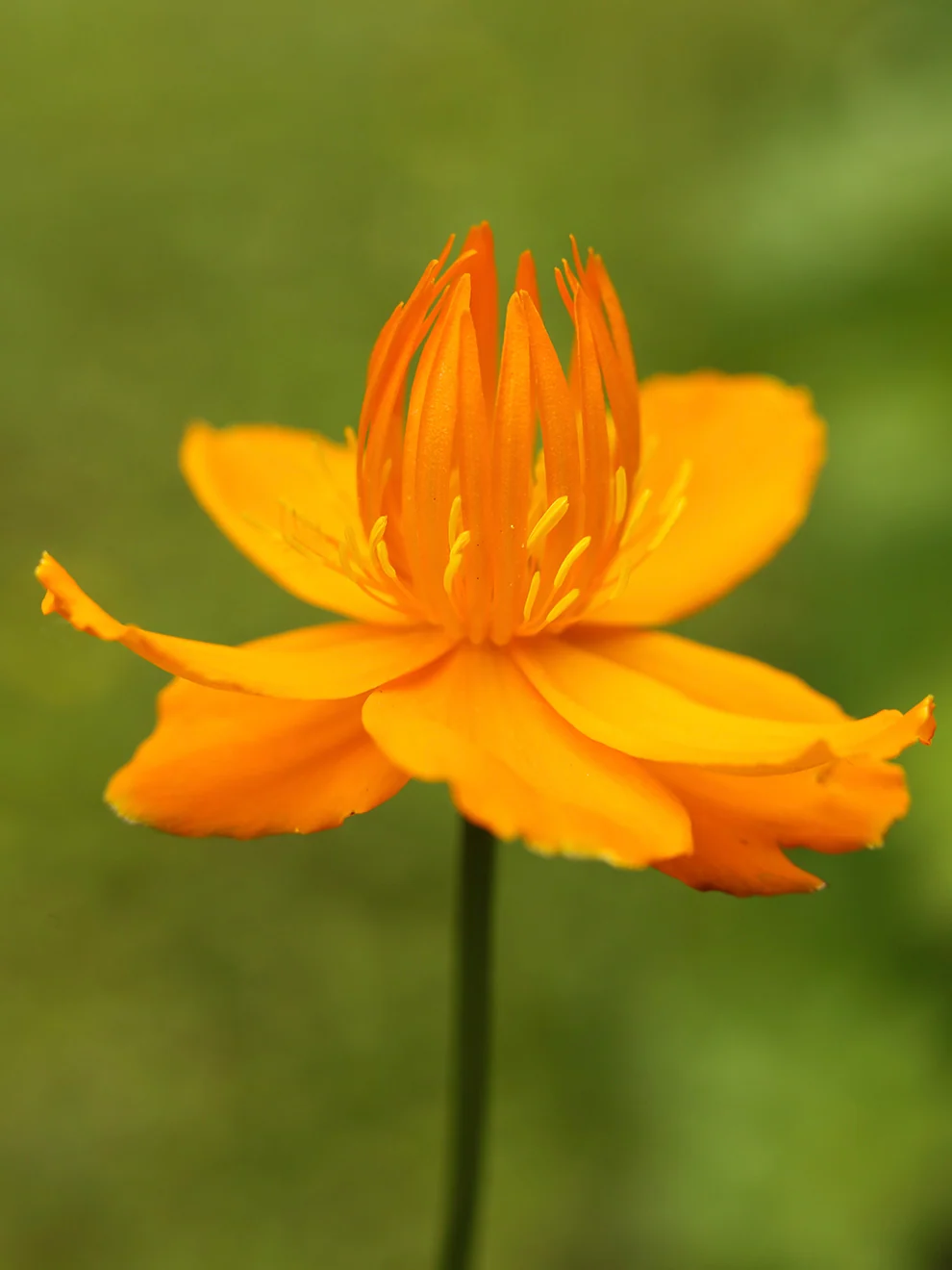
Trollius chinensis Golden Queen brings a warmer colour and a different structure to the selection. Globeflowers are suited to gardeners who want a bold, rounded flower shape and have a spot that stays reasonably moist. The useful question is not whether the name sounds appealing but whether the planting location meets the plant’s needs. The product page for Trollius chinensis Golden Queen is the place to confirm the current growing guidance and availability before adding it to a border plan.
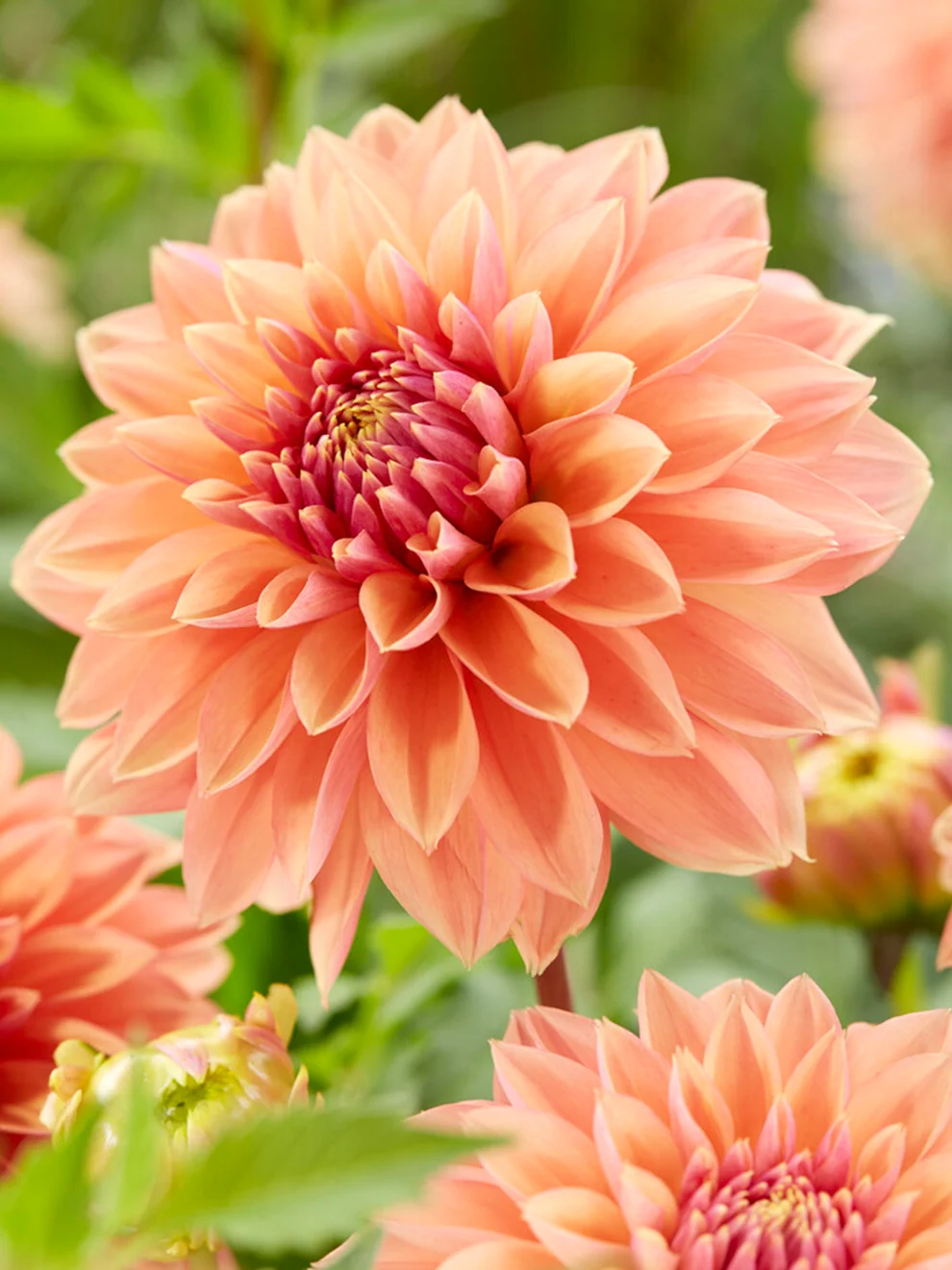
Dahlia Kick Off represents the summer-flowering tuber side of the business. Dahlias give gardeners a route to sustained summer colour and are often chosen for beds, containers or cutting gardens, depending on habit and flower form. They also involve a different seasonal rhythm from autumn-planted bulbs, so buyers should check the listing and local growing conditions before planning placement. The UK page for Dahlia Kick Off provides the product-specific detail; the wider dahlia collection is useful if its colour or form is not quite right.
These examples tell a newcomer something important: the brand’s range is broad enough to support different garden styles, but not every product belongs in the same shopping basket. A perennial, a moisture-loving globeflower and a dahlia tuber differ in planting time, site preference and care. A considered first order begins with the planting space and its conditions, then uses the catalogue to identify a plant that fits.
How to approach a first visit to the store
A large selection can be useful if we give it a little structure. Before browsing, decide what the garden needs and what season you are planning for. Then use the product details to check whether a choice suits the available soil and light. A few practical prompts can keep the process focused:
- Choose a planting window before comparing colours, since autumn bulbs and spring-planted products follow different schedules.
- Measure the available space and consider mature height and spread, especially for border plants.
- Check the conditions listed for each variety, including light, drainage and moisture.
- Read the pack and delivery details on the UK listing, as availability and dispatch timing can vary by product.
- Build a sequence of flowering periods if the goal is a border with interest over several months.
Where DutchGrown stands out, and where to pause
The range has a clear family and growing focus
- Generational context: the company explains its family history and the brothers’ roles in the business.
- Range depth: the UK catalogue spans recognisable bulbs and less familiar perennials, tubers and bare-root plants.
- Useful browsing structure: product families and seasonal collections make the large assortment easier to explore.
- Practical information: product pages and customer help sections provide a basis for checking growing and fulfilment details.
A broad catalogue still asks for careful matching
- Product choice can feel demanding if you have not first identified the garden conditions and planting window.
- Brand claims about heritage and grower relationships describe the business, but do not replace variety-specific care guidance.
- A UK dispatch point does not mean every product will be available or ready to ship at the same time; check the relevant listing.
- Photographs help with colour and form, but mature size and site preference matter more to a successful planting plan.
For first-time customers, the fairest recommendation is to treat DutchGrown as a substantial specialist catalogue with a family-business story, then shop one garden decision at a time. Its breadth gives experienced planners plenty to compare, while the site information can help newcomers narrow a first selection. It is most useful when readers arrive with a season and location in mind. Without that starting point, even a strong catalogue can leave too many appealing options open.
Is DutchGrown™ a useful place to begin a garden plan?
Yes, if you want a UK store with a broad mix of flowering bulbs, tubers and perennials, and you are willing to check each plant against your conditions. The family story adds context, while products such as Sanguisorba Korean Snow, Trollius chinensis Golden Queen and Dahlia Kick Off show that the offer is not limited to one familiar bulb category.
Our reservation is straightforward: range breadth can make choosing harder, and the brand’s heritage cannot tell you which plant will suit your garden. Begin with the space, season and care requirements, then use the UK listing for the final product details. Readers who prefer a short, preselected list may need to spend time comparing before they feel ready to decide.
For a first visit, we would start with the seasonal collections, then open the individual product pages for planting notes and availability. That makes the brand’s depth more useful than simply browsing the photographs. Check the current UK selection and choose from there.
DutchGrown™ Brand Story Guide: A Family Legacy Behind the UK Flower Range
