



A practical late-fall guide to comparing Newton’s driver and fairway shafts, checking fit choices, and deciding what to carry into the next golf season.
As daylight shortens and rounds become less frequent, equipment decisions often move from the first tee to the garage and fitting screen. That makes late fall a useful time to check whether the shaft in your driver or fairway wood still matches the club you actually play, without treating a new component as a shortcut to better scores.
We reviewed the product information on the Newton Shafts store, including its Motion driver and fairway range, the lighter Fast Motion driver option, and its fitting guidance. The product pages describe features and available configurations; they do not establish what an individual golfer will experience. A fitting and a look at your own club setup remain useful before choosing. Motion Driver Shaft and Fast Motion Driver Shaft make a good place to compare the stated differences.
Some links in this article are affiliate links: if you make a purchase through them, we may receive a small commission.
Highlights
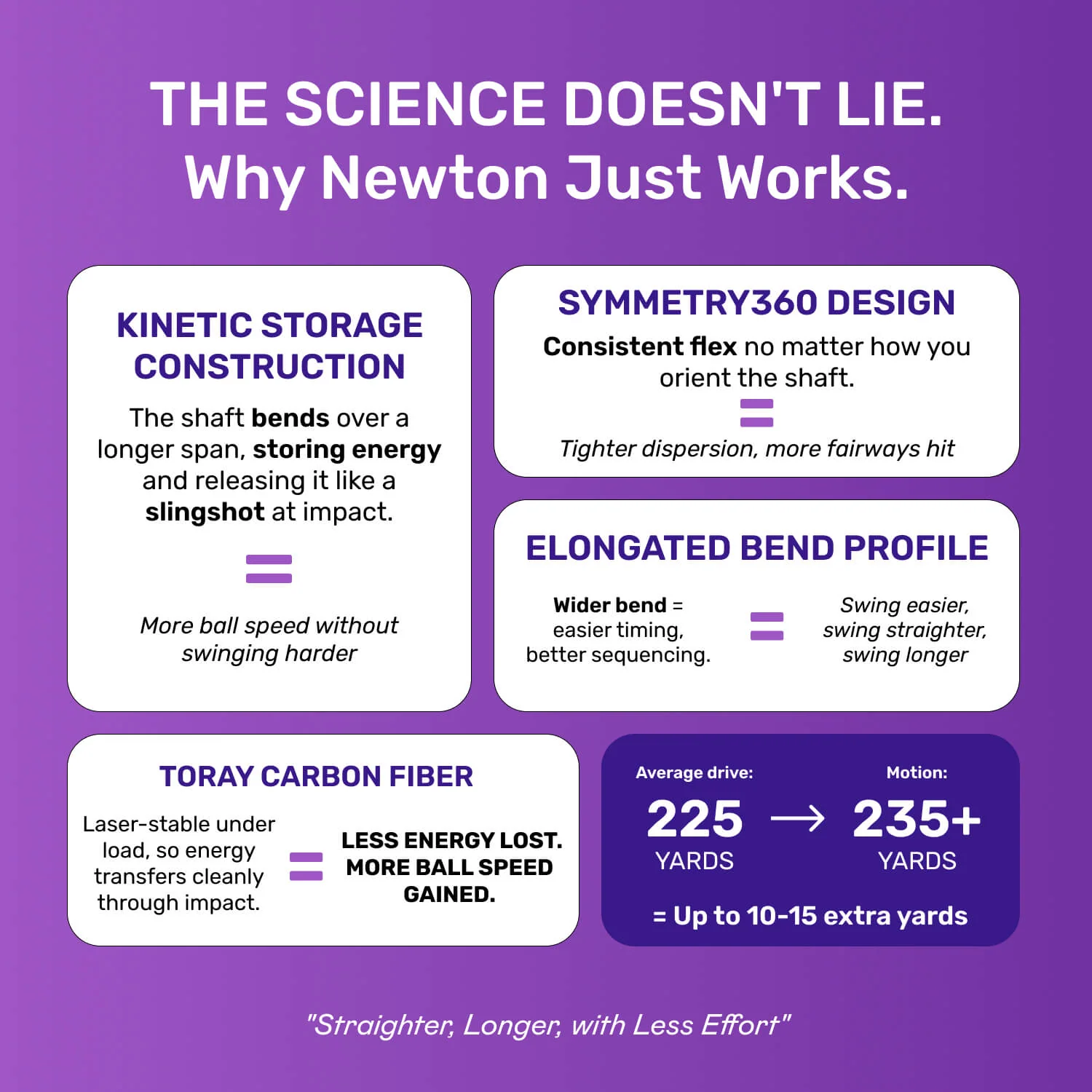
- Motion Driver Shaft is the standard driver choice in the range, with the store describing Symmetry 360 design and a DOT fitting system.
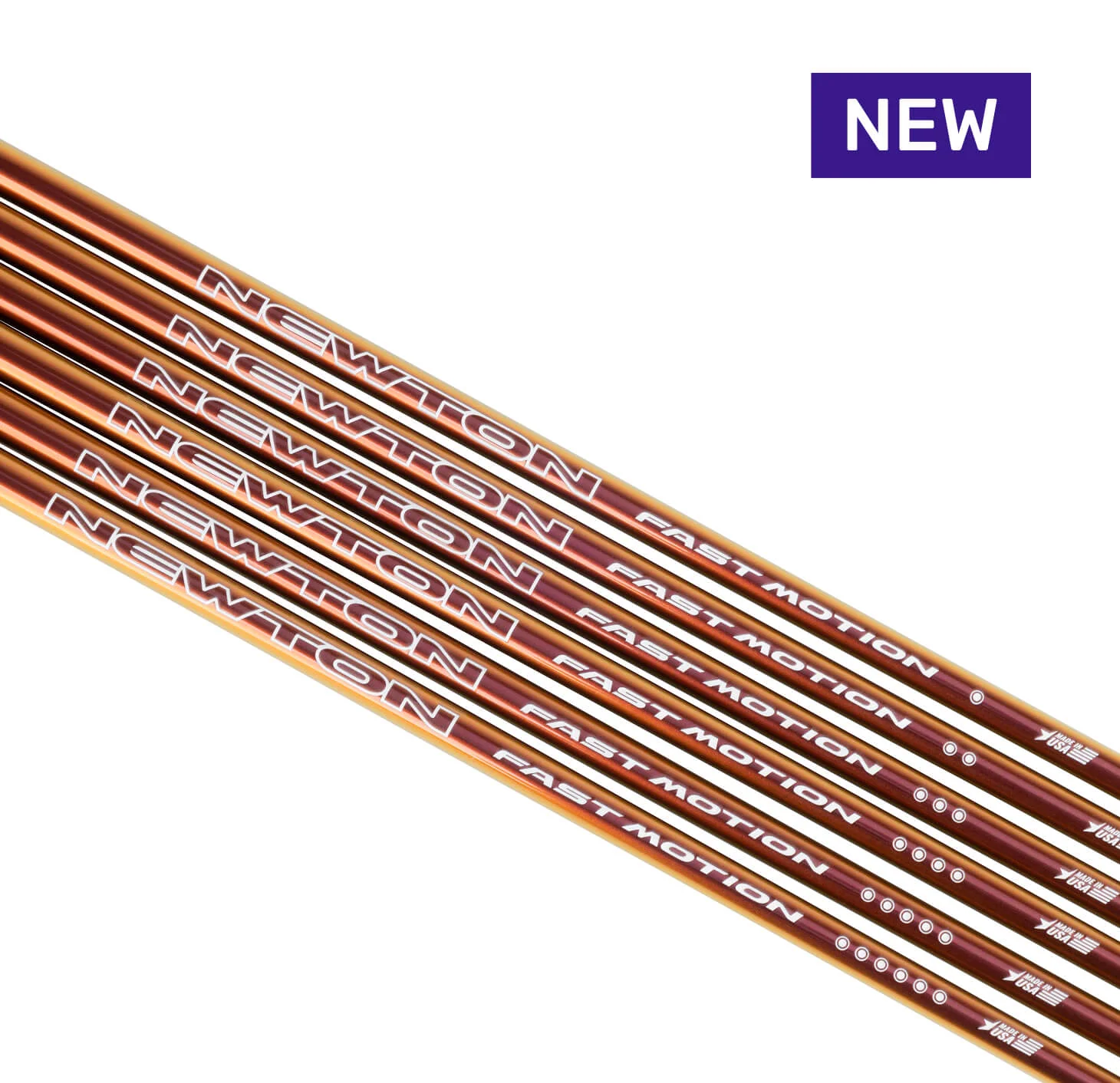
- Fast Motion Driver Shaft is listed as 10g lighter than Motion; the difference in listed weight is the clearest published comparison.
- Motion Fairway Shaft – 5 Wood is a separate fairway option for a specific club, rather than a driver shaft to transfer by assumption.
- The store’s fitting guide and each product page help clarify flex, hand, and adapter selections before you order.
Take inventory before the next run of regular rounds
Late fall can be a practical planning window because it gives you time to inspect equipment before the next run of regular rounds. Start with one club. If the driver is the one that feels least settled, compare driver options; if the trouble is with a fairway wood, look at a shaft listed for that club. Buying a shaft simply because its marketing language sounds appealing skips the key question: does it match the head, hand, playing length, and flex you need?
The Motion Driver Shaft page describes Symmetry 360 technology and the DOT fitting system. Those are useful product-page details to investigate, but they do not substitute for a fit recommendation. The site’s fitting guide is a sensible companion to the Motion Driver Shaft listing, particularly if the dots or the range of available configurations are unfamiliar.
- Write down the exact club head model and whether it is right- or left-handed.
- Check whether the product page lists an adapter for that head; do not assume every shaft arrives in the same configuration.
- Use the fitting information to narrow flex rather than choosing by age, season, or a single distance number.
- If you are unsure what is installed now, ask a club fitter or the store before placing an order.
This short inventory is more useful than starting with a hoped-for outcome. A shaft is one part of a club system, and a mismatch in the adapter or flex can undermine an otherwise sensible selection. Keep the existing shaft available for comparison if a fitter asks about it.

Compare the shaft to the job it has in your bag
1. Motion Driver Shaft – verify the head and DOT fit
For a driver refresh, Motion Driver Shaft is the primary model to examine. The store describes Symmetry 360 design and a DOT fitting system. Those details create a clear starting point for questions about flex and setup, but the page cannot tell you which option matches your swing. Read the product page alongside Newton’s fitting guide, and verify the adapter, hand, and head before deciding.
2. Fast Motion Driver Shaft – weigh the stated difference
Newton lists the Fast Motion Driver Shaft as 10g lighter than Motion. That is the clearest product distinction in the two driver pages. It is not a promise that a golfer will swing faster or hit farther: the effect of a weight change depends on the rest of the assembled club and the player. Compare this option when its lower listed weight supports a reasoned plan from your fitter.
Read the Motion Driver Shaft and Fast Motion Driver Shaft pages for current hand, adapter, and flex choices. Treat those selections as part of the purchase decision, not a detail to sort out after delivery.
- Choose Motion as the comparison baseline if you want the primary driver model.
- Compare Fast Motion if the stated 10g weight difference is relevant to your current build.
- Check adapter compatibility before treating a product as ready to install.
- Ask how the flex recommendation relates to your swing and the assembled club, not just the shaft in isolation.
There is no universal winner between the two. A lighter listed shaft can be an interesting option for one build and the wrong direction for another. A fitting session can help make that distinction concrete, especially when a golfer is changing both the head and shaft or has not recorded the current club specifications.
3. Motion Fairway Shaft – 5 Wood – match the club number
A fairway club has a different job from a driver, so the relevant comparison is the shaft made for that fairway wood. The store lists Motion options for several wood numbers; the Motion Fairway Shaft – 5 Wood gives golfers with that club a specific page to inspect. Its product page can clarify available flex and adapter options, and those details should be checked against the club in your bag.
If you rotate between a three wood and a five wood, first identify which one needs attention. The club number can affect how you use it, the head it must fit, and the intended build. A fairway shaft name is not a general guarantee that it suits every wood. Product configuration and the fitter’s recommendation matter more than broad claims about launch or distance.
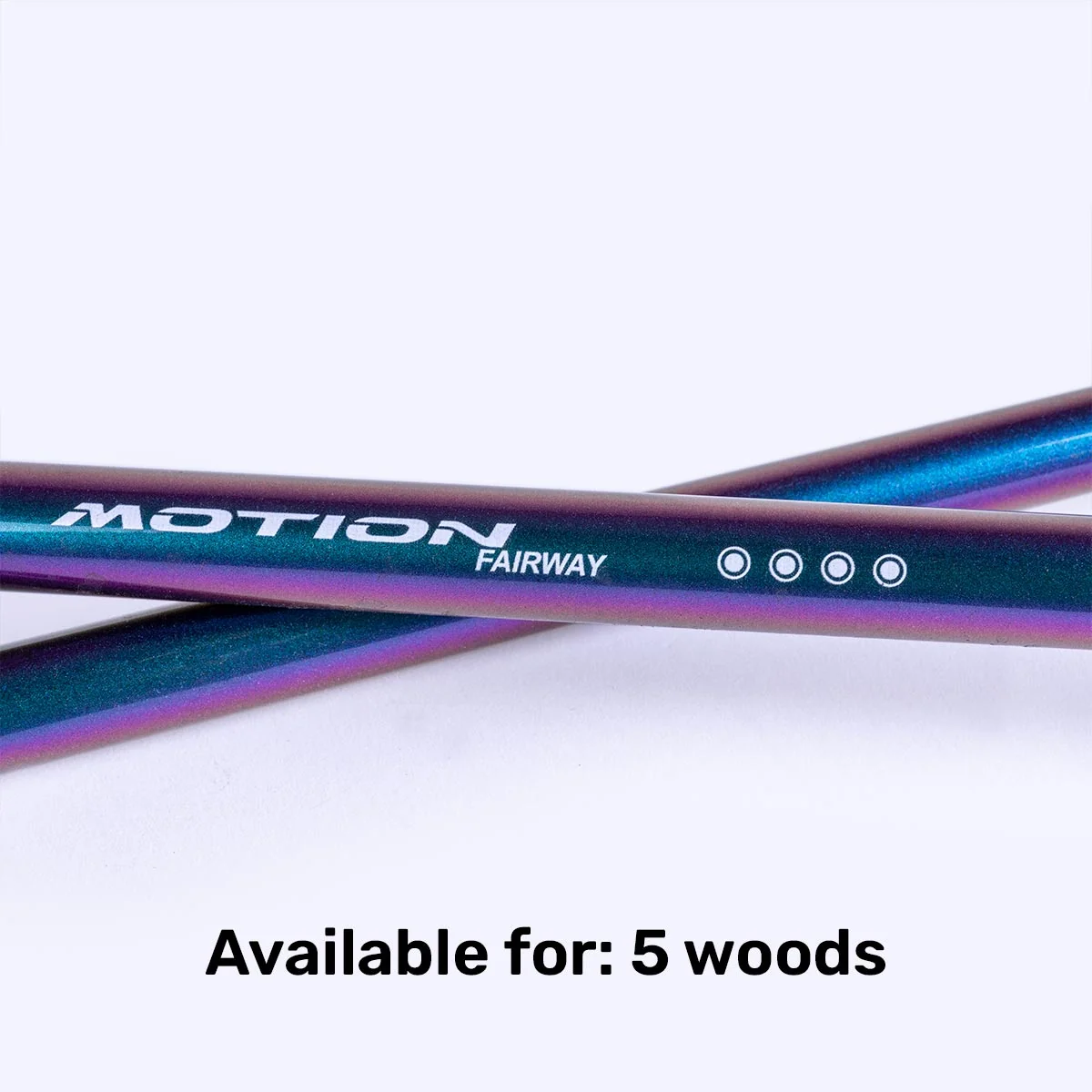
Use the five wood product page to confirm the live choices, then compare them with your existing club details. If the product page presents hand and adapter selections, match them exactly. For golfers who do not know those details, Newton’s fitting guide gives a starting point for understanding the fit process; a local club fitter can help verify the actual head and build.
Check the order details before the season turns
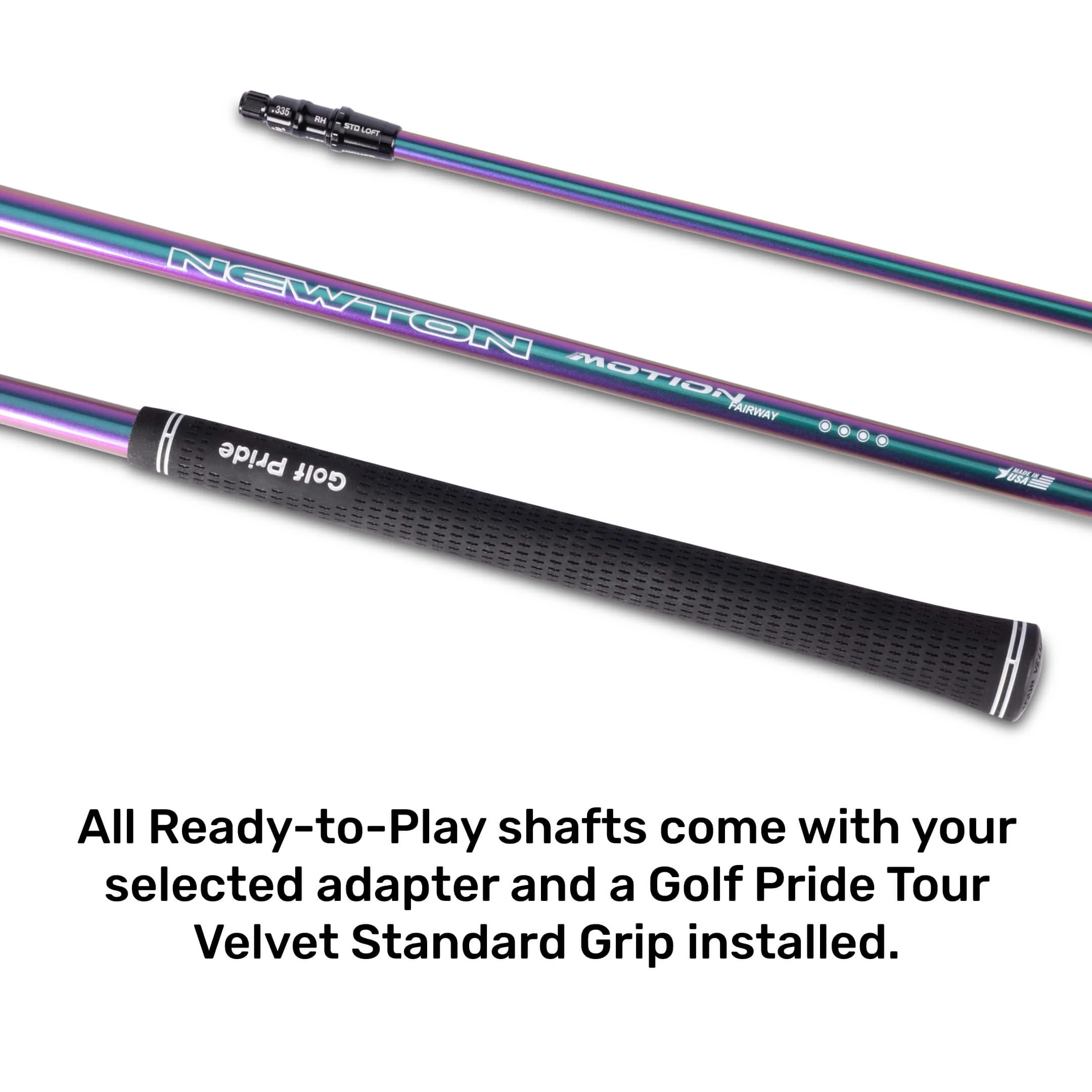
A product page is only useful if the configuration can be matched to your club. Before ordering, collect the model name, hand, adapter requirement, and the flex guidance you have been given. The store presents configurations that can vary by product, so do not infer that an option available on a driver page is also available in the same form for a fairway shaft.
- Confirm the product is for the club you intend to build: driver or the named fairway wood.
- Match the adapter to the club head brand and model listed on the product page.
- Check left- or right-hand selection where offered and verify the required flex.
- Review the current product details, shipping terms, and return information on the store before checkout.
The final step is cost and timing. We are not anchoring this guide to a price because store listings can change; check the current product page for the configuration you need. Consider any fitting or installation work as part of the overall decision. A shaft that requires extra setup may have a different total cost than a ready-to-fit configuration, so compare the full job rather than a product label alone.
Fall rounds can also reveal what should wait. If you are hitting the current club consistently and cannot identify a fit issue, there is no need to make a seasonal purchase just because the calendar has changed. Keep notes through the remaining rounds, then use those observations to guide a fitting conversation during the quieter stretch.
Where the range has strengths and limits
Useful details for a focused comparison
- Newton lists driver and fairway products separately, which helps narrow the initial search.
- The DOT system and fitting guide give readers concrete information to review before selecting flex.
- Fast Motion has a stated weight distinction from Motion, making the driver comparison specific.
- Dedicated fairway pages let golfers check choices for the club number they play.
Questions to resolve before ordering
- The product pages cannot determine a personal fit without the golfer and assembled club context.
- Adapter and hand choices must match the existing head; compatibility should be verified.
- Seasonal timing does not guarantee a performance gain, and no shaft suits every swing.
- The store is the place to confirm current configuration, price, availability, and terms.
These points leave Motion as a reasonable first page for a driver comparison, while Fast Motion is the model to inspect if the lighter listed weight is relevant. For a fairway build, go directly to the Motion 5 Wood page rather than treating driver specifications as interchangeable.
Is late fall a good time to choose a Newton shaft?
It can be a useful time to compare options if your current club has raised a specific fit question and you have its head, hand, and adapter details ready. We would begin with Motion for a standard driver comparison, consider Fast Motion when its listed weight difference has a clear rationale, and choose the fairway page that matches the wood being built. The honest limitation is that product descriptions cannot tell you how a shaft will perform in your personal swing; a fitting remains the stronger basis for a final choice.
If you are still undecided, keep the notes and check the store’s current product specifications before committing. Visit the product pages for Motion, Fast Motion, or the Motion Fairway 5 Wood Shaft to compare the options against your club and fit needs.
