
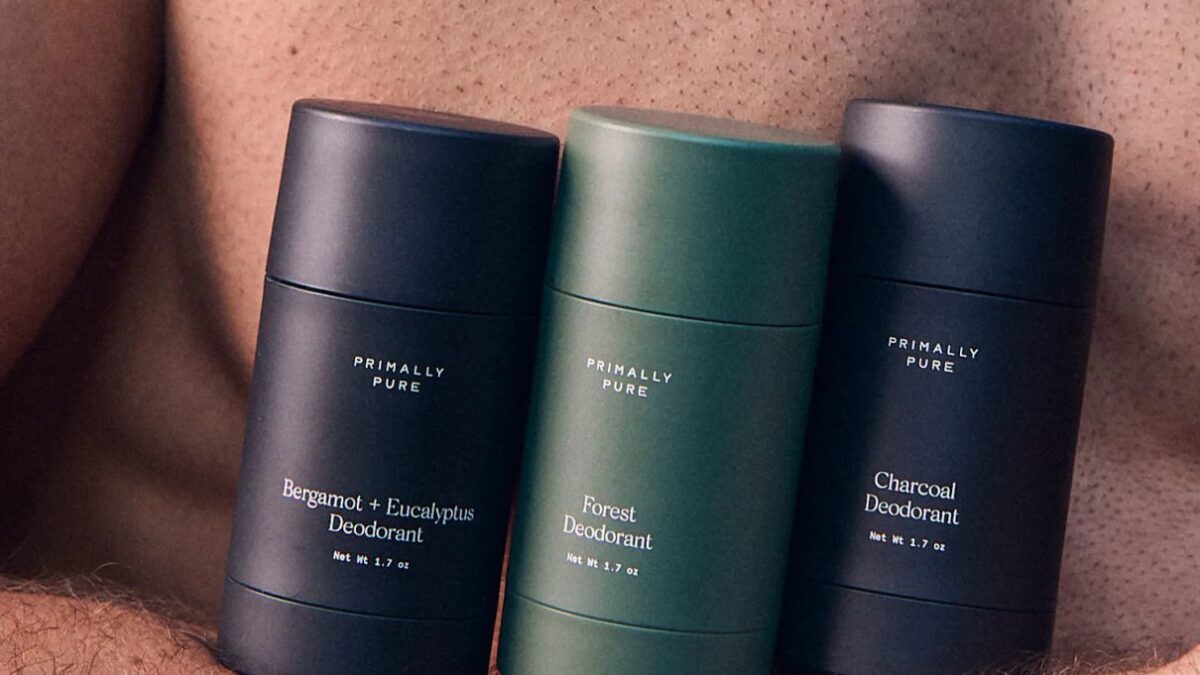

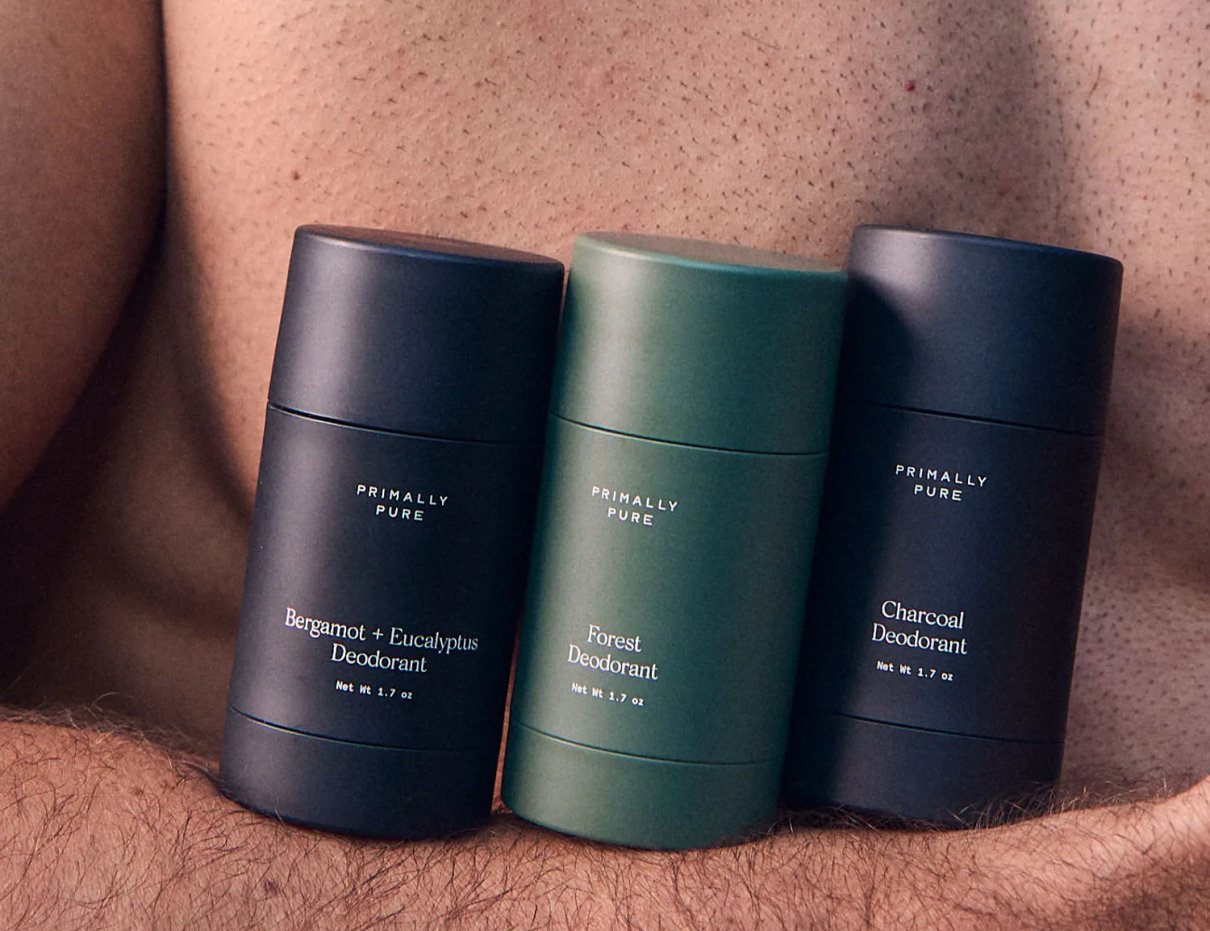
A practical guide to matching Primally Pure’s scented and baking soda free deodorants to the layers, routines and preferences of colder weather.
Cold weather changes the context of a daily deodorant routine. Coats and knitwear can make scent feel more noticeable in close quarters, and a formula that suits one person may not suit another. Those details make winter a useful moment to reconsider the basics, without assuming that everyone needs a seasonal switch.
Primally Pure offers scented sticks alongside baking soda free choices. We reviewed the brand’s product information to identify the differences that matter most: fragrance, the named formula ingredients and whether a straightforward, unscented option is preferable. The right choice depends on your own preferences and skin response; the product pages do not establish that one formula works for everyone.
Some links in this article are affiliate links: if you make a purchase through them, we may receive a small commission.
Highlights
- Forest Deodorant gives scent-seekers an outdoors-inspired essential oil blend.
- Unscented Deodorant (Baking Soda Free) is the simplest fit for people avoiding added fragrance.
- Charcoal Deodorant (Baking Soda Free) adds charcoal to a baking soda free choice.
- Formula ingredients and scent preference are better selection cues than a winter label alone.
Start with the winter routine you actually have
A seasonal guide should not imply that cold weather requires a new product. Instead, consider how you use deodorant: as a daily staple beneath heavier clothing, as part of a post-workout routine, or as one lightly scented element among other fragranced products. If your perfume, body lotion or laundry products already have a strong scent, an unscented stick may be easier to combine.
Also keep the distinction between deodorant and antiperspirant clear. The products discussed here are presented as deodorants, and shoppers should read the product label for the exact claims and directions. If you are sensitive to ingredients or have a skin concern, check the full ingredient list and consult an appropriate professional rather than relying on a seasonal recommendation.
- Choose unscented if you prefer fragrance-free layering.
- Choose a scented option if you want the deodorant itself to contribute fragrance.
- Read ingredients before switching formulas, especially if you already know your sensitivities.
- Use the product page to confirm current availability and directions.
1. Forest Deodorant – a woodsy scented choice
Forest Deodorant is the brand’s option for shoppers drawn to a woodsy profile. Primally Pure describes its scents through essential oil blends; check the Forest Deodorant product page for the current scent notes and ingredients before deciding. In winter, that character may feel fitting alongside wool, cedar-toned home fragrance or outdoor clothing, but scent preference is personal.
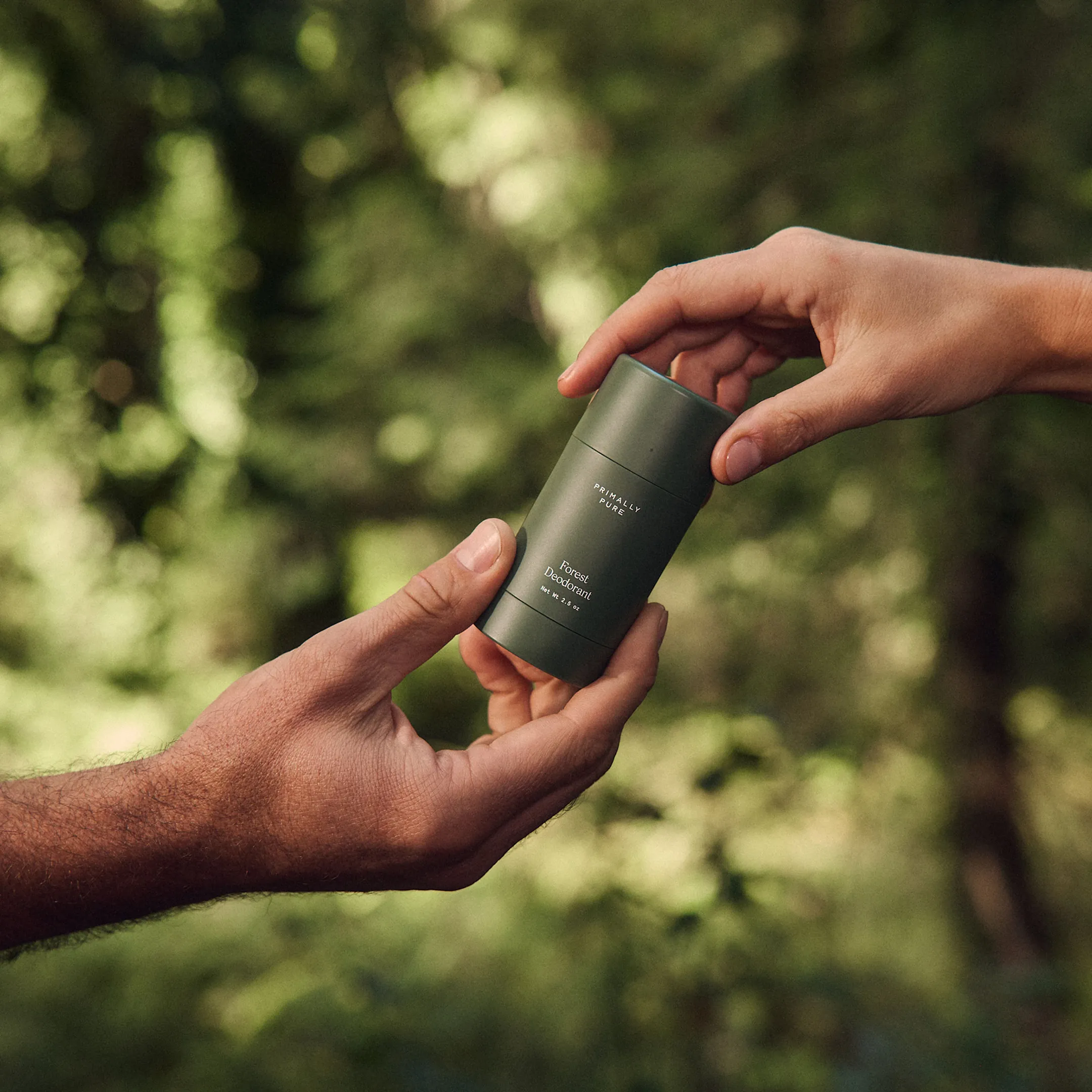
The practical advantage is simple: it gives the deodorant step a defined scent rather than leaving fragrance entirely to other products. Its limitation is the same feature. Anyone who layers perfume or prefers no added scent may find a scented stick less versatile. Essential oils can also be unsuitable for some people, so the ingredient list deserves a close read.
Consider Forest Deodorant details and the Lavender listing if you want a scented formula and already know that its listed ingredients suit you. This is a preference-based pick, not a claim that it performs better than the clearly unscented alternative.
2. Unscented Deodorant (Baking Soda Free) – for fragrance flexibility
The Unscented Deodorant (Baking Soda Free) is the clearest choice for someone who wants a low-fragrance routine. The brand identifies magnesium, tallow and arrowroot among the formula ingredients. That makes the product meaningfully different from a scented stick and gives ingredient-conscious shoppers a specific list to review.
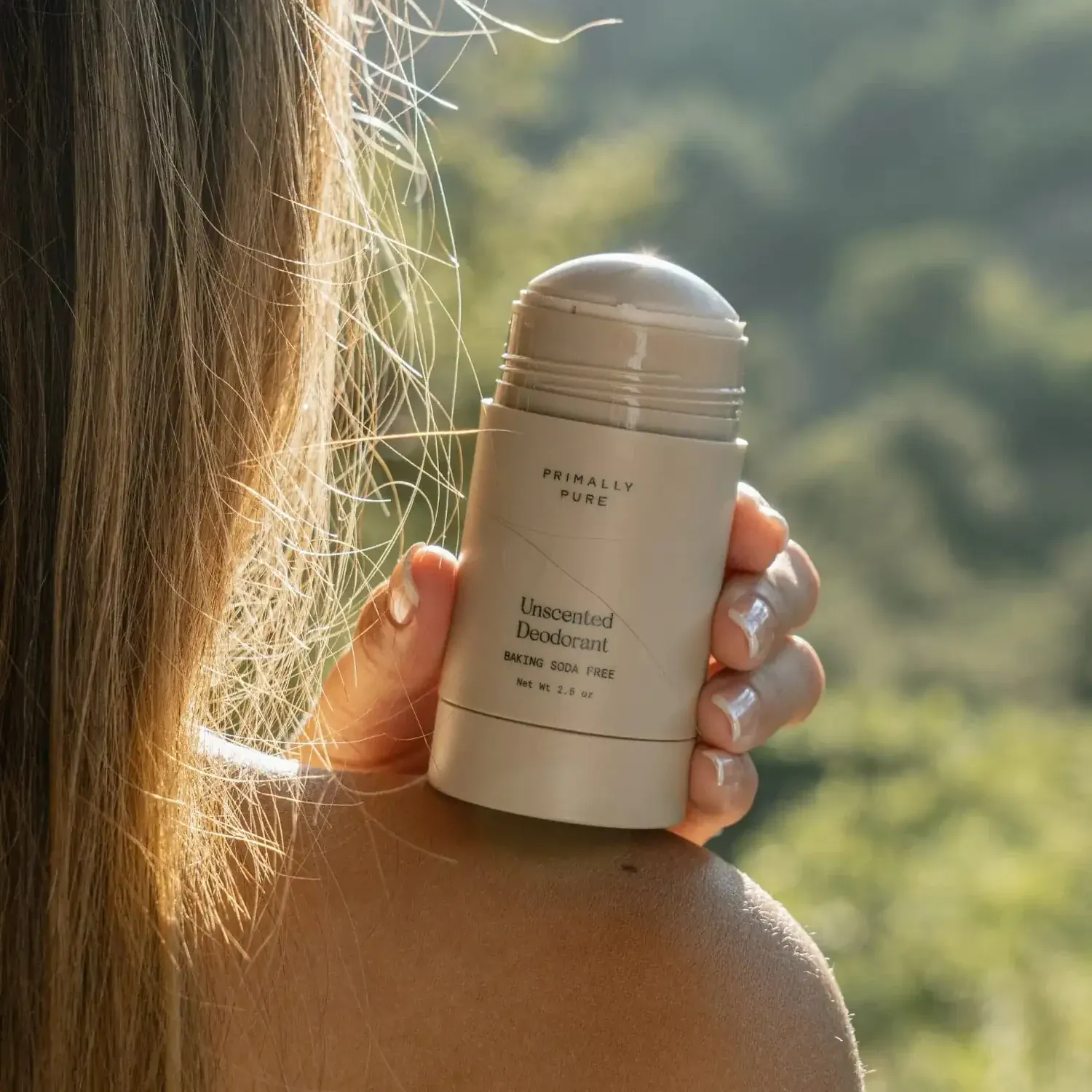
“Unscented” does not mean automatically suitable for every person, and it is sensible to inspect the full ingredient list. The baking soda free positioning may be relevant to shoppers who avoid that ingredient, but it does not guarantee a particular skin outcome. Keep expectations tied to the product details and your own experience.
For winter layering, the benefit is flexibility: the deodorant does not compete with a scarf, fragrance or scented body product. If your priority is a distinct aromatic profile, however, this option may feel too neutral. Check the current Unscented formula information or compare the Charcoal formula listing before choosing.
3. Charcoal Deodorant (Baking Soda Free) – a charcoal-containing format
Charcoal Deodorant (Baking Soda Free) gives shoppers another way into the brand’s baking soda free range. The product name signals charcoal as a distinguishing ingredient, while the product page remains the place to verify the full formula and directions. Its Charcoal Deodorant listing can help compare this option with the brand’s unscented stick.
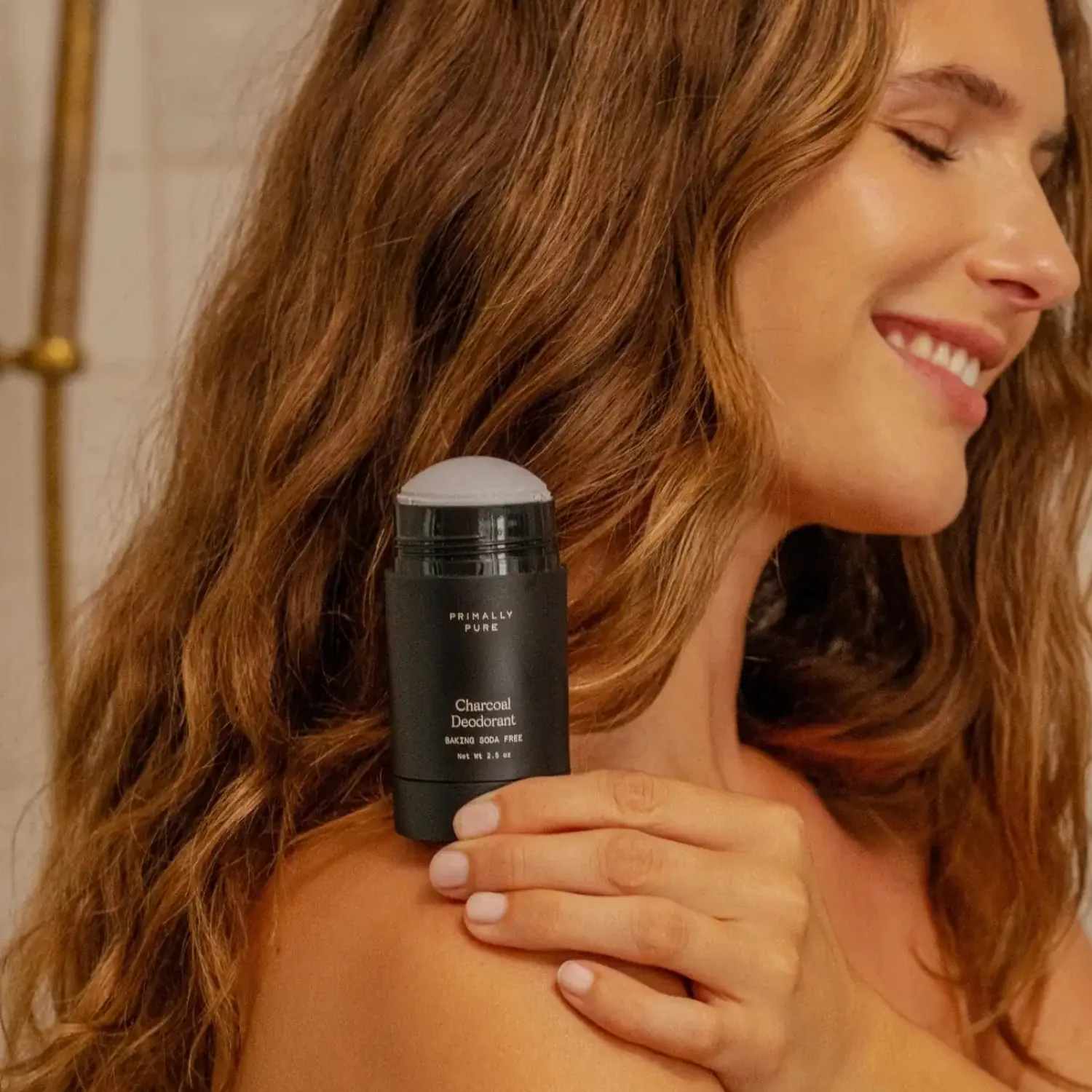
This is a useful consideration for shoppers specifically interested in charcoal, rather than a stronger recommendation for all winter routines. The name alone does not establish how it will feel or perform for an individual. If you want to avoid added fragrance, verify the ingredient list rather than inferring scent solely from the product title.
There is an important trade-off: compared with the explicitly unscented choice, the charcoal version adds an ingredient distinction that may matter to some shoppers but not others. If you are narrowing down based on simplicity, unscented is easier to assess. If charcoal is the feature you are seeking, review the Charcoal listing and compare its current details directly.
Compare the main formula choices
| Option | Listed distinction | Best fit |
|---|---|---|
| Forest Deodorant | Scented, essential oil blend | Shoppers who want a woodsy scent |
| Unscented Baking Soda Free | Magnesium, tallow and arrowroot; unscented | Fragrance flexibility |
| Charcoal Baking Soda Free | Charcoal and baking soda free positioning | Those seeking a charcoal-containing option |
A compact way to decide
Use the criteria below to make the choice manageable. The product pages carry the most current details, including availability and instructions.
- For a defined scent: compare Forest with Lavender and read each page’s scent notes.
- For no added fragrance: start with the Unscented Baking Soda Free listing.
- For a charcoal-containing option: inspect the Charcoal Baking Soda Free ingredients.
- For ingredient concerns: check the complete label and avoid assuming formulas are interchangeable.
Where the range is strongest
- Several scent and formula directions give shoppers a real choice.
- The baking soda free line includes both unscented and charcoal-named options.
- Product pages provide a place to check current ingredients and use directions.
Where a closer look helps
- Scented essential oil blends will not suit every preference or sensitivity.
- Ingredient positioning does not promise the same result for every person.
- Product names are not a substitute for reading the full label.
How to compare scent without overthinking it
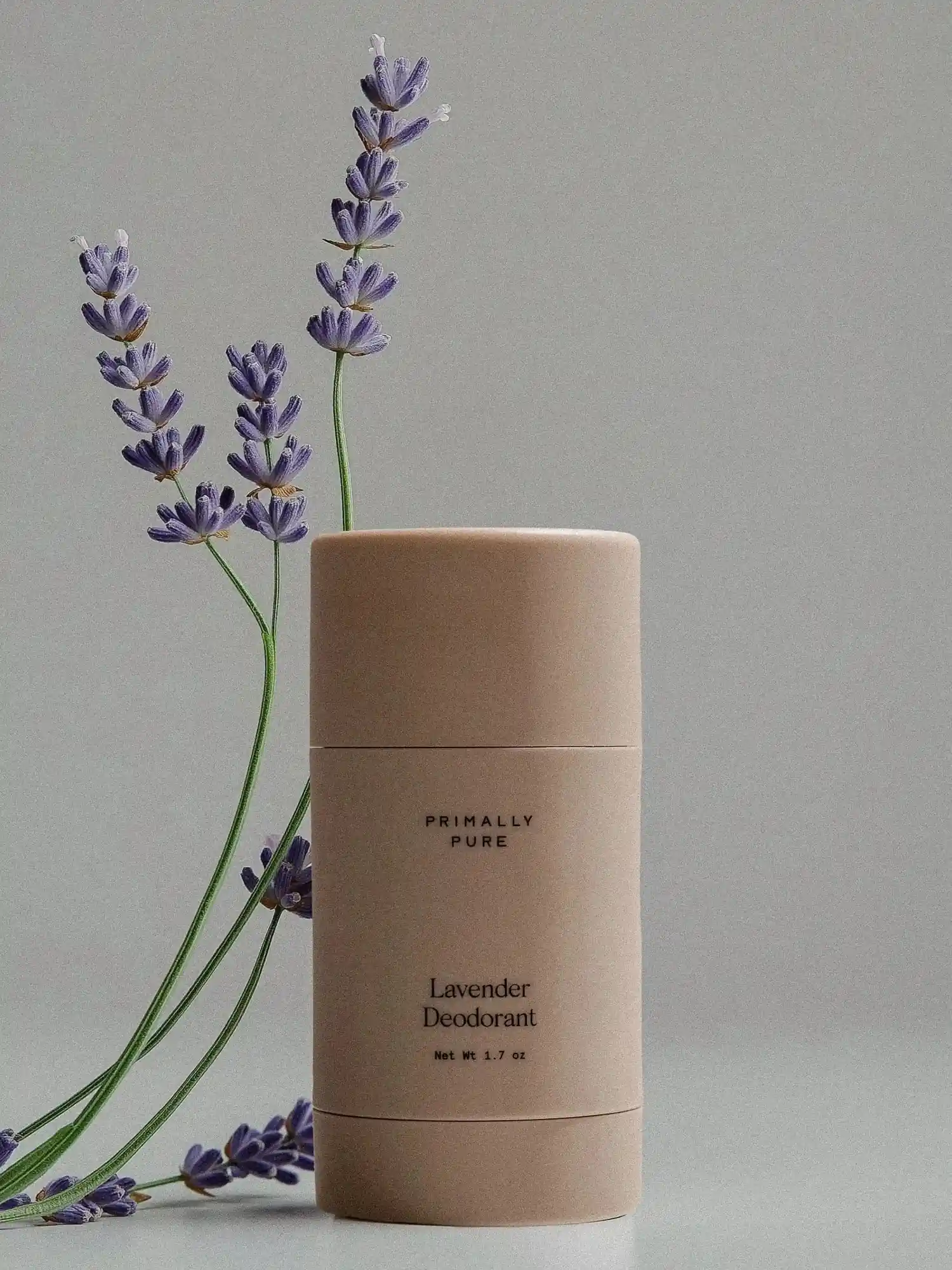
Primally Pure also lists Lavender Deodorant, which provides a floral direction for people who prefer that scent family. Check the product page for its current scent description. Comparing it with Forest is most useful when scent is the deciding factor. One small product distinction can simplify the choice: do you want the stick to contribute a noticeable scent, or stay in the background?
Winter’s layers make subtlety worth considering, but no universal rule says to avoid fragrance. Think about where the scent will sit in your routine and whether you already use other fragranced items. The Lavender product listing, its listed scent details and Forest product listing are the best places to confirm the current descriptions before making that comparison.
Price and availability context
We are not including a fixed price because product costs and availability can change. For deodorant, compare the listed size, whether the product is sold individually or as part of a set, and any shipping or bundle terms shown at checkout. A lower apparent cost is not useful if the format or ingredients do not fit your routine.
Product pages may also change with seasonal assortment updates. Confirm the current listing, full ingredient panel, directions and delivery information on the US store before ordering. The brand’s broader catalog includes skincare as well, but this guide’s recommendation stays focused on deodorants because scent and formula are the seasonal decision at hand.
Questions readers ask about winter deodorant
Does cold weather mean you need a different deodorant?
No. Season is a prompt to reconsider scent and layering, not a reason to switch automatically. Start with your preferences and the ingredients listed on the product page.
What does baking soda free tell me?
It identifies a formula distinction, but does not predict individual comfort. Read the complete ingredients and directions before choosing.
How can I check the current formula?
Use the US store product listing for the latest ingredient panel, scent notes, availability and directions.
Is a Primally Pure deodorant a sensible winter choice?
For shoppers who want to compare scent profiles and baking soda free formats, Primally Pure presents a focused set of options. Forest suits readers seeking a woodsy scented direction, while the Unscented formula is the clearest fit for fragrance flexibility. Charcoal offers a distinct ingredient-led alternative. Start with the label and your own preferences rather than expecting the season to dictate a single best choice.
The limitation is that ingredient claims cannot predict individual comfort, and scented formulas may not suit sensitive or fragrance-averse shoppers. We recommend comparing the product pages and choosing the formula whose listed ingredients and scent direction make sense for you.
