

A close reading of three TCMT listings shows where clear materials and model ranges help, and where buyers still need to verify compatibility themselves.
Shopping for motorcycle parts online is often less about finding a familiar category than checking whether a component matches one exact model and year. TCMT sells fitment-specific accessories and replacement parts across several makes, so the useful question is how much each listing helps narrow that decision.
We reviewed information on the brand’s US store, including an engine intake manifold, a steering clamp assembly and a Gold Wing luggage rack. Those examples show a catalog with useful technical detail, but they also make clear that a listed fitment range is a starting point for verification, not a promise that every configuration will work.
Some links in this article are affiliate links: if you make a purchase through them, we may receive a small commission.
Highlights
- The listings reviewed span engine, steering and luggage parts, each tied to particular model applications.
- The 57mm M8 Engine Intake Manifold identifies ADC12 aluminum alloy and the M8 model-year ranges it is listed for.
- The CVO Street Glide Triple Tree Clamp names 6061 aluminum and three compatible CVO model families.
- The Gold Wing Rear Carrier states iron construction and distinguishes non-Tour GL1800 fitment.
- Fitment verification remains essential, especially where trim, equipment or installation details can change compatibility.
TCMT looks most useful for owners who know their exact model code and can compare it with listing details. It is a harder fit for shoppers expecting one page to settle installation, compatibility and quality questions.
Fitment facts matter most when the model code is exact
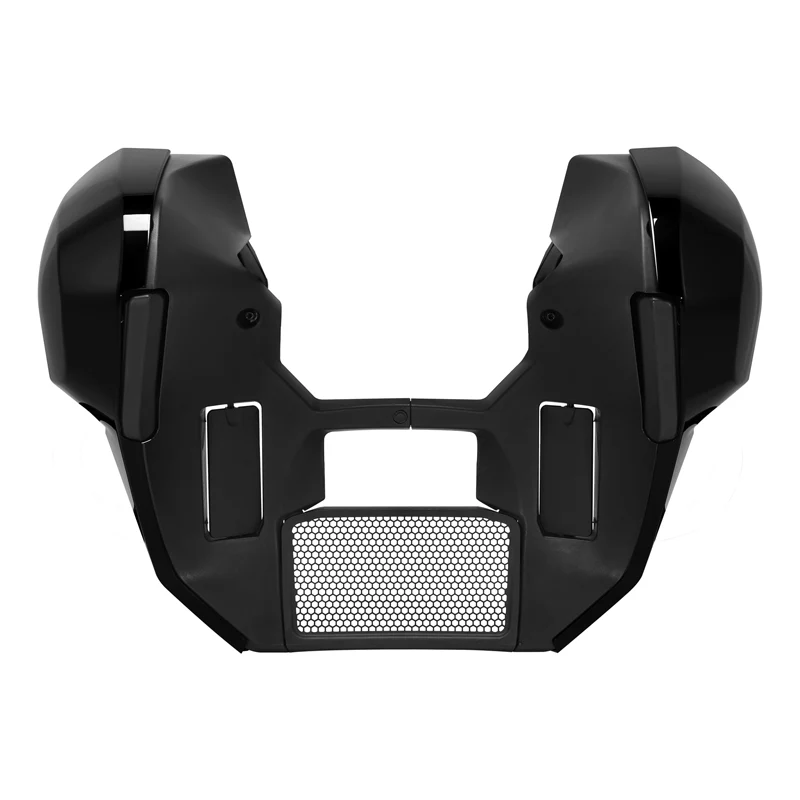
The catalog spans distinct jobs: a rear carrier adds luggage support, an intake manifold serves the engine, and a steering clamp replaces a structural part around the front fork. That variety is a strength, but each listing needs its own fit check.
TCMT organizes products around make, model family and year range. That can quickly surface plausible options, yet a search result that names a motorcycle is not enough to establish fit. Fitment is the first filter. Different trims, special editions, wheel setups and previously installed accessories can matter. Use the fitment language as a filter, then compare the full model designation and exceptions with bike documentation.
Some pages include replacement numbers and package contents; others note missing instructions or a required companion component. Those details are meaningful, though depth varies by part.
- Match the complete model name, year and trim rather than relying on a broad family label.
- Look for exceptions involving wheels, fairing lowers, audio packages or other add-ons.
- Confirm whether brackets, fasteners, wiring or instructions are included.
- For a replacement component, compare any stated part number with the part being removed.
This checklist matters most where a mismatch means extra work or an unusable component.
1. The 57mm M8 intake manifold gives a useful specification baseline
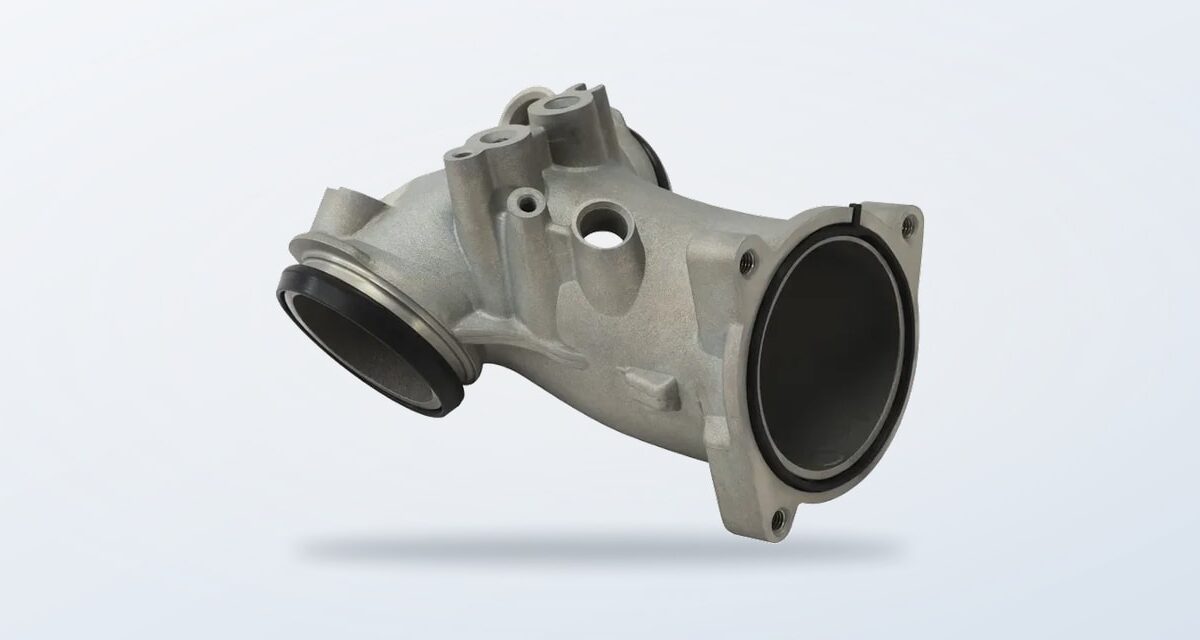
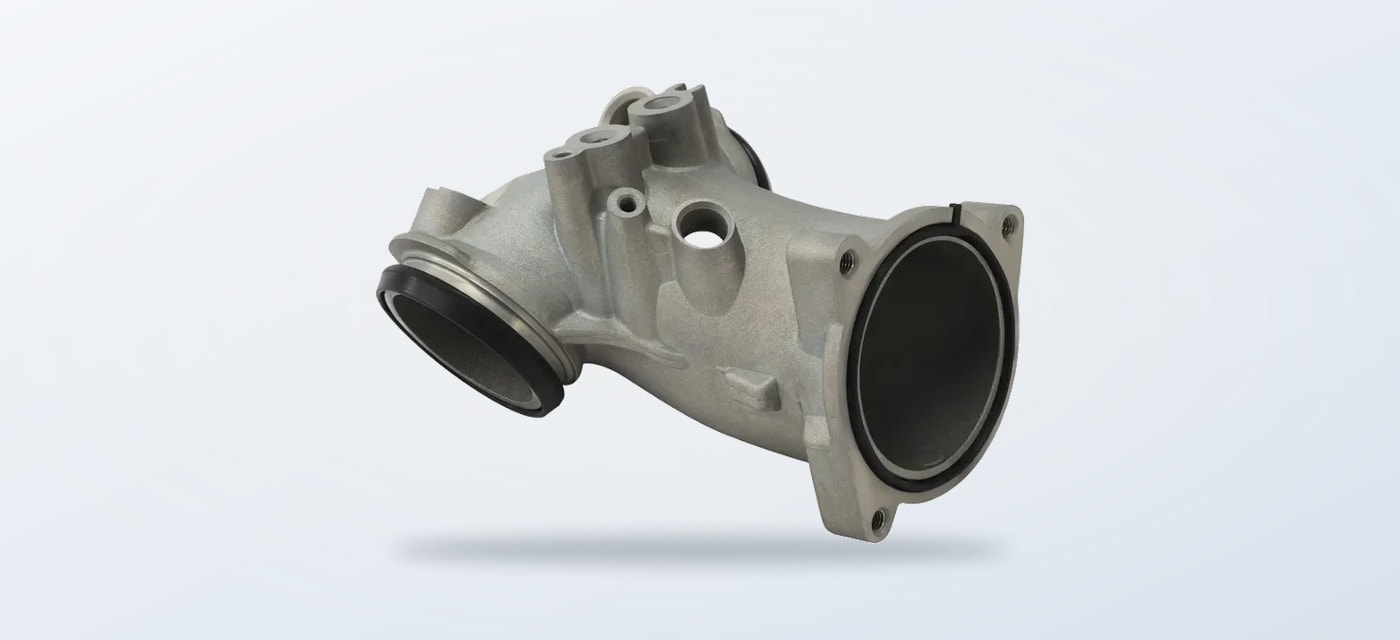
The TCMT 57mm M8 Engine Intake Manifold is listed for Harley Touring models from 2017 onward and Softail models from 2018 onward. Its page names ADC12 aluminum alloy, gives replacement numbers 27300121 and 27300122, and states that one manifold is included.
These facts give buyers useful checks before purchase. The 57mm measurement signals a defined specification, not a universal accessory. Compare the engine configuration and original part reference before treating the range as conclusive.
The listing does not establish whether every engine setup is compatible. Owners with modified intake or fuel systems should check requirements beyond the basic fitment statement. It is an example of bounded detail: useful facts, without resolving every configuration question. Compare the listed M8 model years with the engine’s exact configuration.
That level of information is typical of the catalog’s better listings. Shoppers can review the manifold’s stated materials and application, then compare the part number with their own records. We would not infer installation ease or long-term performance from the listing alone. The specification page provides listed facts, not a service assessment.
2. The CVO steering clamp is specific, but the range is narrow
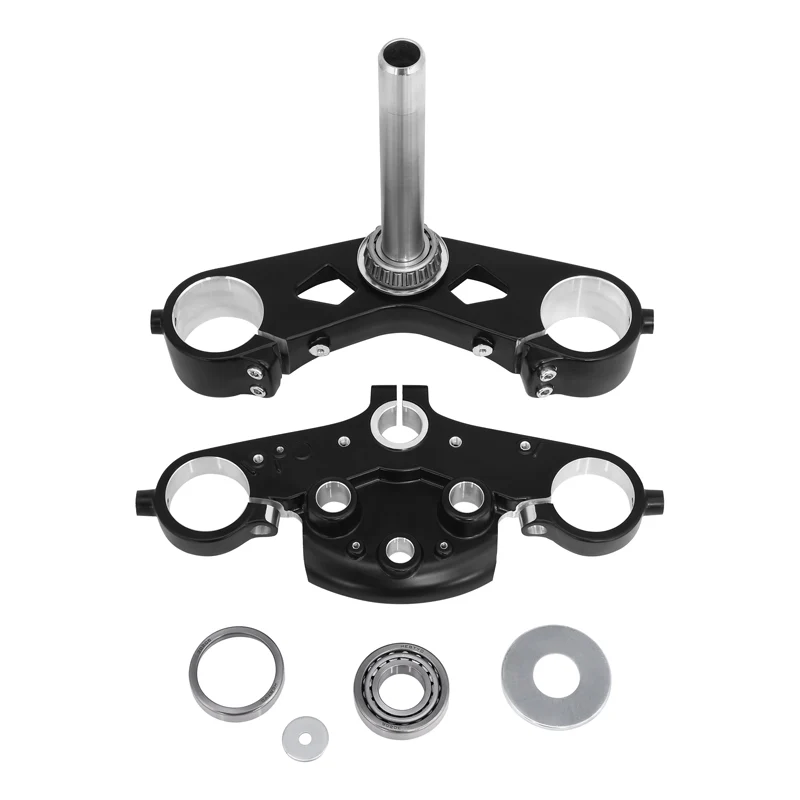
The TCMT Front Fork Triple Tree Steering Stem Clamp is described as a replacement for the stock triple tree and made from 6061 aluminum alloy. Its page identifies the CVO Street Glide FLHXSE for 2023-2026, CVO Street Glide ST FLHXSTSE for 2026, and CVO Street Glide Limited FLHXLSE for 2026. It also says the package includes one lower and upper clamp set.
That specificity is a plus. The listing names model codes rather than relying only on a broad Harley label, and clarifies that the part replaces a stock assembly. But its range is limited to particular CVO variants and years. A regular Street Glide or a similar-looking model should not be assumed to qualify. Here, exact model codes matter.
A material description and fitment list do not tell us how the part performs after installation or whether modifications affect clearance. Start with the product’s fitment notes, then confirm the motorcycle’s current configuration with service information or qualified advice.
- Compare the complete FLHXSE, FLHXSTSE or FLHXLSE designation.
- Check the listed year against the motorcycle’s model year, not its registration date.
- Confirm the original assembly reference and whether any other front-end components have changed.
We would consider this sort of listing strongest for a knowledgeable owner replacing like for like, with documentation available. Someone trying to identify an unknown component from a photo alone has too little evidence to make a confident choice. The fitment lines for the clamp should be read alongside the bike’s actual code.
Buyers can check the CVO clamp’s stated model range against official bike records before deciding. That is a more dependable use of the page than treating the headline fitment text as a blanket guarantee. Review the specific CVO application before comparing alternatives.
3. The Gold Wing carrier makes exclusions easy to overlook
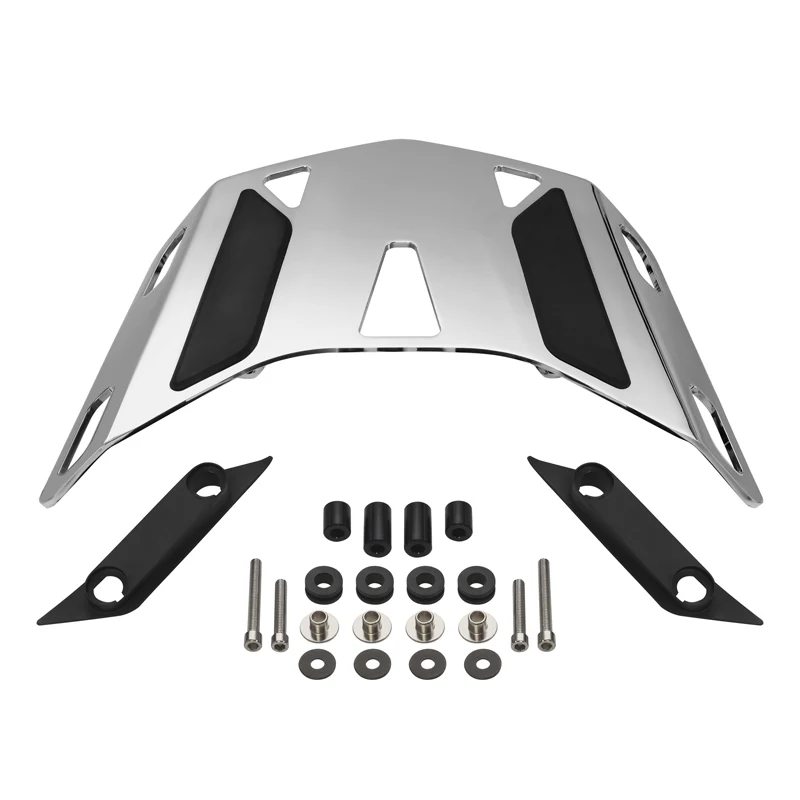
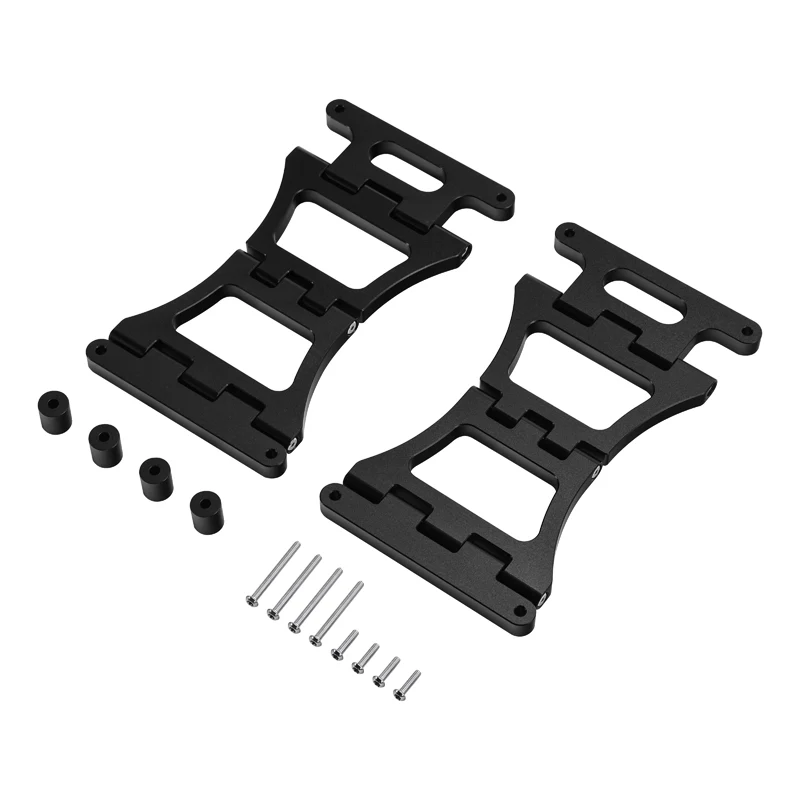
The TCMT Rear Carrier Luggage Rack is listed for the 2018-2026 Honda Gold Wing non-Tour, GL1800B and GL1800BD. The page identifies iron construction, a chrome finish, rear placement and replacement reference 08L72-MKC-A10. It lists one rear carrier in the package.
Those details are useful for owners looking to add a luggage platform, and the reference number gives another way to compare the listing with the intended application. The non-Tour wording is important: a Gold Wing Tour owner should not assume the same rack fits just because the family name appears in the title. The page’s specificity can help, but only if the buyer notices the qualifier.
The page gives model codes, year coverage and material, but leaves some installation and accessory-compatibility questions open. For the Gold Wing carrier, verify the rear configuration and any existing rack or top case. The listed GL1800B and GL1800BD application is the starting point.
The page specifies intended models and a component reference, but not a load limit or suitability for particular riding conditions. Check the motorcycle maker’s guidance, and ask the seller if a key specification is missing. The rear carrier page gives its stated material and replacement reference.
Listing detail earns its keep when references match
The clearest strength across the examples is catalog specificity. Each page ties an item to a particular use and gives at least some concrete information beyond appearance: alloy type, steel or iron construction, replacement references, package contents or model-year coverage. That helps riders who know what part they need.
The examples cover luggage, steering and engine components. That range helps a shopper comparing distinct fitment-specific parts, while making product-by-product checks more useful than broad impressions about the store.
Why the technical detail helps
- Find parts tied to named motorcycle families and model years.
- Compare materials and, on selected pages, replacement references.
- See package contents and some compatibility exclusions before ordering.
Which compatibility questions remain open
- Listing detail is not uniform across the full catalog.
- Model family names can hide important trim or equipment differences.
- Product copy alone cannot establish installation quality, durability or real-world performance.
- Instructions, accessories or other components may not be included; confirm the listing and ask where unclear.
That makes TCMT a better fit for a spec-led parts shopper than for someone who wants a guided diagnosis or a guaranteed bolt-on result without checking. The store provides evidence that can support a decision; it does not remove the need to verify it. Cross-check the details.
A final cross-check for model-specific components
Before moving from browsing to checkout, use the product page as a checklist rather than a final authority. The exact steps vary by component, but a disciplined comparison can catch many preventable mismatches.
- Record the motorcycle’s model year, full trim designation and any factory package that affects the part.
- Compare those details with every fitment line and exclusion on the TCMT listing.
- Match replacement part numbers where supplied, and confirm material or dimensions if they are central to the job.
- Read package contents and installation notes; identify any separate hardware or companion parts required.
- For safety-critical work or uncertain compatibility, confirm with a qualified mechanic or the motorcycle maker’s service information.
If a listing does not answer a decision-critical question, pause and ask before ordering. For example, owners can revisit the M8 manifold specification, CVO clamp application or Gold Wing carrier range and compare those details with their own motorcycle documentation.
Can a TCMT listing settle fitment on its own?
Our recommendation is qualified: TCMT is worth considering for verified fitment. Its product pages can be refreshingly concrete about materials, model years, replacement references and package contents, and the catalog reaches beyond generic accessories into distinct motorcycle systems.
The limitation is that those details vary and do not amount to an independent quality assessment. Treat each product page as a useful lead, verify the exact model and configuration, and get expert guidance when the component affects safety or the listing leaves a key question open. If that careful approach suits you, review current TCMT listings and confirm the precise part details for your bike.
TCMT Parts Catalog Review: What Specifications Can and Cannot Confirm
