



A close look at DutchGrown’s UK range, from spring bulbs to summer-flowering plants, and the practical questions worth checking before ordering.
Choosing a bulb supplier is partly about the flowers and partly about confidence: can you find the right variety, understand how it fits your garden, and get enough information to plan the planting? We reviewed the UK store’s published range and product information to see where DutchGrown™ makes that decision easier.
The short answer is that it offers considerable variety, including familiar spring favourites, curated collections and plants for later colour. The limits are familiar too: a large catalogue can take time to navigate, and gardeners still need to verify timing, pack details and suitability for their own conditions.
Some links in this article are affiliate links: if you make a purchase through them, we may receive a small commission.
Highlights
- The UK store spans autumn-planted bulbs, spring-planted bulbs and plants, with named varieties and curated mixes.
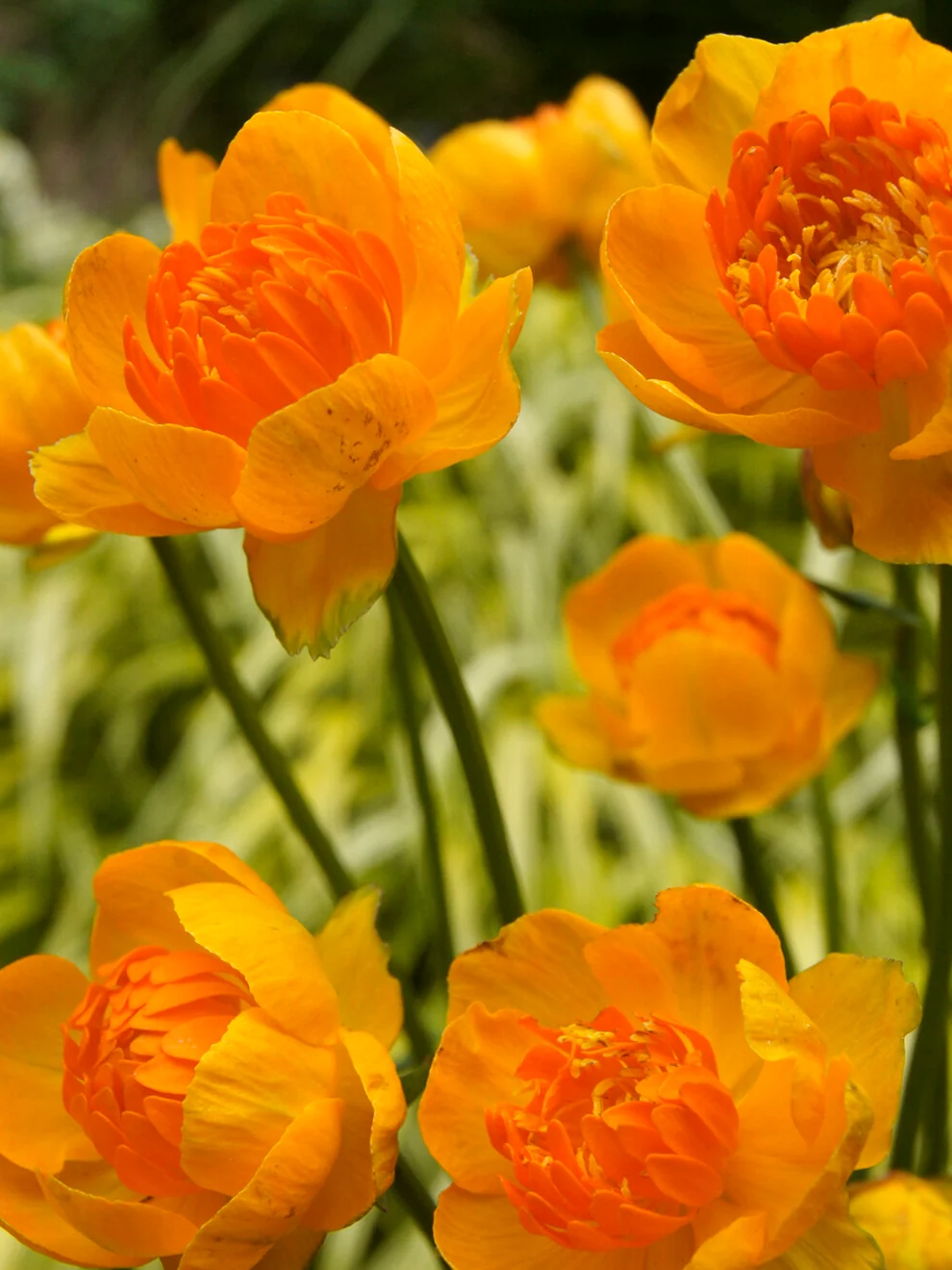
- Trollius Orange Crest is presented as a compact globeflower suited to borders, smaller gardens and pond edges.
- Dahlia Wizard of Lightning and Anemone Fullstar Bordeaux show the offer extends beyond classic spring bulbs.
- DutchGrown says it supplies top-size bulbs and dispatches from London; confirm product, planting and delivery details before choosing.
A catalogue built around choice
One obvious strength is breadth. The UK navigation groups autumn-planted bulbs into recognisable families such as tulips, daffodils, alliums, crocus, anemones and hyacinths, while a separate section covers spring-planted bulbs and plants. That makes DutchGrown™ useful for a gardener planning several seasons, rather than a single bed of one flower.
There is also a meaningful difference between selecting an individual variety and choosing a curated mix. A named variety gives more control over colour and form; a collection can make a coordinated display simpler to plan. The homepage presents the business as a family company, highlights top Dutch quality, and says dispatch is from London. These are useful signals about positioning and fulfilment, though they remain the brand’s own claims rather than independent guarantees.
The range is not limited to the headline bulb categories. The UK catalogue also links through to specialised collections, so shoppers can move from a broad family to an individual item without leaving the store. For example, the product page for Trollius Orange Crest describes vivid yellow-orange cup-shaped flowers, dark divided foliage and a compact habit. It is suggested for borders, smaller gardens and pond edges. That specificity helps a buyer imagine placement, while the page’s advice should still be weighed against the light, soil and moisture conditions in the reader’s own garden.
That is where a broad catalogue has a trade-off. It gives confident gardeners room to compare varieties and build a longer flowering sequence, but the abundance of names can become a research task of its own. Start with the garden conditions and planting window, then narrow by height, colour and use. A product description is a starting point, not a substitute for checking the relevant growing guidance.
Three listings that show the range
The strongest way to assess a specialist store is to look at the detail on individual pages. These examples represent different habits and seasons, rather than a claim that they suit every garden.
Trollius Orange Crest for compact, damp-edge colour
Trollius Orange Crest is the most clearly positioned of the three: the store calls out borders, small gardens and pond edges, and describes sturdy stems above glossy, divided foliage. Its late spring to early summer flowering window may help bridge a garden’s seasonal sequence. The product description also says the variety was trialled at Wisley in 1929. That is brand-provided historical context; for a buying decision, the more practical details are its stated flowering window and suggested placement.
For a small plot, the compact habit sounds more relevant than a dramatic headline colour. For a dry, sunny border, however, the pond-edge suggestion should prompt a closer look at the full growing notes. Before adding it, check whether the moisture and exposure requirements match the intended position. View the Trollius Orange Crest listing for current specifications and availability.
Dahlia Wizard of Lightning for summer display
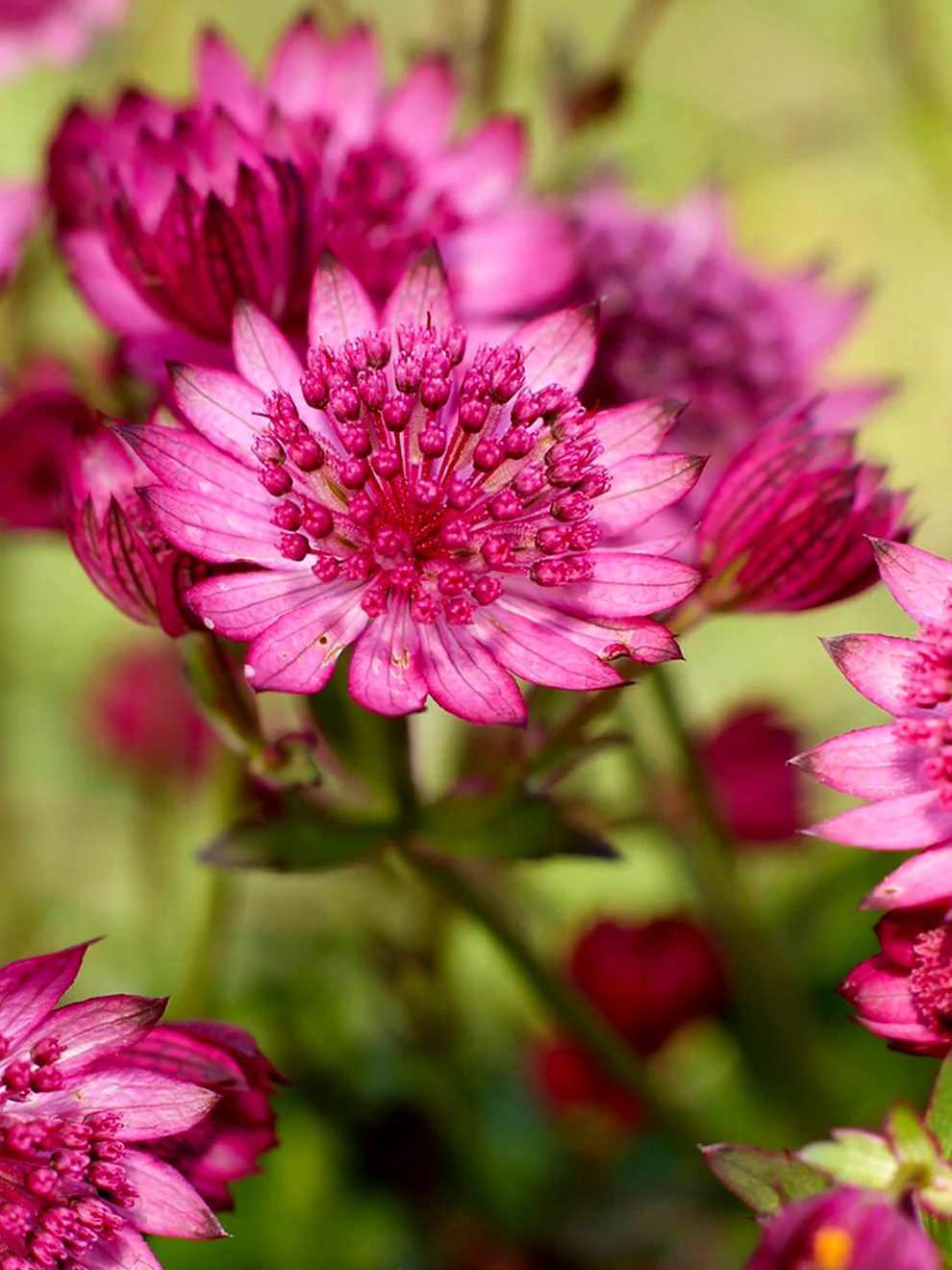
Dahlia Wizard of Lightning is a useful counterpoint to spring bulbs: it points toward a later-season display and suggests the catalogue’s scope includes summer-flowering choices. The product name alone is not enough to decide whether it suits a particular border or cutting garden, so use the Dahlia Wizard of Lightning product page to verify flower form, mature dimensions, planting instructions and what the selected option includes. This is a good example of why the store is best treated as a broad source for browsing, with the fine print doing the final decision work.
Shoppers who want a single, clearly specified product may find the individual pages easier to assess than the top-level navigation. Check the Dahlia Wizard of Lightning details alongside planting conditions and the timing that fits your own garden calendar.

Anemone Fullstar Bordeaux for a defined colour note
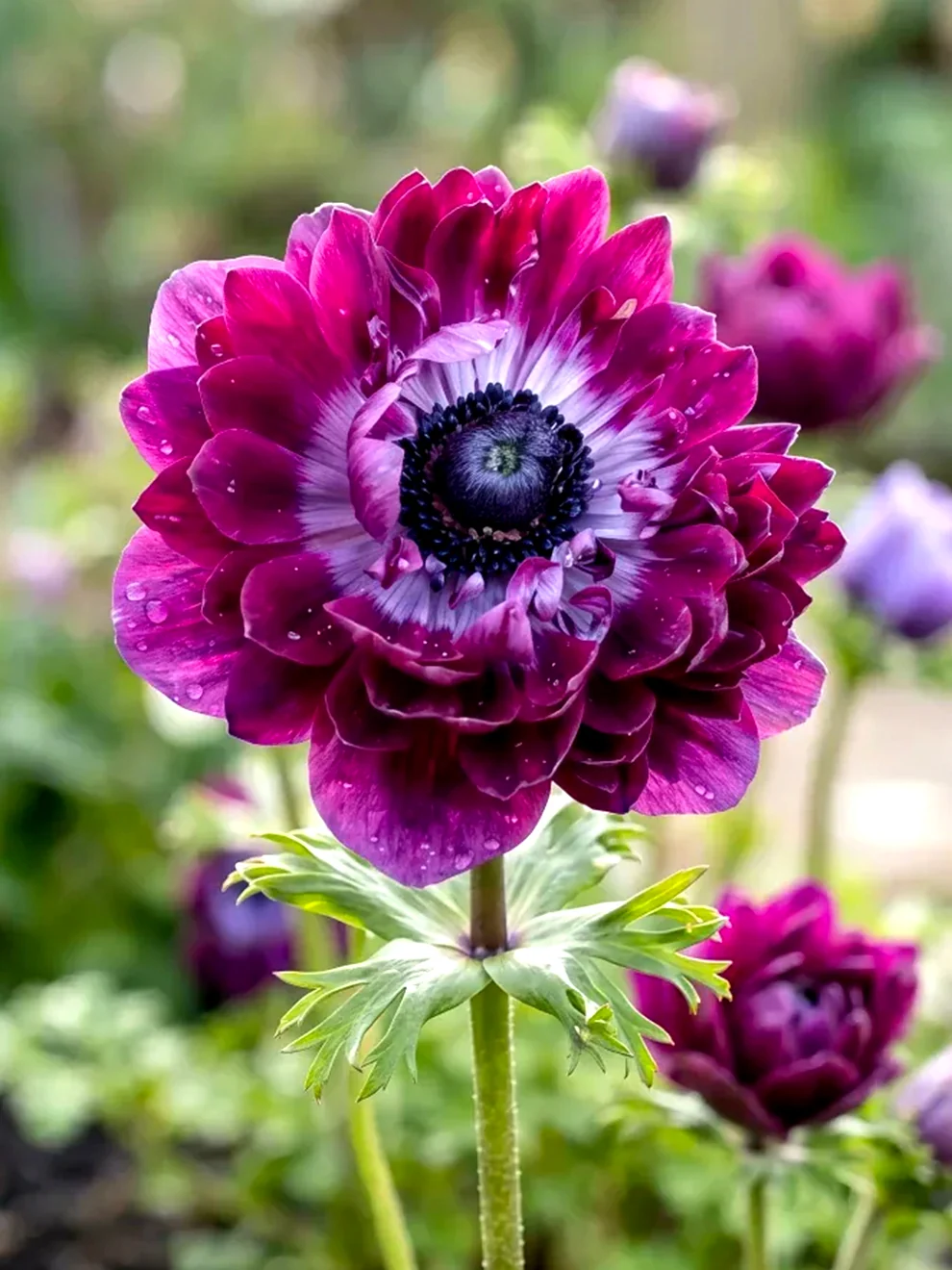
Anemone Fullstar Bordeaux brings a named colour choice into the picture. This can be helpful for gardeners who plan by palette and want something more specific than a mixed collection. The Anemone Fullstar Bordeaux page is the place to confirm planting period, preferred position and the supplied quantity or format; these details affect both the display and the amount of preparation involved.
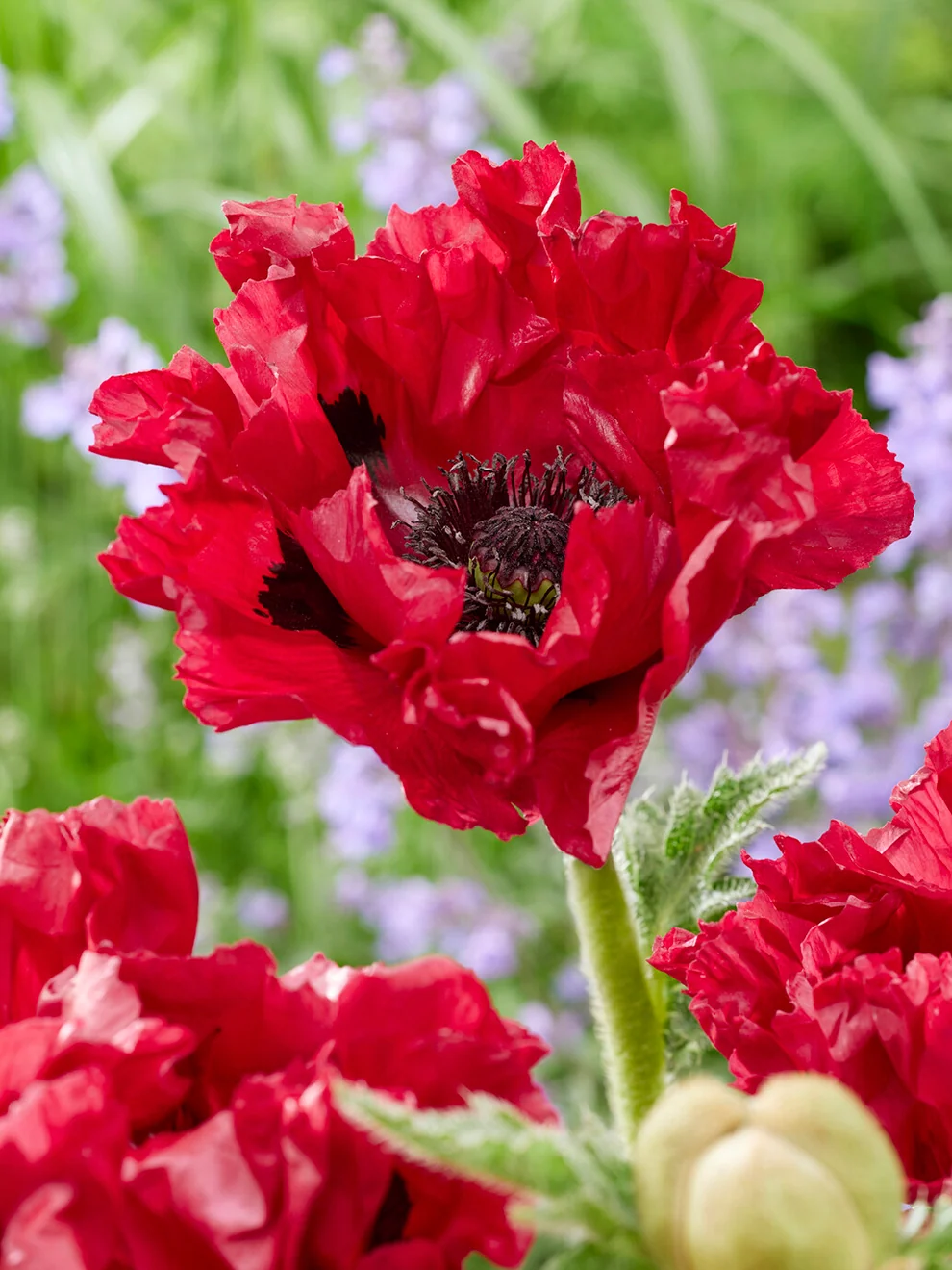
Across the three examples, the store’s advantage is a combination of variety and product-level descriptions. The limitation is that not every page should be assumed to answer every practical question at a glance. Read the current details closely, especially if you are new to bulbs or buying for a site with unusual shade, drainage or exposure.
How we would narrow the choice
A little structure keeps a large catalogue manageable. Before browsing, decide what you want the planting to do and when you want it to flower. Then compare like with like: individual varieties against individual varieties, and mixes against other mixes.
- Write down the bed or container dimensions and the available light.
- Pick a flowering period or sequence before settling on a colour scheme.
- Check the listing for height, planting window, preferred conditions and quantity.
- Compare a curated mix with named varieties if colour consistency matters.
- Review delivery and availability details on the UK store before checkout.
If you want to browse the category structure directly, use the store’s collection pages as a starting point, then return to individual listings for growing and pack details.
This is especially important if the plan combines spring bulbs and summer plants. A pleasing catalogue image cannot show how a specific garden’s soil drains, nor whether a plant will work beside existing perennials. DutchGrown™ can supply the options and some useful descriptions; the gardener still has to match them to place and timing.
We also recommend checking the item page again at the point of purchase. Stock, selected pack formats and delivery information can change. The store highlights London dispatch and top-size bulbs, but the precise contents and current terms belong to each live listing. Check details for Trollius Orange Crest individually. If those details are important to your plan, make them part of the selection rather than assuming all products have the same format.
Where the UK store earns its place
- Wide seasonal coverage across autumn-planted bulbs, spring-planted choices and plants.
- Useful range structure with both named varieties and curated collections.
- Specific product descriptions that can help match plants to garden roles.
- UK-facing fulfilment cues, including the store’s stated London dispatch.
Questions that remain with the gardener
- Choice can feel extensive if you want a quick, minimal decision.
- Suitability is site-specific; confirm soil, light, moisture and planting timing.
- Product details vary, so check quantity, format and current availability per listing.
- Brand claims need context; quality language on the store is the seller’s own description.
Is DutchGrown™ the right source for your garden?
Our research-led recommendation is that DutchGrown™ is worth considering for UK gardeners who want a substantial choice of bulbs and plants, especially those happy to compare named varieties with curated mixes. The range has clear strengths in breadth, seasonal coverage and product-level guidance, with options such as Trollius Orange Crest, Dahlia Wizard of Lightning and Anemone Fullstar Bordeaux illustrating different garden uses.
The honest limitation is that range alone does not remove the need to plan for your site. Check growing conditions, planting dates, quantity and the live delivery information before deciding. If you prefer a very short curated shortlist or need extensive bespoke growing advice, the catalogue may take more work to navigate. For gardeners willing to do that matching, the breadth makes it a useful catalogue to explore.
For a closer look, compare the current product details with your planting plan and choose the UK listing that fits.
