
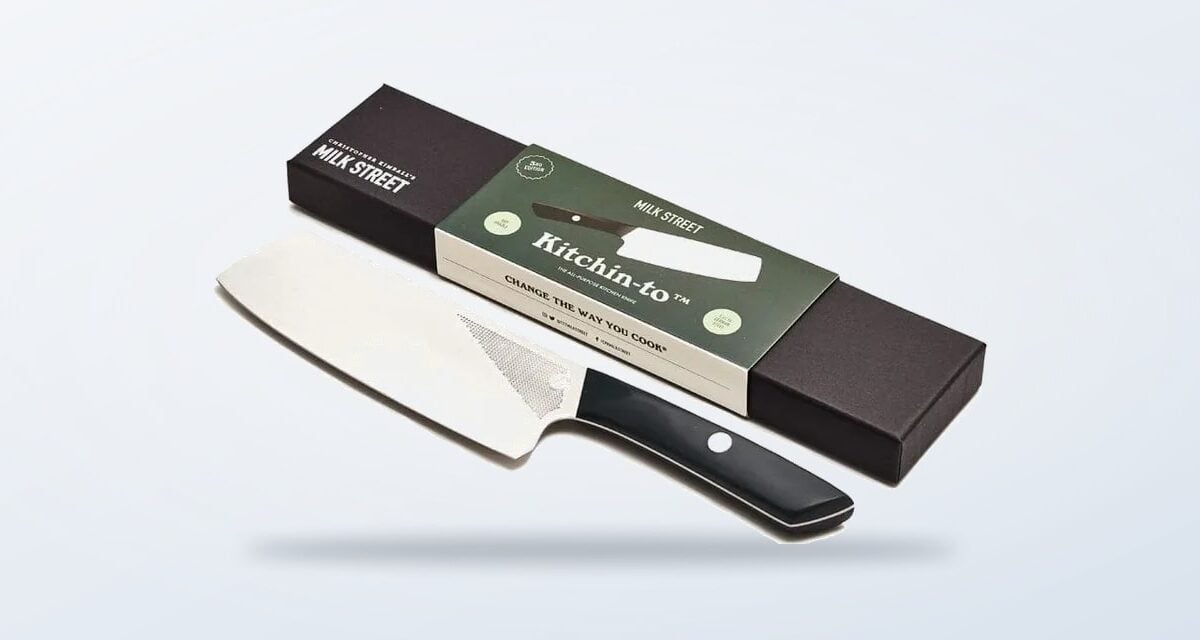

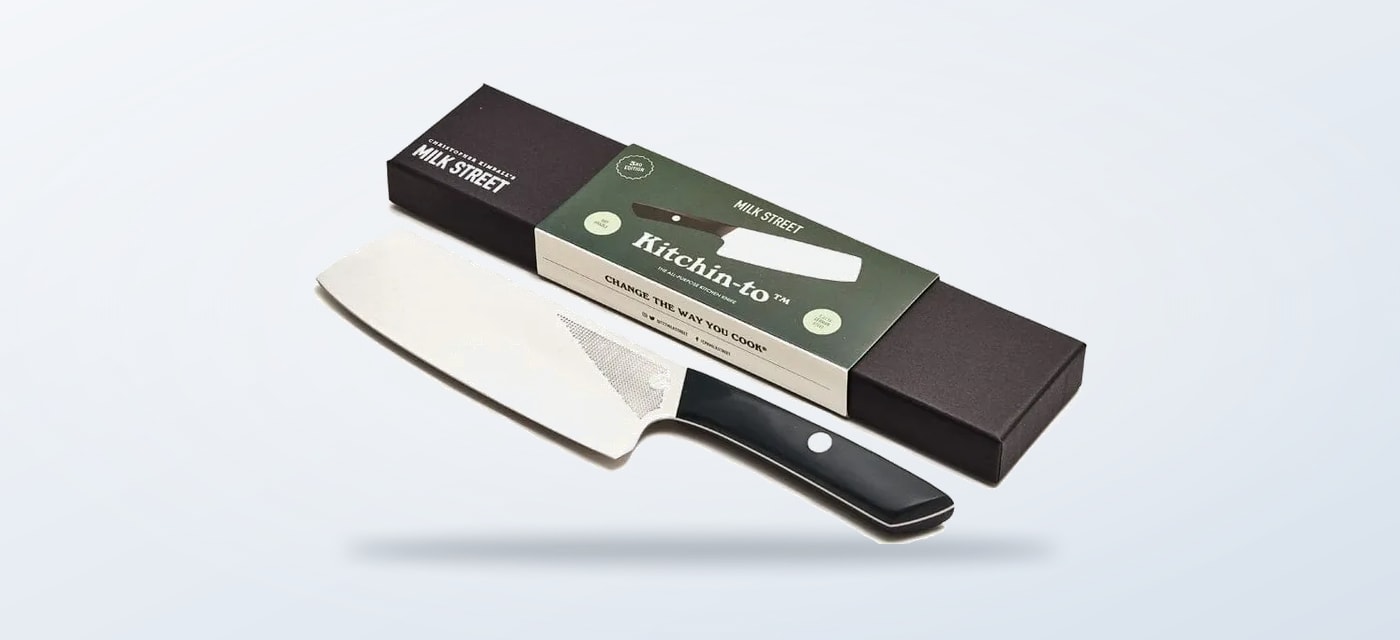
A closer look at the Kitchin-to’s broad profile, lightweight build and care routine can help you decide whether it belongs in your regular prep rotation.
A kitchen knife usually earns its keep through repetition: slicing vegetables, portioning aromatics and moving chopped ingredients from board to pan. The Milk Street Kitchen Kitchin-to Knife proposes a particular answer to that everyday workload, with a cleaver-inspired outline and a thinner, lighter profile meant for general prep.
We reviewed the product information on Milk Street Kitchen’s US store to understand its shape, listed materials, care and likely fit. The central question is practical: does this hybrid design solve a real gap in a home knife roll, or does its unusual silhouette ask the cook to change habits without enough benefit?
Some links in this article are affiliate links: if you make a purchase through them, we may receive a small commission.
Highlights
- The Milk Street Kitchin-to Knife combines a cleaver-like outline with a prep-knife role.
- Its listed specs include a 7.48-inch blade, German 1.4116 steel and a 200-gram net weight.
- A rounded tip and thin blade distinguish its shape, while hand washing and prompt drying are part of ownership.
- The ash wood Kitchin-to saya is a fitted storage companion for drawers without a suitable knife block.
A broad blade with a lighter feel
The Kitchin-to is described as a hybrid between a cleaver and a prep knife. The broad face gives it the visual footprint of a small cleaver, but Milk Street lists a weight of 200 grams and says it is one-third lighter than heavier German knives. That is a lighter listed build distinction for shoppers who want a substantial blade surface without choosing a heavy cleaver as their only daily knife.
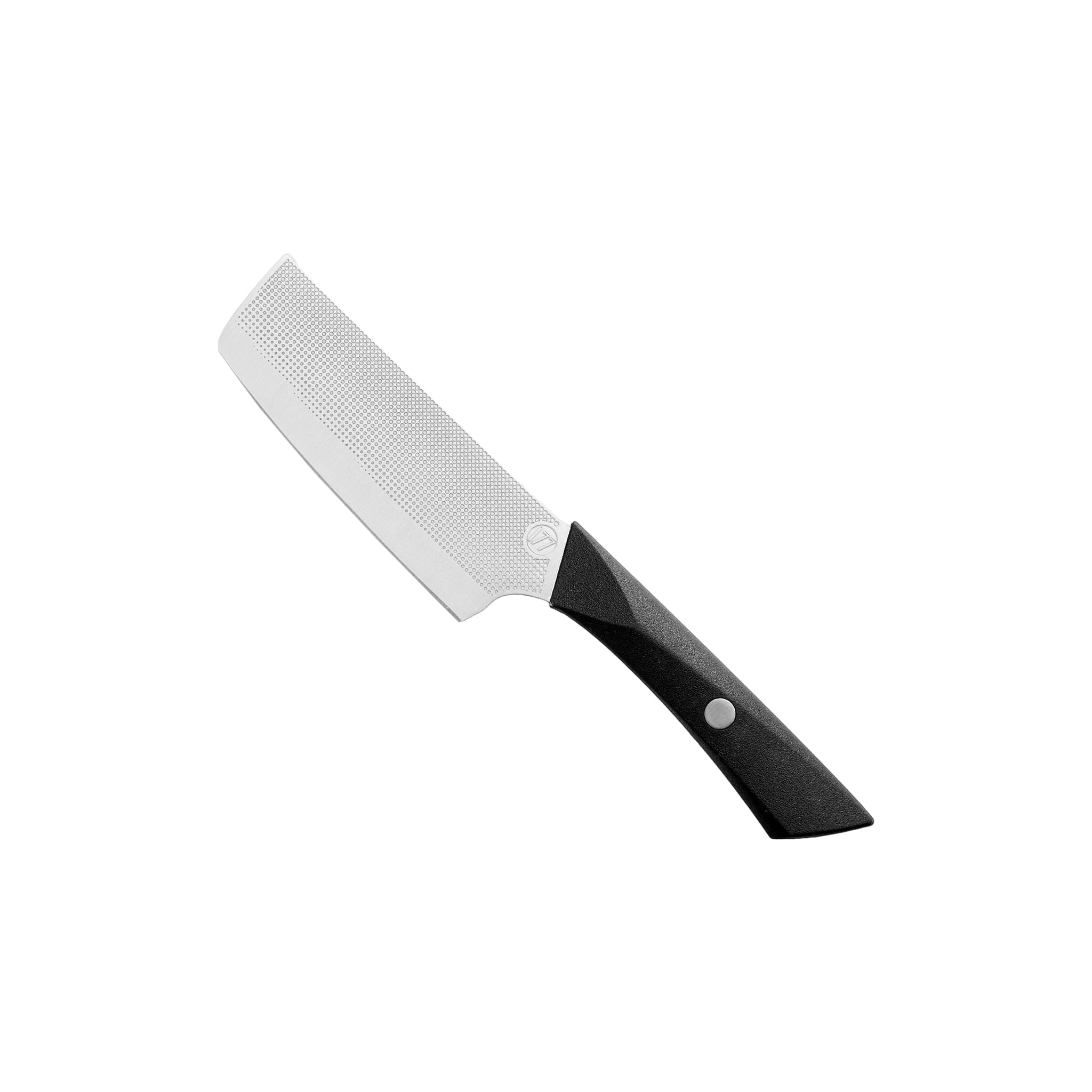
Its listed blade length is 7.48 inches, with German 1.4116 steel and a black polymer handle. The product details describe a blade just 1.2 millimeters thick at the top, with a 1.5-millimeter spine specification. That thin profile is intended to move through vegetables with less wedge-like bulk. These are listed product claims, not guarantees. See the full Kitchin-to listing for the current product details.
The rounded tip is another deliberate departure from the sharp point familiar on a chef’s knife. Milk Street presents that shape as beginner-friendly and safer. The Kitchin-to listing describes its intended all-purpose role. A rounded tip can suit cooks who favor a rocking or pushing motion and do not need a pointed tip for fine piercing. It does not remove the need for careful handling: the cutting edge remains sharp, and the blade should be stored so it cannot move loose in a drawer.
The grip is listed as a lock-in handle for control, while a finger file pattern is intended for precision work. The listing does not provide a handle length, balance point or left-handed compatibility note. Compare the Kitchin-to specifications with the blade you use most often. For shoppers who care about those details, the store page is the best place to confirm whether more information has been added; seeing how the handle sits in your own hand remains a personal fit question. Review the knife specifications before checkout.
Where the shape makes sense
The strongest case for the Kitchin-to is a busy prep routine with repeated vegetable work. Its wide face can help scoop chopped food, and the hybrid design is presented for both large and small jobs. The trade-off is the rounded end: it may not suit delicate trimming or tasks that depend on a pointed tip. A broad shape can also feel unfamiliar beside a narrow chef’s knife, so we see it as a different daily option rather than a universal replacement.
- Consider the Kitchin-to if a broad blade face and scooping ability would be used often.
- Compare its rounded end with the pointed profile you use for fine tip work.
- Check whether your knife block can accept its wider shape before relying on block storage.
- Think about hand washing and immediate drying as part of the routine, not an occasional extra.
Milk Street’s Small Nakiri is a useful point of comparison for shoppers choosing a vegetable-focused blade. The Kitchin-to listing describes a broader prep role. It is a distinct offering in the same store, but the listing and silhouette should be considered on their own merits; it is not a substitute specification for the Kitchin-to. If you already own a dependable chef’s knife, a dedicated vegetable shape such as the nakiri may fill a narrower gap than another all-purpose knife. The Kitchin-to’s pitch instead is versatility with a broader feel.
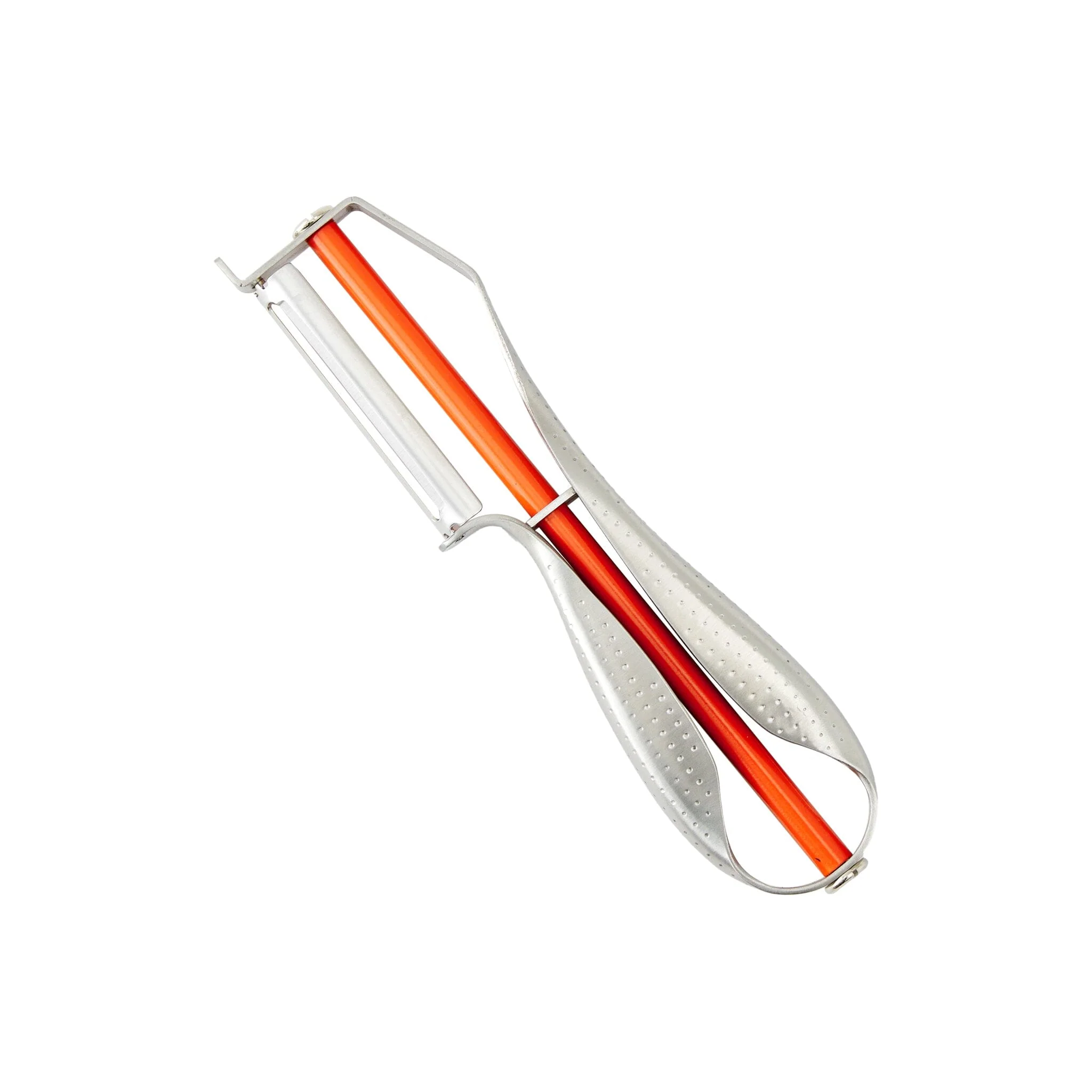
The Straight Precision Peeler handles skinning and thin strips rather than board cuts. This smaller complement may make more sense than a new knife if peeling is the task that recurs most; compare the Milk Street Straight Precision Peeler with the Kitchin-to Knife broader role.
Care and storage are part of the purchase
The Kitchin-to care details are direct about maintenance: wash the knife by hand and dry it immediately after each use to help prevent staining. It should not go in the dishwasher. Confirm the care instructions before purchase. For edge upkeep, Milk Street specifies sharpening at a 17-degree angle. This gives the shopper more actionable care guidance than a generic stainless-steel label, but it also means the knife is not a put-it-in-the-machine utensil.
This routine suits cooks who already hand wash and dry knives at the board. It is a limitation for households that rely on the dishwasher or leave knives in the sink. Weigh the Kitchin-to knife listing against that care routine; the supplied text does not detail sharpening tools or services.
Storage has a dedicated answer: the Kitchin-to saya, a custom ash wood sheath made for the broad blade, which the product page says will not fit most knife blocks. The guard slides over the blade and secures with a wooden pin. See the fitted Kitchin-to saya details to confirm whether the separate sheath suits your storage plan. Milk Street says the wood can wick away moisture that remains on the blade, helping limit oxidation or rust; still, the knife should be dried as directed before storage. Read the saya product details if you are comparing storage options.
The ash wood saya page lists dimensions of 75 by 206.9 millimeters and says to wipe it with a damp sponge, then dry. It is an additional piece to consider, not a reason to assume the knife automatically comes with a fitted guard. The dedicated listing clarifies what is included and whether the two products remain available together. See the current saya listing for the exact companion piece.
- Hand wash the knife, then dry it promptly after use.
- Keep it out of the dishwasher and avoid leaving it wet in a sink.
- Use the listed 17-degree sharpening angle when maintaining the edge.
- Confirm whether you need the matching saya because the wide profile may not suit a standard block.
To check the exact product details and current availability, use the button below.
If your kitchen values a complete prep station, the CrushGrind Riv Grater is a distinct complement. Its foldable frame has coarse and fine stainless-steel surfaces, and the open back lets food fall onto the work surface.
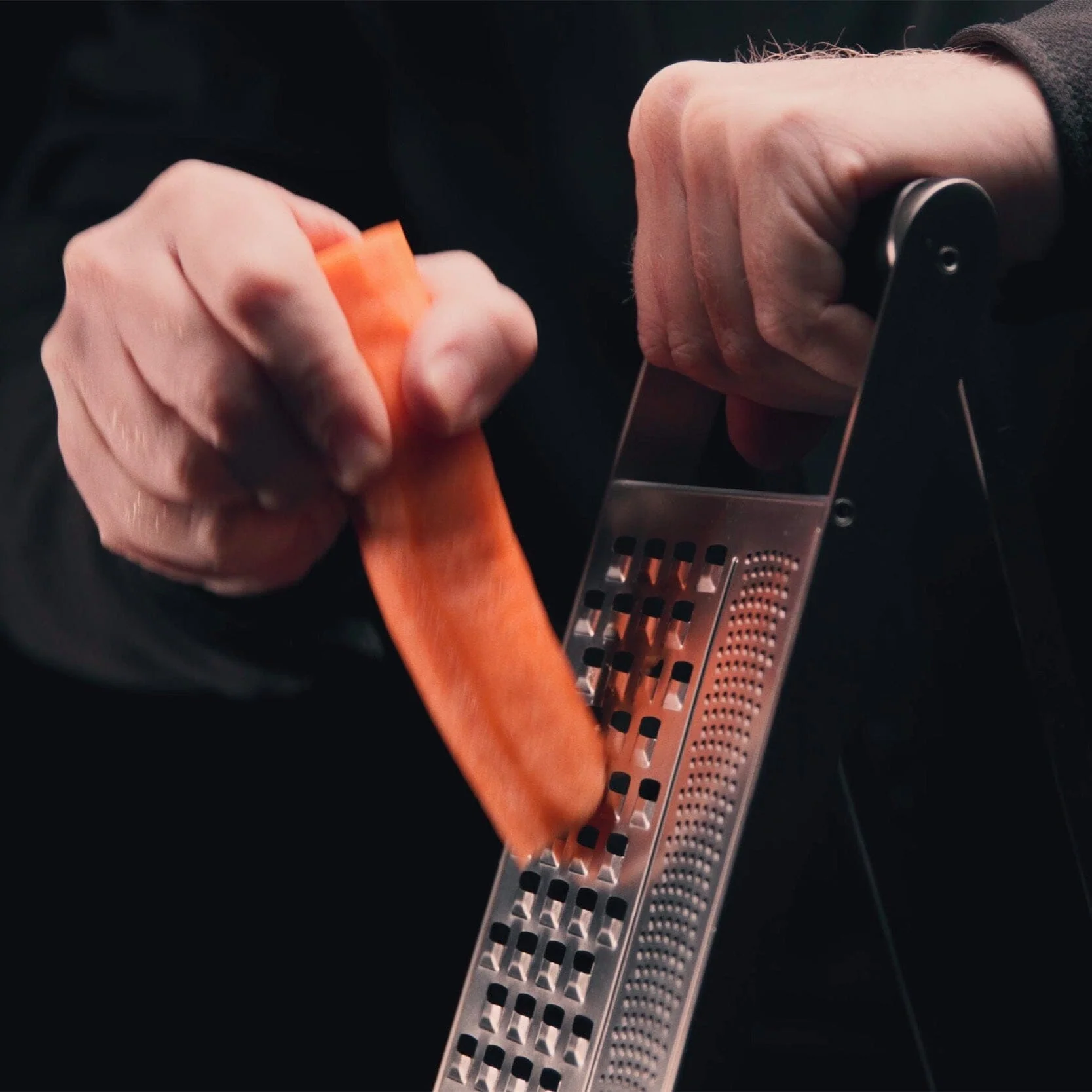
For cooks whose main frustration is grated cheese or citrus sticking inside a box grater, the CrushGrind Riv product page offers a different solution. The Kitchin-to handles slicing and chopping; the grater handles fine shreds and zest. The Riv Grater listing explains its fold-flat setup.
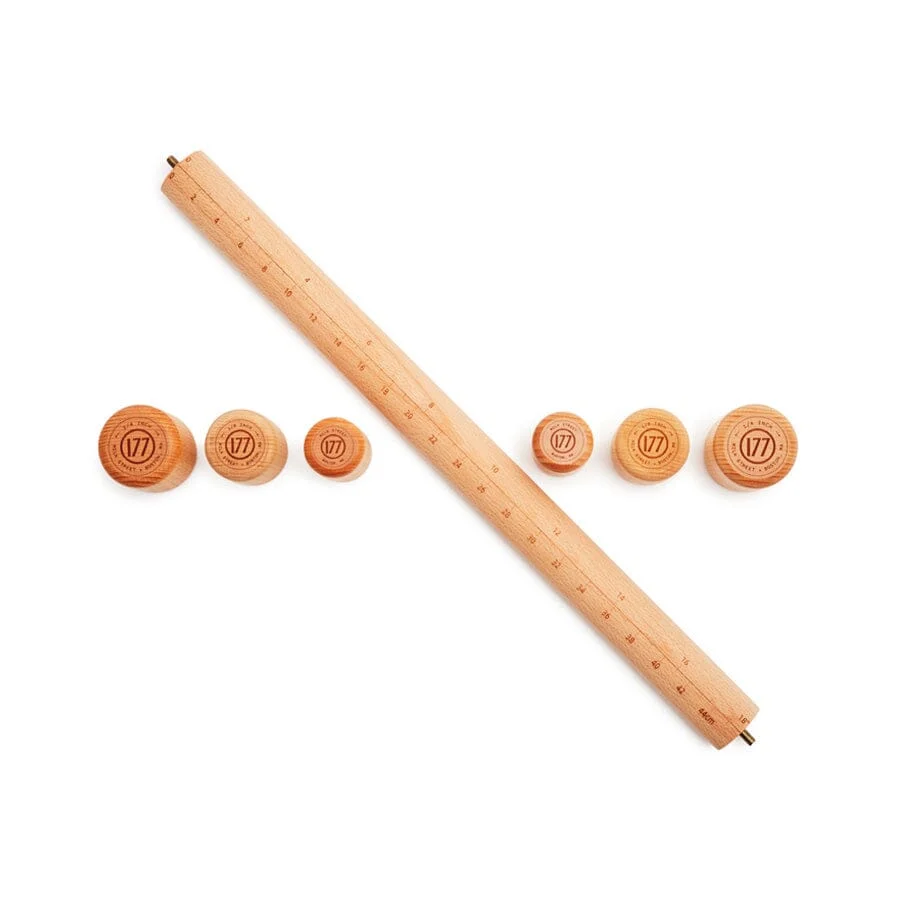
The Milk Street precision rolling pin is for dough work rather than chopping. It suits frequent bakers, while the Kitchin-to Knife is aimed at board prep.
What the buying experience tells us
Milk Street Kitchen’s US store provides materials, use notes and care guidance, helpful for a knife with a nonstandard profile. See the Kitchin-to product page for its details. Shoppers can compare blade length, steel, weight and maintenance before checkout. Review current availability, variants and the shipping or return terms displayed for your order, since store policies can change.
The buying advantage is clear product information: hybrid shape, thin blade, rounded tip and a stated lighter-weight comparison. Online specs cannot tell you how the handle feels, whether the broad face clears your knuckles or how the balance suits your grip. Check the published knife dimensions and compare the shape with a knife you already own.
The case for the Kitchin-to
- A defined hybrid shape offers a distinct alternative to a conventional chef’s knife.
- The listed weight, blade dimensions, steel and handle material give shoppers concrete comparison points.
- The rounded tip and broad face may suit everyday vegetable preparation and scooping.
- The store explains care and offers a custom storage accessory for the unusual blade profile.
The trade-offs to keep in view
- The rounded tip may be less useful for tasks that depend on a sharp point.
- Hand washing and immediate drying require more attention than dishwasher-safe tools.
- The listing’s performance language is brand-provided; it cannot establish personal comfort or cutting preference.
- The wide blade may need a dedicated saya if your knife block is not compatible.
Is the Milk Street Kitchin-to right for your prep routine?
We would shortlist the Kitchin-to for a home cook who wants a broad knife for frequent vegetable prep and is comfortable with hand care. Its shape, listed steel and rounded tip give it a clear identity. Consider the matching ash saya if drawer storage is likely.
We would pass if dishwasher convenience is essential, if you rely heavily on a pointed tip, or if you prefer to handle a knife before buying and cannot do so. The published specifications explain the concept but cannot settle grip comfort or personal balance preference. For the right routine, this is a distinctive daily-prep option; for others, the extra care and unusual outline may not justify replacing a familiar knife. Check the product page for current availability and terms before making that call.
