
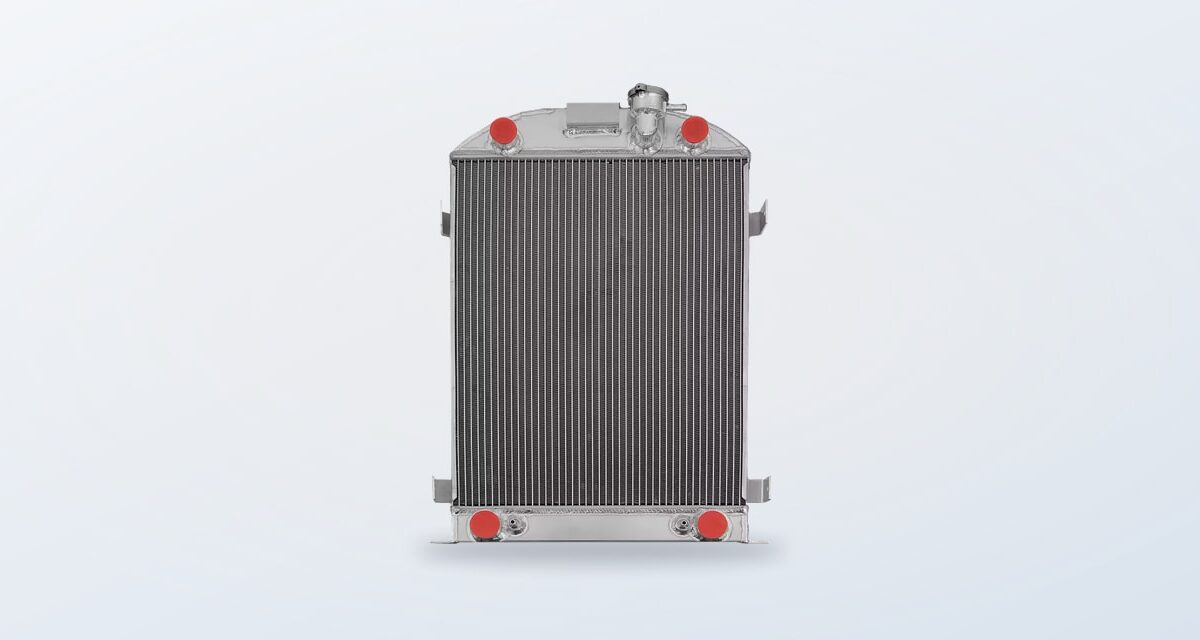

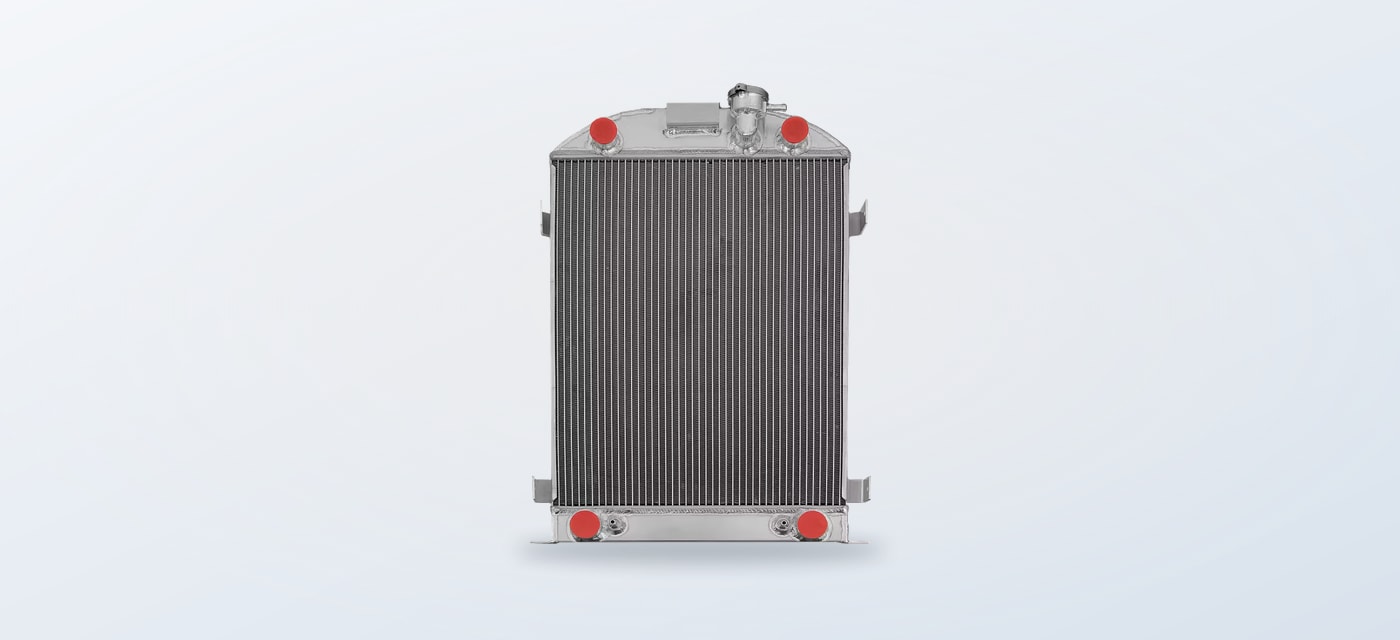
A first look at AlloyWorks, the cooling components in its catalog, and the fitment details worth checking before choosing a part.
Auto parts catalogs can feel like walls of specifications. Shanghai Ting Yue Auto Parts Co., Ltd gives its automotive range the retail name AlloyWorks, with a strong emphasis on radiators, intercoolers and related cooling hardware. For a new reader, the useful question is less about a broad brand promise and more about how the catalog is organized: around vehicle applications, component types and measurable fitment details.
The US store presents a sizeable assortment that reaches from classic pickup radiators to model-specific intercoolers and transmission cooling components. That breadth can help when a project has a clear vehicle and part in mind. It also asks the shopper to be careful: two products that sound similar may differ by year, engine, dimensions, inlet placement or included hardware.
Some links in this article are affiliate links: if you make a purchase through them, we may receive a small commission.
Highlights
- AlloyWorks centers its catalog on radiators, intercoolers and related cooling parts.
- The Chevy/GMC C/K radiator listing combines a four-row aluminum radiator with a shroud and fan for named model years.
- The Mini Cooper S front-mount intercooler is listed for R56 and R57 hatchbacks with a 1.6L engine.
- The SureCool upgrade names 6L80, 6L90, 8L90 and 10L90 transmission families.
- The US store states a one-year warranty and 60-day returns; check current fitment and terms on each listing.
A catalog shaped around cooling jobs
The clearest thread through AlloyWorks is thermal management. Radiators form a visible core of the range, alongside intercoolers, overflow tanks, oil coolers and A/C condensers. The store groups inventory by component and vehicle family, giving readers more than one route into a search. Starting with the component is practical when a replacement is already identified; starting with year, make and model can be more helpful when fitment is uncertain.
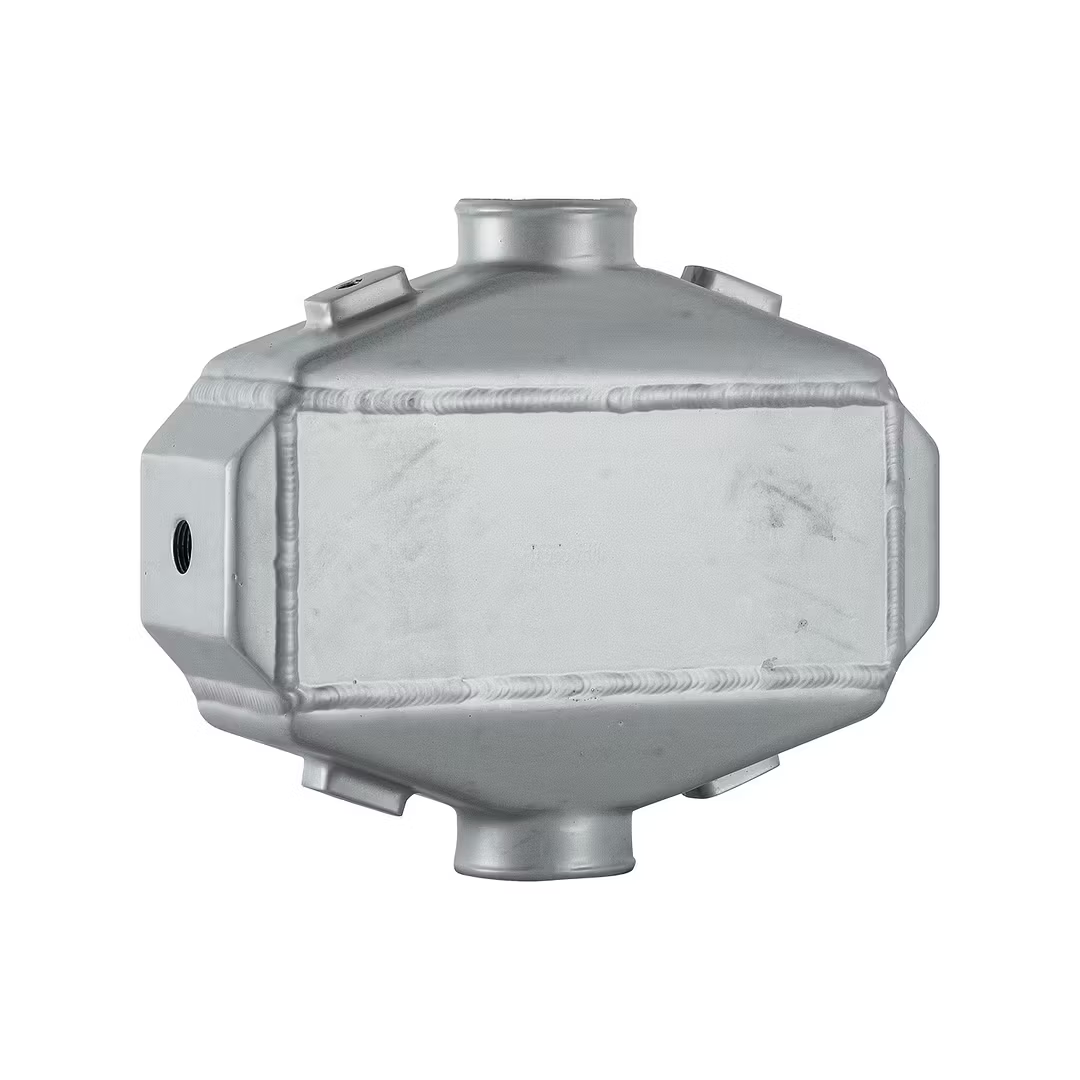
The catalog’s vehicle-specific approach matters because cooling parts depend on more than a product category. A radiator can have different core dimensions, row configurations, inlet and outlet positions, fan arrangements, and provisions for transmission cooling. The store says its listings provide fitment information and the site includes a vehicle search. Those details help narrow the field, but they do not replace checking the full specification against the vehicle and existing setup.
- Begin with the vehicle year, make, model and engine.
- Match the component type to the job: radiator, charge-air cooling or another system.
- Compare dimensions, connection locations and included parts.
- Confirm exclusions and installation requirements on the listing.
1. A Chevy/GMC C/K radiator with a complete-looking package
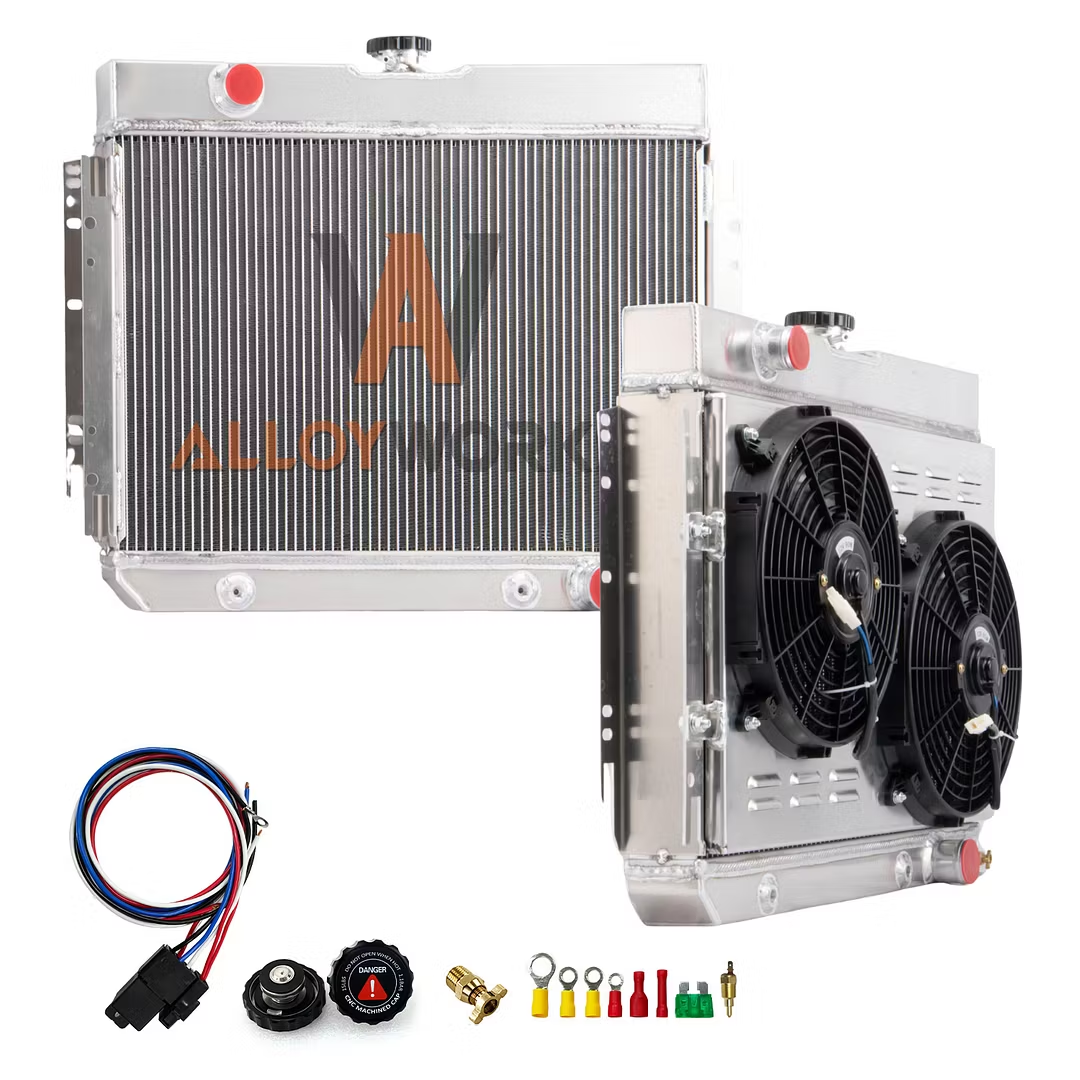
The Alloyworks four-row C/K radiator with shroud and fan is a useful example of the brand’s application-led catalog. Its product title identifies a specific truck generation and range, and calls out a four-row aluminum radiator alongside a shroud and fan. That combination is more informative than a generic “truck radiator” label because it signals both the intended application and some included cooling hardware.
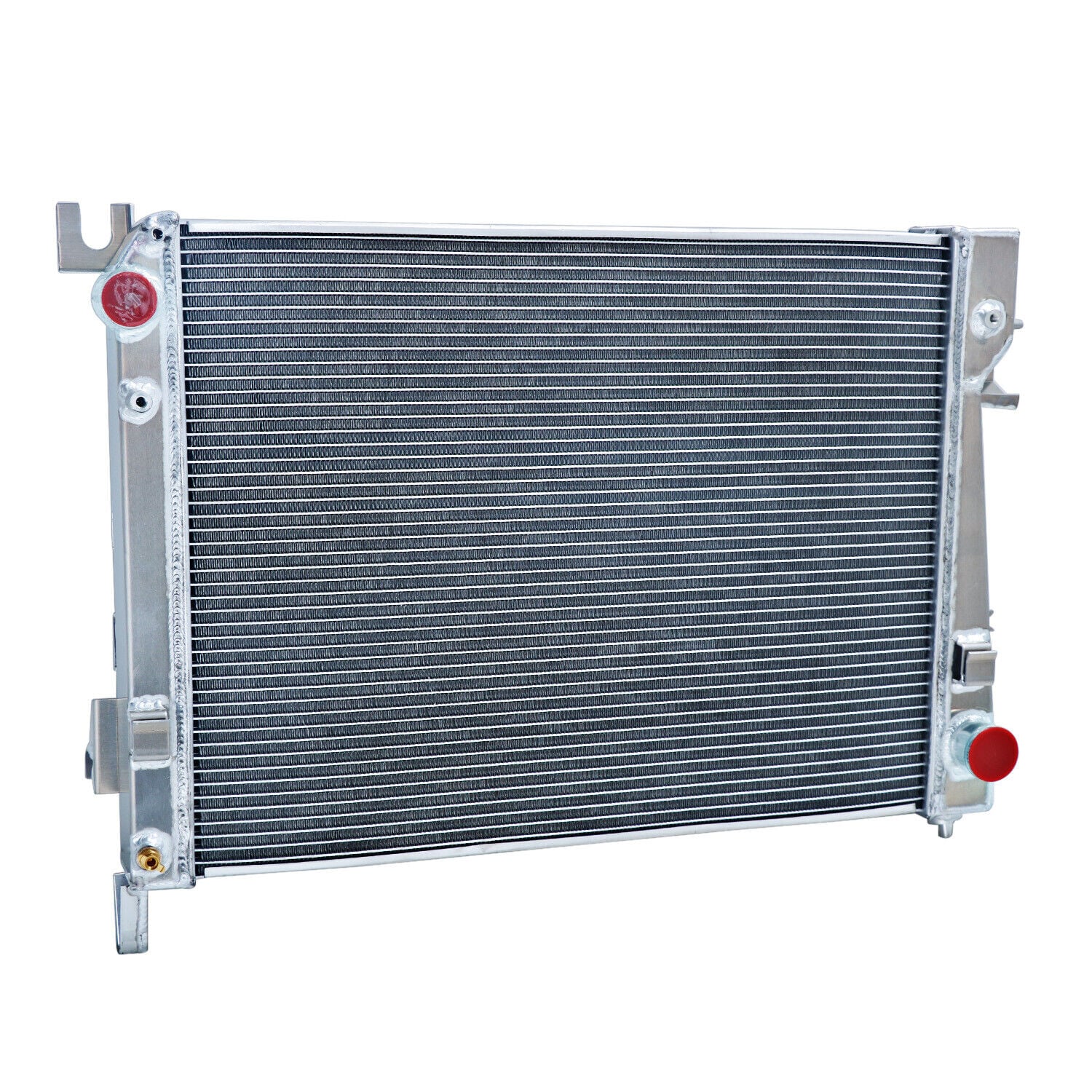
Readers can view the C/K radiator listing to check the exact vehicle coverage, dimensions and what is included. Similar-looking C/K products may cover different years or engine configurations, so do not infer interchangeability from the family name alone. A shroud and fan can make a listing feel self-contained, but the product page is the authority on supplied parts and any fitment conditions.
That detail-first style is one of the store’s strengths. For older vehicles especially, project requirements can vary with engine swaps, trim changes and prior modifications. The limit is equally clear: a long title is not proof that a part fits a modified vehicle. Verify clearances and connections with the listing, then ask the seller if any point remains uncertain.
2. A Mini Cooper S intercooler for a narrower application
The Alloyworks front-mount intercooler for the Mini Cooper S moves from radiator replacement into charge-air cooling. Its title sets a relatively narrow application by naming the model years, body generations and engine size. This specificity can save time for a reader with a matching car, while also making it important to distinguish Cooper S fitment from other Mini variants.
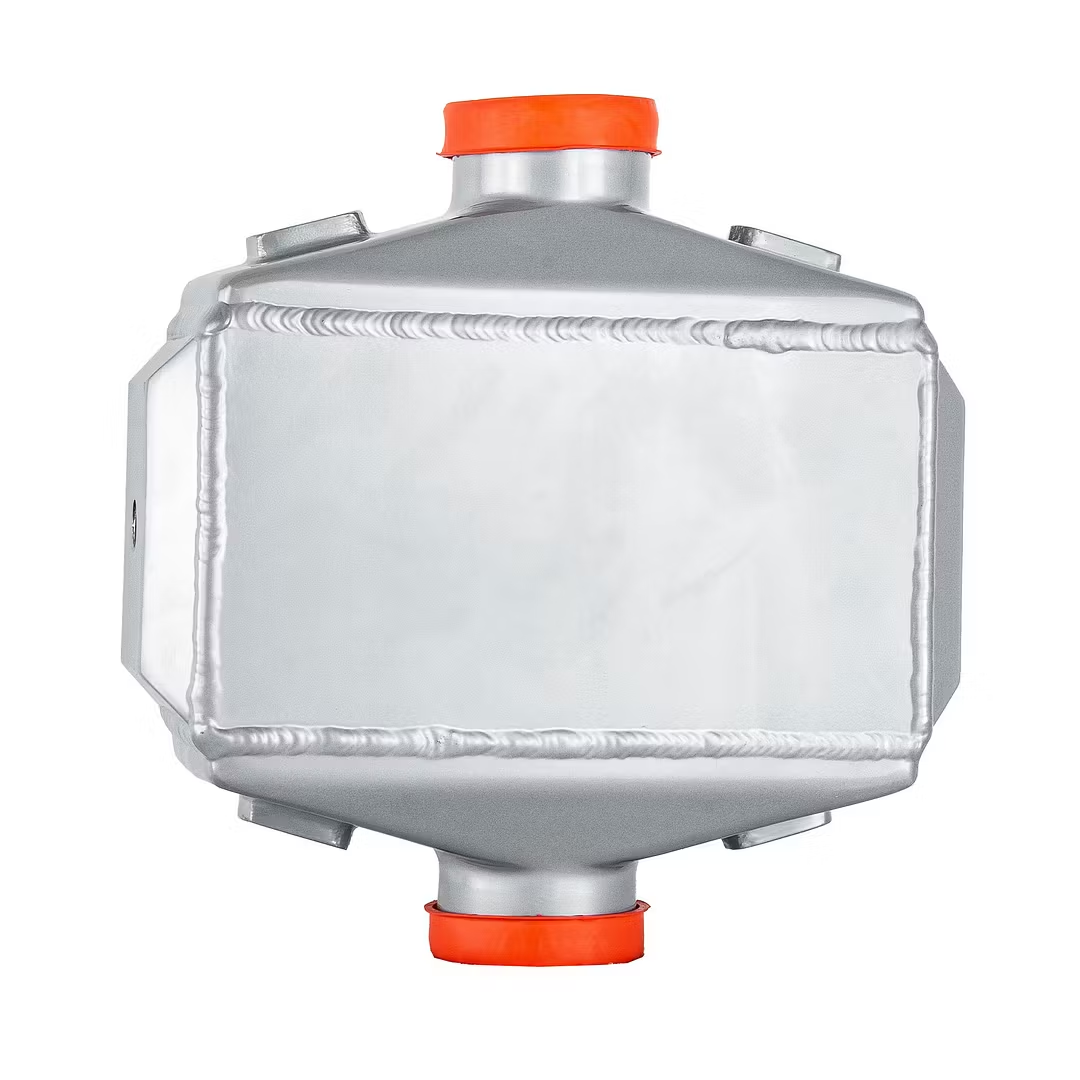
The Mini Cooper S front-mount intercooler listing should be checked for dimensions, inlet and outlet positions, included pipework and any installation notes. A catalog description may establish a claimed application, but modifications and market-specific variations can change what fits in practice. The store’s model-year range is a starting point for verification, not a substitute for comparing the car’s configuration to the page. Readers can revisit the vehicle-specific intercooler details and the truck radiator fitment notes as a reminder that component names matter.
Seen beside the C/K radiator, this intercooler shows the range’s breadth without implying that all parts suit the same kind of buyer. One listing targets a defined passenger-car platform, while the other addresses a set of trucks. That ability to browse across distinct cooling jobs is part of the brand’s identity.
3. SureCool names transmission families
The Alloyworks SureCool cooling system upgrade takes a third route, naming the 6L80, 6L90, 8L90 and 10L90 transmission families and a Superior STL010 reference. Its audience is therefore likely to arrive with a transmission-specific project rather than a general replacement need. The branded name is less useful than the family designations when deciding whether the part belongs in a shortlist.
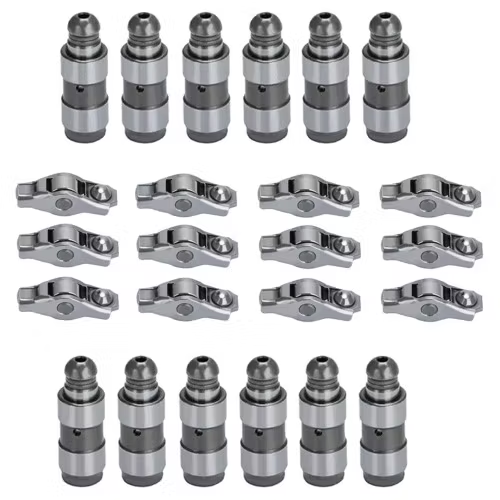
Classic-car shoppers can also compare the named C/K truck application with their own chassis and cooling layout before narrowing the search.
Before considering the SureCool transmission cooling upgrade, match the transmission code and model year and read the listing for included hardware and installation context. The SureCool listing alone does not establish compatibility with every vehicle using one of those transmission families. The catalog listing is strongest when its exact labels help a technically prepared buyer narrow options; it is less helpful if a reader has not yet identified the vehicle’s configuration.
Across these examples, the range is broad but application-led. It includes familiar service parts and more specialized cooling components, and its product pages generally foreground fitment terms. The first-time visitor benefits most by arriving with vehicle details and treating each listing as a specification sheet to compare, rather than assuming a category match settles the question. Start with the Mini Cooper S intercooler or SureCool upgrade only when those exact applications fit.
How the store frames support and selection
Beyond product variety, Shanghai Ting Yue Auto Parts Co., Ltd uses the AlloyWorks storefront to communicate practical buying information. The store states dispatch from US warehouses, estimated delivery windows, a one-year warranty and a 60-day return policy. These are useful context points for a US shopper, but terms can depend on the item and can change. Review the current shipping, warranty and returns information attached to the order before relying on a general site statement.
- Use the vehicle search as a first filter, then compare the C/K radiator item page, the Mini Cooper intercooler page or the SureCool product page itself.
- Record engine, year and any transmission or trim details before browsing.
- Check the listing for measurements and connection orientation.
- Confirm whether fans, shrouds, hoses or fittings are included.
The site also states a catalog of more than 3,000 automotive parts SKUs. That is a scale claim from the store, not a guarantee that every niche application is covered. A deep catalog can be useful when projects span older and newer vehicles, but product naming and fitment filters have to do real work. For a reader, the best signal is a listing that matches the vehicle and clearly answers the relevant installation questions.
Where AlloyWorks is useful, and where to pause
- Useful breadth: radiators, intercoolers and other cooling components sit within one store.
- Specific labels: many titles identify vehicle years, engines or transmission families.
- Practical store details: the US site states warranty, returns and dispatch information.
Where the catalog needs a closer read
- Fitment is not automatic: confirm exact year, engine, trim and configuration.
- Titles are only a start: use dimensions and included-part notes before choosing.
- Terms may vary: check current shipping, return and warranty conditions on the store.
These strengths and constraints make AlloyWorks a practical catalog to investigate when a reader already knows which cooling system or vehicle family they need to address. It is less suited to choosing a part from a broad symptom alone. If a vehicle overheats or boost temperatures concern you, diagnosis comes first; a catalog search cannot identify the underlying fault.
Is AlloyWorks a useful first stop for a cooling part?
For readers who can identify their vehicle and component, Shanghai Ting Yue Auto Parts Co., Ltd offers a wide AlloyWorks range with concrete examples across truck radiators, a Mini Cooper intercooler and transmission cooling. We would treat it as a useful place to compare application-specific listings, with the product page and seller confirmation guiding the final fitment decision.
The limitation is that a broad catalog can still leave edge cases unresolved, especially on modified or uncommon vehicles. Check the current specification and store terms before ordering. If the listed application and dimensions line up with your project, the collection is a reasonable next place to review options.
