



A clear introduction to Mobiles.co.uk, the buying routes it offers and the phone range that helps explain who the retailer may suit.
Choosing a phone retailer can be as much about the route as the handset. Some readers want an unlocked device they can pair with a chosen SIM; others would rather compare a monthly plan, keep an existing number or consider a refurbished phone. Mobiles.co.uk brings those decisions together in one UK storefront.
We reviewed the retailer’s published product and service information for this guide. Its range spans SIM-free phones, pay-monthly deals, upgrades, SIM-only plans and refurbished devices, so the useful question is how those routes match different needs.
Some links in this article are affiliate links: if you make a purchase through them, we may receive a small commission.
Highlights
- Mobiles.co.uk presents SIM-free, pay-monthly, upgrade, SIM-only and refurbished routes.
- The Apple iPhone 17 Pro 256GB is a premium SIM-free option in the listed range.
- The Google Pixel 10 128GB and Samsung Galaxy S25 FE 256GB show two distinct Android choices.
- The right route depends on whether you value an unlocked handset, a bundled plan or a refurbished device.
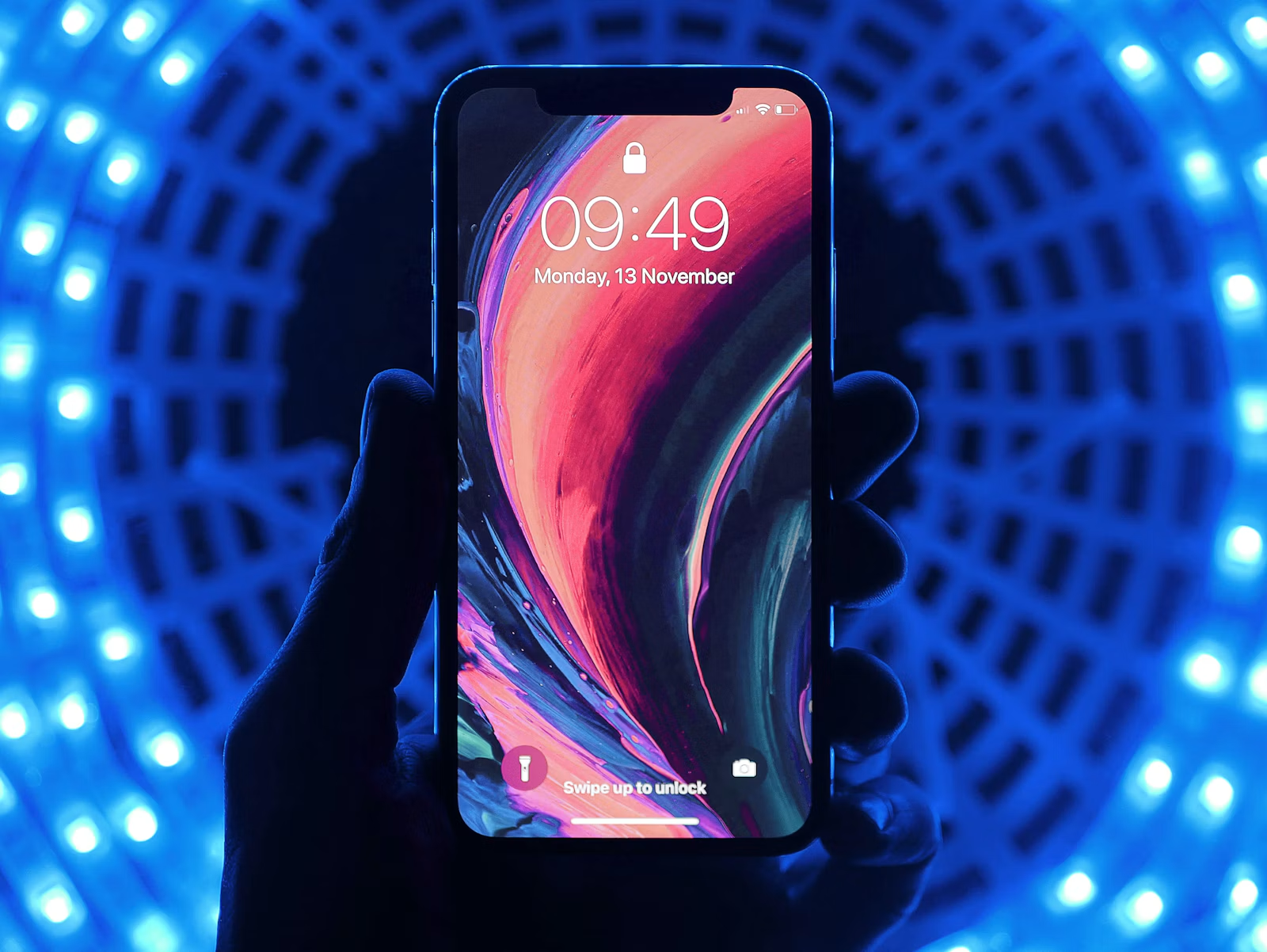
A retailer built around different ways to connect
Mobiles.co.uk groups handsets with several ways of paying for or connecting them. That matters because a phone purchase often starts with a practical constraint: keep a current network, spread the handset cost, trade an old phone, or separate the handset from service. The brand’s own listing information makes the range easier to understand as a set of routes, rather than a single contract catalogue.
For readers who want a clear separation between device and network plan, the retailer describes its SIM-free handsets as unlocked. Its Apple iPhone 17 Pro 256GB listing is one example of that handset-first route. It may be easier to match with a SIM-only plan chosen separately, but buyers still need to check network compatibility, data needs and any existing contract obligations before choosing a SIM.
Those preferring a bundled monthly arrangement can compare pay-monthly options, while existing customers may find an upgrade route more relevant. SIM-only options serve a different job: keeping a working handset while changing or renewing the service. Refurbished listings create another path for readers open to a previously owned device, with grades and warranty cover described on the listings. These routes are not interchangeable, so it helps to decide which constraint matters before browsing models.
- SIM-free: handset first, with the mobile service selected separately.
- Pay monthly: compare the device and plan together, including the length and terms.
- Upgrade: check eligibility and how the existing account affects the offer.
- SIM-only: a service choice for people keeping a compatible handset.
- Refurbished: compare the stated grade, included warranty and condition notes.

Three phones that illustrate the range
A brand introduction is more useful when its product range is tangible. The examples below are product pages present in the store’s cached catalogue at research time; they show the range rather than a ranking. We have not tested these handsets, and configurations can change, so open the exact listing to confirm its current specification.
1. Apple iPhone 17 Pro 256GB – a premium SIM-free route
The Apple iPhone 17 Pro 256GB appears as a SIM-free handset in Cosmic Orange. Its premium positioning makes it a useful example for someone who has already chosen Apple’s ecosystem and wants to keep the phone purchase separate from a network contract. The listing identifies storage and colour, two details worth checking alongside compatibility and what is included.
That separation can be helpful for a reader comparing an unlocked phone with an existing SIM-only arrangement. Before committing, consider how much storage you use, whether the handset will work with your network and whether an upgrade or bundled option gives a better overall fit. The product page for the iPhone 17 Pro is the place to confirm the offered configuration and terms. Compare the SIM-free configuration against any bundled route.
2. Google Pixel 10 128GB – a straightforward Android example
The Google Pixel 10 128GB provides an Android counterpoint, listed in Obsidian with 128GB storage. A smaller storage tier can suit people who rely on cloud services and do not keep large offline media libraries, while others may prefer more headroom. This is a practical distinction to resolve before comparing contracts or colours.
For a buyer already comfortable with Android, the Pixel 10 is a way to assess the retailer’s SIM-free selection. Check the full page for network compatibility, delivery information and configuration details, then compare its standalone handset route with any bundled plan available. We would treat storage capacity as a decision point rather than assuming one tier suits everyone. Its 128GB listing gives a concrete configuration to assess.

3. Samsung Galaxy S25 FE 256GB – another Android path
The Samsung Galaxy S25 FE 256GB appears in Jetblack with 256GB storage. It broadens the Android choice beyond the Pixel example and gives readers who prefer Samsung a model to compare within the same retailer. Its larger listed storage configuration could be relevant for people who keep more apps, photos or downloads on the device.
Use the Galaxy S25 FE listing to check the precise model, colour and current terms. Then compare how you plan to pay: SIM-free keeps the handset decision separate, whereas a pay-monthly option can bundle service and device costs. The headline product name alone does not settle which route is better; contract length, data allowance and flexibility can change the overall value. Check the 256GB configuration against your storage habits.

How to choose a route before a model
Phone pages can encourage readers to start with camera, screen or storage details. Those matter, but the purchase structure can have a longer effect on budget and flexibility. A quick shortlist can make browsing at Mobiles.co.uk more focused:
- Decide what stays: note whether you want to keep your current network, number and SIM.
- Set the ownership route: compare SIM-free, bundled pay-monthly, upgrade and refurbished paths that fit your situation.
- Choose a realistic specification: storage, colour and operating system should match how you use a phone.
- Read the full terms: check plan length, data, eligibility, delivery and any condition or warranty notes.
For instance, the Apple iPhone 17 Pro can represent a handset-first choice, while the Google Pixel 10 gives an Android comparison. These are not like-for-like recommendations: storage and ecosystem differ. Readers should use the product pages as starting points, then compare the actual configuration and route offered.
The details that make the store worth understanding
There are a few useful brand-level points in the retailer’s own presentation. First, choice of route is central: a reader can investigate a standalone phone, a bundled service, a SIM-only plan or refurbished stock without starting from a single contract format. Second, the unlocked claim for SIM-free handsets gives flexibility, though readers still need to check their carrier’s requirements.
Third, the retailer says its refurbished listings describe grades and warranty cover. Those are important signals, but the specific condition and warranty terms should be checked on each listing rather than inferred from the category label. For any route, confirm delivery arrangements and timing on the product page and at checkout, since the retailer’s live terms are the controlling source.
That combination makes Mobiles.co.uk most relevant to comparison-minded shoppers: people who want to weigh device choice, payment style and service in one place. It is less useful to approach the site with an unexamined assumption that a monthly plan is automatically cheaper or that refurbished means the same condition across every listing. The product page and plan terms answer those specifics.
- For a handset-first shortlist, compare the SIM-free iPhone 17 Pro with the SIM-free Pixel 10 and Galaxy S25 FE pages. Route comes first, then the model comparison becomes more useful.
- For a bundled purchase, compare total commitment and data allowance, not only the monthly framing.
- For refurbished stock, read the individual grade and warranty wording before choosing.

Where the range has strengths and limits
Why the range can help
- Several buying routes make it easier to compare ownership and service together.
- The SIM-free, unlocked proposition can suit readers choosing their own network.
- Refurbished listings describe grades and warranty cover, giving shoppers specific details to inspect.
- Examples across Apple, Google and Samsung make the phone selection easier to orient: compare the iPhone 17 Pro, Pixel 10 and Galaxy S25 FE listings.
What deserves a closer read
- Contract length, eligibility and data terms can vary by offer and need checking on the live page.
- Storage tiers and colour names differ, so verify the exact listing before comparing.
- Refurbished condition and warranty details are listing-specific; category labels are not enough.
- A wider range means the reader must decide their preferred route before a quick model comparison will be meaningful.
Is Mobiles.co.uk a useful place to start a phone search?
Mobiles.co.uk is worth considering if you want to compare several ways of buying and connecting a phone within one UK storefront. Its mix of SIM-free, pay-monthly, upgrade, SIM-only and refurbished routes gives first-time visitors a helpful map, while product examples such as the iPhone 17 Pro and Pixel 10 show the spread of its handset selection.
Our recommendation is to choose your route first, then inspect exact models and terms. The main limitation is that the range alone cannot tell you which plan is best for your account, network or usage; eligibility and live listing details still need a careful read. If you prefer Samsung, begin with the Galaxy S25 FE page and compare its SIM-free and plan routes against your needs.
