
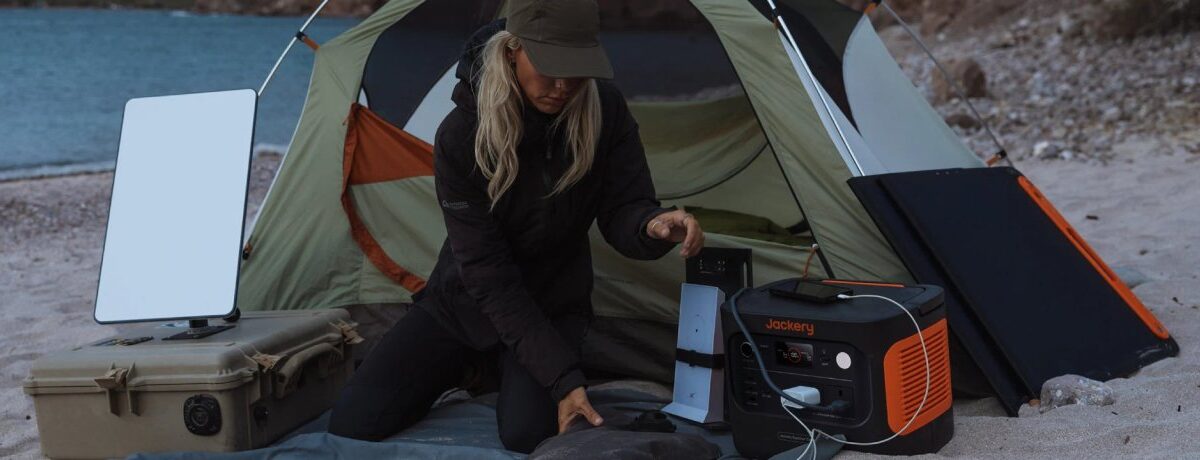

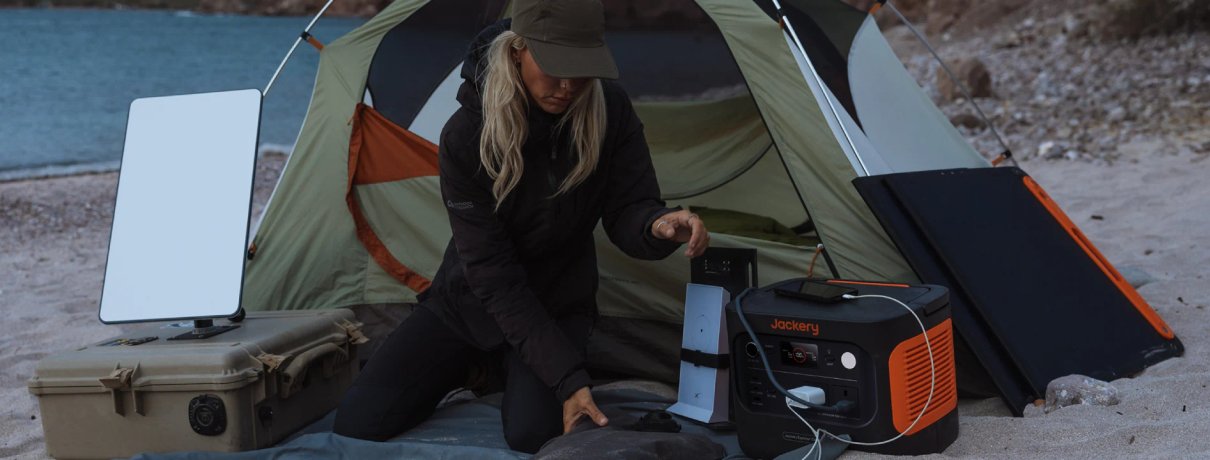
A close look at the Explorer 500 v2’s capacity, charging routes and practical fit for trips and modest home backup.
A portable power station is easiest to judge by the devices you expect it to run. Jackery’s Explorer 500 v2 sits between pocket-size phone charging and the larger stations intended for heavier appliances. Its listed capacity is 512Wh, with a 500W rated output, so the practical question is whether that middle ground matches your kit and plans.
We reviewed the UK product information rather than handling the unit. The page gives useful headline specifications and charging methods, but buyers still need to match their own device draw, runtime expectations and preferred recharge method to the station.
Some links in this article are affiliate links: if you make a purchase through them, we may receive a small commission.
Highlights
- 512Wh capacity and 500W rated output place the Explorer 500 v2 in the middle of Jackery’s portable range.
- The product page lists AC, car and solar charging routes, giving trip planners more than one way to replenish it.
- Six output ports support several small devices, but the total draw and runtime still need checking against your own equipment.
- The solar bundle and compact Explorer models offer different setups for buyers with different space and energy needs.
The Jackery Explorer 500 v2 is most compelling as a flexible campsite or travel power source, with enough capacity to move beyond emergency phone charging while remaining a single portable unit. Here is how its product-page details translate into a buying decision.
Capacity that fits a mixed kit
Jackery lists 512Wh of stored energy and 500W rated output. Capacity tells you how much energy is available in the battery; output is the limit on what can be powered at once. A laptop, camera batteries, lights and smaller camping accessories are the kind of mixed load that makes this category useful. A kettle or other high-draw appliance may exceed the output rating, so check the label before planning around it. The Explorer 500 v2 product details state the output limit.
Runtime is not a universal number. Conversion losses, the device’s actual draw, temperature and how often it is used all affect what the stored capacity delivers. Make a short list of the devices that matter, note their wattage, and think about hours of use rather than treating the capacity figure as a promise of a fixed runtime. Compare that load with the station’s listed capacity.
- Write down each device’s wattage or battery capacity.
- Separate essentials from occasional comforts.
- Allow headroom for conversion losses and changing conditions.
- Check the station’s output rating for every mains-powered item.
This simple exercise often clarifies whether the Explorer 500 v2’s 512Wh reserve is sensible for a weekend away or more capacity is needed. It also helps avoid choosing a station on a headline figure alone.
Charging choices for real trips
The UK listing describes AC charging, charging from a vehicle and solar input; see the Explorer 500 v2 charging information for its available modes. That is useful flexibility: mains power suits preparation at home, car charging can help on a route, and compatible solar panels can contribute when there is daylight and a suitable place to set them out. The listing promotes fast AC charging, but the time depends on the stated charging mode and conditions; confirm current details on the product page before relying on a turnaround schedule.
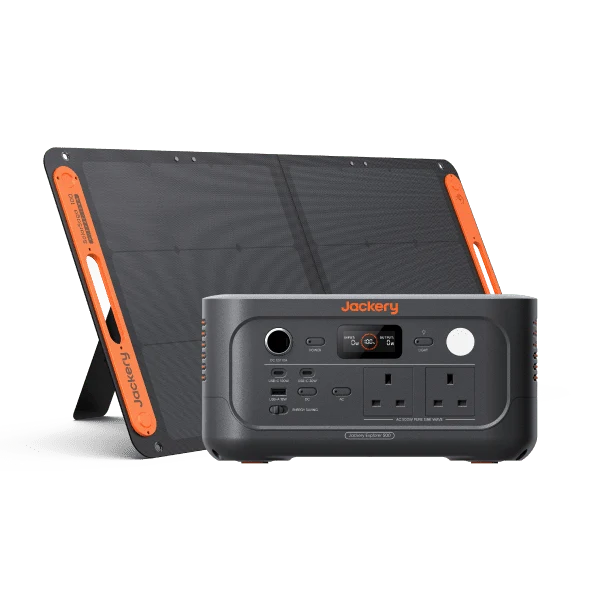
A solar setup is not automatic independence from the grid. Panel output changes with weather, season, angle and shade, so solar is best treated as a replenishment option with variable yield. The Solar Generator 500 v2 is the bundled route shown in the UK catalogue, pairing the station with a 100W panel. Check the bundle contents and connector compatibility carefully; a panel can add convenience and cost, and it also takes space in the vehicle. The solar bundle page identifies the included configuration.
For a fixed home backup role, plan around the specific circuits and appliances you need to support. This model is a battery station, not a whole-home installation. Check the Explorer 500 v2 specification page to see if its output fits your intended use. Its capacity may make sense for keeping communications and smaller essentials available, but it is not a substitute for a properly sized backup system if you need to run high-demand household appliances for long periods.
Ports, carry and everyday handling
Jackery describes six output ports and a foldable handle on the product page. Multiple outlets are convenient when a campsite has several small devices to charge, though the available ports do not increase the total output ceiling. Review the port details against the devices you plan to bring. Check the port types against your gear so you know whether you need a separate lead or adapter.
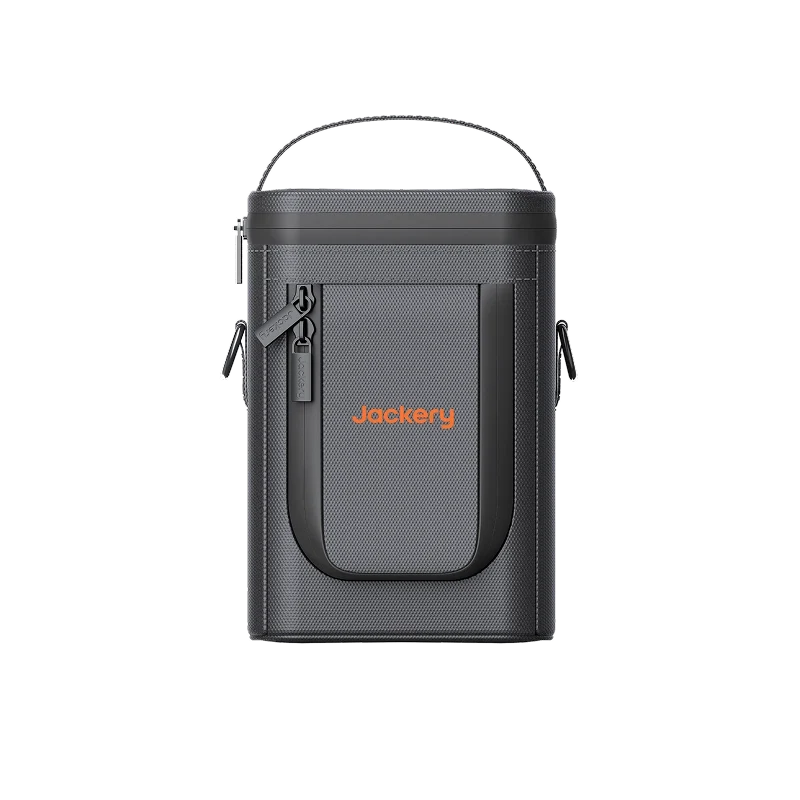
The unit’s physical size and loaded weight matter just as much as its capacity if it will move between a car, tent and home cupboard. Consider where it will sit during use, how it will be carried over uneven ground and whether its footprint leaves room for other kit. The UK listing is the place to confirm its current dimensions. The Explorer 500 v2 is a portable station rather than a tiny power bank, so buyers prioritising minimal pack space may prefer a smaller unit.
- Check that the station fits the storage space in your vehicle or home.
- Confirm the outlet types and cables your devices need.
- Plan ventilation and a dry, stable position during use.
- Compare the official bundle contents with accessories you already own.
Jackery’s wider catalogue puts the scale question in context. The Explorer 300D has a listed 288Wh capacity and is positioned as a lighter option. At the other end, larger Explorer models offer more storage and output for more demanding setups, with greater bulk and a higher tier of spend. A sensible choice starts with your actual load, not the biggest capacity you can find.
Buying through the UK store
The UK product page lets shoppers review the station, available bundles and delivery information in one place. Before ordering, check exactly which cables, power adapter or panel are included in the selected option. The station listing gives the product configuration. The single station and solar bundle serve different needs, and a headline product image may not show every item in the package. Check the separate Solar Generator 500 v2 option if you want the panel.
Also review the current warranty, returns and shipping terms displayed by Jackery, since store policies and bundle availability can change. Confirm the current product information before checkout. A product page is the place to confirm the live configuration and current price; our article avoids quoting a figure that may become outdated. If an optional accessory is listed separately, include it in the total setup decision. The solar bundle option can be reviewed alongside the station-only listing.
- Choose the station-only or solar bundle intentionally.
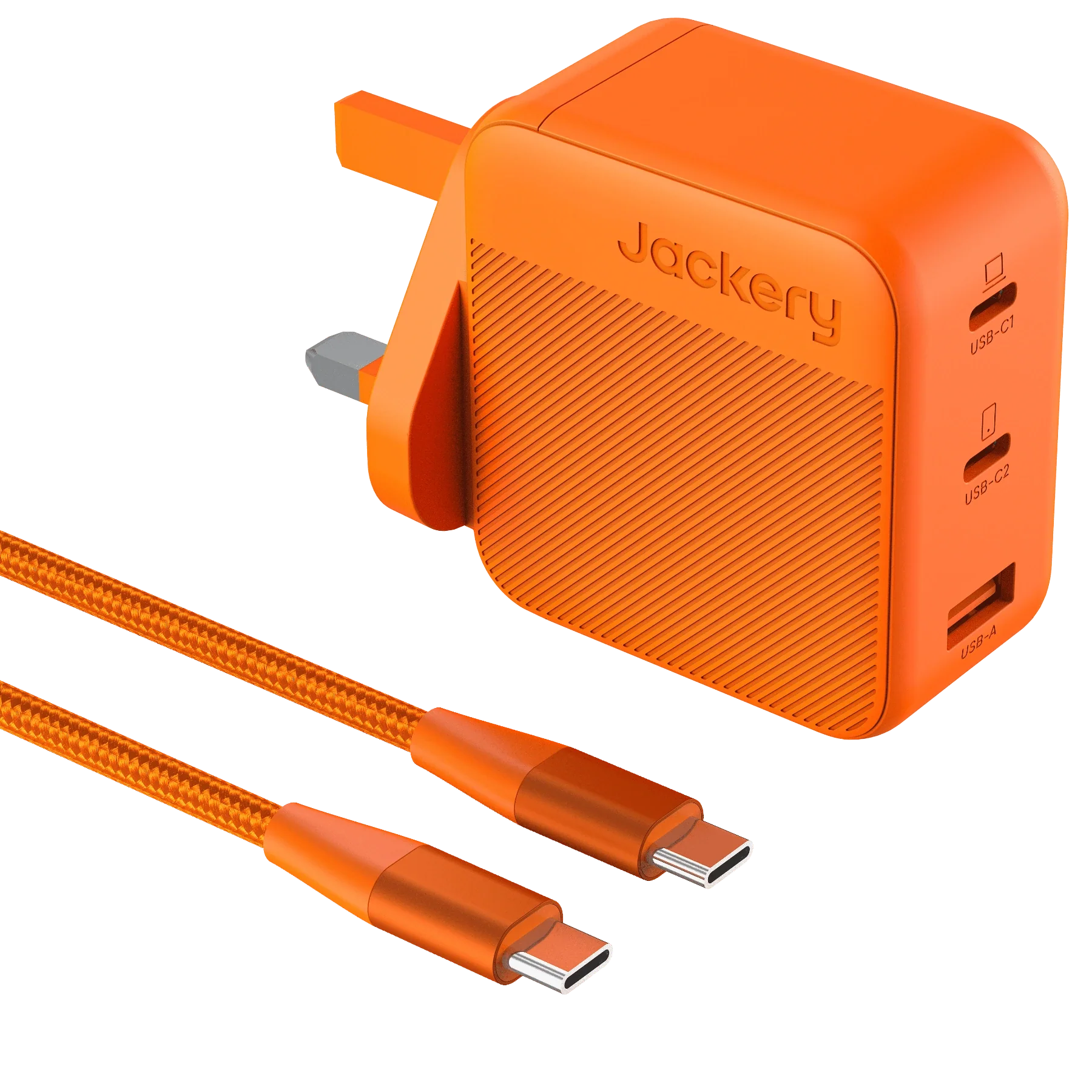
- Verify included charging leads and connector details.
- Read the current delivery, return and warranty terms.
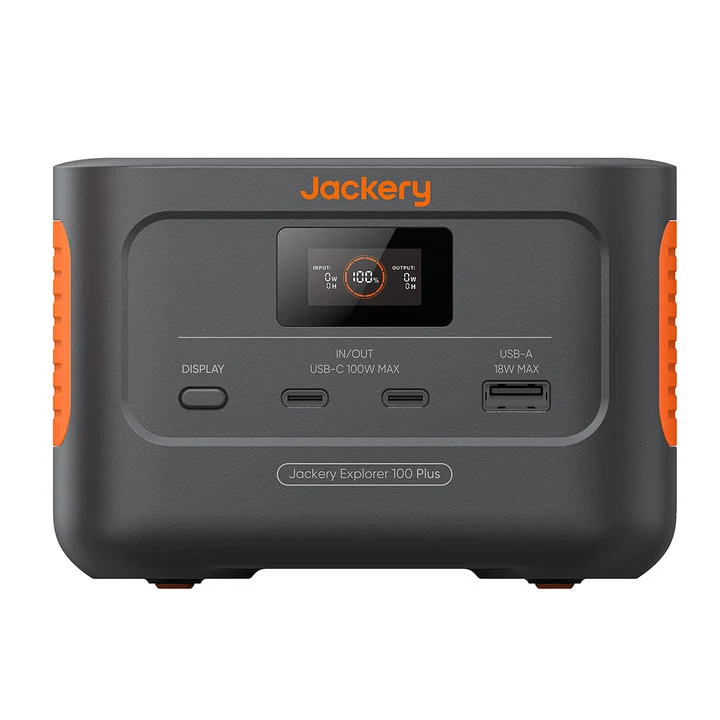
The smaller Explorer 100 Plus illustrates the other end of the range: at a listed 99Wh, it suits lightweight charging tasks better than a broader campsite load. It is not a like-for-like rival, but it helps show why choosing by use case is more helpful than comparing product names alone.
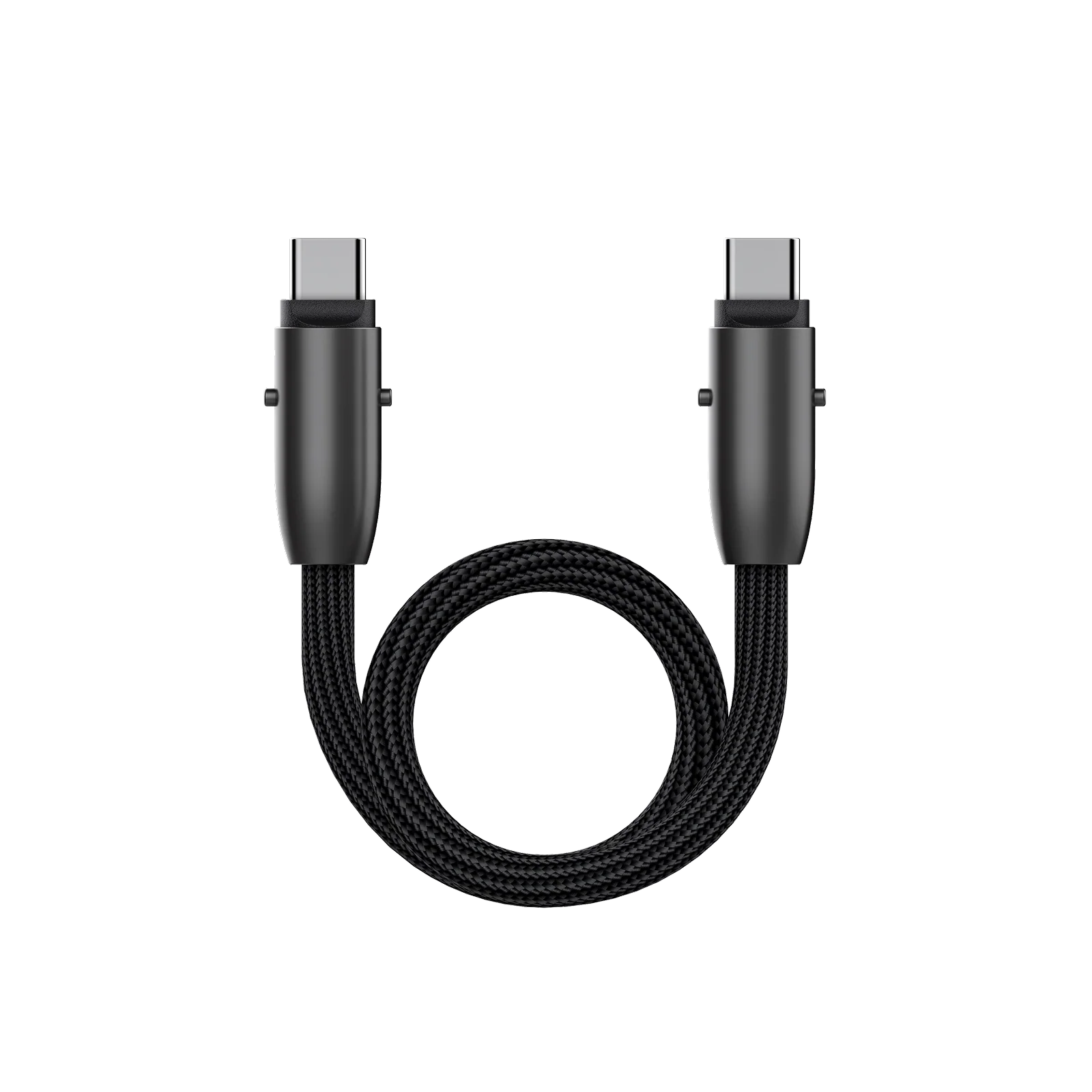
Small accessories can be useful for device charging, but check compatibility and decide whether they belong in your kit.
Where the Explorer 500 v2 makes sense
- Useful middle capacity: 512Wh gives more planning room than pocket chargers for mixed small-device needs.
- Several charging routes: AC, car and solar options support different trip routines.
- Clear output ceiling: the 500W rating helps buyers screen out incompatible appliances before purchase.
Where buyers should pause
- Runtime varies: capacity alone cannot promise a set number of hours for your devices.
- Solar is conditional: available sunlight, placement and weather affect replenishment.
- Not whole-home backup: output and capacity limit its role with larger household loads.
- Accessories add decisions: bundle contents, connectors and storage space need checking.
Is the Jackery Explorer 500 v2 a good fit for your plans?
We recommend shortlisting the Explorer 500 v2 if you want a portable station for a mixed collection of smaller devices and value the choice of mains, car or solar charging. It looks especially relevant for campers and travellers who can plan around a 500W output limit and do not need to power demanding appliances for long stretches.
Its central limitation is that a capacity figure does not tell you how long your particular kit will run, while solar replenishment depends on conditions. List your devices, estimate their draw and review the exact UK bundle and warranty terms before deciding. If that calculation fits, the Explorer 500 v2 is a considered middle-ground option; if you need only phone charging or much heavier backup, choose a different capacity tier.
Jackery Explorer 500 v2 Review: A Portable Power Station for Camping and Backup
