



A practical comparison of BLUETTI’s compact stations, higher-capacity models and vehicle charging, with a clear pick for each kind of trip.
Portable power shopping can look like a contest in capacity numbers, but the useful question is simpler: what do you need to run, and how will you recharge between stops? A small station, a larger RV-ready unit and a vehicle charger solve different problems.
We reviewed the product information on BLUETTI’s Canada store and compared it with the usual alternatives: a small USB power bank for devices and a fixed backup system for a home. Those alternatives can be the better answer when their limits fit your plan.
Some links in this article are affiliate links: if you make a purchase through them, we may receive a small commission.
Highlights
- BLUETTI Elite 100 mini suits modest camping loads, with 1,004.8Wh and 700W listed on its product page.
- BLUETTI Elite 300 gives more capacity and output for RV appliances and broader backup needs.
- BLUETTI Charger 2 is the road-trip specialist when the vehicle is the main charging source.
- A basic power bank remains lighter and simpler for phones; stationary home backup may call for a fixed system.
Capacity in watt-hours gives a rough sense of stored energy; output in watts helps show which loads the unit can support. Neither number alone predicts runtime, since appliance draw and conversion losses matter. Compare the load labels on your devices before choosing a BLUETTI setup.
Compare the options by job
Here is the shortest useful comparison. BLUETTI lists product specifications for its Canada lineup; features and availability can change, so confirm the current product page and included accessories before deciding.
| Option | Best fit | Useful distinction | Trade-off |
|---|---|---|---|
| BLUETTI Elite 100 mini | Camping and essentials | 1,004.8Wh, 700W, nine ports | Less headroom for high-draw appliances |
| BLUETTI Elite 300 | RV or broader backup | 3,014Wh, 2,400W, LiFePO4 | More capacity to carry and plan around |
| BLUETTI Charger 2 | Drive-heavy trips | Vehicle alternator and solar charging | Needs a compatible vehicle-based setup |
| Typical power bank | Phones and small devices | Small, simple, usually lower cost | Not an AC power station |
The comparison shows why a power station is not automatically the best purchase. For phone-only weekends, the ordinary power bank wins on size and simplicity. A station becomes more compelling when you need AC outlets, several devices at once, or a way to keep lights and small appliances running away from a wall outlet.
1. BLUETTI Elite 100 mini – a compact camp companion
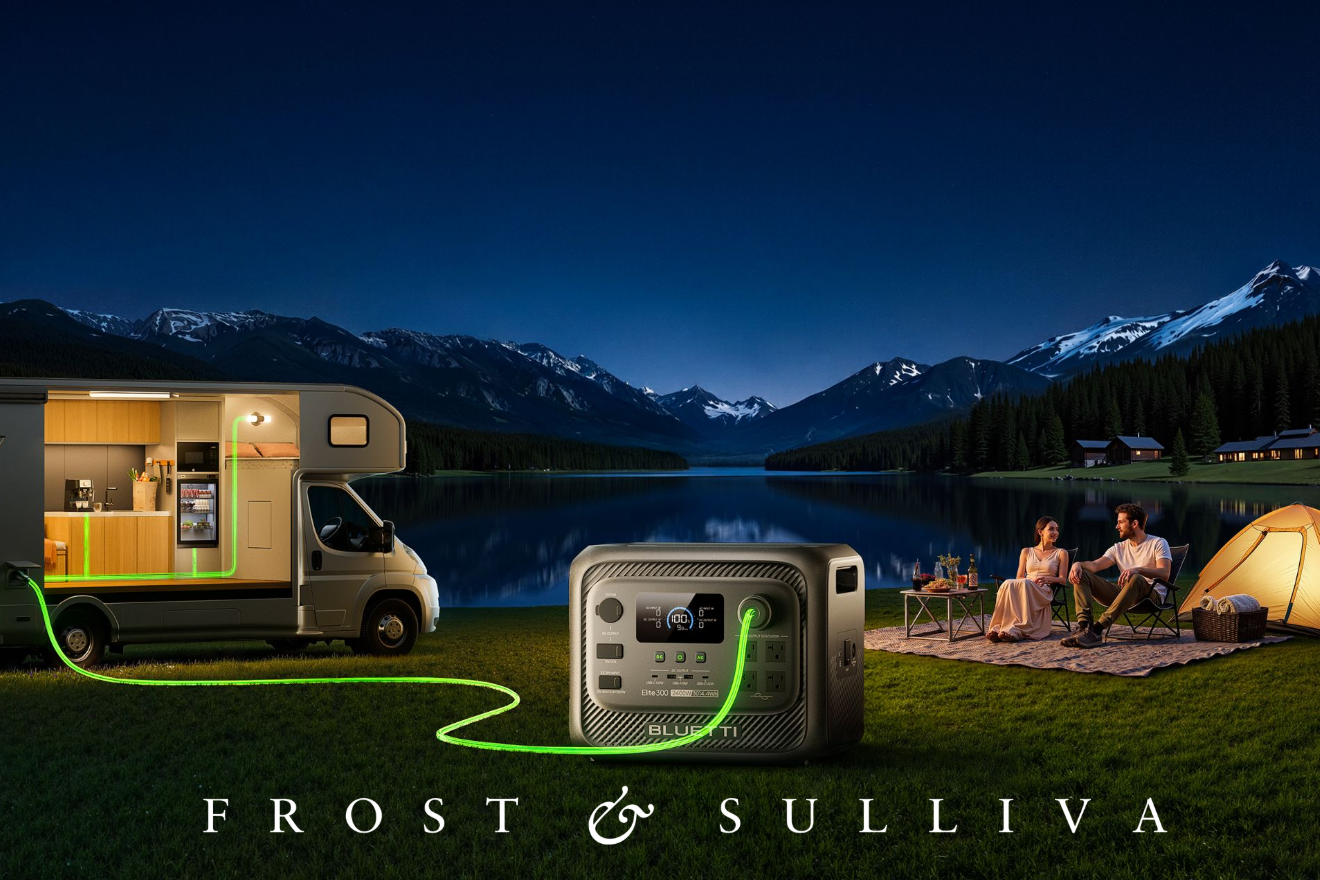
The BLUETTI Elite 100 mini is the sensible starting point when the list is phones, cameras, lights and other modest essentials. BLUETTI lists 1,004.8Wh, 700W and nine ports, giving it more flexibility than a pocket power bank while keeping the intended loads in check. The BLUETTI Elite 100 mini page is the place to confirm its current configuration. You can also review the mini station details alongside your device list.
Think of it as a camping and day-trip station, not a substitute for running every kitchen appliance. At 700W output, some high-draw devices may exceed its stated ceiling. This matters more than an abstract capacity comparison: check the continuous wattage printed on the equipment you expect to connect.
- Good match: phones, lighting, camera batteries and modest electronics.
- Less suitable: appliances whose running draw exceeds the listed output.
- Compared with a power bank: more connection options, but a larger unit to carry.
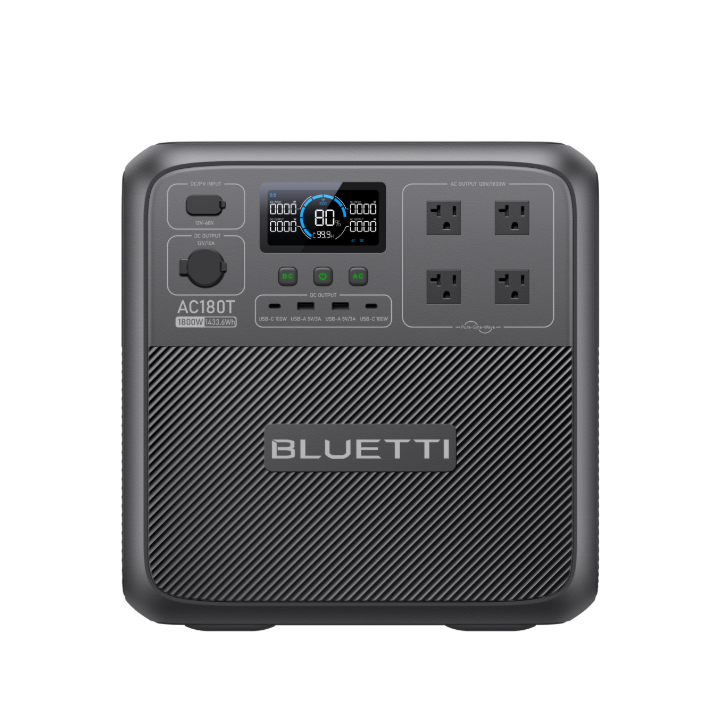
For a compact alternative inside the range, BLUETTI also lists the Elite 10 for everyday outlet use on the move. Its product positioning makes it worth checking if your needs are genuinely small; it will not replace the greater reserve of the mini. A conventional USB battery pack is still a reasonable winner for travelers who only need phone top-ups. Compare the mini station configuration with that lighter option before you decide.

2. BLUETTI Elite 300 – more reserve for an RV
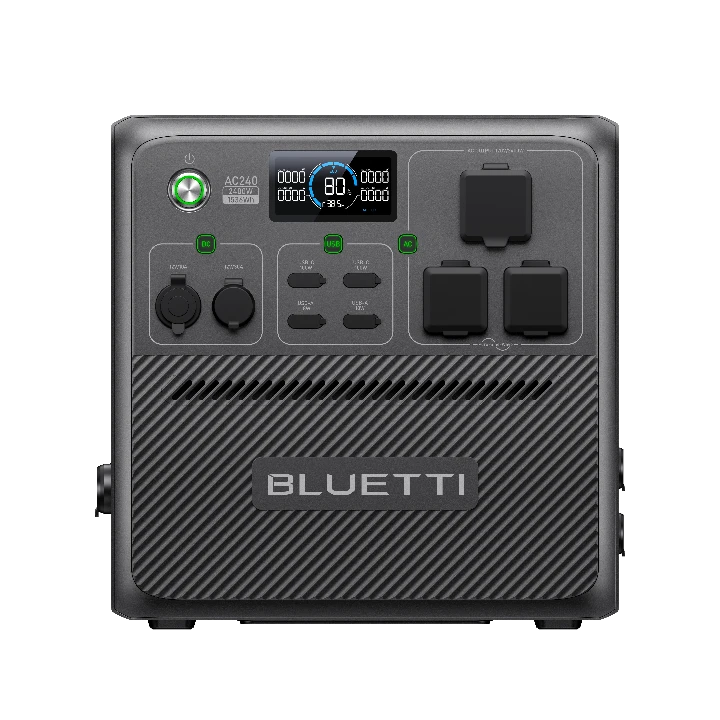
Move up to the BLUETTI Elite 300 when you have a longer list of loads or want more breathing room between charges. The Canada product listing gives 3,014Wh, 2,400W and a LiFePO4 battery. That combination points toward RV use and home essentials, where both usable energy and output headroom count. The BLUETTI Elite 300 is a more substantial commitment than a small station, and the added capacity only pays off if your loads need it.
On an RV trip, list what runs simultaneously: a fridge, lights, device chargers, perhaps a small cooking appliance. Then estimate hours of use. A unit’s watt-hour rating is not a promise of exact runtime, so leave a margin and consider how often you can recharge from shore power or solar. The Elite 300 product details can help check charging compatibility and included components. Revisit the model specifications once you know which appliances will run together.
Against a typical compact station, its trade is clear: more reserve and higher output in exchange for greater bulk and a higher tier of spend. A fixed home battery can make more sense if your main aim is seamless backup for household circuits. A portable unit wins when mobility, campsite flexibility or moving between rooms matters.
3. BLUETTI Charger 2 – power replenished on the road
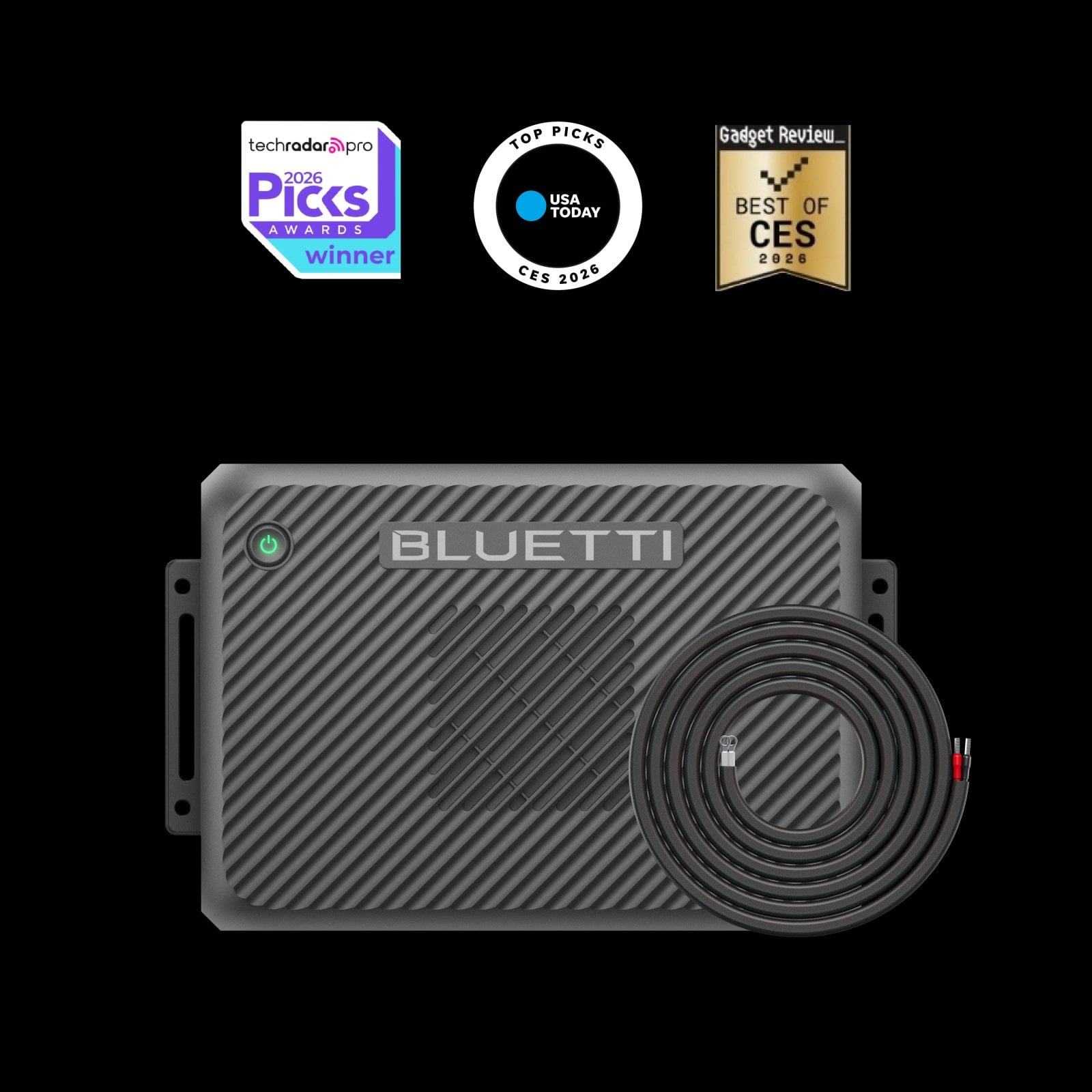
The BLUETTI Charger 2 takes a different route: rather than being another standalone battery box, it is a vehicle alternator and solar charging accessory for a compatible power setup. That makes it relevant to long drives, camper vans and trips where the engine is running between camps. Check the BLUETTI Charger 2 product page for compatibility, installation requirements and the current package details.
Its advantage is strongest when driving is already part of the itinerary. Replenishing a station while moving can reduce dependence on finding an outlet at every stop. But it is not a universal shortcut: vehicle compatibility, wiring, safe installation and the station’s supported inputs all matter. A solar panel can help when parked in suitable conditions, though actual harvest varies with shade, season and panel placement.
Compared with taking a second battery, the Charger 2 focuses on charging access rather than stored energy. If your vehicle stays parked for most of the trip, a station paired with shore charging or a portable solar panel may be the simpler fit. The product page should settle the vehicle and solar input questions before you build a system around it. Check the Charger 2 compatibility notes with the station you already own.
Choose by load, not by the biggest number
Before comparing checkout totals, sketch the trip and answer a few practical questions. That usually narrows the field more quickly than starting with a capacity chart.
- Write down the devices and their running watts, including anything that cycles on and off.
- Decide whether you need AC outlets or only USB charging; that is where a basic power bank can remain the better value.
- Estimate hours away from a charging source, then add margin for conversion losses and changing conditions.
- Identify your recharge windows: wall outlet, solar while parked, vehicle charging while moving, or some combination.
- Check weight, dimensions, port types and included cables against the space you actually have.
BLUETTI’s specifications are useful for screening, but no single headline figure answers every use case. Solar output depends on conditions, runtime depends on load, and vehicle charging depends on a compatible installation. For a household that needs automatic backup, compare a portable station with a properly sized fixed system before committing.
Where the range earns its place
The advantages for mobile setups
- The lineup spans small device power through RV-scale capacity, so buyers can match output to a real load list.
- BLUETTI lists LiFePO4 batteries on selected models, plus app monitoring on supported products.
- Solar charging and expansion configurations give some setups more ways to recharge or add reserve.
- The Charger 2 adds a vehicle-focused route for people who spend meaningful time driving between stops.
The limits to weigh before choosing
- More watt-hours usually mean a larger, heavier unit; portability can fall as reserve rises.
- Headline capacity does not equal guaranteed runtime, especially with high-draw appliances.
- Solar generation and vehicle charging require compatible hardware and depend on real conditions.
- For just a phone, or for whole-home backup, a simpler alternative may be more appropriate.
The best value is the smallest setup that meets the job with sensible headroom. Check current BLUETTI options because model tier, bundles and accessories change what a system includes. Compare the compact station and the higher-capacity station against your load list. We would avoid paying for capacity that stays unused, while leaving enough margin for the devices that matter most.
Which BLUETTI option fits your next trip?
For camping with modest electronics, choose the Elite 100 mini; for an RV or longer backup window, the Elite 300 is the stronger station if its size and cost tier fit. For trips that involve regular driving, add Charger 2 only after checking vehicle and station compatibility. A plain power bank wins for phone-only travel, while a fixed home system deserves a look when portability is not needed.
Our recommendation is to start with a load list and charging plan, then compare the current BLUETTI Canada options. The honest limitation is that product specifications cannot predict your exact runtime or solar yield. Confirm the details for your own devices and trip conditions before choosing.
BLUETTI Power Options Compared: Which Setup Fits Camping, RVs or Road Trips?
