



We examine CocoPlush Threaders’ built-in threader, extra-fluffy floss and fit for implants, bridges, brackets and other hard-to-reach spaces.
Flossing becomes a different task when a normal strand cannot simply slide between every space. Implants, bridges and brackets can turn a familiar routine into a small daily puzzle, especially if the threader and the floss live in separate drawers.
CocoPlush Threaders is Cocofloss’s direct answer to that problem. The product combines a stiff threader with a section of extra-fluffy woven floss, so the question is less about adding another general floss and more about whether an integrated tool makes your particular clean easier to manage.
We reviewed the store’s product description, materials information and related floss formats. The result is a focused look at where this design makes sense, where it has limits, and how it compares with Cocofloss’s thinner and refillable options.
Some links in this article are affiliate links: if you make a purchase through them, we may receive a small commission.
Highlights
- CocoPlush Threaders combines one stiff threader with extra-fluffy Cocofloss for awkward spaces.
- The store describes it as suitable around implants, bridges and brackets.
- Each section is designed as a two-in-one piece, which can reduce the number of separate tools in a routine.
- Cocofloss Thin is the better comparison when the main issue is tight contact points rather than dental work.
- The format is specialised, so readers with dentist-given instructions should use those instructions first.
The problem CocoPlush Threaders is built to solve
The store describes CocoPlush Threaders as a floss-and-threader combination for spaces that are difficult to reach with ordinary floss. The threader is the firm part that helps navigate around a bridge, under an appliance or near an implant. The floss section is the familiar textured material, made fluffier for cleaning around those constructions.
That distinction matters. A standard spool can be excellent for everyday contacts and still be the wrong shape for a bridge. A separate threader can solve access but leave you handling two pieces. Cocofloss has positioned this product around the handoff between those steps, with 30 floss-and-threader sections in Delicious Mint listed on the product page.
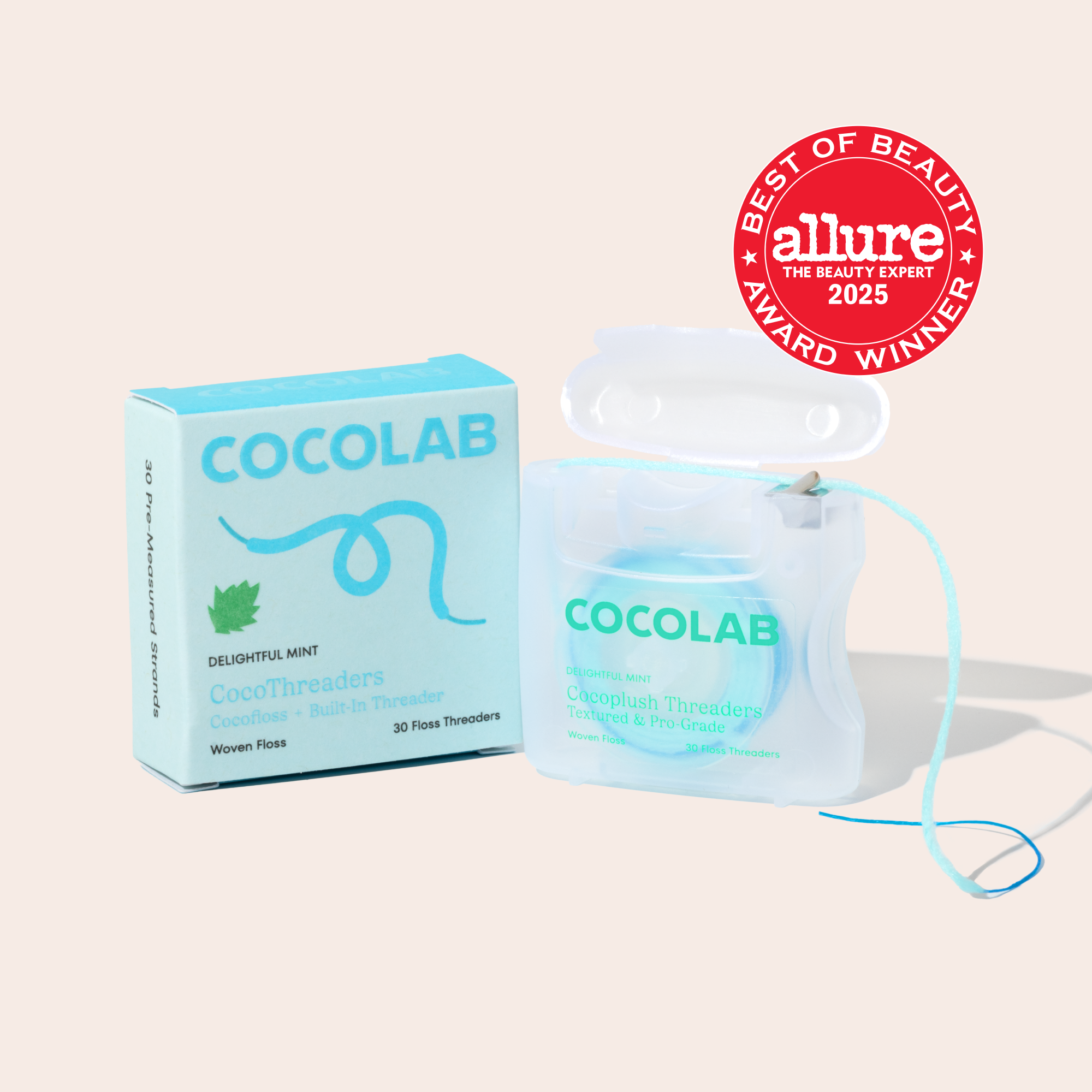
We would treat the design as a convenience and access feature, not as a replacement for professional guidance. The product page explains the intended use, but your dentist or orthodontist is the right source for instructions about pressure, frequency and which areas to clean.
What the material and format mean in practice
Cocofloss says its textured floss uses woven filaments that expand to grab plaque and compress to fit between teeth. For CocoPlush Threaders, the extra-fluffy section is the part aimed at cleaning around dental work. The store also describes the floss as coconut-oil infused, BPA-free and non-PTFE, with no added PFAS, vegan construction and recycled materials.
Those details may matter to shoppers who read ingredient and material pages closely, but they do not remove the need to choose by fit. Fluffy floss can feel more substantial than a fine thread, and a threader is useful only when your routine includes spaces that need it. The strongest case for the product is therefore practical: access first, texture second.
- Use the threader element where a bridge, implant or bracket interrupts a straight floss path.
- Use the fluffy floss section to clean around the relevant surfaces without switching tools mid-step.
- Keep the sections stored in a clean, dry place between uses and follow the store’s instructions.
- Ask a dental professional if bleeding, pain or persistent difficulty continues.
The strongest buying signal is not the flavor. It is whether you regularly need to pass floss beneath or around something that interrupts the usual route. In that situation, the product’s pre-sectioned design may be easier to keep beside the routine than a spool, a separate threader and a decision about which tool to use first. If that is not your situation, the extra parts may simply become another item to store.
How it compares with Cocofloss Thin
Cocofloss Thin Dental Floss addresses a different obstacle. The store says it is 30% thinner than the original format and uses 300 woven strands, making it the more relevant option when your ordinary floss feels too broad for tight gaps or dental work. The Thin product page is also the place to check whether a current spool or refill variant matches your dispenser.
That does not make it a substitute for a threader. Thin floss changes the strand, while CocoPlush Threaders changes the tool and the way the strand reaches the space. Someone with a bridge may want the built-in threader; someone with close contacts but no bridge may prefer a thinner continuous spool. If both issues apply, the CocoPlush listing and Cocofloss Thin listing give you a reason to consider them as separate tools rather than interchangeable versions.
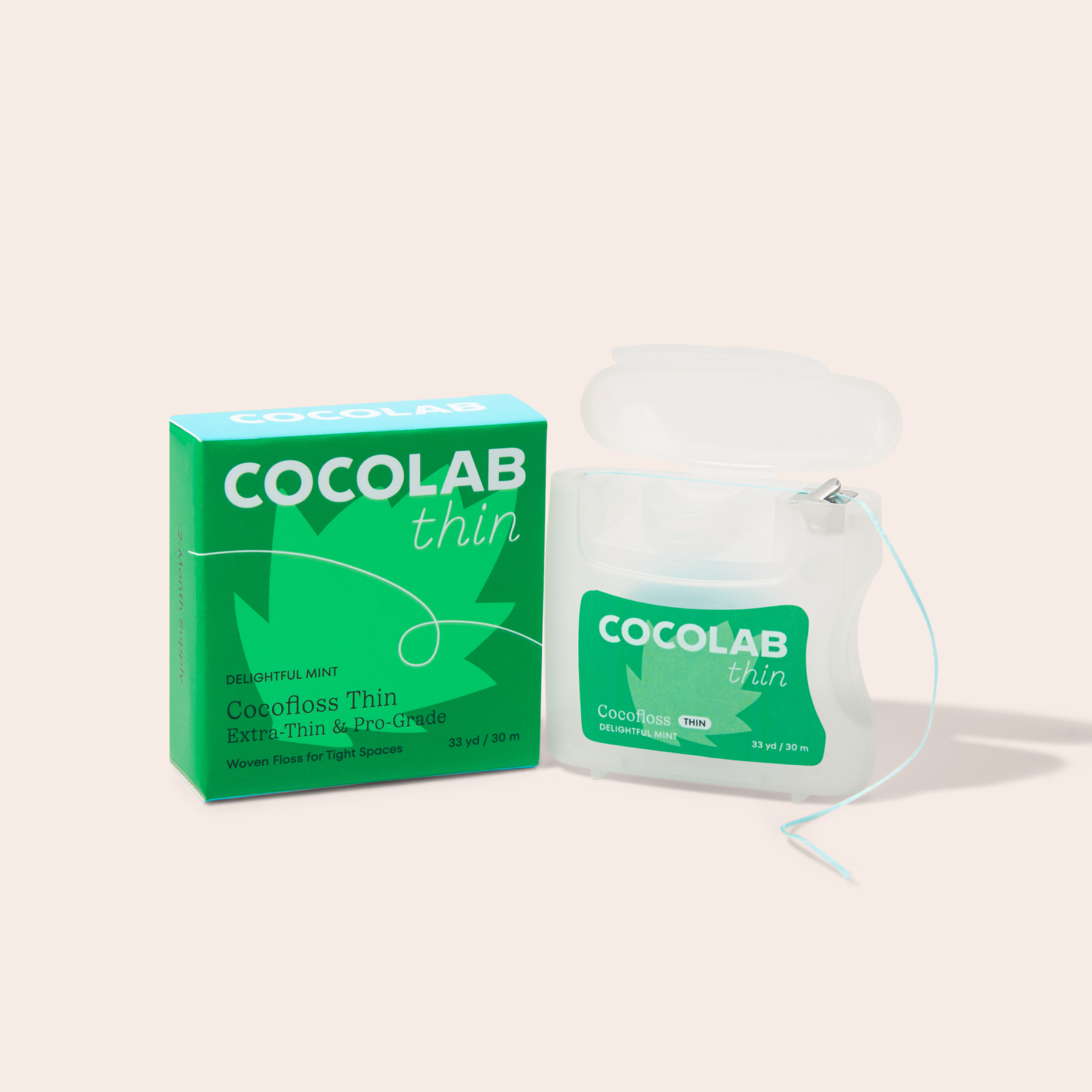
Thin also has a refill logic that may appeal to existing Cocofloss users. The product page says it fits Cocofloss dispensers, while CocoPlush Threaders is a pre-sectioned tool. That makes Thin more suitable for a long-running spool habit and CocoPlush more suitable for a targeted access problem.
Where the wider Cocofloss range fits
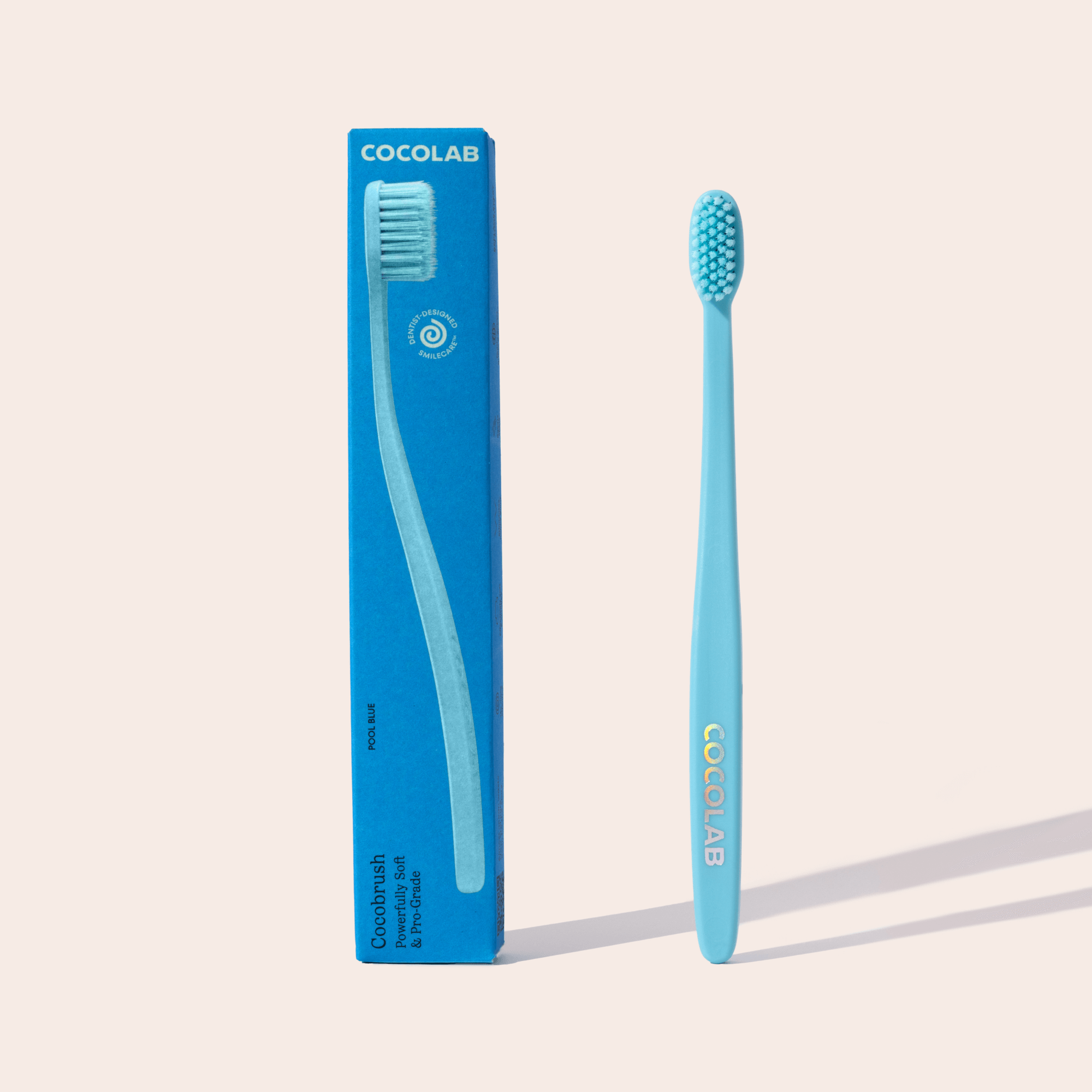
The rest of the brand helps clarify the product’s role. Kids Reflosser is a refillable tool intended for younger users, while Cocobrush and Cocofloss’s toothpaste range cover the brushing and paste parts of a routine. None of those options is a direct replacement for the threader sections in CocoPlush.

This is where the buying experience is relatively clear. Start with the problem you are trying to solve, then choose the product page that matches it. A reader shopping for dental-work access should not need to buy a complete oral-care bundle to get a threader. A household looking for an everyday floss habit may have no reason to choose a specialised 30-section format. For a family routine, compare the Kids Reflosser listing with the adult tool rather than assuming the formats work the same way.
- For bridges, implants or brackets: start with CocoPlush Threaders.
- For tight contacts: compare Cocofloss Thin with your current flossing method.
- For a younger user: read the Kids Reflosser instructions and refill details.
- For the full routine: add brushing or toothpaste only if that is the gap you actually need to fill.
The strongest reasons to choose it
- Two tools in one section: less switching around dental work.
- Purpose-built access: the threader is the defining feature.
- Fluffy textured clean: more substantial than a smooth strand.
- Clear use case: the product page names implants, bridges and brackets.
The reasons to pause before ordering
- It is specialised, so it may be unnecessary for ordinary open contacts.
- Pre-sectioned pieces may suit targeted cleaning less than a continuous spool habit.
- A thicker, fluffier feel will not suit every preference or dental instruction.
- The store’s material and performance claims are brand statements, not independent testing.
Best fit and a less suitable fit
- Best fit: readers who already have a bridge, implant or bracket and need a dedicated access step.
- Best fit: shoppers who prefer pre-sectioned pieces to carrying a separate threader.
- Less suitable: readers with ordinary contacts who want a single continuous spool.
- Less suitable: anyone whose dentist or orthodontist has specified another tool or technique.
Questions to settle before ordering
Is CocoPlush Threaders reusable?
The store presents CocoPlush Threaders as 30 individual floss-and-threader sections, rather than as a refillable spool. Check the current listing for the exact pack details and follow its use instructions. It should not be treated as a reusable handle unless the product page specifically says so.
Can it be used with braces or bridges?
Those are among the use cases named on the store’s product page. Dental work varies, though, so readers should confirm the correct technique with their orthodontist or dentist, especially if a space is painful, inflamed or difficult to access.
What should shoppers compare on the page?
Compare the current pack contents, availability, one-time purchase and subscription choices, and whether the format matches the instructions you have been given. The listed cost is tied to the specialised section count and threader design, so it is not a direct apples-to-apples comparison with a standard spool.
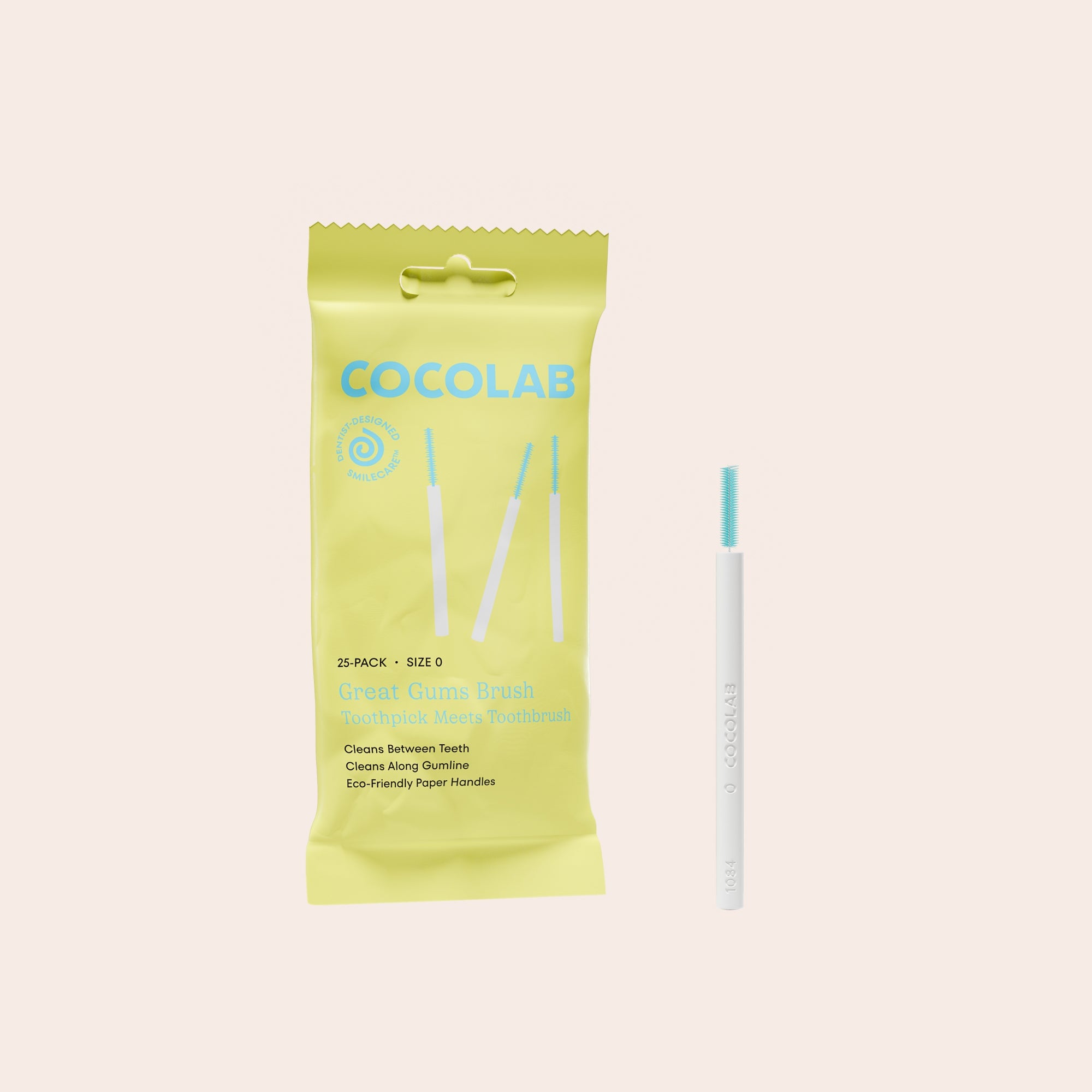
One final point on buying: check the current listing for availability, pack details and any subscription choices before ordering. Product pages can change their variants, and the cost is driven by the number of sections and the specialised threader format rather than by a general spool quantity. That is why a direct product-page review is more useful here than a broad claim that every Cocofloss item fits every routine.
Are CocoPlush Threaders worth choosing for dental work?
Yes, if access is the awkward part of your routine. The built-in threader gives CocoPlush Threaders a specific job, and the extra-fluffy Cocofloss section makes the format more than a generic threader repackaged as a bundle. The design is easier to justify when reaching around an implant, bridge or bracket is the daily frustration. If you are still unsure, the current CocoPlush product page gives the most useful details on the included sections and intended use.
Our limitation is equally specific: readers without dental work may get more value from a continuous spool such as Cocofloss Thin, and anyone with professional cleaning instructions should follow those first. For the right use case, though, CocoPlush Threaders is one of the clearer, more focused products in the Cocofloss range.
