
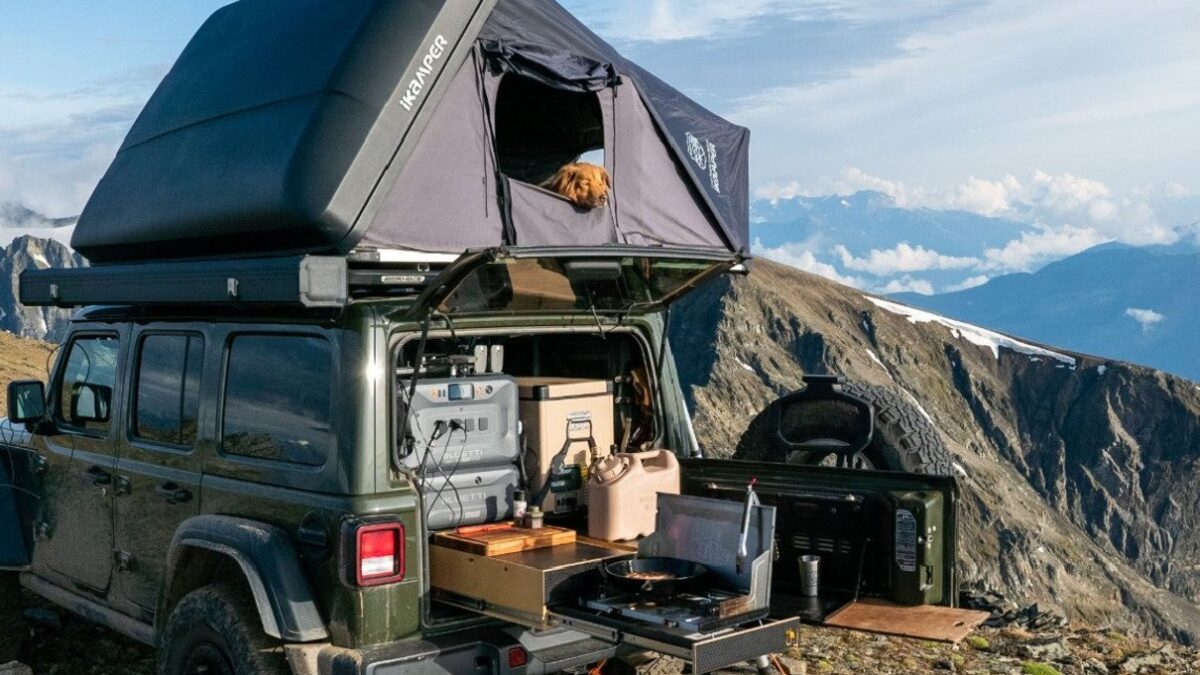

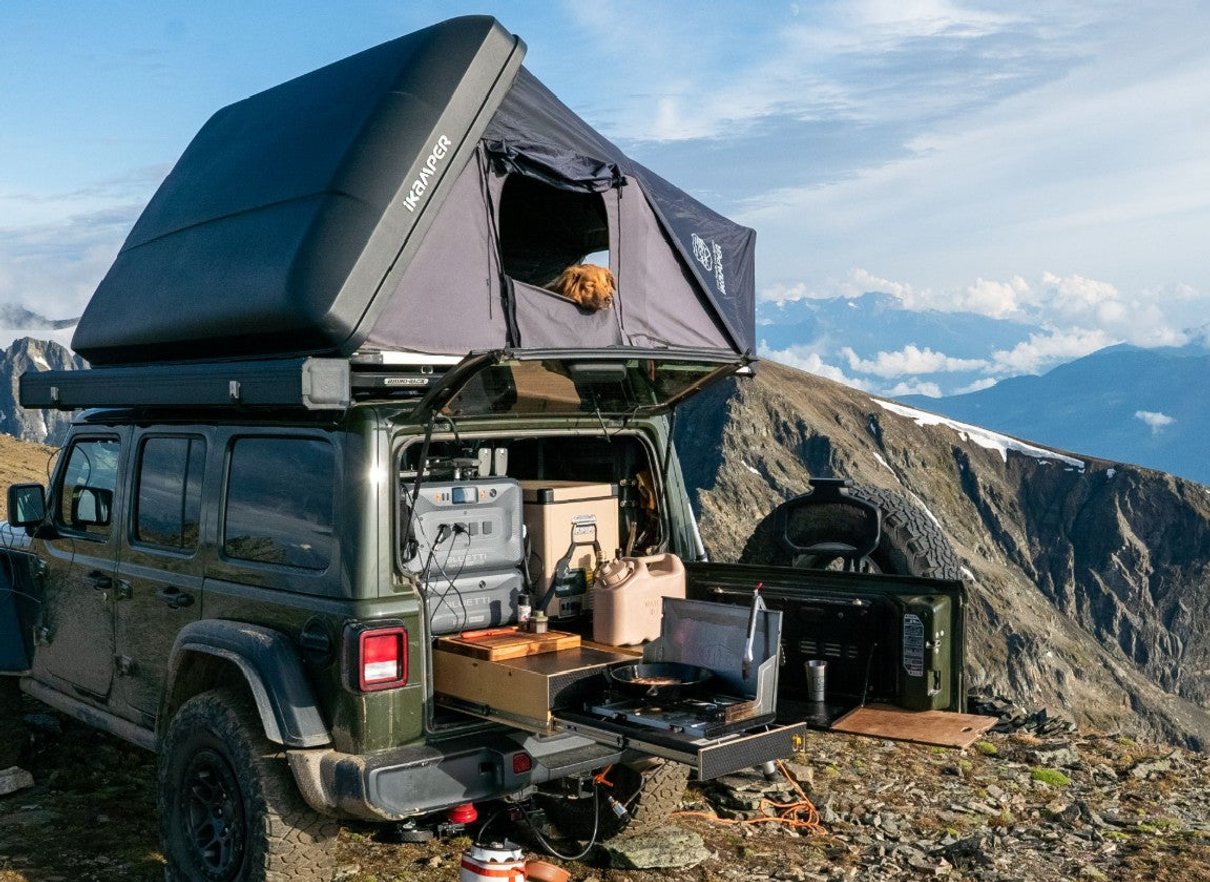
We examine BLUETTI’s current Canadian lineup, the use cases it handles well, and the tradeoffs to weigh before choosing a power station.
Choosing a portable power station is less about finding the biggest battery and more about matching capacity, output and recharge options to the interruptions you actually need to cover. A compact unit for phones and a router has a very different job from an expandable setup intended for a home or RV.
BLUETTI’s Canadian store makes that range visible: the lineup runs from small, portable Elite models to larger systems with LiFePO4 batteries, solar generator bundles and 120V/240V capability. We reviewed the published specifications and product positioning to see where the range is convincing, where the choices become more complicated, and which reader each tier suits.
Some links in this article are affiliate links: if you make a purchase through them, we may receive a small commission.
Highlights
- Elite 100 mini is the compact entry point for phones, routers and lighter everyday loads.
- Elite 200 V2 adds a broader appliance range in a mid-sized LiFePO4 format.
- Elite 300 is the practical step up for RV use and longer home backup windows.
- Apex 300 is the most expandable option here, with 120V/240V output and battery configurations.
- BLUETTI’s pricing tiers are driven by capacity, output, recharge method and expansion hardware, so check the Canadian listing before deciding.
How BLUETTI’s range is organised
The store separates products by both format and scenario. That is useful because a power station is not only a battery: the right choice depends on whether it will live in a tent, a vehicle, a utility room or an emergency kit. BLUETTI also groups related solar kits, expansion batteries and chargers around the main units.
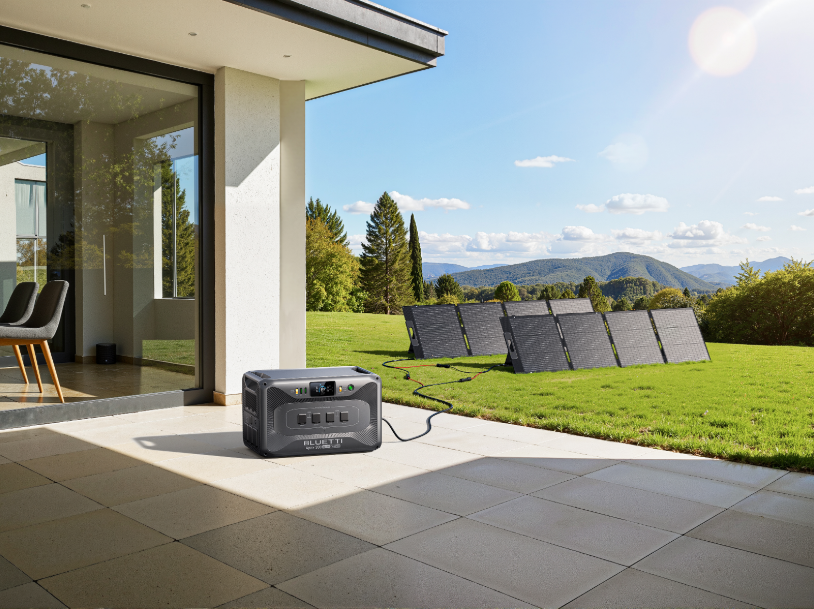
Across the lineup, the strongest published themes are LiFePO4 battery chemistry, multiple ways to recharge and a broad spread of output levels. The brand says its products are designed for home backup, RV travel, camping and off-grid use. Those are meaningful strengths, but they do not remove the need to check connector types, running loads, recharge time and the physical space available.
- Compact Elite models suit personal electronics and short interruptions.
- Mid-range Elite models add more headroom for appliances and mobile living.
- Apex systems target higher loads, longer backup windows and expansion.
- Solar, alternator and wall charging change how useful the same battery is away from an outlet.
1. Elite 100 mini – a small start for essential loads
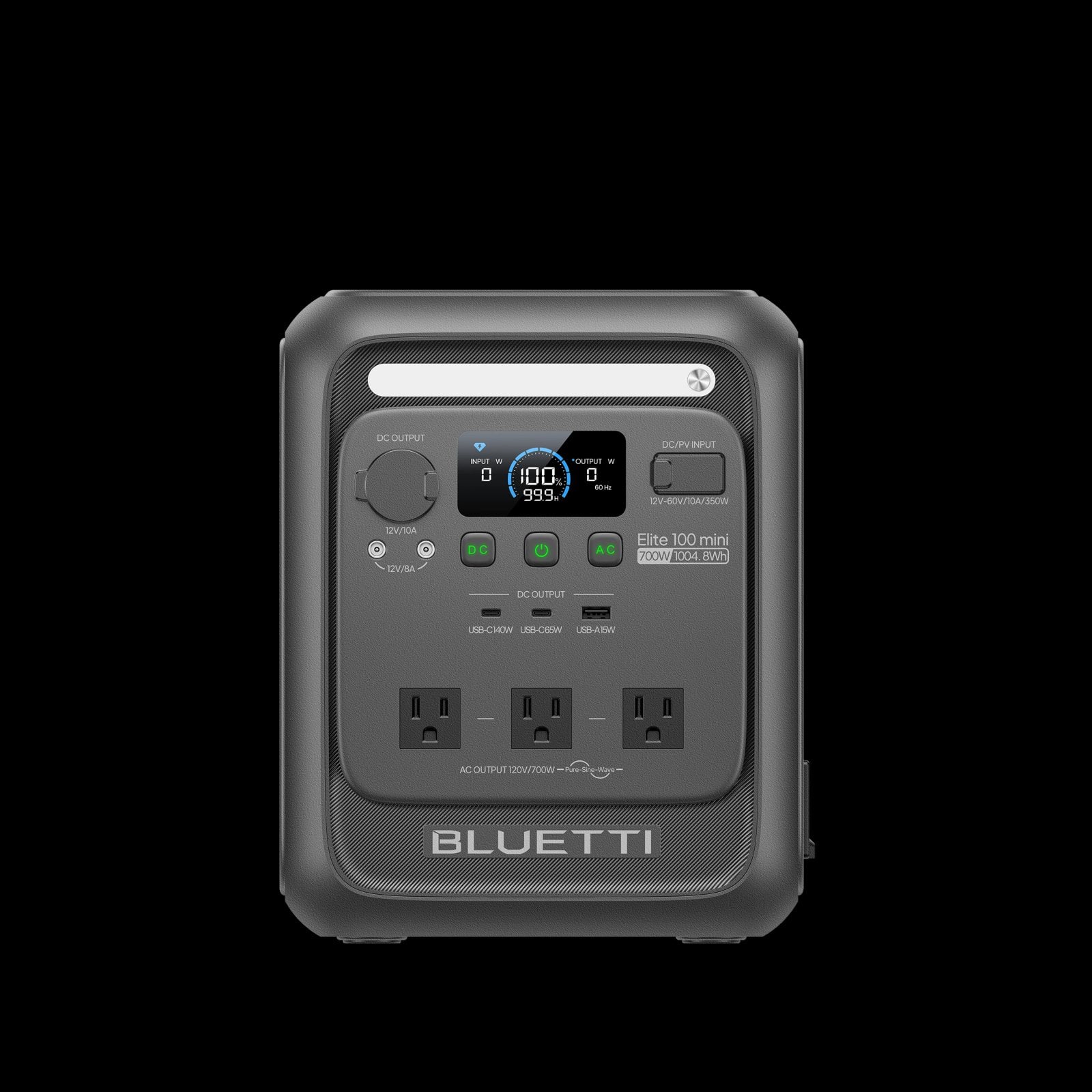
The BLUETTI Elite 100 mini is listed with 1,004.8Wh of capacity and 700W output. Those figures place it in the portable essentials category rather than the whole-home category. It makes sense for keeping phones, lights, a router or small electronics running when mobility matters.
The main advantage is proportion. The unit is easier to position in a car, campsite or small apartment than a heavier backup system. The limit is equally clear: a lower output ceiling narrows the appliance list, and the smaller battery cannot stand in for a larger home backup window. Check the current Elite 100 mini listing for its current configuration and included accessories.
2. Elite 200 V2 – the balanced middle route
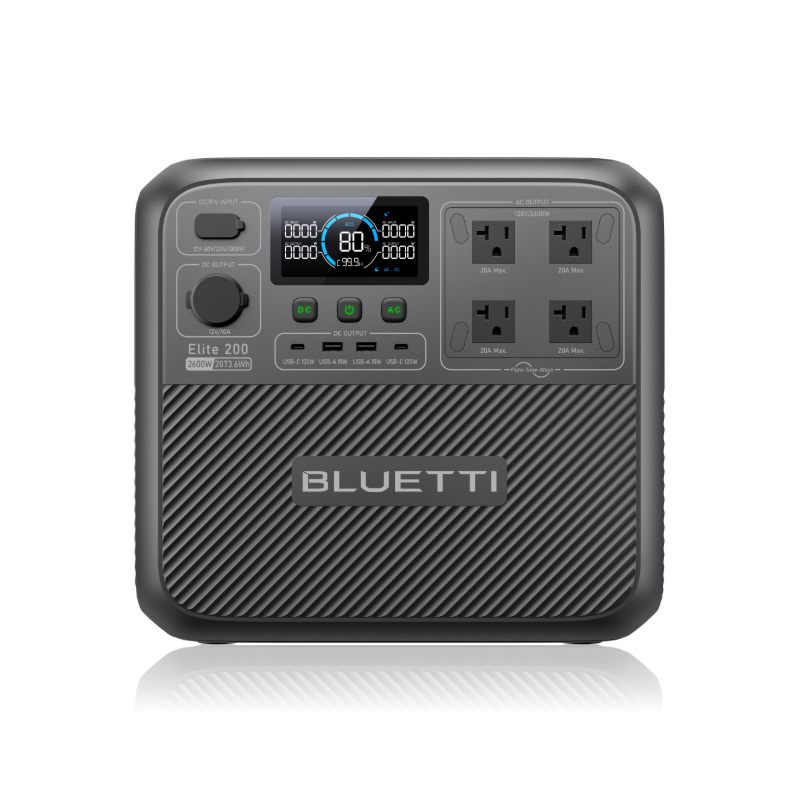
The BLUETTI Elite 200 V2 is listed at 2,073.6Wh and 2,600W, with LiFePO4 chemistry. That combination gives it more appliance flexibility than the mini model while keeping the concept recognisably portable. It is the most natural fit for readers who want one unit for outages, weekend travel and a wider mix of everyday devices.
Its strength is useful headroom without immediately moving into the biggest format. The tradeoff is that capacity and accessories still need to be matched to the job. A high output figure does not mean every appliance can run indefinitely, and a battery of this size is still a finite reserve. Review the Elite 200 V2 product page for the current port layout and recharge details.
3. Elite 300 – more room for RVs and home essentials
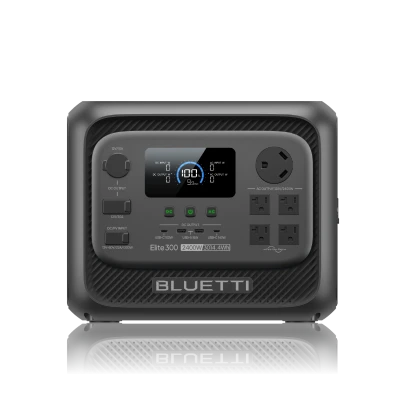
The BLUETTI Elite 300 moves to 3,014Wh and 2,400W, again with LiFePO4 chemistry. The store calls it RV ready and home reliable, which fits the numbers: it offers a larger reserve for a trip or a longer essential-load plan without the full complexity of a multi-battery home system.
This is the model to examine when a compact unit feels too limiting but portability still matters. It has more physical and financial commitment than the smaller Elite models, and its value depends on whether you will use that extra capacity. The matching Elite 300 page also shows solar generator configurations, so readers should separate the base unit from bundled recharge hardware.
4. Apex 300 – the expandable home power route
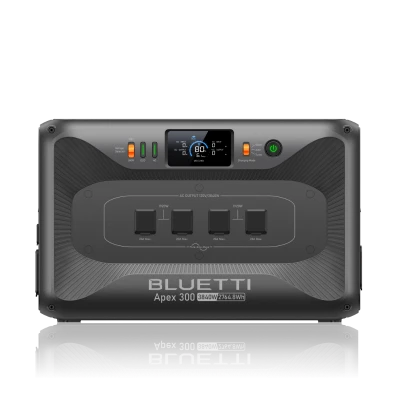
The BLUETTI Apex 300 is listed with 2,764.8Wh, 3,840W and 120V/240V output. It is the clearest fit for readers thinking beyond camping: the Canadian store presents it with expansion battery configurations and home backup positioning.
The strength is system flexibility. You can choose a base configuration and consider more storage when your loads, runtime or RV plans demand it. The limitation is that flexibility adds decisions, equipment and setup considerations. Anyone planning to connect substantial home circuits should confirm installation requirements with a qualified professional rather than treating a portable station as a universal electrical panel. Start with the Apex 300 configuration page and compare the included components.
The details that change the decision
BLUETTI’s range is strongest when the buyer thinks in scenarios. Before choosing, we would write down the loads, the desired runtime and the likely recharge location. That simple exercise prevents a high output number from distracting from the more important question: how much stored energy is needed?
- List the devices that must stay on, separating continuous loads from short bursts.
- Choose the smallest capacity that covers the intended interruption with a sensible margin.
- Decide whether wall, solar or vehicle charging is the practical primary method.
- Check dimensions, weight, ports, expansion compatibility and the current Canadian listing.
Recharge is a meaningful BLUETTI advantage because the store covers solar generators and vehicle-oriented accessories alongside the main units. But bundles can make comparisons harder. A base power station, a solar panel kit and an alternator charger are different purchasing decisions, even when they appear under the same scenario.
Where the lineup earns its place
- Clear size ladder: the Elite models create a readable path from lighter backup to larger reserves.
- Useful chemistry: LiFePO4 is prominent across the reviewed models.
- Multiple scenarios: home, RV, camping and off-grid use are all represented.
- Expansion potential: Apex configurations give larger plans room to grow.
Where the choice becomes harder
- Capacity is not runtime: actual duration changes with the connected load and conversion losses.
- Bundles vary: solar panels, batteries and chargers can change the practical value of a package.
- Portability has limits: higher capacity usually means more size, weight or setup work.
- Home integration needs care: higher output does not replace electrical planning.
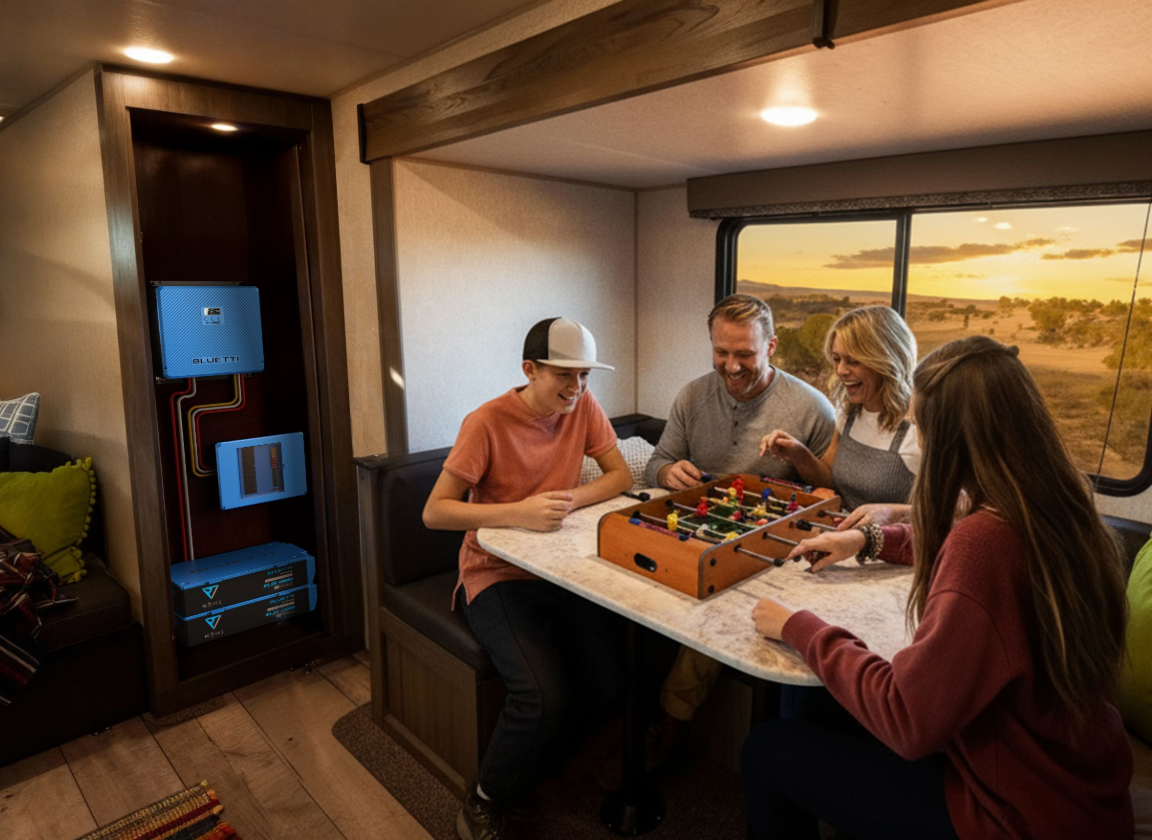
For a compact emergency kit, the Elite 100 mini is the most proportionate starting point. For mixed household and travel use, the Elite 200 V2 looks like the balanced route. The Elite 300 makes more sense when runtime and RV use matter, while the Apex 300 is for buyers willing to plan a larger, more expandable system.
Which BLUETTI power station fits your backup plan?
Our recommendation is to start with the use case, not the headline output. Elite 100 mini is the sensible compact choice, Elite 200 V2 is the broadest middle ground, and Elite 300 is the stronger portable option for RVs and longer essential-load coverage. Choose Apex 300 when 120V/240V output and expansion are genuinely useful.
The honest limitation is that BLUETTI offers enough configurations to make like-for-like comparisons difficult. Product bundles, charging accessories and expansion batteries can change the final setup, so readers should check the current Canadian store listing and confirm their load calculations before committing.
